
 EN
EN
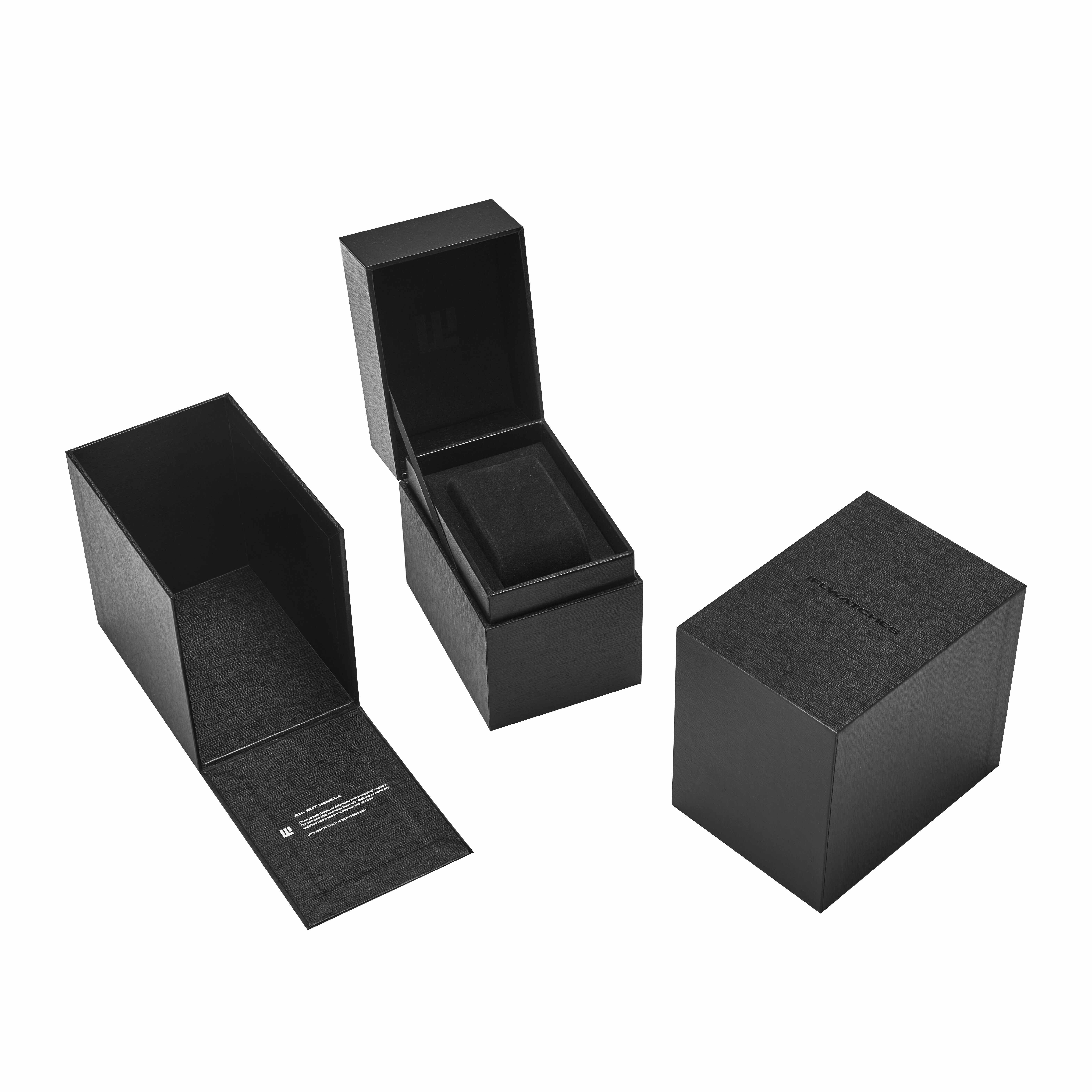
Premium timepieces represent significant investments that demand exceptional protection during storage, transportation, and presentation. The choice between rigid and folding watch box designs directly impacts how well these valuable accessories maintain their pristine condition and market value. Understanding the structural differences, protective capabilities, and practical applications of each watch box type enables retailers, collectors, and manufacturers to make informed decisions that safeguard their horological investments while enhancing the overall customer experience.
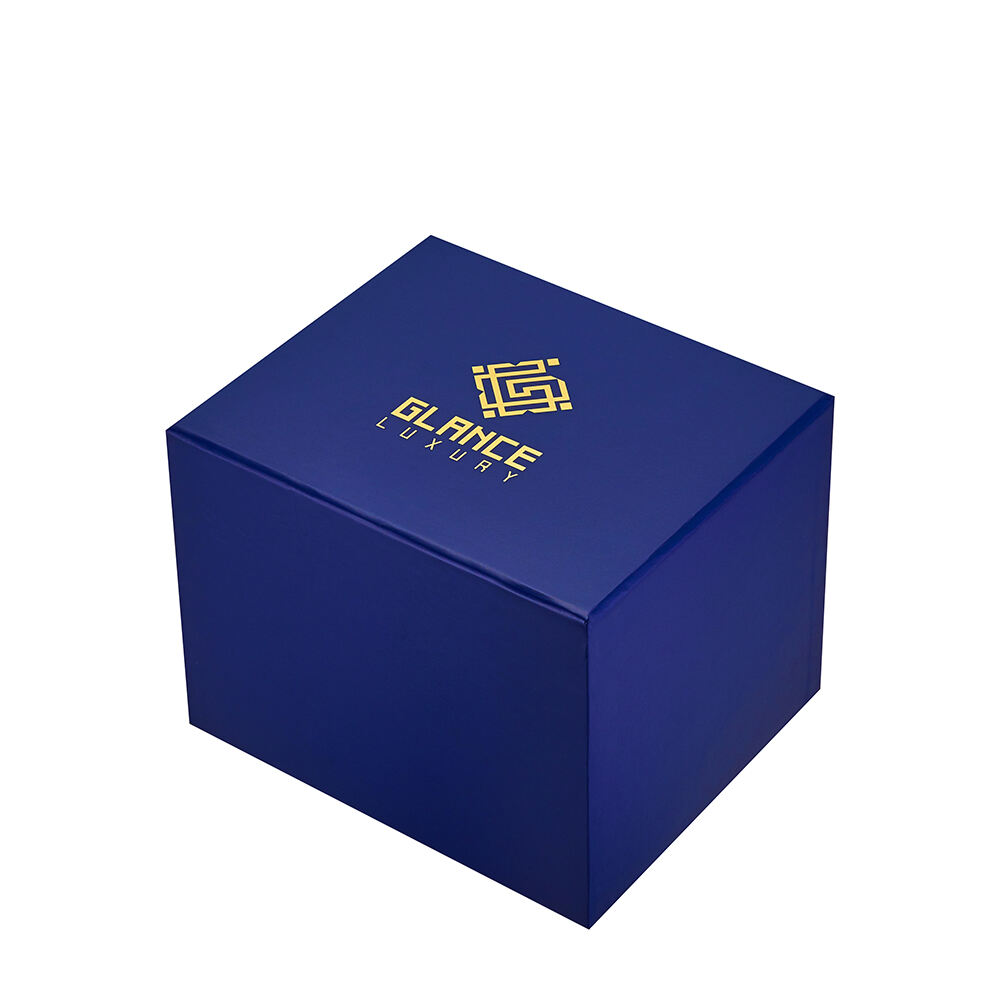
The watch box industry has evolved significantly over the past decade, driven by increasing demand for luxury packaging solutions that reflect the premium nature of modern timepieces. Both rigid and folding structures serve distinct market segments, each offering unique advantages in terms of protection, presentation, and cost-effectiveness. The selection process requires careful consideration of factors including shipping requirements, storage constraints, brand positioning, and target customer preferences.
Market research indicates that consumers increasingly view packaging as an extension of the product itself, particularly in the luxury goods sector where first impressions carry substantial weight. A well-designed watch box not only protects the timepiece but also enhances the unboxing experience, reinforces brand values, and provides long-term storage solutions that customers appreciate. The structural integrity of the packaging directly correlates with perceived product quality and brand reputation.
Structural Engineering Differences Between Rigid and Folding Designs
Construction Materials and Assembly Methods
Rigid watch box construction utilizes solid paperboard foundations with thickness ranging from 1200 to 2000 GSM, creating immutable structures that maintain their shape under various stress conditions. These boxes employ corner reinforcement techniques, including internal bracing systems and external corner protectors that distribute impact forces across the entire frame. The assembly process involves precision die-cutting, specialized adhesive applications, and multi-stage curing procedures that ensure permanent structural integrity.
Folding watch box designs incorporate engineered crease patterns and flexible hinge mechanisms that allow controlled collapse and expansion while maintaining protective functionality. The paperboard selection for folding structures typically ranges from 350 to 800 GSM, balanced to provide adequate strength while enabling smooth folding operations. Advanced folding mechanisms include magnetic closures, snap-lock systems, and origami-inspired engineering that transforms flat sheets into three-dimensional protective enclosures.
Load Distribution and Impact Resistance
The rigid watch box architecture distributes external forces through continuous structural pathways, eliminating weak points that could compromise protection during shipping or handling. Internal cushioning systems integrate seamlessly with the rigid frame, creating multi-layer protection that absorbs shock, prevents movement, and maintains consistent positioning of the timepiece. Testing protocols demonstrate that rigid structures maintain protective integrity even under extreme compression forces exceeding 200 pounds per square inch.
Folding designs achieve impact resistance through strategic placement of reinforcement zones at critical stress points, including corners, closure areas, and hinge mechanisms. The flexibility inherent in folding structures can actually provide superior shock absorption in certain scenarios, as the controlled deformation dissipates energy that might otherwise transfer to the enclosed timepiece. Modern folding watch box engineering incorporates crush-resistant panels and strategically positioned support ribs that maintain structural integrity during assembly and use.
Protection Performance Analysis
Environmental Resistance Capabilities
Moisture protection represents a critical factor in watch box performance, as humidity fluctuations can damage delicate timepiece components and affect movement accuracy. Rigid structures typically incorporate continuous barrier films and sealed construction methods that create nearly impermeable environments for extended storage periods. The solid construction allows for integration of desiccant systems, humidity indicators, and climate control elements that maintain optimal storage conditions.
Folding watch box designs face inherent challenges in creating completely sealed environments due to the presence of hinge mechanisms and fold lines that can create potential moisture entry points. However, modern folding designs address these concerns through precision engineering of overlap zones, application of barrier coatings at critical junctures, and integration of micro-gasket systems that maintain environmental protection while preserving folding functionality.
Physical Damage Prevention
The immutable structure of rigid watch box designs provides superior resistance to crushing forces, edge impacts, and penetration attempts that could damage enclosed timepieces. Internal cushioning systems remain in fixed positions, ensuring consistent protection levels regardless of handling conditions or storage orientation. The rigid framework also supports heavier timepieces without structural deformation, making these designs ideal for substantial mechanical watches and complex complications.
Folding structures compensate for reduced rigidity through innovative cushioning designs and strategic reinforcement placement. Advanced folding watch box designs incorporate collapsible cushioning systems that expand to full protective capability when assembled while maintaining compact storage profiles when folded. The flexibility of these structures can actually provide advantages in scenarios involving angular impacts or irregular handling stresses.
Manufacturing and Cost Considerations
Production Complexity and Equipment Requirements
Rigid watch box manufacturing requires specialized equipment for precise cutting, forming, and assembly operations that create permanent structural bonds. Production lines must accommodate multiple curing stages, quality control checkpoints, and finishing processes that ensure consistent structural integrity across production runs. The manufacturing complexity translates to higher setup costs but enables efficient mass production once tooling and processes are optimized.
Folding designs benefit from streamlined manufacturing processes that rely primarily on precision die-cutting and scoring operations performed on standard converting equipment. The single-piece construction approach reduces assembly requirements, eliminates adhesive curing time, and enables faster production cycles. However, the precision required for proper folding function demands extremely tight tolerances and sophisticated quality control systems throughout the manufacturing process.
Material Utilization and Waste Reduction
The rigid construction process generates material waste through trimming operations, component separation, and quality control rejections that cannot be easily recovered. Multiple components require separate processing streams, increasing overall material consumption and waste generation. However, the durability of rigid structures provides extended service life that can justify higher material investment through improved longevity and customer satisfaction.
Folding watch box production optimizes material utilization through efficient nesting patterns and minimal waste generation during the die-cutting process. Single-sheet construction eliminates assembly waste and reduces packaging materials required for component protection during manufacturing. The efficient material usage contributes to lower environmental impact and reduced production costs, particularly important for high-volume applications where material savings compound significantly.
Market Applications and Customer Preferences
Retail and E-commerce Considerations
Retail environments favor rigid watch box designs for their premium presentation capabilities and enhanced product protection during frequent handling by customers and sales staff. The substantial feel and impressive visual presence of rigid structures reinforce the luxury positioning of premium timepieces and create memorable unboxing experiences that strengthen brand relationships. Display configurations benefit from the consistent dimensions and stacking capabilities that rigid designs provide.
E-commerce applications increasingly appreciate the shipping efficiency advantages that folding designs offer through reduced dimensional weight and optimized packaging density. The compact storage profile enables retailers to maintain larger inventory levels in limited warehouse space while reducing shipping costs through improved package optimization. Customer feedback indicates growing acceptance of folding designs when properly engineered to deliver adequate protection and attractive presentation.
Brand Positioning and Customer Experience
Luxury watch brands typically gravitate toward rigid watch box designs that reinforce premium positioning through substantial construction and impressive visual presence. The permanent structure creates lasting value for customers who retain packaging for long-term storage, travel, or resale purposes. The enhanced protection capabilities align with customer expectations for proper care of significant horological investments.
Contemporary brands increasingly explore folding designs that demonstrate environmental consciousness while maintaining adequate protection and presentation standards. The innovative engineering required for effective folding mechanisms can actually enhance brand perception by showcasing technical sophistication and modern design thinking. Customer education about the protective capabilities and convenience advantages helps overcome initial skepticism about folding structures.
Performance Testing and Quality Assurance
Standardized Testing Protocols
Industry-standard testing procedures evaluate watch box performance across multiple criteria including drop resistance, compression strength, environmental protection, and long-term durability. Rigid designs typically excel in compression and puncture resistance testing due to their solid construction and continuous structural pathways. Standardized drop tests from heights up to six feet demonstrate the superior impact absorption capabilities that rigid frameworks provide.
Folding structures undergo specialized testing protocols that evaluate both assembled and transit configurations to ensure consistent protection throughout the product lifecycle. Fatigue testing simulates repeated folding and unfolding cycles to verify hinge durability and structural integrity over extended use periods. Environmental testing focuses particularly on seal integrity at fold lines and closure mechanisms where moisture infiltration risks are highest.
Quality Control Implementation
Manufacturing quality control for rigid watch box production emphasizes structural bond integrity, dimensional accuracy, and finish quality that meets luxury market standards. Automated inspection systems verify adhesive application uniformity, corner joint strength, and overall structural soundness before products enter finishing processes. Statistical process control monitors critical parameters that affect protection performance and customer satisfaction.
Folding design quality control requires precision measurement of crease accuracy, fold line positioning, and closure mechanism functionality to ensure proper assembly and optimal protection capability. Advanced vision systems inspect die-cutting precision and scoring depth consistency that determine folding performance and structural durability. Functional testing of each folding mechanism verifies smooth operation and proper alignment throughout the folding cycle.
Future Trends and Innovation Directions
Sustainable Material Integration
Environmental consciousness drives innovation in both rigid and folding watch box designs toward sustainable material alternatives that maintain protection performance while reducing ecological impact. Recycled content integration, biodegradable barrier films, and renewable resource utilization represent active research areas that address growing consumer and regulatory environmental concerns. Advanced recycling programs specifically designed for luxury packaging help close material loops and reduce waste generation.
Bio-based adhesive systems and plant-derived barrier coatings offer promising alternatives to traditional petroleum-based materials without compromising structural integrity or protection performance. The development of compostable watch box designs that maintain luxury presentation standards represents a significant opportunity for brands seeking to differentiate through environmental leadership while meeting evolving customer expectations for sustainable practices.
Smart Technology Integration
Emerging technologies enable integration of smart features into both rigid and folding watch box designs, including humidity monitoring systems, temperature logging capabilities, and security tracking functions that enhance protection and user experience. Near-field communication tags and embedded sensors provide authentication services and usage tracking that benefit both manufacturers and customers through improved product lifecycle management.
Interactive packaging elements such as augmented reality triggers and digital authentication systems transform traditional watch box designs into connected experiences that extend brand engagement beyond the initial purchase. These technological integrations require careful balance between functionality and traditional luxury packaging aesthetics to maintain market appeal across diverse customer segments.
FAQ
Which watch box type provides better protection during international shipping?
Rigid watch box designs generally offer superior protection during international shipping due to their immutable structure and enhanced impact resistance. The solid construction provides consistent protection against handling stress, dimensional compression, and environmental factors encountered during extended transit periods. However, properly engineered folding designs with adequate reinforcement can achieve comparable protection levels while offering significant shipping cost advantages through reduced dimensional weight and improved packaging efficiency.
How do manufacturing costs compare between rigid and folding watch box designs?
Folding watch box designs typically offer 20-30% lower manufacturing costs due to streamlined production processes, reduced material consumption, and elimination of complex assembly operations. Rigid designs require higher initial investment in tooling and equipment but can achieve competitive unit costs in high-volume production scenarios. The total cost analysis should include shipping expenses, storage requirements, and customer retention factors that may favor one approach over the other depending on specific market conditions.
Can folding watch box designs achieve luxury presentation standards?
Modern folding watch box engineering can definitely achieve luxury presentation standards through sophisticated design techniques, premium material selection, and precision manufacturing processes. Advanced folding mechanisms, magnetic closures, and innovative structural designs create impressive unboxing experiences that rival traditional rigid construction. Success requires careful attention to material quality, finishing techniques, and functional design that demonstrates technical sophistication rather than cost reduction as the primary motivation.
What factors should determine the choice between rigid and folding structures?
The decision between rigid and folding watch box structures should consider shipping volume requirements, storage space limitations, target customer demographics, brand positioning objectives, and total lifecycle costs. High-volume e-commerce operations may benefit from folding designs due to shipping efficiency, while luxury retail applications might prefer rigid structures for enhanced presentation and customer experience. Environmental considerations, manufacturing capabilities, and market differentiation opportunities also influence the optimal structural choice for specific applications.
Table of Contents
- Structural Engineering Differences Between Rigid and Folding Designs
- Protection Performance Analysis
- Manufacturing and Cost Considerations
- Market Applications and Customer Preferences
- Performance Testing and Quality Assurance
- Future Trends and Innovation Directions
-
FAQ
- Which watch box type provides better protection during international shipping?
- How do manufacturing costs compare between rigid and folding watch box designs?
- Can folding watch box designs achieve luxury presentation standards?
- What factors should determine the choice between rigid and folding structures?
