
 EN
EN
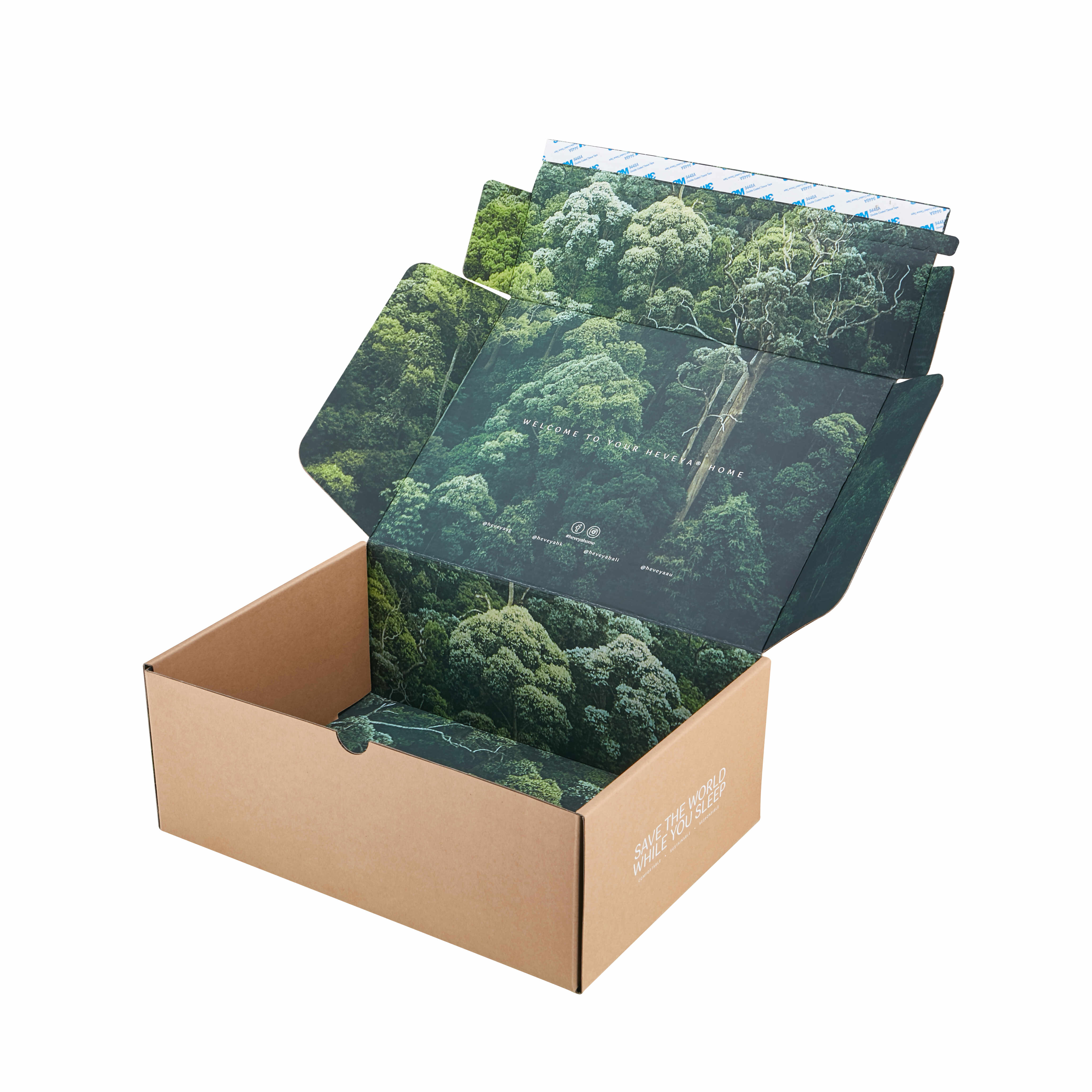
The packaging industry is undergoing a revolutionary transformation as businesses worldwide embrace sustainable alternatives to traditional packaging materials. Companies are increasingly prioritizing eco-friendly solutions that minimize environmental impact while maintaining product protection and brand appeal. This shift toward sustainability has sparked remarkable innovations in packaging design, materials science, and manufacturing processes that are reshaping how products reach consumers across various industries.
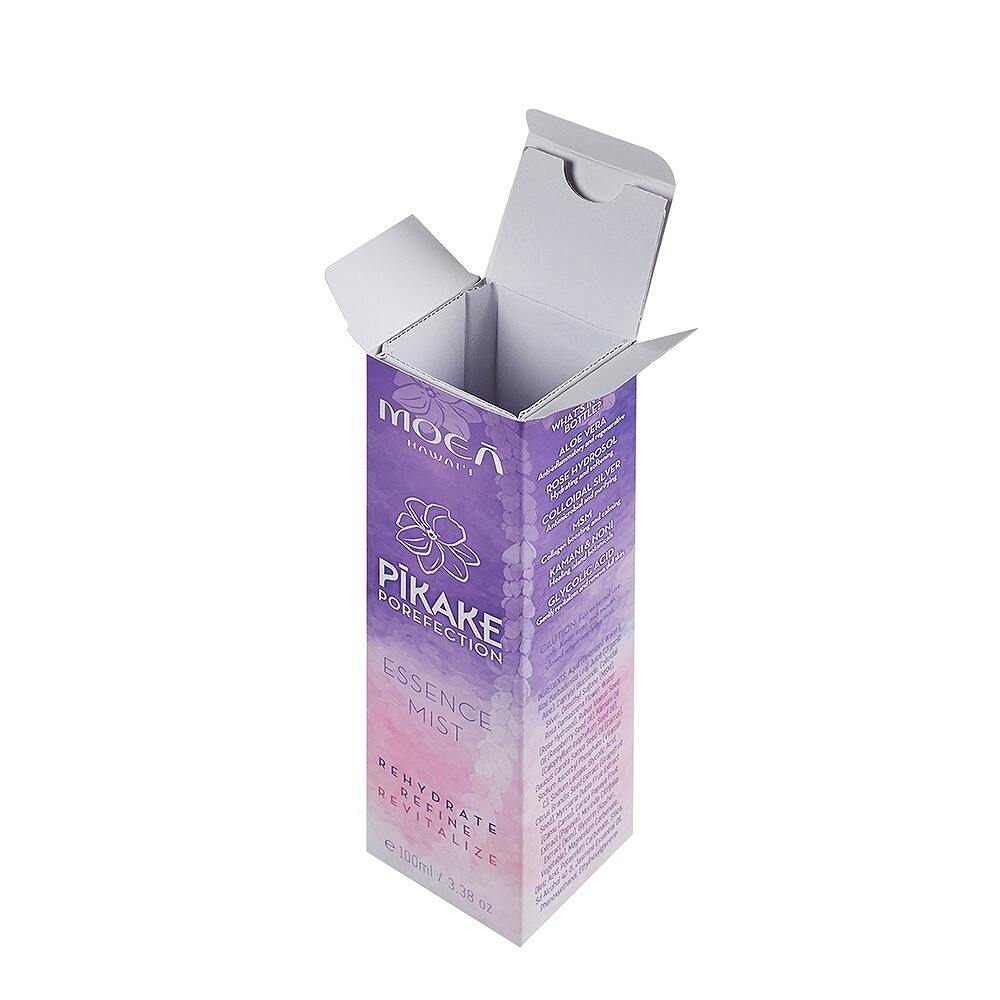
Modern eco-friendly packaging encompasses a broad spectrum of materials and technologies designed to reduce waste, lower carbon footprints, and support circular economy principles. From biodegradable plastics derived from plant-based sources to innovative shipping boxes made from recycled content, manufacturers are developing solutions that address both environmental concerns and practical business needs. These advancements represent significant progress in creating packaging systems that protect products effectively while supporting long-term environmental sustainability goals.
The demand for sustainable packaging solutions continues to grow rapidly as consumers become more environmentally conscious and regulatory frameworks increasingly favor eco-friendly alternatives. This market evolution has created unprecedented opportunities for innovation, driving research and development efforts that focus on creating packaging materials with enhanced functionality, reduced environmental impact, and improved cost-effectiveness. The resulting innovations are transforming traditional packaging approaches across multiple sectors.
Revolutionary Biodegradable Materials
Plant-Based Plastic Alternatives
One of the most significant breakthroughs in sustainable packaging involves the development of biodegradable materials derived from renewable plant sources. These innovative materials offer comparable performance to traditional plastics while breaking down naturally in appropriate composting environments. Manufacturers are creating packaging films, containers, and protective materials using corn starch, sugarcane bagasse, and other agricultural byproducts that would otherwise contribute to waste streams.
The performance characteristics of plant-based packaging materials have improved dramatically through advanced processing techniques and material engineering. Modern bioplastics can provide excellent barrier properties, moisture resistance, and durability comparable to conventional petroleum-based materials. This advancement enables businesses to adopt sustainable packaging solutions without compromising product protection or shelf life requirements.
Research institutions and packaging manufacturers continue developing new formulations that enhance the functionality of plant-based materials while reducing production costs. These efforts focus on improving processing efficiency, expanding application ranges, and creating materials that perform well across diverse environmental conditions and shipping requirements.
Seaweed and Algae-Based Solutions
Marine-derived packaging materials represent another frontier in sustainable packaging innovation, with seaweed and algae emerging as promising alternatives to traditional packaging substrates. These materials offer unique advantages including rapid renewability, minimal land use requirements, and natural biodegradability in marine environments. Seaweed-based films and coatings provide excellent barrier properties while supporting ocean health through sustainable harvesting practices.
The development of algae-based packaging materials involves sophisticated biotechnology processes that transform simple organisms into complex packaging substrates. These materials can be engineered to provide specific performance characteristics such as oxygen barriers, moisture protection, and antimicrobial properties that extend product freshness and safety. The scalability of algae production systems makes these materials increasingly viable for commercial applications.
Commercial applications of seaweed and algae-based packaging are expanding rapidly across food service, cosmetics, and pharmaceutical industries. These materials offer particular advantages for applications requiring water-soluble or edible packaging solutions, opening new possibilities for innovative packaging designs that eliminate waste entirely.
Advanced Recycling Technologies
Chemical Recycling Breakthroughs
Chemical recycling technologies are revolutionizing how packaging materials are processed and reused, enabling the transformation of complex packaging waste into high-quality raw materials for new packaging production. These advanced processes can handle mixed plastic waste streams that traditional mechanical recycling cannot process effectively, significantly expanding the range of materials that can be recovered and reused in packaging applications.
The implementation of chemical recycling systems allows manufacturers to create shipping boxes and other packaging products from previously non-recyclable materials. This technology breaks down plastic polymers into their molecular components, which can then be reformed into new packaging materials with properties identical to virgin materials. This circular approach dramatically reduces the need for new raw material extraction while diverting waste from landfills and incineration facilities.
Industry partnerships between packaging manufacturers, waste management companies, and technology providers are accelerating the deployment of chemical recycling infrastructure. These collaborative efforts are creating integrated supply chains that support the continuous flow of recycled materials back into packaging production, establishing sustainable closed-loop systems that benefit both environmental and economic objectives.
Mechanical Recycling Enhancements
Improvements in mechanical recycling processes are enabling higher quality output from traditional recycling systems, making recycled content more suitable for demanding packaging applications. Advanced sorting technologies, enhanced cleaning processes, and improved processing equipment are increasing the yield and quality of recycled materials available for packaging production.
Modern mechanical recycling facilities utilize artificial intelligence and machine learning systems to improve material sorting accuracy and efficiency. These technologies can identify and separate different packaging materials with unprecedented precision, resulting in cleaner recycled streams that produce higher-grade output materials. The improved quality of mechanically recycled content enables its use in applications previously reserved for virgin materials.
The integration of mechanical recycling enhancements with existing packaging manufacturing processes requires minimal infrastructure changes while delivering significant sustainability benefits. Manufacturers can incorporate higher percentages of recycled content into their shipping boxes and other packaging products without compromising performance or appearance, supporting circular economy goals while maintaining cost competitiveness.
Smart Packaging Integration
Internet of Things Connectivity
The convergence of sustainability and smart technology is creating intelligent packaging solutions that optimize resource usage while providing enhanced functionality throughout the product lifecycle. Internet of Things sensors embedded in eco-friendly packaging materials can monitor product conditions, track supply chain progress, and provide valuable data for optimizing packaging design and logistics efficiency.
Smart packaging technologies enable real-time monitoring of temperature, humidity, and other environmental factors that affect product quality during shipping and storage. This data allows companies to optimize their shipping boxes and packaging configurations for specific products and shipping routes, reducing over-packaging while ensuring adequate protection. The resulting efficiency improvements support both sustainability goals and cost reduction objectives.
The integration of smart sensors with biodegradable packaging materials presents unique engineering challenges and opportunities. Manufacturers are developing sensors and electronics that decompose harmlessly alongside packaging materials, ensuring that smart packaging solutions do not compromise environmental benefits. These innovations enable sophisticated tracking and monitoring capabilities without creating electronic waste.
Dynamic Material Properties
Emerging smart packaging materials can adapt their properties in response to environmental conditions or specific triggers, providing optimized protection while minimizing material usage. These responsive materials can change their barrier properties, structural strength, or other characteristics based on temperature, humidity, or time, allowing for more precise packaging solutions that use fewer resources while maintaining effectiveness.
Temperature-responsive packaging materials offer particular advantages for products requiring cold chain management or those sensitive to temperature fluctuations. These materials can provide enhanced insulation when needed while allowing for normal permeability under standard conditions, optimizing energy usage and material efficiency throughout the supply chain.
The development of dynamic packaging materials involves sophisticated material science and engineering approaches that create programmable responses to specific environmental conditions. These innovations enable packaging systems that automatically adjust their protective properties based on shipping conditions, storage environments, and product requirements, maximizing efficiency while minimizing waste.
Innovative Design Approaches
Minimalist Packaging Philosophies
Contemporary packaging design increasingly embraces minimalist approaches that reduce material usage while maintaining product protection and brand communication effectiveness. These design philosophies prioritize essential functions while eliminating unnecessary packaging components, resulting in more efficient use of resources and reduced environmental impact across the entire packaging lifecycle.
Minimalist packaging design requires careful analysis of product protection requirements, shipping conditions, and consumer needs to identify opportunities for material reduction without compromising functionality. Designers utilize advanced modeling and testing techniques to optimize shipping boxes and other packaging elements for maximum efficiency while maintaining structural integrity and protective capabilities.
The implementation of minimalist packaging approaches often reveals opportunities for significant cost savings alongside environmental benefits. Reduced material usage translates directly into lower material costs, shipping weight reductions, and improved storage efficiency throughout the supply chain. These economic advantages make minimalist packaging attractive from both sustainability and business performance perspectives.
Modular and Reusable Systems
Modular packaging systems enable flexible configurations that adapt to different product sizes and shipping requirements while supporting reuse and circular economy principles. These systems utilize standardized components that can be combined in various configurations, reducing the need for custom packaging solutions while enabling efficient reuse across multiple shipping cycles.
The development of reusable packaging systems requires durable materials and robust design approaches that can withstand multiple use cycles while maintaining protective performance. Advanced materials and engineering techniques enable the creation of shipping boxes and containers that provide excellent protection while supporting dozens of reuse cycles before requiring recycling or disposal.
Implementation of modular and reusable packaging systems often involves collaboration between manufacturers, retailers, and logistics providers to establish efficient collection and redistribution networks. These systems require careful planning and coordination to ensure that reusable packaging components are efficiently returned and redeployed, maximizing the environmental and economic benefits of the circular approach.
Sustainable Manufacturing Processes
Renewable Energy Integration
Packaging manufacturers are increasingly integrating renewable energy sources into their production processes to reduce the carbon footprint of packaging manufacturing. Solar, wind, and other renewable energy systems are being deployed at packaging production facilities to power manufacturing equipment, reduce greenhouse gas emissions, and support overall sustainability objectives.
The transition to renewable energy in packaging manufacturing involves significant infrastructure investments and operational changes that deliver long-term environmental and economic benefits. Manufacturing facilities powered by renewable energy can produce shipping boxes and other packaging products with dramatically reduced carbon footprints, supporting customer sustainability goals while reducing operating costs over time.
Energy storage systems and smart grid technologies enable packaging manufacturers to optimize their renewable energy utilization while maintaining consistent production capacity. These technologies allow facilities to store excess renewable energy during peak generation periods and utilize stored energy during high-demand periods, maximizing the effectiveness of renewable energy investments.
Water Conservation Technologies
Advanced water management systems in packaging manufacturing facilities are reducing water consumption and improving wastewater treatment to minimize environmental impact. Closed-loop water systems, advanced filtration technologies, and water recycling processes enable manufacturers to significantly reduce their water usage while maintaining high production quality standards.
The implementation of water conservation technologies involves comprehensive analysis of manufacturing processes to identify opportunities for water reuse and recycling. Modern packaging production facilities can achieve dramatic reductions in freshwater consumption through the deployment of advanced treatment and recycling systems that enable multiple reuse cycles for process water.
Water conservation efforts in packaging manufacturing support broader environmental stewardship goals while reducing operational costs and regulatory compliance requirements. These systems demonstrate the potential for industrial processes to minimize their environmental impact through the application of advanced technologies and systematic process optimization approaches.
FAQ
What are the main benefits of switching to eco-friendly packaging materials
Eco-friendly packaging materials offer numerous advantages including reduced environmental impact through biodegradability or recyclability, potential cost savings through material efficiency and waste reduction, enhanced brand reputation among environmentally conscious consumers, and compliance with increasingly stringent environmental regulations. Many sustainable packaging materials also provide excellent protective properties while supporting circular economy principles that benefit both businesses and the environment.
How do biodegradable shipping boxes compare to traditional cardboard in terms of performance
Modern biodegradable shipping boxes often match or exceed traditional cardboard performance in terms of structural strength, moisture resistance, and protective capabilities. Advanced biodegradable materials can provide superior barrier properties and durability while breaking down completely in appropriate composting environments. The key advantage lies in their end-of-life disposal options, which eliminate waste accumulation and support sustainable waste management practices.
What role does smart technology play in sustainable packaging solutions
Smart technology enhances sustainable packaging through real-time monitoring of product conditions, optimization of packaging materials usage, and improved supply chain efficiency. IoT sensors and intelligent materials can reduce over-packaging by providing precise data on protection requirements, while dynamic materials adapt their properties to minimize resource usage. These technologies support both sustainability goals and operational efficiency improvements.
How can businesses evaluate the cost-effectiveness of sustainable packaging alternatives
Businesses should consider total lifecycle costs including material expenses, manufacturing efficiency, shipping weight impacts, waste disposal savings, and potential premium pricing opportunities when evaluating sustainable packaging alternatives. Many eco-friendly options provide long-term cost advantages through reduced material usage, improved shipping efficiency, and enhanced brand value, even if initial material costs are higher than traditional alternatives.
Table of Contents
- Revolutionary Biodegradable Materials
- Advanced Recycling Technologies
- Smart Packaging Integration
- Innovative Design Approaches
- Sustainable Manufacturing Processes
-
FAQ
- What are the main benefits of switching to eco-friendly packaging materials
- How do biodegradable shipping boxes compare to traditional cardboard in terms of performance
- What role does smart technology play in sustainable packaging solutions
- How can businesses evaluate the cost-effectiveness of sustainable packaging alternatives
