
 EN
EN
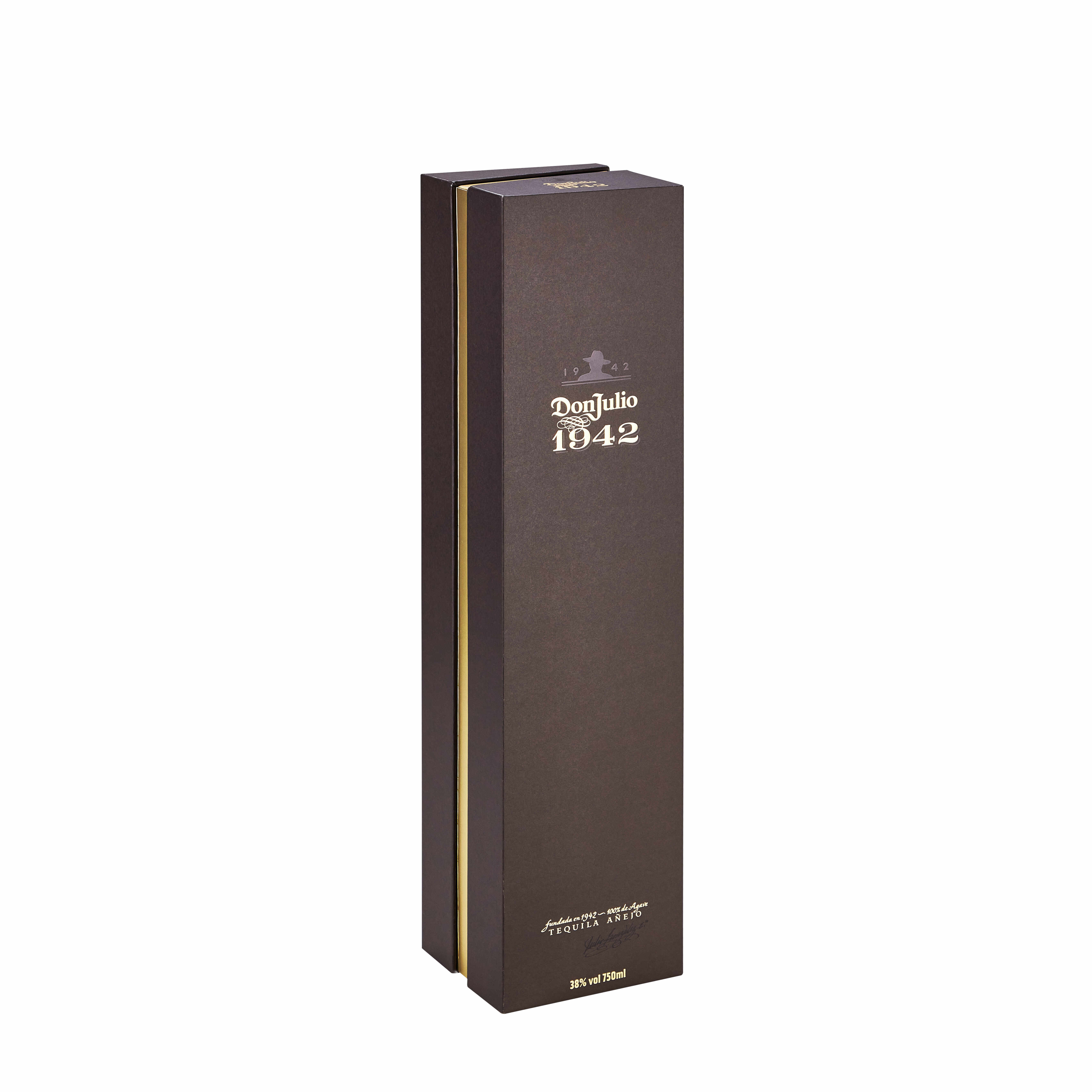
The visual appeal and design sophistication of a wine gift box can transform an ordinary bottle of wine into an extraordinary gift experience. Design elements that capture attention, convey premium quality, and reflect the thoughtfulness of the giver are essential for making any wine gift box memorable. From structural innovation to visual aesthetics, understanding which design features create the most impact helps both gift-givers and manufacturers create packages that truly stand out in competitive retail environments and personal gifting scenarios.

Successful wine gift box designs combine functional excellence with aesthetic distinction, creating packaging that serves as both protective housing and gift presentation. The most effective designs balance multiple factors including visual hierarchy, material selection, structural integrity, and brand storytelling to create packaging that enhances perceived value and creates lasting impressions. These design principles work together to ensure that the wine gift box becomes an integral part of the gifting experience rather than simply a functional container.
Structural Design Elements That Create Visual Impact
Innovative Opening Mechanisms
The way a wine gift box opens sets the tone for the entire unboxing experience and creates immediate differentiation from standard packaging approaches. Magnetic closure systems provide smooth, satisfying opening actions while maintaining secure closure during transport and storage. These mechanisms create a sense of luxury and precision that elevates the perceived value of both the packaging and its contents.
Sliding drawer configurations offer another sophisticated opening experience, allowing recipients to gradually reveal the wine bottle in a way that builds anticipation and excitement. This structural approach works particularly well for wine gift box designs that incorporate multiple compartments for accessories like wine tools, tasting notes, or complementary items.
Hinged lid designs with soft-close mechanisms provide controlled opening speeds that enhance the premium feel of the packaging. When combined with interior design elements like custom foam inserts or fabric lining, these structural features create cohesive experiences that reflect careful attention to detail and quality craftsmanship.
Multi-Compartment Configurations
Wine gift box designs that incorporate multiple compartments create opportunities for enhanced functionality and visual interest through varied spatial arrangements. Dedicated sections for wine accessories like corkscrews, aerators, or tasting cups transform basic wine packaging into comprehensive gift sets that provide additional value and utility to recipients.
Adjustable compartment systems allow wine gift box designs to accommodate different bottle sizes and shapes while maintaining optimal fit and protection. These flexible configurations enable manufacturers to create versatile packaging solutions that work across various wine types and bottle formats without requiring separate packaging development for each product variation.
Layered compartment designs create visual depth and complexity that encourages exploration and discovery during the unboxing process. These structural arrangements work particularly well when combined with contrasting materials or colors that define different functional areas within the wine gift box layout.
Visual Design Features That Command Attention
Color Psychology and Palette Selection
Color choices in wine gift box design communicate specific emotional messages and brand associations that influence purchase decisions and gift-giving contexts. Deep, rich colors like burgundy, forest green, and navy blue convey traditional elegance and sophistication that align with premium wine positioning and formal gifting occasions.
Metallic accent colors including gold, silver, and copper create visual focal points that catch light and draw attention in retail environments. These accent colors work effectively when applied to design elements like logos, text, or decorative patterns that enhance the overall visual hierarchy of the wine gift box design.
Contemporary color approaches using unexpected combinations or gradient effects can differentiate wine gift box designs in markets saturated with traditional packaging aesthetics. These modern color strategies work particularly well for wine brands targeting younger demographics or special occasion markets where visual innovation creates competitive advantages.
Typography and Information Hierarchy
Typography selection and arrangement in wine gift box design establishes brand personality while ensuring critical information remains clearly readable across various viewing distances and lighting conditions. Custom letterforms or carefully selected typeface combinations create distinctive brand recognition that helps wine gift box designs stand out among competing products.
Information hierarchy through typography sizing, spacing, and positioning guides recipient attention to the most important design elements while maintaining overall visual balance. Effective wine gift box designs use typography to create reading paths that naturally flow from brand identification to product information to emotional messaging.
Embossed or debossed typography adds tactile dimension to wine gift box designs while creating subtle shadows and highlights that enhance visual interest. These dimensional typography treatments work particularly well for brand names, vintage dates, or special occasion messaging that benefits from elevated visual prominence.
Material Selection and Surface Treatments
Premium Substrate Choices
The foundation material of a wine gift box significantly impacts both structural performance and visual perception, making substrate selection a critical design decision. Rigid cardboard constructions provide excellent structural integrity while offering smooth surfaces ideal for high-quality printing and finishing applications that enhance overall design execution.
Wood veneer laminates combine natural material aesthetics with practical packaging functionality, creating wine gift box designs that communicate artisanal quality and environmental consciousness. These materials work particularly well for wine brands emphasizing traditional winemaking methods or sustainable production practices.
Textured paper substrates including linen, canvas, or specialty finishes add tactile interest that engages recipients beyond visual appeal. These surface textures create wine gift box designs that feel substantial and premium while providing distinctive sensory experiences that enhance brand memorability.
Surface Finishing Techniques
Foil stamping applications in gold, silver, or colored foils create brilliant highlights that capture and reflect light, making wine gift box designs more noticeable in retail environments. These finishing techniques work effectively for logos, decorative borders, or accent elements that require maximum visual impact without overwhelming the overall design composition.
UV spot coating applications create selective gloss contrasts against matte surfaces, allowing wine gift box designers to highlight specific areas while maintaining sophisticated overall aesthetics. This finishing approach works particularly well for creating visual emphasis on brand elements or decorative patterns without requiring additional color printing.
Embossing and debossing techniques add dimensional quality to wine gift box surfaces while creating subtle shadow effects that enhance visual depth. These finishing methods work effectively for creating texture patterns, logo applications, or decorative elements that provide tactile engagement and premium positioning.
Functional Design Integration
Protection and Security Features
Effective wine gift box designs seamlessly integrate protective functions with visual appeal, ensuring that bottles remain secure during shipping and handling without compromising aesthetic goals. Custom-fitted foam inserts molded to specific bottle shapes provide optimal protection while creating clean, professional interior presentations that reflect quality and attention to detail.
Tamper-evident closure systems maintain product integrity while adding security features that build consumer confidence in wine gift box quality and authenticity. These functional elements can be designed to integrate visually with overall packaging aesthetics rather than appearing as afterthoughts or purely utilitarian additions.
Shock-absorbing construction techniques using multi-layer corrugated structures or specialized cushioning materials ensure wine gift box designs can withstand shipping stresses while maintaining their visual appeal throughout the distribution process. These protective features work most effectively when integrated into the structural design from the beginning rather than added as separate components.
User Experience Optimization
Intuitive wine gift box designs prioritize ease of use while maintaining sophisticated aesthetics, creating packaging that enhances rather than complicates the gift-giving experience. Clear visual cues for opening mechanisms, handling orientations, and contents organization help recipients navigate the package confidently without requiring instruction guides or complex procedures.
Ergonomic considerations including appropriate sizing for comfortable carrying, balanced weight distribution, and secure grip areas make wine gift box designs more user-friendly while supporting positive brand experiences. These functional elements work most effectively when integrated seamlessly with visual design elements rather than creating obvious utilitarian compromises.
Reusability features that allow wine gift box designs to serve secondary functions after initial use create extended brand exposure while providing additional value to recipients. These design approaches work particularly well for storage applications, decorative display purposes, or organizational uses that maintain brand visibility over extended periods.
Brand Storytelling Through Design
Cultural and Regional Influences
Wine gift box designs that incorporate authentic cultural or regional design elements create stronger emotional connections with recipients while differentiating products in competitive markets. Traditional pattern motifs, historical references, or geographic symbols can communicate heritage and authenticity when applied thoughtfully and respectfully to packaging design.
Artistic collaborations with local artists, designers, or cultural institutions create unique wine gift box designs that tell specific stories while supporting community connections. These partnership approaches often result in limited-edition packaging that generates collector interest and premium pricing opportunities for wine brands.
Seasonal or occasion-specific design variations allow wine gift box concepts to adapt to different cultural celebrations, holidays, or gift-giving traditions while maintaining core brand identity. These adaptive design approaches create relevance across diverse market segments and purchasing motivations.
Sustainability Communication
Environmental responsibility messaging integrated into wine gift box design appeals to increasingly eco-conscious consumers while differentiating brands through authentic sustainability commitments. Visible design elements that communicate recyclable materials, renewable resources, or carbon-neutral production processes create positive brand associations without requiring separate marketing communications.
Minimalist design approaches that reduce material usage while maintaining premium aesthetics demonstrate environmental consciousness through thoughtful resource management. These design strategies often create more sophisticated visual results while supporting sustainability goals and cost management objectives.
Educational design elements that inform recipients about proper disposal, recycling procedures, or environmental impact create opportunities for positive brand engagement while supporting broader environmental awareness goals. These informational design components work most effectively when integrated naturally with overall visual compositions rather than appearing as separate environmental messaging.
FAQ
What makes a wine gift box design more appealing than standard packaging?
A standout wine gift box design combines premium materials, innovative structural features, and thoughtful visual elements that transform the packaging into part of the gift experience itself. Key factors include sophisticated opening mechanisms like magnetic closures, high-quality surface treatments such as foil stamping or embossing, and carefully selected color palettes that convey luxury and attention to detail. The most appealing designs also integrate functional benefits like custom-fitted protection and multi-compartment layouts that accommodate wine accessories.
How do color choices affect the perception of a wine gift box?
Color selection significantly influences how recipients perceive the quality, occasion appropriateness, and value of a wine gift box. Traditional deep colors like burgundy, forest green, and navy blue communicate classic elegance and premium positioning, making them ideal for formal gifts and luxury wine brands. Metallic accents in gold or silver add visual richness and catch light to create attention-grabbing effects in retail environments. Contemporary color approaches using unexpected combinations can differentiate products in crowded markets while appealing to younger demographics seeking unique design expressions.
What structural features make a wine gift box more functional and attractive?
The most effective structural features combine practical functionality with visual sophistication to enhance both protection and presentation. Magnetic closure systems provide smooth opening experiences while maintaining secure sealing during transport. Multi-compartment configurations allow for wine accessories like corkscrews or tasting cups while creating visual interest through varied spatial arrangements. Custom-fitted foam inserts ensure bottle protection while creating clean, professional interior presentations that reflect quality craftsmanship.
How can wine gift box designs communicate brand values effectively?
Successful wine gift box designs communicate brand values through consistent application of visual elements that reinforce brand personality and market positioning. Typography selection, color palette consistency, and material choices all contribute to brand storytelling while creating recognition and emotional connection. Incorporating cultural or regional design elements can communicate heritage and authenticity, while sustainability features like recyclable materials or minimal waste design approaches appeal to environmentally conscious consumers. The key is ensuring all design elements work together to support a cohesive brand narrative rather than competing for attention.
