 EN
EN  EN
EN  RU
RU  ES
ES  KO
KO  JA
JA  PT
PT  IT
IT  DE
DE  FR
FR  NL
NL 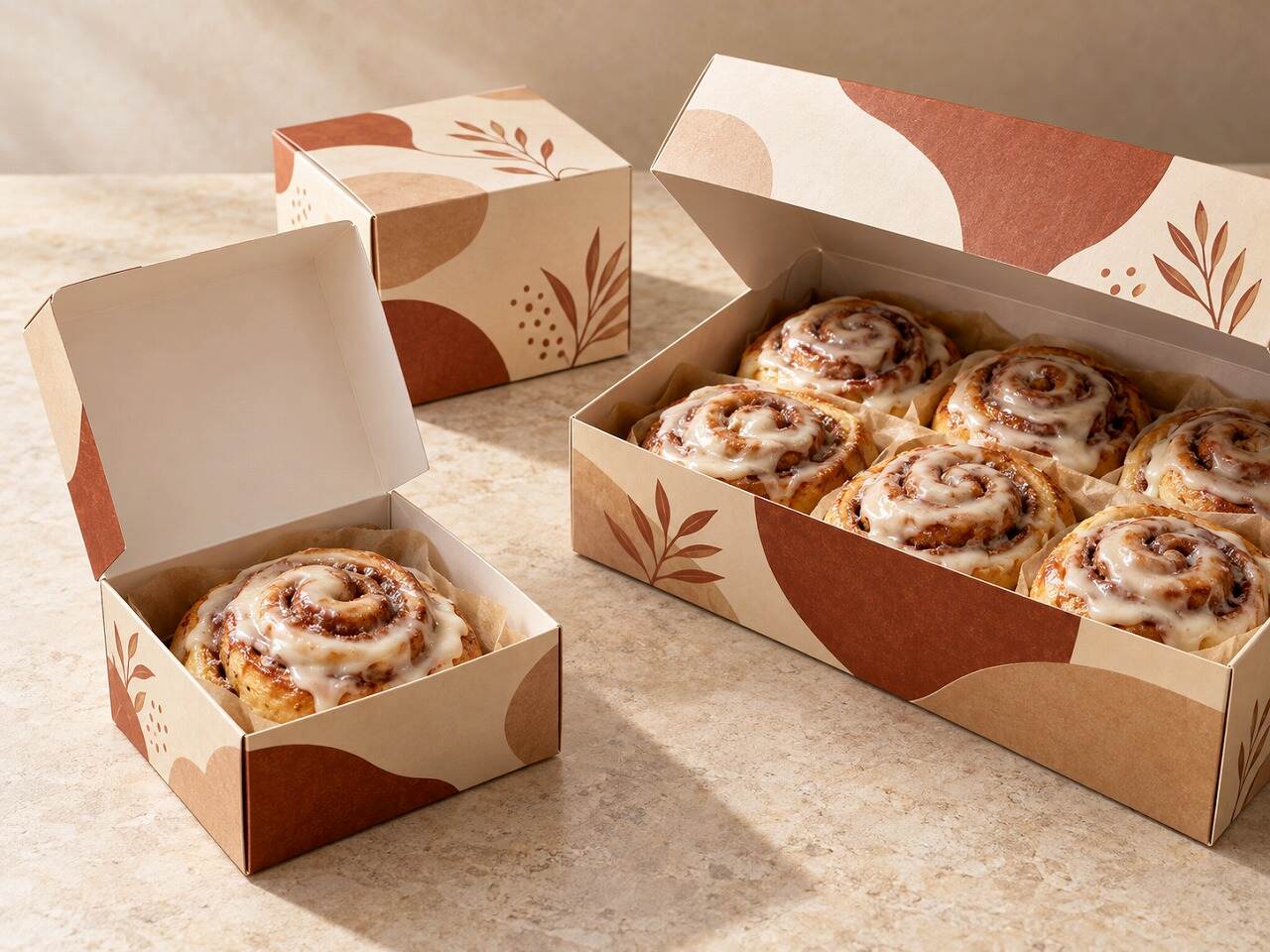
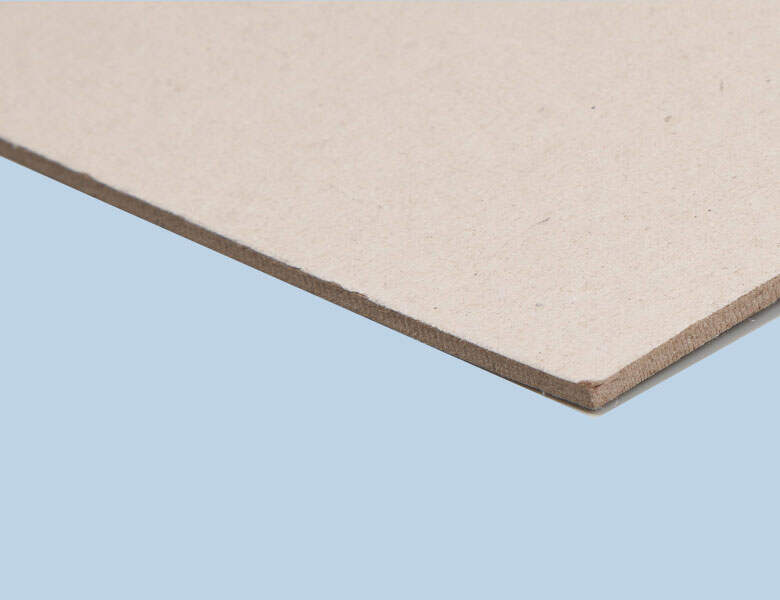
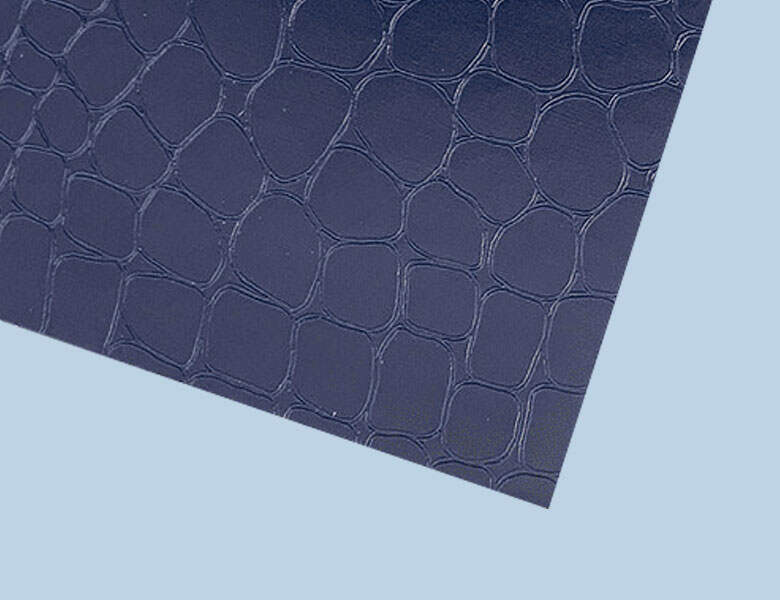
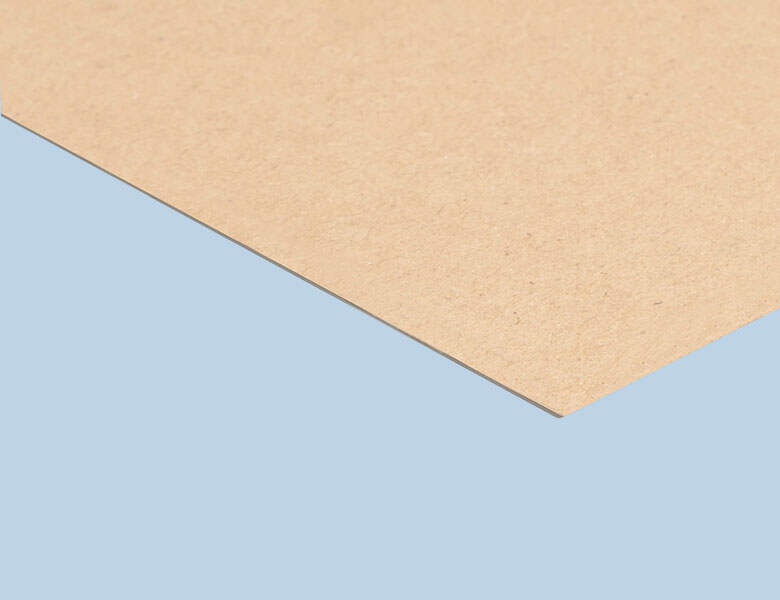
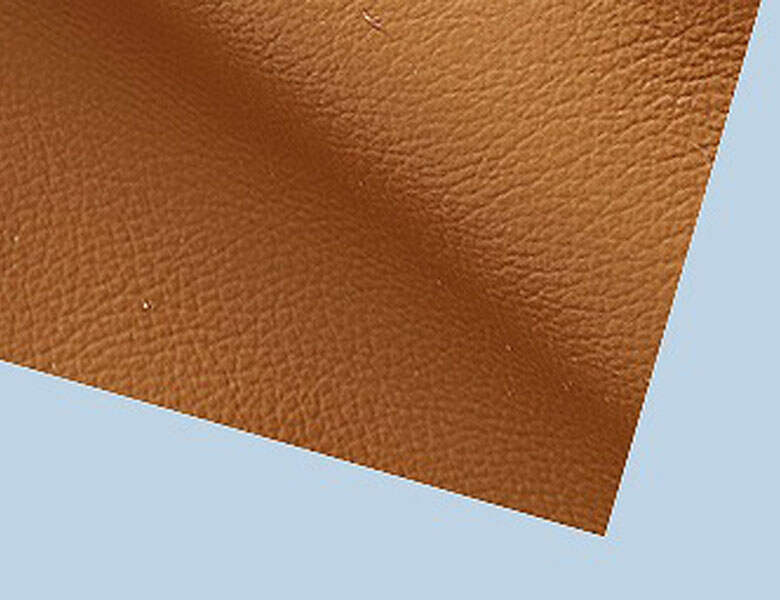
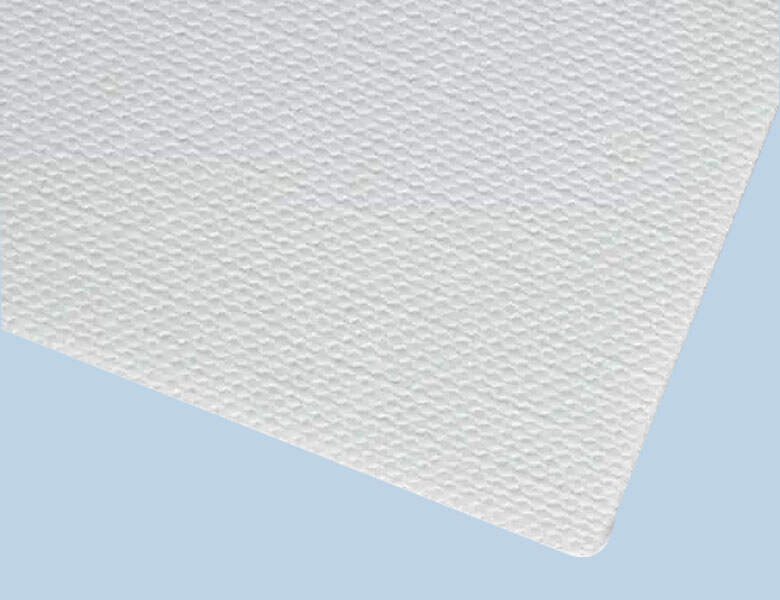
Grey Chipboard

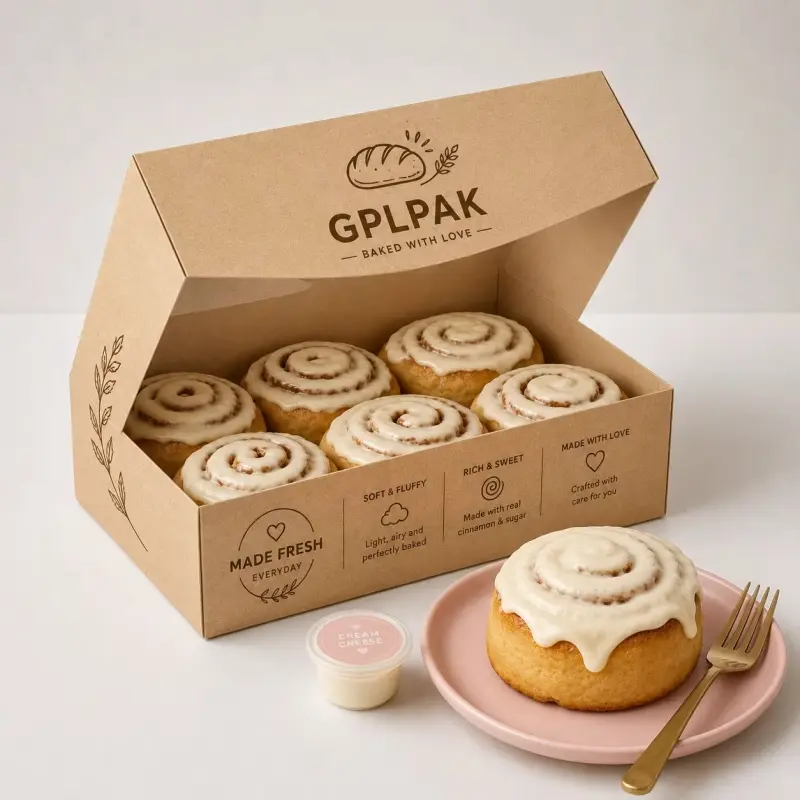
In brief: effective cinnamon roll packaging is sized from the finished, decorated pastry — not from a generic bakery-box chart. It must provide enough headspace for icing, support the loaded base, control grease or condensation according to the actual pack process, and remain quick for bakery staff to erect and close.
A cinnamon roll can be soft, warm, glazed, heavily frosted or sold chilled. Those conditions create different packaging requirements. A shallow stock pastry box may press into the topping, while an oversized box allows the roll to slide and mark the walls. A weak base can bow when several rolls are carried together, and an unsuitable barrier can allow butter or icing to stain the printed exterior.
For B2B buyers, the first decision is not color or logo size. It is the use case: counter pickup, delivery, catering, refrigerated retail or gifting. That decision controls the box style, board construction, closure, ventilation, liner and outer shipping requirement. Custom printing then turns the production-ready structure into a recognizable brand asset.
Fast erection, secure closure, stackable footprint and enough frosting clearance for handoff or short local transport.
Window placement, label and barcode zones, shelf orientation and a material system suited to the declared food-contact condition.
Stronger base support, controlled pack count and an outer transport system developed for the actual route and handling duration.
The best structure balances product protection, bakery packing speed, flat-storage efficiency and brand presentation. The comparison below is a decision guide; the final choice should be confirmed with the real pastry, liner or tray and intended pack-out process.
| Structure | Best use | Operational advantage | Point to validate |
|---|---|---|---|
| Tuck-top folding carton | Single or small multipack | Ships flat and offers broad printable panels | Closure strength and topping clearance |
| Auto-lock or crash-lock carton | Busy takeaway operations | Faster base setup and improved loaded-base support | Folding sequence and glue-joint performance |
| Microflute corrugated box | Delivery, catering or heavier multipacks | Greater stacking and edge-crush resistance than a light carton | Added shipping volume and print method |
| Lid-and-base presentation box | Gift sets and premium launches | Controlled reveal and strong branding surface | Use with an appropriate food-contact liner or tray; review freight cube |
A die-cut window can be added to several structures, but its size and position affect panel stiffness, stacking and label space. Confirm whether film is required, whether it can contact the product, and how the selected film, adhesive and paperboard fit the destination market's recovery system.
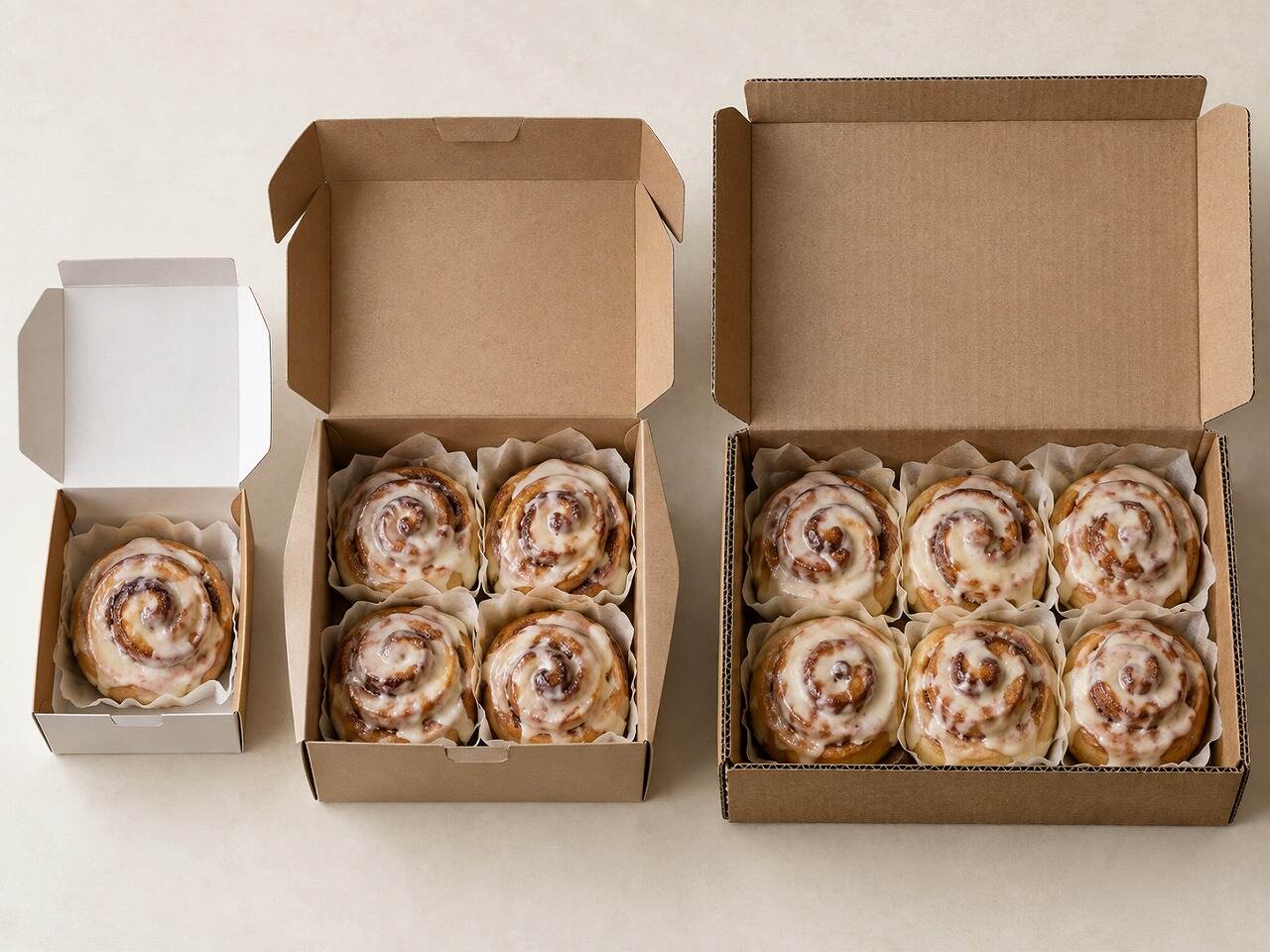
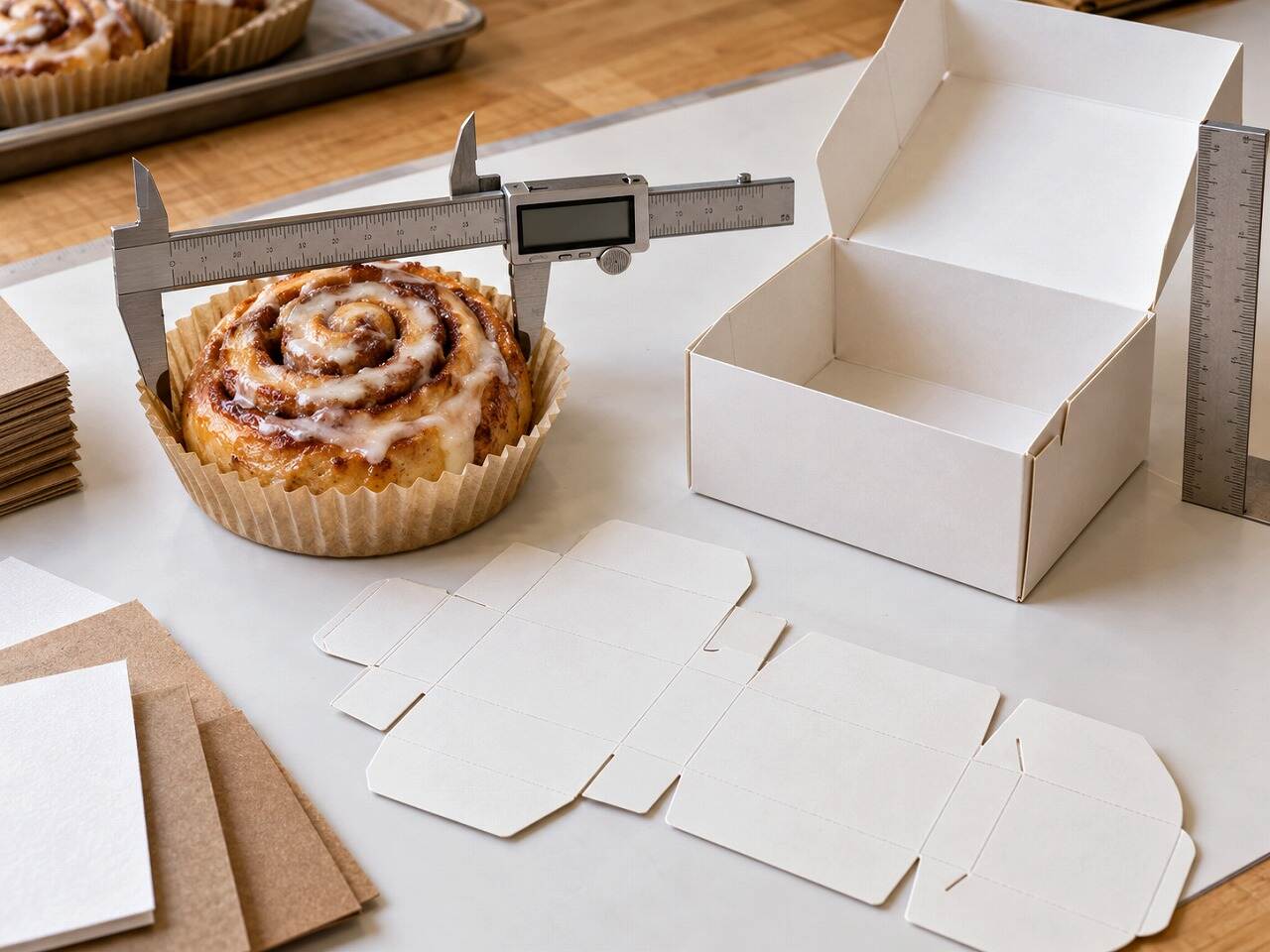
Specify the maximum finished diameter and height after baking, cooling and decorating. Include the tallest icing peak, toppings that can move, any paper cup or board, and the intended loading orientation. If several flavors share one box, measure the largest production-representative sample rather than the smallest design target.
Maximum roll diameter and finished height
Unit weight and number of rolls per box
Icing, glaze, butter and topping condition
Packing temperature and expected dwell time
Cup, liner, tray, divider or base-board dimensions
Counter pickup, refrigerated retail or delivery
Individual handling or stacked master-carton packing
Maximum stacking height and carry orientation
Target shelf life and storage conditions defined by the food producer
Destination market and documentation requirements
Headspace is not a universal number. It must prevent the lid from touching the finished topping while avoiding excessive movement. A structural sample packed with real rolls is the most reliable way to judge clearance, removal and closing force. Warm-pack workflows also require process trials because venting can release steam but may change moisture loss, aroma retention and cooling behavior.
Material selection should start with the contact condition. A roll placed directly against the box creates a different requirement from a roll contained in a separately qualified cup, liner or tray. The finished article may include board, coating, ink, varnish, adhesive, window film and insert materials. Each component relevant to food contact must be suitable for its intended use, temperature, food type and destination market.
Smooth print surface for detailed graphics. Confirm grade, caliper, barrier and contact status for the declared use.
Natural visual character with different color reproduction from white board. Grease resistance still depends on the specified material system.
Useful where multipack weight, delivery handling or stacking requires more structural support.
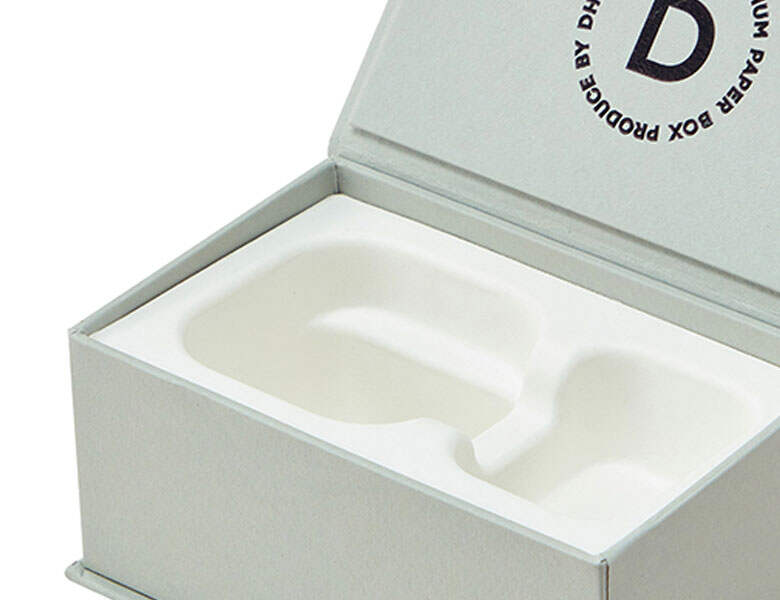
Can separate the pastry from the branded box, simplify cleanup and define the food-contact surface when correctly specified.
The FDA explains that food packaging components can include paperboard, coatings, colorants and adhesives, and that the regulatory status of the finished food-contact material depends on its component substances and intended use. The European Commission identifies Regulation (EC) No 1935/2004 as the general framework for food-contact materials in the EU.
FDA: determining regulatory status · European Commission: food-contact legislation
For U.S.-bound paper food packaging, request current documentation for any grease-resistant treatment. The FDA states that food-contact notifications for certain PFAS grease-proofing agents used on paper and paperboard are no longer effective following abandonment of those uses. Do not print “PFAS-free,” “food-safe” or similar claims until the exact material system and supporting documents have been reviewed for the intended application.
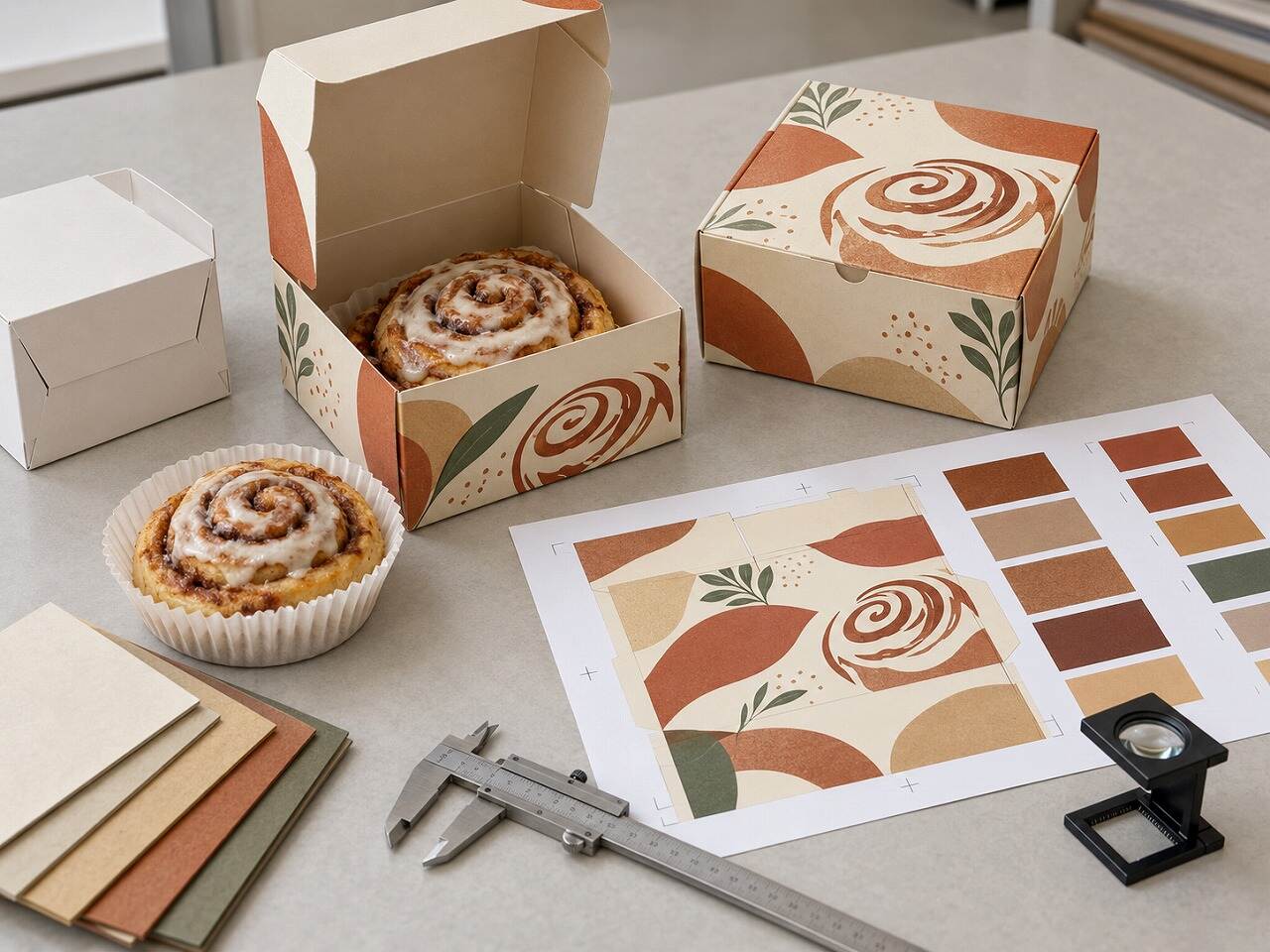
Custom cinnamon roll packaging must work both as a printed brand surface and as a converting structure. Artwork should be developed on the approved dieline, with critical text, barcodes and logos kept away from scores, glue flaps, cut edges and window openings. Interior printing should only be specified after the applicable food-contact condition has been reviewed.
| Option | What it contributes | Production check |
|---|---|---|
| CMYK process print | Photography, gradients and multi-color bakery graphics | Approved proof, image resolution and total ink coverage |
| Pantone spot color | Brand-critical solid colors | Physical color target, substrate effect and viewing condition |
| Protective varnish or coating | Helps manage scuffing and handling on printed exterior panels | Finish appearance, rub requirement and food-contact boundary |
| Die-cut window | Product visibility at counter or on shelf | Panel strength, film adhesion, fogging and label space |
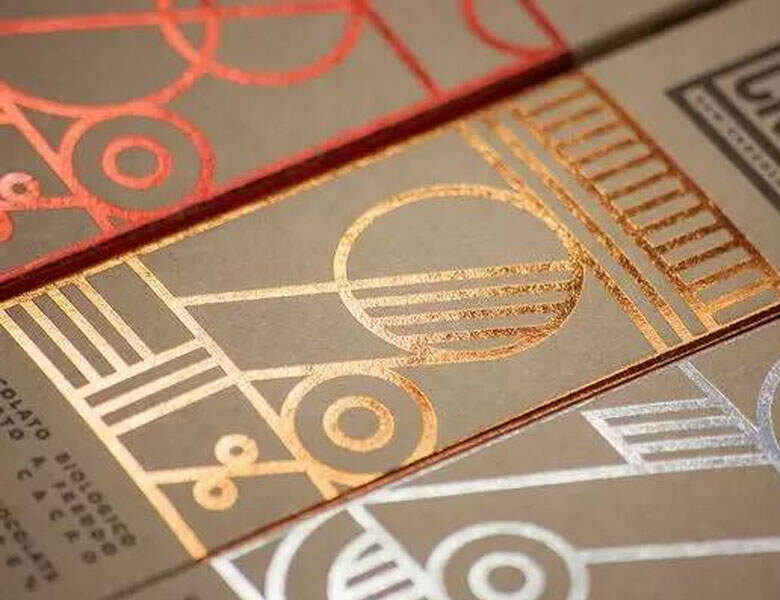
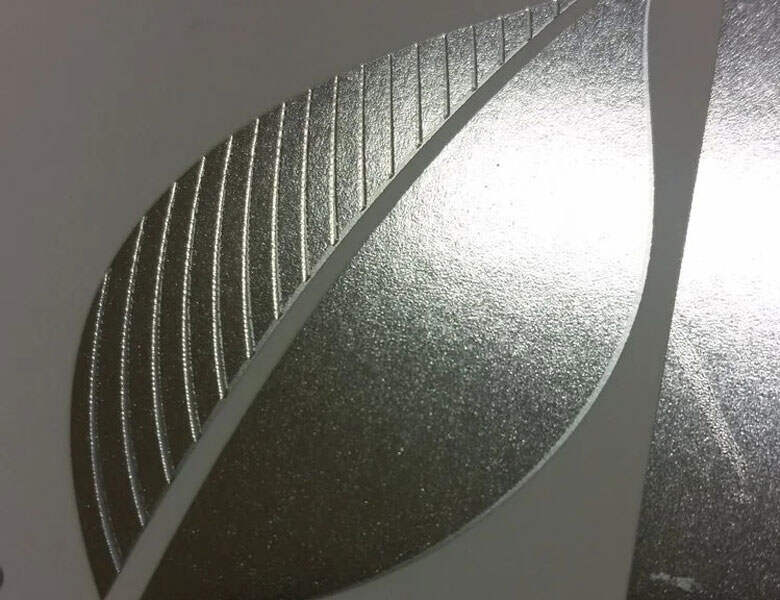
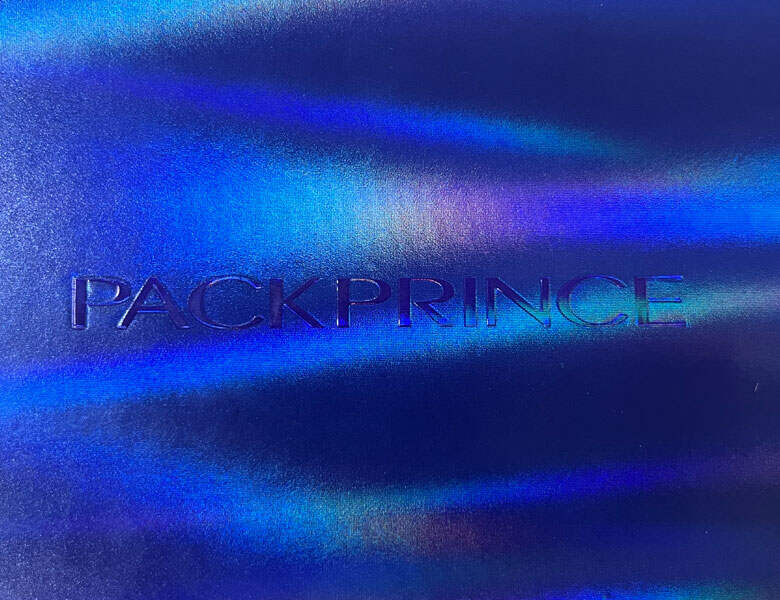
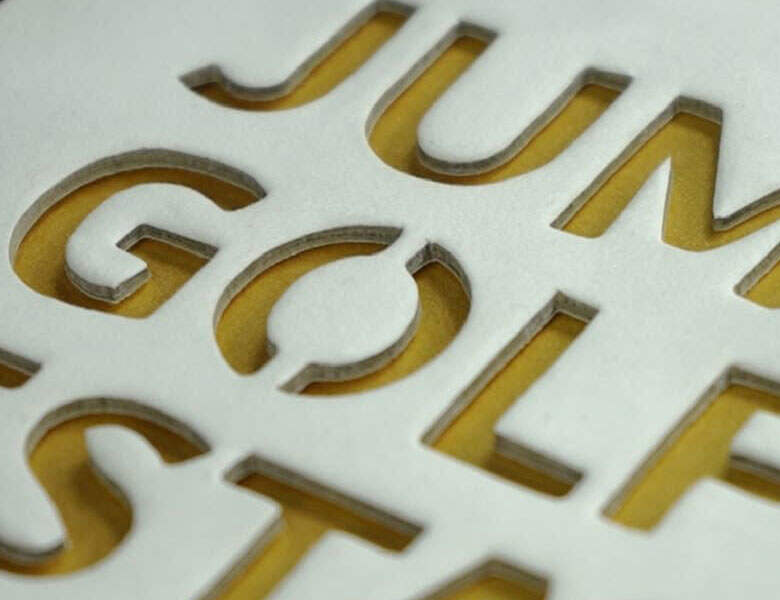
Foil, embossing and specialty finishes can support a premium launch, but they add process steps and may not belong near grease-prone or frequently handled areas. A clean printed design with reliable closure and consistent color usually provides more value than adding decoration before the basic pack performance is proven.
A rendered mockup can communicate appearance, but it cannot confirm fit, assembly speed, topping clearance, odor, grease resistance or closure behavior. Use samples in stages and record what each sample is intended to prove. GPLPAK's development sampling service supports plain and decorated sample review before mass production.
Pack real cinnamon rolls and check dimensions, topping clearance, loading, removal, closure and staff assembly sequence.
Confirm board, barrier or liner, color target, coating, window, copy, barcode and finish placement against the signed specification.
Define dimensional tolerances, print reference, glue and score quality, closure function, window adhesion, rub resistance and any agreed grease-resistance evaluation.
Color, registration, text accuracy, scuffing, exposed fibers, cracking at scores, window cleanliness and glue marks.
Erection, base support, closure, loaded stacking, pack-out orientation, headspace and compatibility with the specified liner or tray.
There is no responsible universal price or MOQ for a custom cinnamon roll box. Economic quantity depends on dimensions, board yield, structure, print process, barrier system, window or liner, number of SKUs, packing method and delivery destination. Quote the same specification at two or more quantity levels to see where setup and material efficiency change the unit cost.
| Cost driver | Why it matters | Buyer action |
|---|---|---|
| Finished dimensions | Affects sheet yield, board use and shipping cube | Approve the smallest functional size using real product |
| Structure and material | Changes converting steps, setup and assembly labor | Compare folding carton and microflute at identical pack requirements |
| Print and finishing | Adds plates, passes, tooling and inspection points | Prioritize brand-critical effects and simplify the rest |
| SKU count | Splits quantity across artworks and can repeat setup | Use shared structures and variable labels where appropriate |
A detailed RFQ reduces assumptions and makes supplier quotations comparable. If the structure is not yet fixed, GPLPAK's packaging consultation, product development and design validation pages outline the stages available before sampling.
Finished roll dimensions, weight and photos
Number of rolls and arrangement per box
Direct or indirect food-contact configuration
Packing temperature, storage and sales route
Preferred box style, window, liner or divider
Print-ready artwork or brand reference
Quantity by SKU and forecast volume
Required documentation and destination market
Unit packing, master carton and delivery term
Target approval date and requested delivery date
Send the finished roll dimensions, pack count, contact configuration, quantity, artwork status and destination. GPLPAK can review the structure, material, printing and sample route and prepare a project-specific quotation.
GPLPAK · Custom paper packaging manufacturer · Dongguan, China



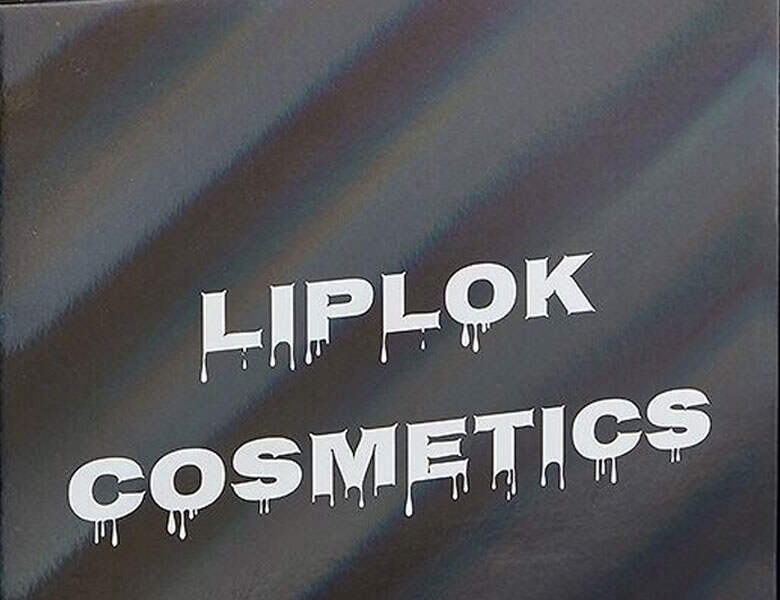
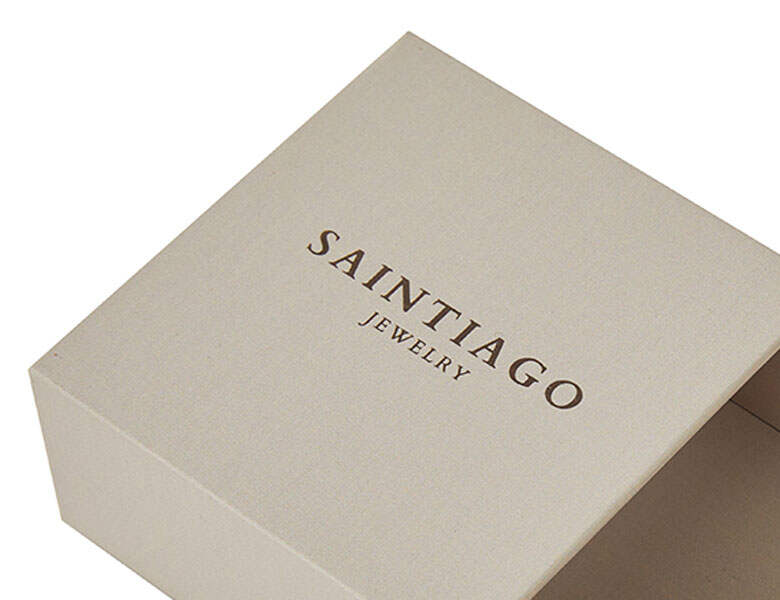
Process colors are based on the CMYK printing system, using layered dots of cyan, magenta, yellow, and black at varying densities to reproduce a full range of colors and smooth gradients.
In packaging production, CMYK printing is achieved through separate print towers, with each tower dedicated to one color. Together, the four towers work in sequence to accurately build the final image and color output.

Spot colors use pre-mixed inks that are printed directly, requiring only a single print tower. Because the color is predetermined, it ensures consistent results across different machines, suppliers, and production runs.
Unlike process colors, spot colors appear uniform even under close inspection, without visible CMYK dot patterns, delivering cleaner and more precise color reproduction.






A single platform to get quotes and place orders, with dedicated
support every step of the way.
Go to the gplpak platform to customize the size, materials, print, and finishes of your rigid boxes.
Compare packaging quotes and get a sample of your rigid box before starting a production order.
Choose a preferred shipping method and even set up split shipments to get some packaging delivered quicker.
Add your artwork to the dieline template that we tailor make to your box specifications.
Get full visibility on the progress of samples, production, and shipping.
Discover premium packaging solutions from Dongguan Xinglan Packaging Products Co., Ltd. Specializing in innovative, durable, and custom packaging products for diverse industries.
GPLPAK is committed to delivering manufacturing excellence.