Custom Octagonal Cosmetic Advent Calendar Box
주요 기능

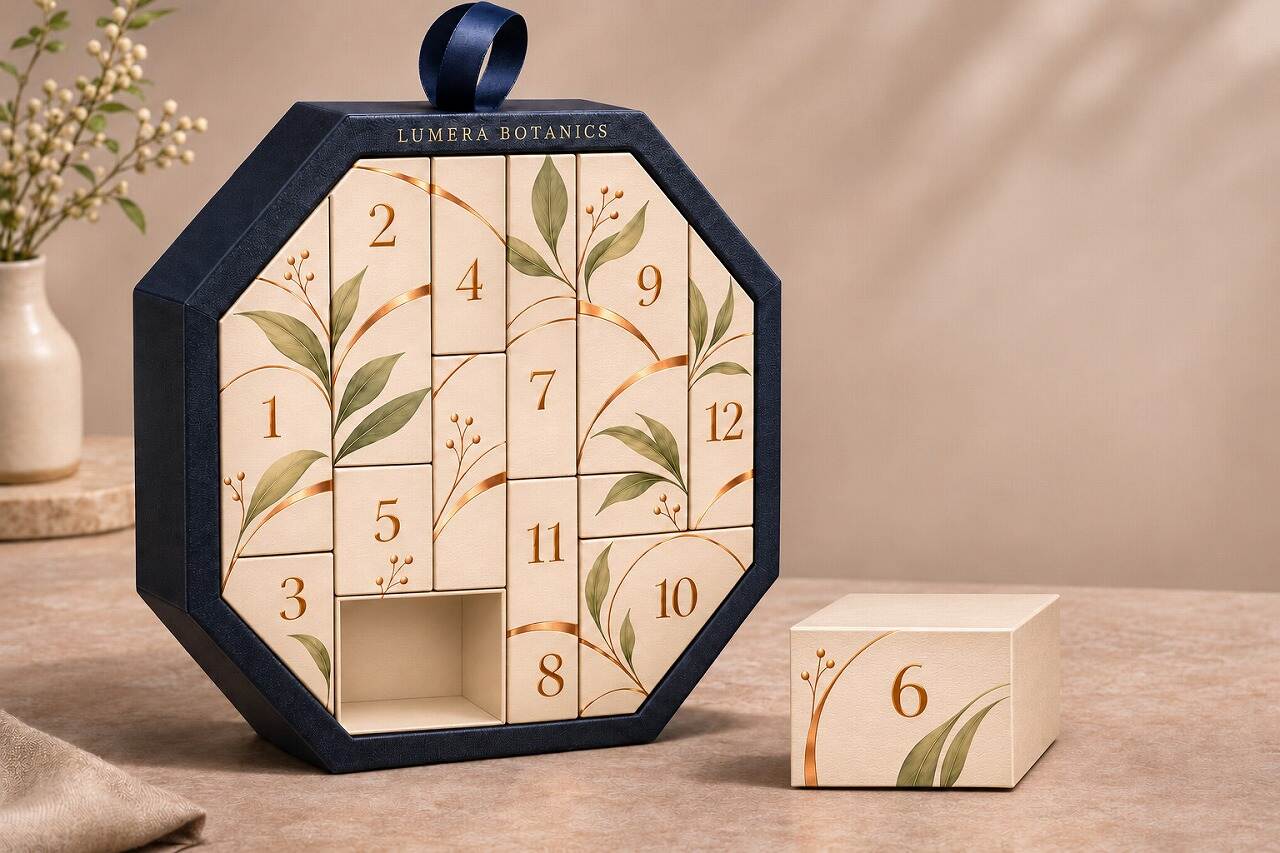
Transform a mixed beauty assortment into a precise 12-step reveal. This made-to-order format combines a rigid eight-sided presentation frame, a centered ribbon carry loop and tessellated removable folding-carton modules developed around the brand's sealed products.
Photorealistic derivative visualization using the fictional brand LUMERA BOTANICS. Final structure, dimensions, materials, load capacity, decoration and performance are project-specific.
What Is an Octagonal Cosmetic Advent Calendar Box?
아custom octagonal cosmetic advent calendar box is a rigid secondary presentation package shaped as a regular eight-sided case. Its front opening holds 12 individually numbered folding cartons, arranged as an interlocking visual composition and sized around the actual beauty assortment.
Unlike a conventional drawer calendar, the reveal unit is a removable paperboard carton. That difference changes the engineering: every module needs its own dieline, product-fit method, extraction clearance and number, while the frame and internal cellular support keep the complete mosaic aligned.
The Geometry Must Work After the Products Are Loaded
A striking silhouette only succeeds when the frame, modules, artwork and assortment remain controlled through sampling, filling and distribution.
Octagonal drift
Unequal side lengths, weak miter joints or wrap tension can make the perimeter look skewed and prevent the case from standing flat.
Module mismatch
A carton can bind, sink or rattle when its finished dimensions do not match its cell after printing, folding and filling.
Artwork discontinuity
A line crossing several cartons reveals every cutting, folding and placement tolerance; registration targets must be realistic.
Incorrect pack-out
Twelve SKUs, cartons and numbers require one controlled position map to prevent wrong-item or wrong-day errors.
Handle overloading
The ribbon and anchor must be reviewed against the complete filled weight and intended handling, not treated as decorative by assumption.
Shipping exposure
The presentation case is not automatically parcel-ready; finish and module retention depend on the protective outer pack.
Define What Every Packaging Component Must Do
Separate presentation, product retention, handling and distribution functions before selecting materials. One component should not be credited with performance that belongs to the complete pack-out.
| Component | Engineering role | Buyer confirmation |
|---|---|---|
| Octagonal perimeter case | Creates the geometric silhouette and supports the front module matrix | Finished width, height, depth, display orientation and allowable shipping cube |
| Cellular support grid | Locates each carton, maintains recess depth and separates neighboring loads | Product weights, retrieval direction, acceptable gap and module replacement behavior |
| Twelve carton modules | Provide individual reveals, branding surfaces and product-specific secondary packs | SKU map, opening sequence, insert requirement, legal copy and filling method |
| Ribbon loop and anchor | Delivers a visual handling cue and only the agreed lift function | Decorative-only, controlled lift or carry requirement and loaded validation condition |
| Protective shipping system | Reduces abrasion, impact and module movement outside the retail presentation role | Filling location, pallet or parcel route, master carton, orientation and test objective |
Design Each Carton Around Its Real Cosmetic Product
Begin with maximum dimensions and filled weight, not nominal catalog sizes. Caps, pumps, droppers, crimped tube ends and overcaps often define the usable envelope. Include the insertion direction, acceptable orientation and any surface that must not carry load.
The removable carton can use a folded paperboard platform, partition or another confirmed fitment to control movement. The opening sequence should let the user remove the product without tearing the carton, pulling against a fragile closure or disturbing neighboring modules.
Record maximum length, width, height and filled weight for all 12 SKUs.
Identify glass, pumps, sprayers, applicators and decorated faces that need protection.
Define the carton opening direction and finger clearance for removal.
Check the loaded module inside its final cell, not as a loose carton alone.

Derivative visualization showing a removable carton and paperboard fitment. Final carton construction and clearance depend on the supplied product.
Translate the Assortment into Controlled Inputs
A buyer-approved matrix reduces structural revisions and gives engineering, artwork, filling and inspection teams the same reference.
| Input | Buyer provides | Packaging decision |
|---|---|---|
| Product envelope | Maximum dimensions including closure and tolerance | Internal carton size, opening and fitment geometry |
| Filled weight | Actual filled product and primary-pack weight | Board grade, support location and position in the octagon |
| Sensitive areas | Glass, pump, nozzle, crimp, label or decorated surface | Non-load zones, spacing and retention surfaces |
| Reveal experience | Preferred day, orientation and opening sequence | Carton position, flap direction and removal clearance |
| Primary-pack samples | Production-intent samples or controlled drawings | Physical fit approval and loaded sample scope |

Control the Perimeter Frame, Panel Gaps and Cross-Module Artwork
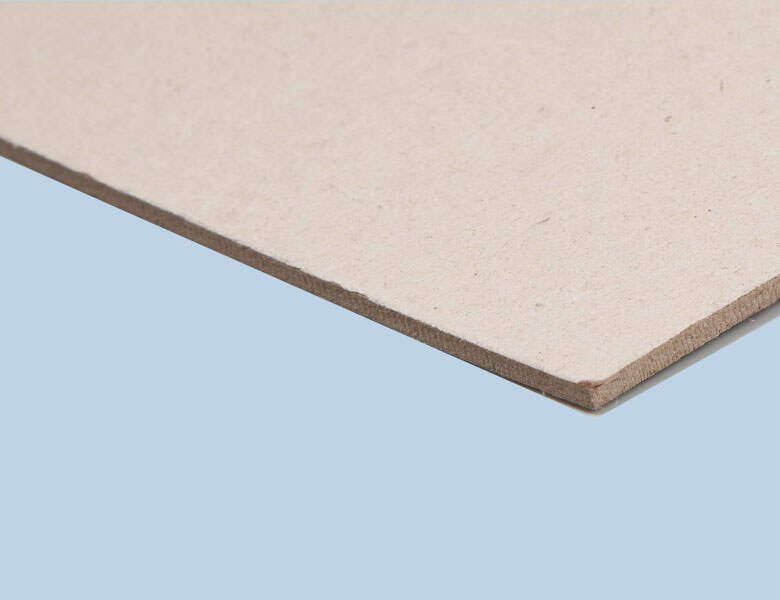
The octagonal perimeter is normally built from wrapped rigid board and must maintain equal sides, stable corner joints and a flat bearing edge. The internal cellular support grid locates the removable cartons and helps transfer load without crushing a product or exposing uneven recesses.
Continuous artwork across separate cartons creates a premium mosaic, but it is also tolerance-sensitive. Plan break lines through forgiving areas of the design and define acceptable print, die-cut, folding and placement variation at the decorated-sample stage.
Material and Decoration Decisions
Select each layer for its structural or visual contribution, then define how the finished sample will be approved.
| Element | Contribution | Approval focus |
|---|---|---|
| Rigid-board frame | Defines the octagonal silhouette and perimeter stiffness | Board grade, corner joints, flatness, symmetry and loaded stability |
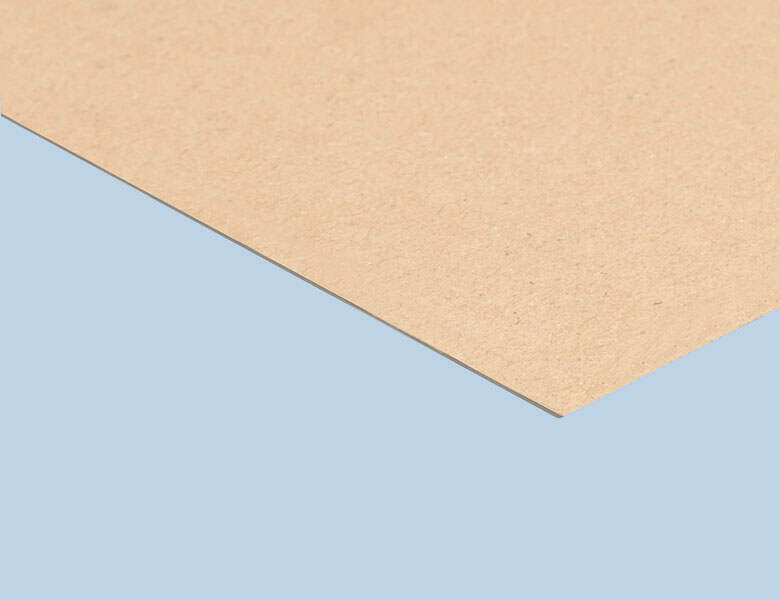
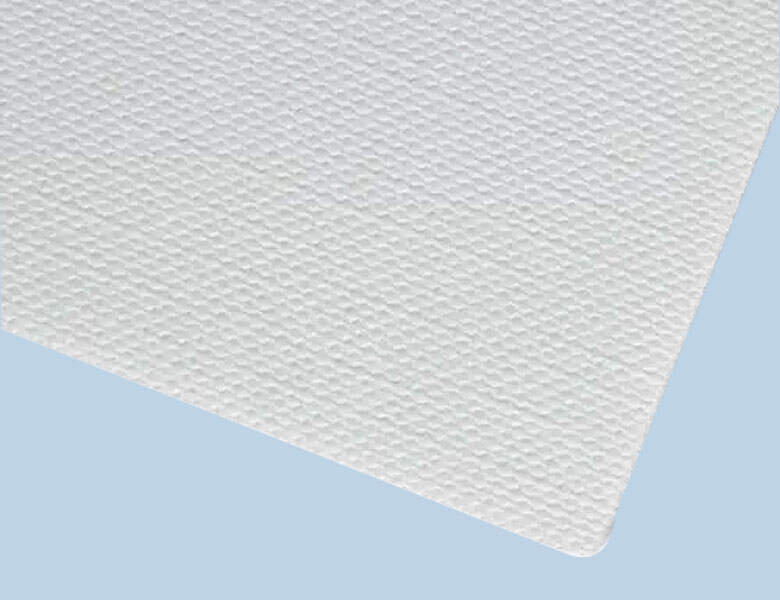
| Wrap paper | Carries color, texture and the close-range luxury impression | Grain direction, corner relief, seams, rub resistance and color target |
| Module paperboard | Forms the 12 removable cartons and protects sealed primary packs | Creasing, folding, bulge, flap retention and dimensional repeatability |
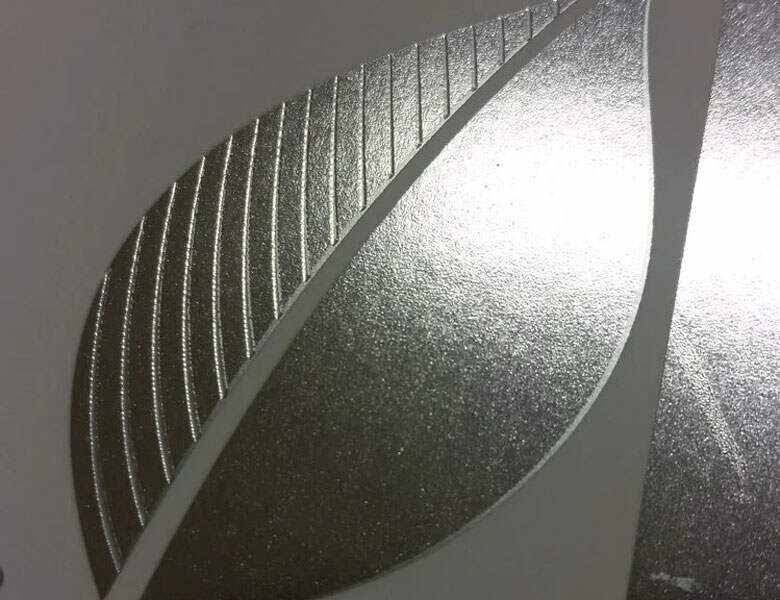
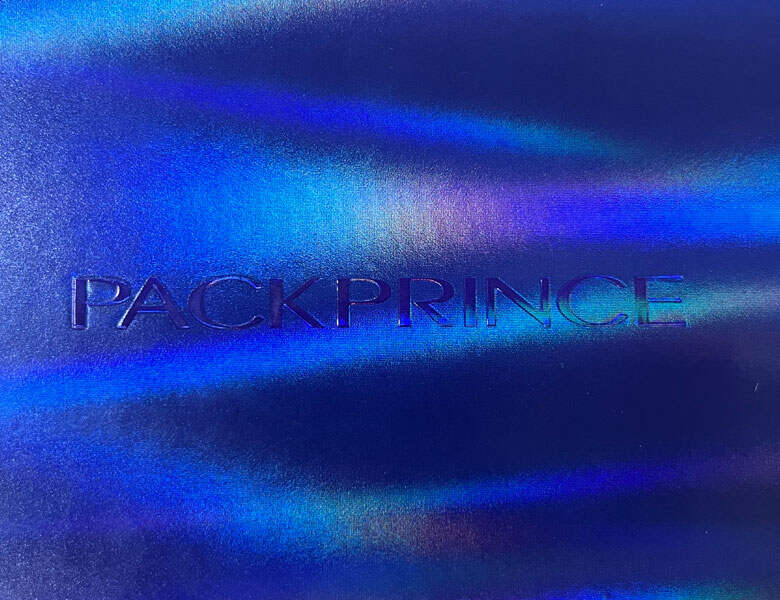
| Print and foil | Creates numbering, brand story and cross-module visual continuity | Color, foil shade, registration, cracking and approved tolerances |
| Ribbon loop | Supports presentation and defined handling behavior | Material, anchor, length, fraying and agreed loaded-use condition |
| Protective outer pack | Controls abrasion, movement and distribution exposure | Filled pack-out, orientation, cushioning, master carton and route |
Treat the 12 Cartons as One Visual System
Create one master position map before separating artwork into individual dielines. Keep critical logos, fine rules and small legal text away from module edges, folds and expected tolerance zones. Number legibility should remain clear even when decorative graphics continue across several faces.
Every market-language or assortment change can create a new artwork set. Version-control the master mosaic, all 12 cartons and the packing map together so that a late SKU change does not introduce a mismatched face.
Specify What the Ribbon Handle Is Expected to Do
A ribbon loop can support presentation, controlled retail handling or a defined lift condition, but its capability cannot be assumed from appearance. Filled weight, anchor area, board construction and repeated handling all affect the result.
State whether the loop is decorative, intended for consumer carry, or used only to remove the calendar from a protective carton. Validate the agreed use on a complete loaded sample and preserve the approved anchor construction in production.

Approve the Structure, Decoration and Loaded Pack in Stages
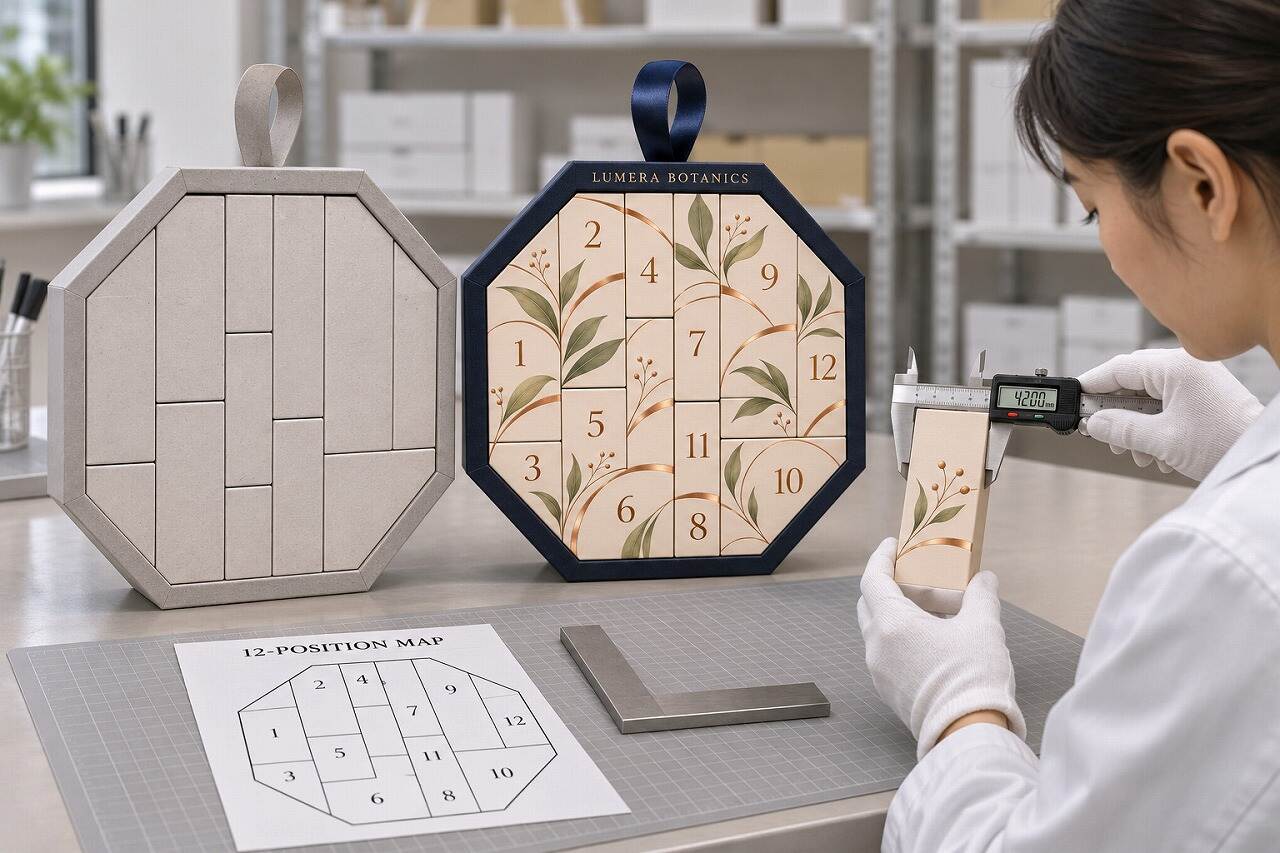
Structural drawing: lock the octagonal envelope, depth, support grid and 12 carton cells.
Blank sample: confirm symmetry, flatness, module extraction and complete product fit.
Decorated sample: approve paper, print, foil, numbering, seams and artwork alignment.
Loaded pack-out: verify the position map, handle condition, outer protection and filling instruction.
Derivative visualization, not an actual inspection, certification or test record.
| Inspection area | Practical check | Typical issue to prevent |
|---|---|---|
| Perimeter geometry | Compare side lengths, diagonals, corner profiles and base contact | Skewed octagon, twisted frame or rocking base |
| Module action | Remove and replace every loaded carton in its assigned cell | Binding, excessive looseness, sinking or damaged flaps |
| Position control | Audit number, SKU, orientation and artwork version against the map | Missing item, duplicate number or wrong reveal sequence |
| Decoration | Compare color, foil and cross-module graphics under consistent light | Visible image jump, foil shift, scuff or color drift |
| Loaded handling | Apply only the approved lift and carry condition to a complete sample | Ribbon pull-out, frame distortion or module migration |
| Distribution pack | Evaluate the filled calendar with protective pack for the route | Abrasion, corner damage, product movement or carton release |
Use the Calendar for Sealed Primary Packs
The system can present sealed serum bottles, cream jars, cleanser tubes, lip products, fragrance minis, facial mists, sachets and beauty tools when each module is developed around the actual item.
It is secondary packaging. Formula compatibility, tamper evidence, leakage control, ingredient information and required market labeling remain responsibilities of the primary pack and the applicable product regime.
No unsupported direct-contact claim
Do not place loose cosmetic or fragrance formula against paper, ink, foil, coating or adhesive without separate compatibility and regulatory review.
No automatic parcel-ready claim
A premium presentation case and a distribution shipper solve different problems. Specify the protective outer pack and route-specific objectives.
No generic sustainability claim
Material composition, recycled content, certification and recyclability statements require documents for the actual project and destination.
Why MOQ, Price and Timing Are Project-Specific
A quotation depends on more than the external case size. The eight-sided rigid frame, twelve different carton dielines, internal support, artwork versions and filling method combine to determine tooling, material yield and assembly time.
GPLPAK can confirm project terms after reviewing the product list, structure, artwork, quantity, destination and required delivery window. Generic competitor figures are not used as GPLPAK commitments.
Send a Brief That Can Be Engineered
A complete request enables a meaningful structural review and a comparable quotation.
FAQ: Custom Octagonal Cosmetic Advent Calendar Boxes
Direct answers for beauty brands, packaging developers and sourcing teams.
What makes this an octagonal beauty advent calendar?
The defining structure is a regular eight-sided rigid presentation frame holding individually numbered reveal units. In this reference format, the reveal units are 12 removable folding cartons arranged as a fitted mosaic rather than conventional drawers.
Can every carton module have a different size?
Yes, within the finished case envelope and structural clearances. Provide the maximum dimensions, filled weight, sensitive areas and orientation of every product so each dieline and its support cell can be developed around the real item.
How do removable cartons differ from drawer compartments?
A removable carton is an independent folding package with flaps and its own product fitment. It is lifted from the front matrix and then opened. A drawer slides within a sleeve or carcass. The two systems require different clearances, artwork and filling instructions.
Can the top ribbon loop carry the fully loaded calendar?
Only when that use is defined and validated for the project. Filled weight, ribbon specification, anchor construction and repeated handling affect performance. Confirm whether the loop is decorative, for controlled lifting or for consumer carry before sampling.
Can artwork continue across all 12 cartons?
Yes, but the design should accommodate print, die-cut, folding and placement tolerances. Use one master mosaic and keep critical details away from module edges. Approve alignment limits on a decorated sample before production.
Can the cartons hold skincare and makeup products directly?
They can hold sealed primary packs such as bottles, jars, tubes and lip products. Loose formula should not contact the paper packaging without separate compatibility and regulatory evaluation. Supply representative filled products for fit review.
Can the octagonal case be supplied flat?
A wrapped rigid perimeter case is normally supplied assembled to preserve geometry. Folding cartons may have different assembly and filling options. If freight efficiency is critical, alternative structures can be assessed, but they require separate development and approval.
What determines MOQ, price and lead time?
Key variables include size, board and paper, twelve dielines, support grid, handle, print and foil coverage, artwork versions, quantity, sampling, assembly, filling and seasonal capacity. GPLPAK confirms terms after reviewing the complete brief.

Request an Octagonal Calendar Feasibility Review
Send the 12-product list, maximum dimensions, filled weights, preferred reveal sequence, artwork direction, quantity, destination and required date. GPLPAK can review the structure, sample scope, decoration and commercial inputs.
Discuss Your Custom PackagingRelated Packaging Development Resources
LUMERA BOTANICS is a fictional placeholder brand. All derivative images illustrate a design direction and do not represent a completed customer order, approved production specification, certification or transport-test result.
사용 가능한 옵션
재료


색깔
색상
프로세스 색상은 CMYK 인쇄 시스템을 기반으로 하며, 다양한 밀도에서 차이언, 마색색타, 노란색, 검은 색의 계층 점을 사용하여 색상과 부드러운 그래디언트의 전체 범위를 재생합니다.
포장 생산에서 CMYK 인쇄는 별도의 인쇄 타워를 통해 달성되며 각 타워는 하나의 색상에 전용 됩니다.함께, 네 개의 타워는 순서적으로 작동하여 최종 이미지와 색상 출력을 정확하게 구축합니다.
색상
스스스스스스스스스스스스스스스스스스스스스스스스스스스스스스스스스스스스스스스스스스스스스스스스스스스스스스스스스스스스색상은 사전 결정되어 있기 때문에 다양한 기계, 공급 업체 및 생산 실행에서 일관된 결과를 보장합니다.
프로세스 색상과 달리, 스공공트 색상은 가시할 수 있는 CMYK 점 패턴이 없는 가까운 검사하더라도 균일하게 표시되어 더 깨끗하고 더 정확한 색상 재생을 제공합니다.
표면 마무리


라미네이션


상자 삽입


주문 프로세스
견적을 얻고 주문을 할 수 있는 단일 플랫폼, 전용
모든 단계를 지원합니다.
사용자 정의
포장
gplpak 플랫폼으로 가서 단단한 상자의 크기, 재료, 인쇄 및 마무리를 사용자 정의 하십시오.
견적을 얻으십시오 &
샘플
포장 견적을 비교하고 생산 주문을 시작하기 전에 단단한 상자의 샘플을 얻으십시오.
선택 배송
방법
선호하는 배송 방법을 선택하고 심지어 일부 포장을 더 빨리 배달하기 위해 분할 배송을 설정합니다.
아트워크 업로드
우리가 상자 사양에 맞게 만드는 디라인 템플릿에 아트워크를 추가하십시오.
순서 추적
진행
샘플, 생산 및 배송의 진행 상황에 대한 완전한 가시성을 얻으십시오.
다른 질문이 있습니까?
아직 다른 질문이 있습니까?
우리에게 메시지를 남기고 우리의 포장 팀은 2 시간 이내에 답변할 것입니다.