Все категории
GPLPAK-adv003

Custom Multi-Layer Drawer Cosmetic Advent Calendar Box_复制

Ключевые особенности

Пользовательский размер
7-дневный отбор проб
Свободный дизайн
Персонализированная
Дополнительные варианты
Цена по запросу
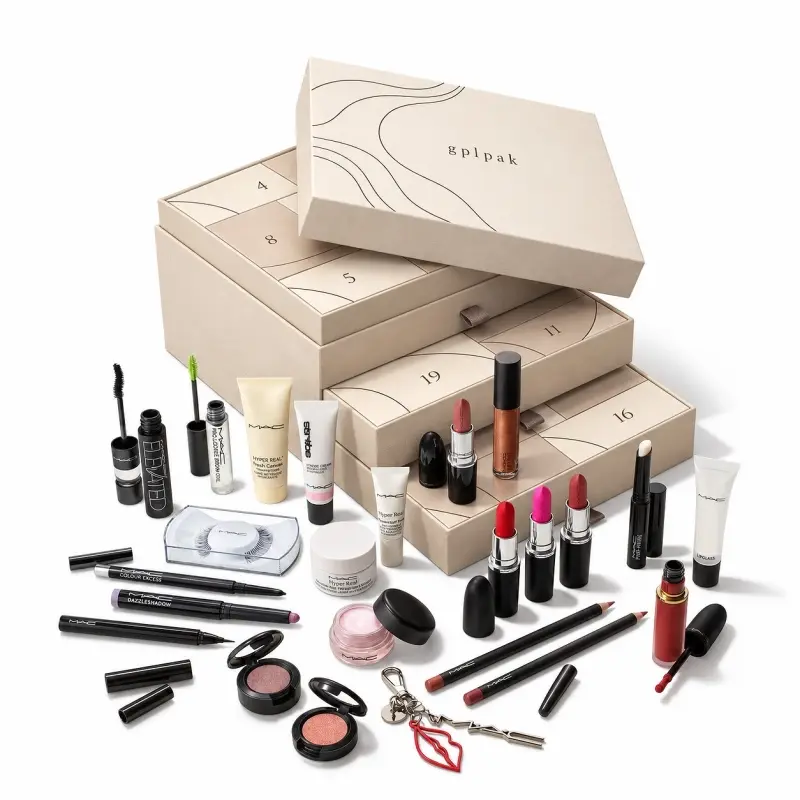
Photorealistic derivative design of an EIRONA SKIN multi-layer cosmetic advent calendar box with a top tray and two pull-out tiers
Stacked rigid packaging for beauty countdown programs
ПользовательскийMulti-Layer Drawer Cosmetic Advent Calendar Box

Develop a premium countdown pack around your real skincare, makeup or fragrance assortment. This made-to-order rigid format combines a removable lid, a top compartment tray and two front pull-out drawer tiers, with the count, cavity sizes, print and finishes defined through product-fit engineering and sampling.

Top tray + two drawer tiers        Mixed-size compartments        12, 24, 25 or custom count        Sample-led development

Photorealistic derivative design using the fictional placeholder brand EIRONA SKIN. Final compartment count, dimensions, load capacity, materials, decoration and performance are confirmed for the actual project.

Reference architectureRemovable lid, top tray and two full-width front drawers
Countdown format12, 24, 25 or project-specific mixed-size positions
КастомизацияSize, tier map, compartments, wrap, print, foil and pull tabs
Suitable assortmentSealed skincare, makeup, fragrance, bath and beauty accessories
Direct answer

What Is a Multi-Layer Drawer Cosmetic Advent Calendar Box?

Аcustom multi-layer drawer cosmetic advent calendar box is a rigid secondary packaging system that distributes a beauty assortment across a top compartment tray and stacked pull-out drawer tiers. Each tier contains numbered or decorated sub-boxes sized around actual bottles, jars, tubes, vials, sachets or accessories. Unlike a generic one-level insert, this format uses vertical space to create a premium reveal while keeping the outer footprint comparatively compact.

Scope boundary: the paper calendar normally holds sealed primary packs; it does not replace formula-contact packaging, required cosmetic labeling or compatibility review. The rigid presentation box is also not automatically suitable as a parcel shipper. Evaluate the complete filled calendar and protective outer pack for the intended route.
B2B development risks

Problems the Stacked Drawer Structure Must Solve

A multi-tier beauty calendar behaves like a small paperboard cabinet. Drawer movement, shelf support, product mapping and packing control must work together after the case is fully loaded.

Mixed beauty SKUs create uneven loads

A glass jar, flat sachet and tall pump do not create the same cavity envelope or tier load. Product weight and removal direction should be mapped position by position before the box size is fixed.

Shelf sag can make lower drawers bind

The clear span above a drawer, supported edges, board construction and cumulative filled weight affect deflection. A visually straight empty sample may behave differently when every tier is loaded.

Small clearance changes affect daily opening

Wrap paper, adhesive, humidity and hand assembly all consume space. Drawer clearances and pull access must be evaluated with the specified paper and decorated sample, not only a digital rendering.

A tall cabinet magnifies squareness errors

If the rigid case twists or tier openings are not parallel, drawer gaps become visibly inconsistent and pull-out action can change from one side to the other.

Seasonal pack-out errors are expensive

A number, SKU and compartment map must control product sequence across every tier. Missing or reversed products can turn a premium launch into a customer-service problem after distribution.

Photorealistic EIRONA SKIN product fit map for a multi tier beauty advent calendar box with labeled sealed cosmetic containers
Product-fit engineering

Map Every Cosmetic Before Dividing the Three Levels

The outside size should follow the verified assortment and tier plan. Start with maximum packed dimensions, filled weight and orientation for every SKU; then group products by usable drawer height, load, removal method and reveal sequence.

  • Record caps, pumps, crimped ends, secondary sleeves and any protective pouches in the maximum product envelope.

  • Identify leak-sensitive orientation, glass edges, decorated surfaces and closures that should not become pull points.

  • Use the top tray for the intended opening sequence, not simply the smallest products; review center of gravity when the box is partially emptied.

  • Place heavier packs where loads can transfer through supported cabinet walls or dividers without compressing a drawer opening.

  • Assign one stable position code to each day, product, compartment, artwork version and packing instruction.

Photorealistic derivative fit-check image using the fictional placeholder brand EIRONA SKIN; not a customer order or pack-out record.

Buyer specification matrix

Turn the Assortment into Measurable Packaging Inputs

A useful RFQ links each buyer input to an engineering decision and approval record. This makes supplier quotations more comparable and reduces assumptions hidden behind one unit price.

Buyer inputWhat it controlsApproval evidence
Product list, maximum size and filled weightCompartment envelope, tier assignment, cabinet footprint and cumulative loadSigned position map and fully loaded blank sample
Count and daily reveal sequence12, 24, 25 or custom layout, number order and opening pathNumbered mockup and approved packing map
Sensitive surfaces and orientationContact points, inner carton or fitment, removal access and leak-risk controlPacked-product review with production representatives
Artwork and finish mapPrint, foil, embossing, wrap direction and number registrationDecorated sample and approved physical color target
Distribution and filling routeAssembly scope, outer shipper, master carton, pallet and test objectivePack-out instruction, inspection plan and agreed report
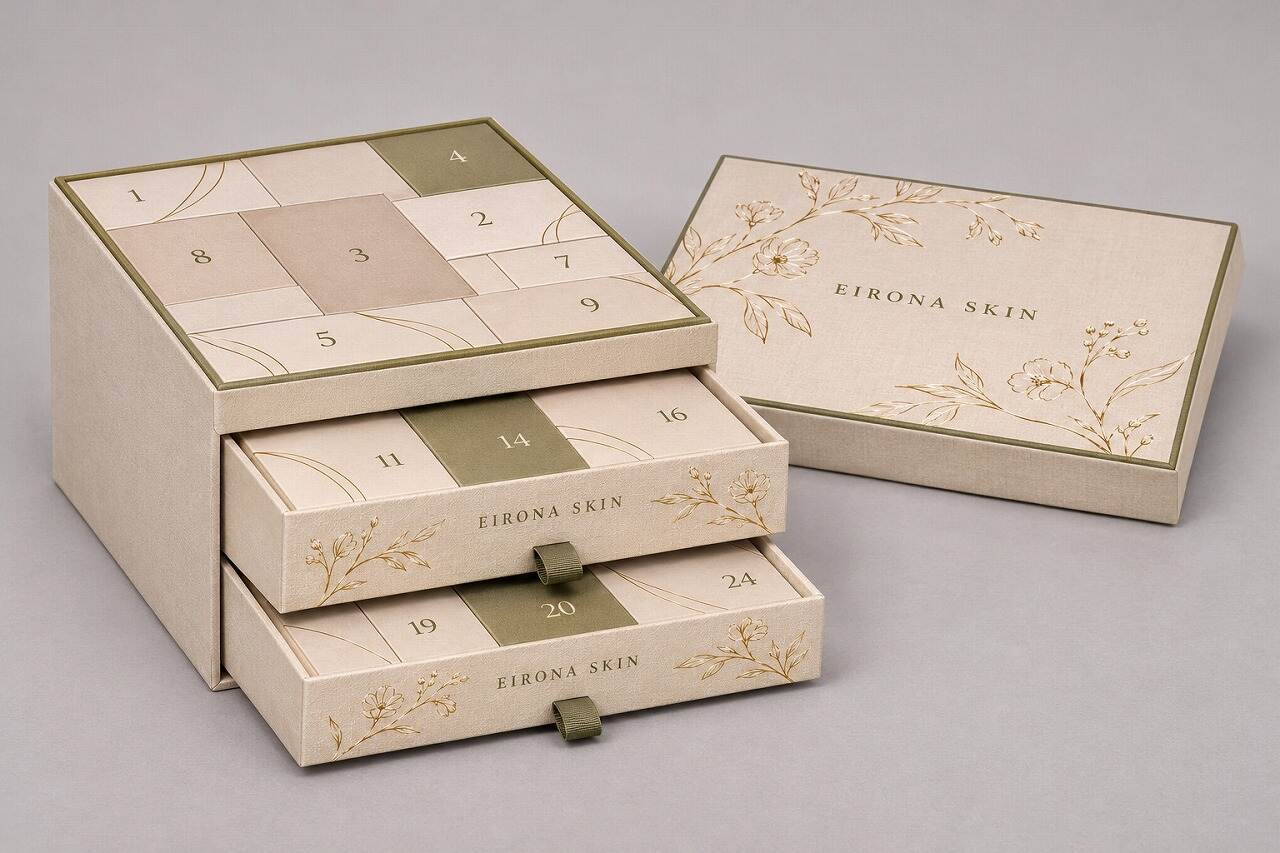
Photorealistic structure view of an EIRONA SKIN stacked drawer beauty calendar box with a removable lid top tray and two pull-out tiers
Stacked architecture

Engineer the Cabinet, Shelves and Drawers as One Load Path

The rigid shell must stay square while each shelf transfers the filled load toward supported edges. Drawer fronts, pull tabs and inner compartments are then sized inside the remaining usable envelope.

ComponentPrimary roleBuyer approval point
Removable top lidProtects the upper reveal and carries the main exterior artworkLift clearance, corner fit, wrap direction and decorated alignment
Top compartment trayPresents the first level and can carry mixed sub-box sizesFinger access, top clearance and product removal
Intermediate shelfSeparates tiers and transfers upper load toward the cabinetClear span, support method, loaded deflection and drawer gap
Two pull-out drawer tiersProvide repeated reveal surfaces and horizontal product accessLoaded travel, stop behavior, side play, pull strength and usable depth
Rigid cabinet and baseMaintains squareness and supports cumulative product weightOverall flatness, corner condition, stability and bottom protection
Master carton and protectionControls movement, edge impact and abrasion during distributionFilled-pack orientation, quantity per carton and agreed test objective

Photorealistic derivative structure image; board build, shelf support and drawer clearance remain project-specific.

Daily opening experience

Specify Drawer Clearance, Pull Access and Removal Direction

The drawer system should feel consistent from day one to the final reveal. That means checking the fully decorated and loaded construction, including the thickness added by paper, print, coatings and adhesives.

Usable envelope

State the usable internal length, width and height after wraps, folds, fitments and finger access are included.

Pull method

Ribbon tabs, thumb notches or paper handles affect front-panel construction, opening force and visible styling.

Loaded travel

Open each tier with the intended filled weight and check dragging, tipping, unintended migration and stop behavior.

Partial-empty stability

Review the cabinet when one tier is open and as products are removed; a premium reveal should not create an unstable front-heavy condition.

Sub-box removal

Provide enough access to lift an inner carton without pulling on the cosmetic cap, pump, dropper or decorated primary pack.

Sequence control

Keep number artwork and SKU position linked through design, production, filling and inspection revisions.

Materials and decoration

Build a Premium Finish Specification That Can Be Inspected

Select materials and finishes as a coordinated construction. A dark wrap may show scuffing differently from an uncoated pale paper, while heavy foil coverage or deep embossing can affect wrap behavior around rigid edges.

AreaCustom options to evaluateControl point
Rigid panelsProject-selected greyboard or paperboard buildFinished thickness, flatness, edge condition and loaded stiffness
Exterior and interior wrapPrinted art paper, dyed paper, textured paper or bookcloth-style wrapApproved color target, grain direction, rub resistance and edge wrap
DecorationOffset or digital print, foil, emboss, deboss, spot effects and interior graphicsRegistration, foil coverage, relief depth, cracking and visible variation
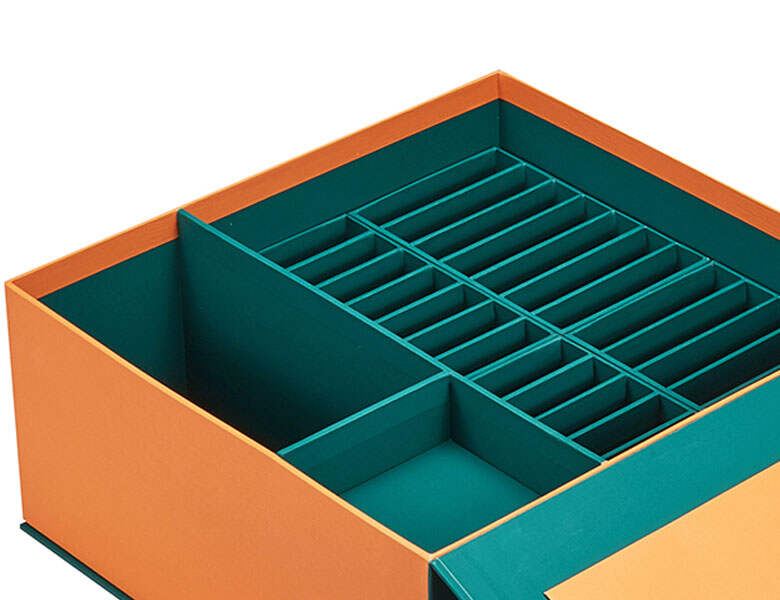
Compartment modulesFolding paper cartons, partitions, paper fitments or combined modulesProduct fit, removal, collapse resistance and number orientation
Pulls and accessoriesRibbon, textile tabs, paper pulls or thumb accessAttachment, pull force, color consistency and material separation

Material sourcing, recycled content, certification and recyclability claims require project-specific documentation.

Cosmetic packaging boundary

Use the Calendar as Secondary Packaging for Sealed Products

This structure is suitable for sealed skincare, makeup, fragrance, bath products and beauty accessories when the fit is developed around the actual assortment. Formula protection, compatibility, tamper evidence and mandatory labeling remain responsibilities of the product's primary and regulatory packaging system.

Appropriate inputs

Provide sealed production-representative bottles, jars, tubes, vials, sachets or controlled drawings with filled weight and orientation limits.

Avoid unsupported contact claims

Do not place loose formula directly against decorative paper, ink, coating or adhesive without a separate material-compatibility and regulatory assessment.

Plan market versions

Legal copy, language, barcodes, warnings, numbering and product assortment can create separate artwork and pack-out versions even when the same structure is retained.

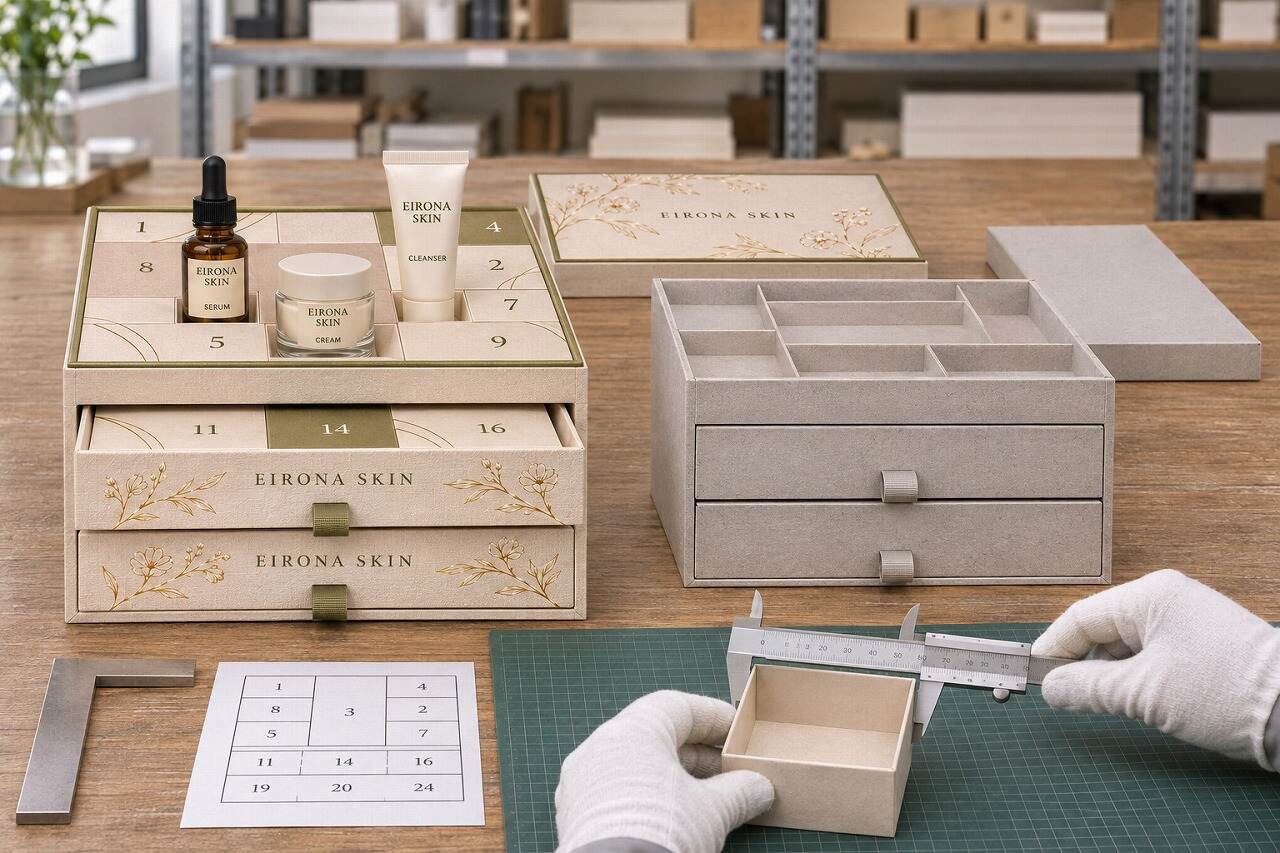
Photorealistic packaging sample room with regular rectangular gray-board and decorated EIRONA SKIN multi-layer drawer calendar samples under dimensional review
Sampling and quality control

Approve the Loaded Structure Before Mass Production

A blank structural sample answers fit and movement questions; a decorated sample confirms materials and visual execution. The signed sample, current drawings, artwork, packing map and agreed criteria should point to the same revision.

  1. Position-map review: confirm every product, count, maximum dimensions, weight, orientation, tier and reveal number.

  2. Blank structural sample: load all positions and check cabinet squareness, shelf deflection, drawer action, stability and removal access.

  3. Decorated sample: approve paper, color, foil, embossing, pull tabs, number sequence and visible workmanship.

  4. Complete pack-out: include the intended product load, inner modules, instructions, protective pack and shipping orientation.

Inspection areaBuyer checkTypical fail condition
Cabinet and tier alignmentCheck level openings and diagonals on the fully loaded sampleTwist, stepped gaps, shelf sag or visible lean
Drawer actionOpen and close both tiers at intended filled weightBinding, dragging, excessive side play, pull failure or tipping
Product and number sequenceAudit positions against the approved revision-controlled mapWrong, missing, duplicated or reversed SKU
Print and finishCompare with approved targets under consistent lightingColor drift, foil pinholes, poor registration, scuffs or glue marks
Distribution packEvaluate the filled calendar and outer pack for the agreed routeDrawer migration, lid lift, edge damage, finish abrasion or product movement

Photorealistic derivative sampling image, not an actual inspection or certification record. Select a test objective that matches the product-package system and distribution route.

Commercial planning

What Determines MOQ, Unit Price and Lead Time?

Commercial terms follow the approved structure and supply scope. A stacked rigid cabinet with two loaded drawers contains more material, assembly steps and control points than a flat folding carton.

Finished size and board yield

Cabinet footprint, tier height, lid area and sheet utilization affect material and freight cube.

Compartment variation

Repeated modules simplify control; mixed sizes improve product fit but can add tooling and assembly complexity.

Decoration coverage

Interior print, specialty wraps, foil, embossing and multi-panel registration add setup and inspection requirements.

Artwork-version split

Languages, number sequences, product edits and regional campaigns may create smaller runs within the total order.

Assembly and filling scope

Empty components, assembled calendars, product kitting and master-carton pack-out carry different labor and responsibility.

Seasonal schedule

Sampling revisions, artwork approval, peak capacity, product arrival, inspection and transport must be planned backward.

No generic promise: workable MOQ, sampling time, production time and unit price are confirmed after GPLPAK reviews the current dimensions, product map, materials, finishes, quantity by artwork, pack-out scope, destination and required date.

Контрольный список RFQ

Send These Details for an Actionable Quotation

If the box dimensions are not fixed, start with the assortment and campaign requirements. GPLPAK can review the tier map and sample route before the production specification is frozen.

1. Product assortmentCount, maximum dimensions, filled weight, primary-pack material, orientation, fragile areas and samples or drawings.
2. Calendar configuration12, 24, 25 or custom sequence, top-tray plan, drawer-tier allocation, size limits, pull method and opening experience.
3. Brand and market filesVector artwork, defined colors, finish map, number graphics, barcodes, language and approved market-specific copy.
4. Commercial requirementsQuantity by version, target arrival date, destination, Incoterm request, split shipment and budget priorities.
5. Pack-out and acceptanceWho fills products, assembly level, master-carton limits, pallet constraints, distribution route, inspection criteria and test objective.

Frequently asked questions

Multi-Layer Cosmetic Advent Calendar Box FAQ

1. Can the top tray and two drawers use different compartment sizes?

Yes. The layout can combine mixed-size inner cartons or paper fitments around verified bottles, jars, tubes, sachets and accessories. Provide the maximum packed dimensions, filled weight, orientation and removal needs for every SKU before the tier map is finalized.

2. Is this structure limited to a 24-day countdown?

No. It can be developed for 12, 24, 25 or another project-specific count. Changing the count, assortment or compartment sizes can alter the tier plan, outer dimensions, tooling, artwork and pack-out, so it should be quoted as a defined configuration.

3. Can the two large drawers have different heights?

Yes, subject to the product map and overall proportions. Different tier heights can accommodate taller packs, but shelf support, usable clearances, cabinet stability and the exterior artwork layout must be re-evaluated on a loaded sample.

4. Can the lid, drawer fronts and daily sub-boxes all carry custom artwork?

Yes, where the selected materials and processes allow it. Interior storytelling, foil, embossing and numbered graphics should be mapped to exact panels. Approve color, registration, wrap direction and sequence on the decorated sample.

5. Can loose cosmetic formula touch the paper compartments?

The calendar is intended as secondary packaging for sealed primary containers. Do not place loose formula directly against decorative paper, ink, coating or adhesive without a separate compatibility and regulatory assessment for the exact materials and market.

6. Can this rigid multi-layer calendar ship flat?

The shown cabinet format is normally supplied assembled. If freight cube is the priority, ask for a separate assessment of modular, collapsible or folding-carton alternatives. A different construction changes assembly, appearance, drawer behavior and performance and requires its own sampling.

7. What information is needed to confirm MOQ and production timing?

GPLPAK needs the current size or product map, compartment count, materials, decoration, quantity by artwork version, assembly and filling scope, destination and required arrival date. Workable terms are then confirmed for that specification and current capacity.

8. Can the presentation calendar be used as its own e-commerce shipper?

Not automatically. Suitability depends on filled weight, lid retention, drawer migration, route, handling and the test objective. Many programs use a separate protective corrugated shipper; any direct-ship format should be evaluated as a complete packed system.

Start with the real assortment

Develop a Multi-Layer Beauty Calendar That Opens Smoothly When Loaded

Send product samples or controlled drawings, desired count and sequence, artwork direction, quantity, destination and launch date. GPLPAK can review the stacked structure, compartment map, decoration, sampling route and wholesale pack-out as one coordinated project.

Related GPLPAK Resources

GPLPAK · Custom paper packaging manufacturer · Dongguan, China

Доступные опции

Материалы

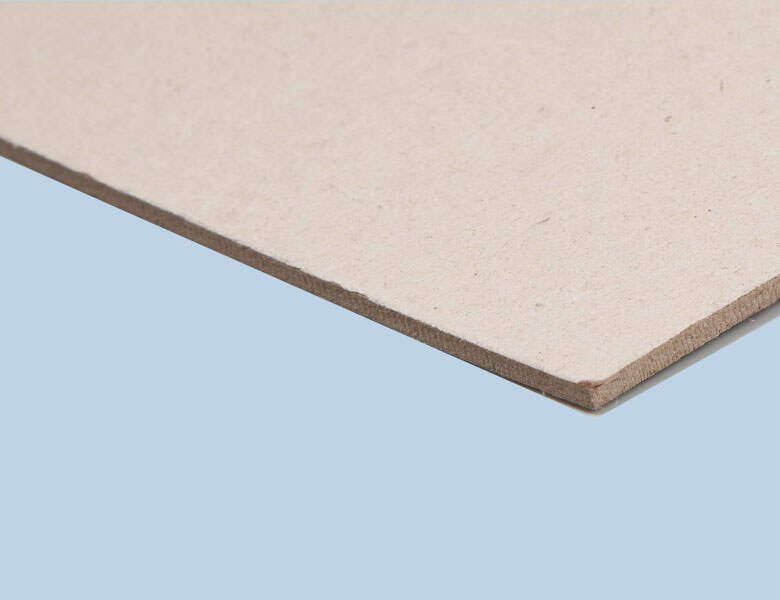
Grey Chipboard
Серая Chipboard
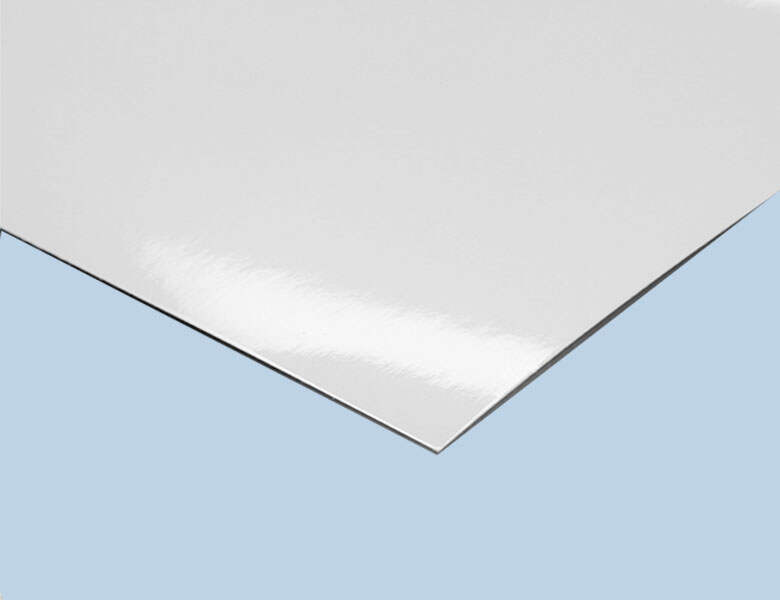
Coating Paper
Покрывательная бумага
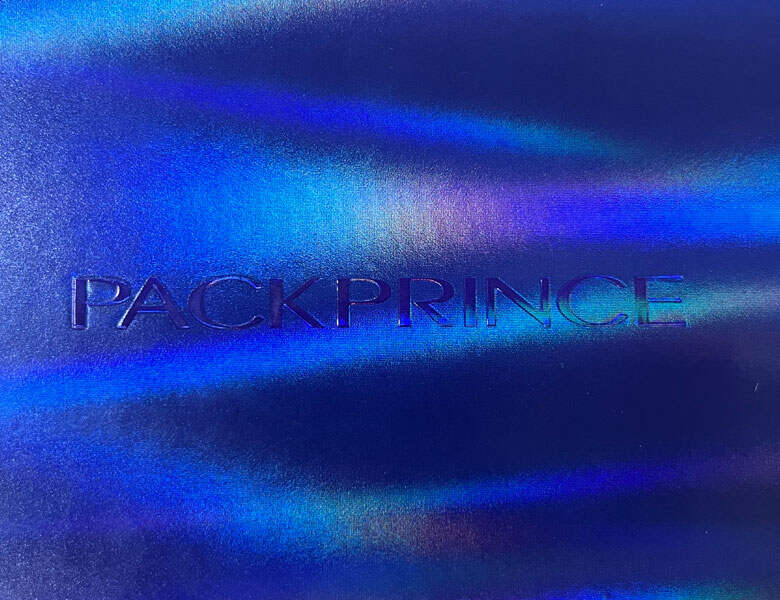
Holographic
Голографический
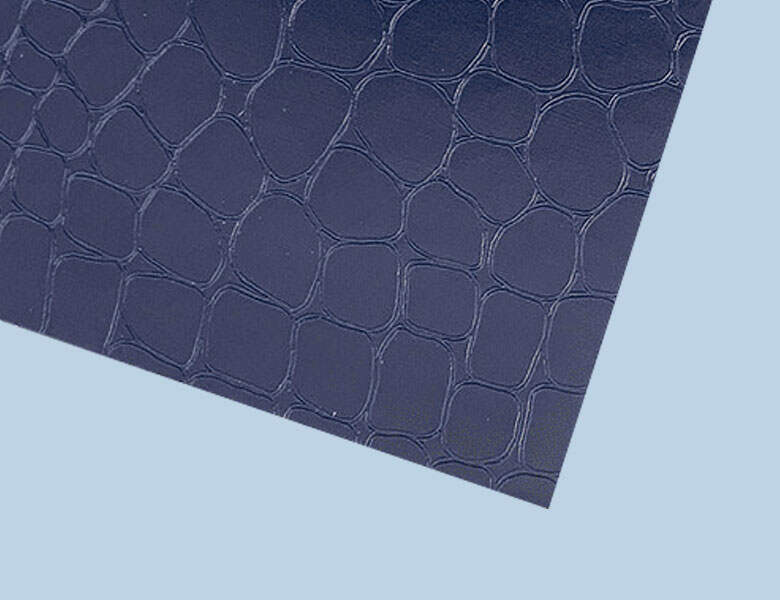
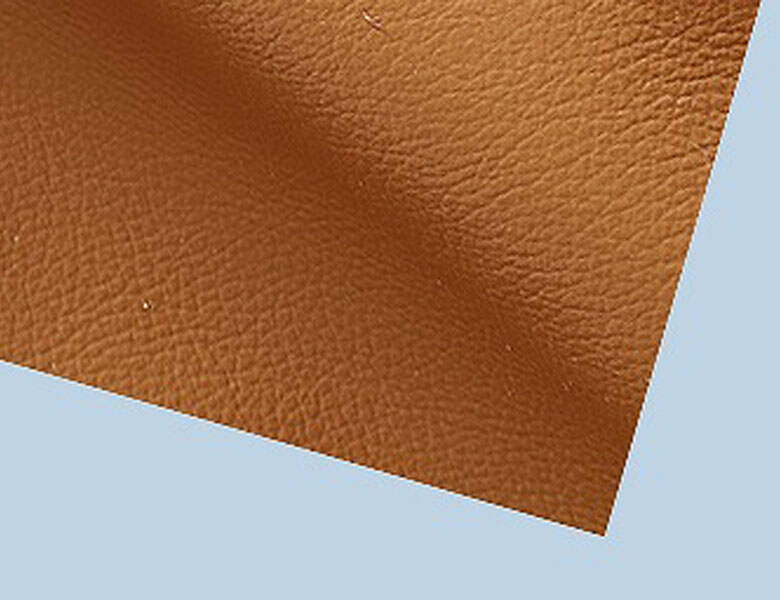
Leatherette Paper
Кожаная бумага
Metallic
Металлический
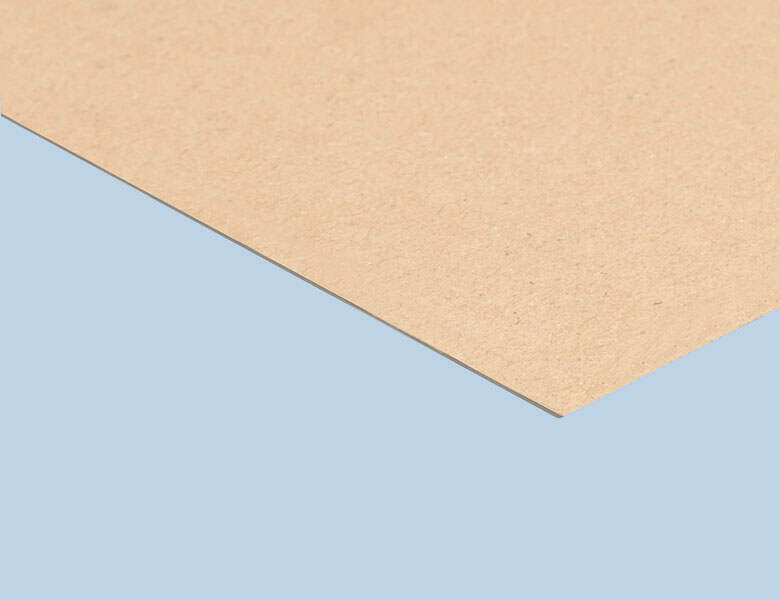
Natural Brown Kraft
натуральный коричневый Kraft
PU Leather
PU кожа
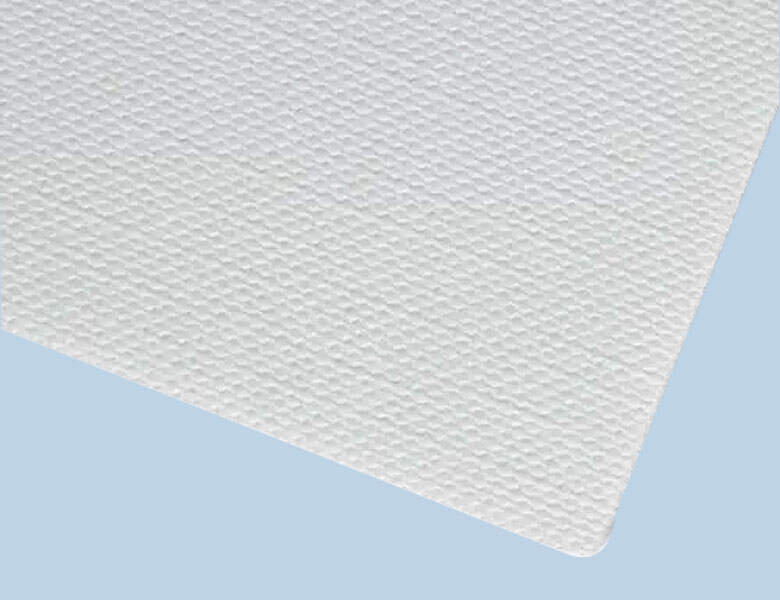
Textured paper
Текстурная бумага

Цвет

Процесс
Цветы
CMYK
CMYK
Что такое цвета процесса?

Цвета процесса основаны на системе печати CMYK, используя слоевые точки циана, пурпурного, желтого и черного цвета с различной плотностью для воспроизведения полного диапазона цветов и гладких градиентов.

В производстве упаковки печать CMYK осуществляется через отдельные печатные башни, каждая из которых посвящена одному цвету. Вместе четыре башни работают последовательно, чтобы точно построить окончательное изображение и цветовый выход.

Место
Цветы
PANTONE
Пантоне
Что такое Spot Colors?

Пятнистые цвета используют предварительно смешанные чернила, которые печатаются непосредственно, требуя только одной печатной башни. Поскольку цвет заранее определен, он обеспечивает последовательные результаты на различных машинах, поставщиках и производственных сериях.

В отличие от цветов процесса, цвета пятен кажутся равномерными даже при тщательном осмотре, без видимых узоров точек CMYK, обеспечивая более чистое и точное воспроизведение цвета.

Поверхностная отделка

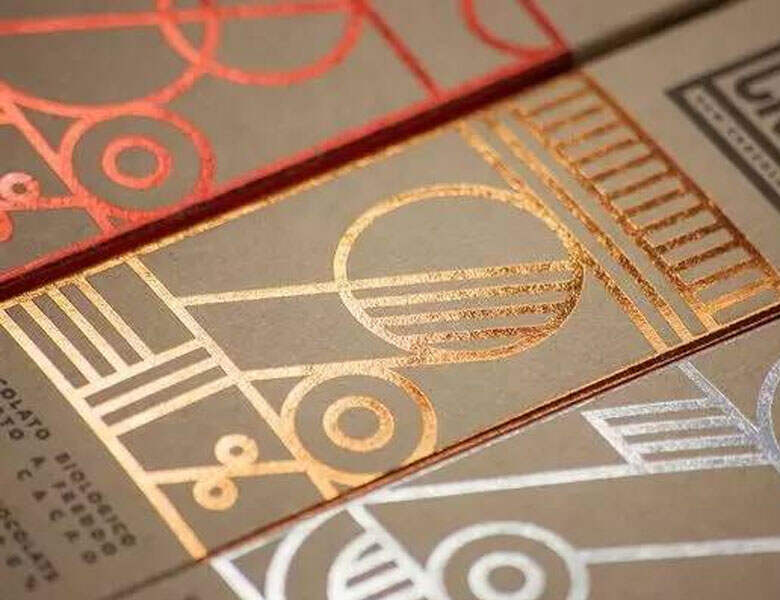
Hot Foil Stamping
Горячее тиснение фольгой
Cold Foil Stamping
холодная штамповка фольги
Debossing
Дебоссирование
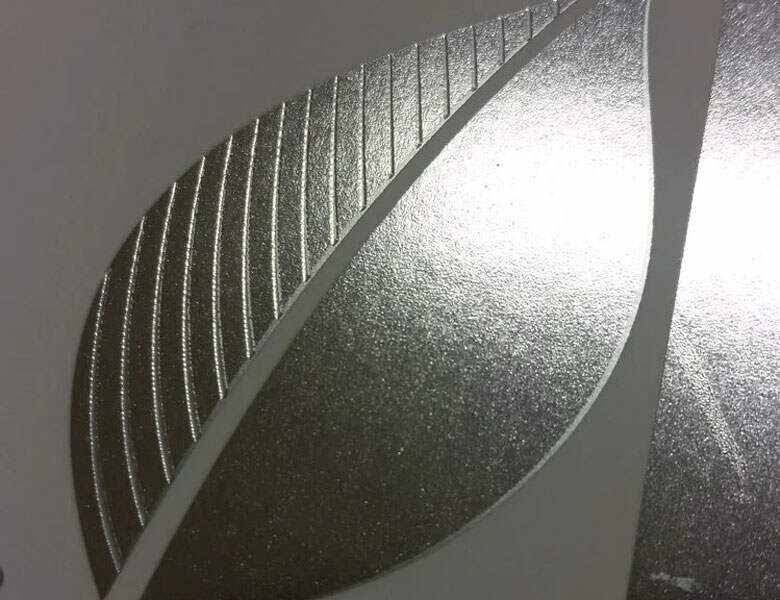
Embossing
Тиснение
Spot UV
Точечный УФ-лак
Reverse UV
Обратный УФ
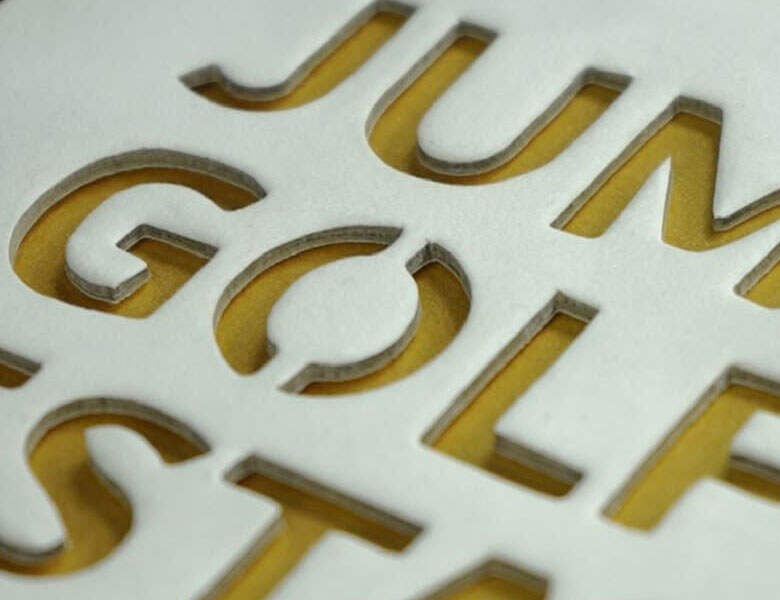
Die Cutting
Die Резка
Fresnel Lens
Объектив Френеля

Ламинирование

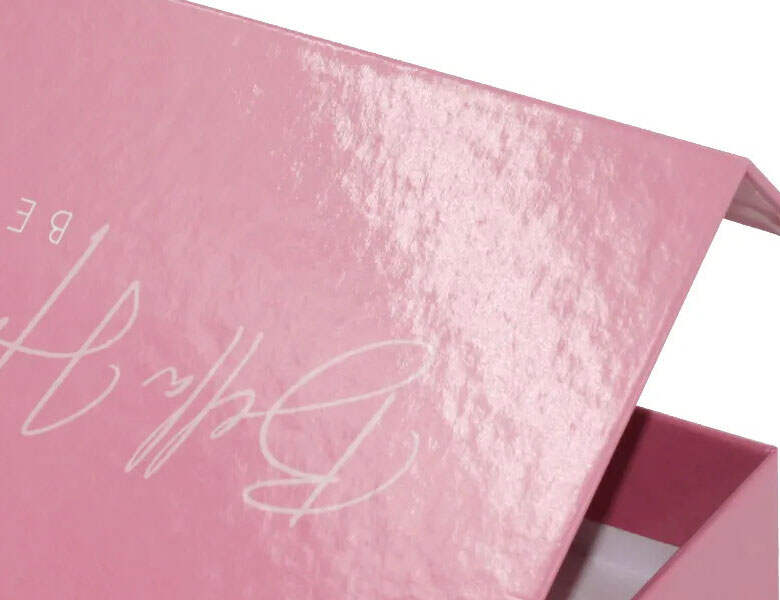
Gloss Lamination
Глянцевая ламинировка
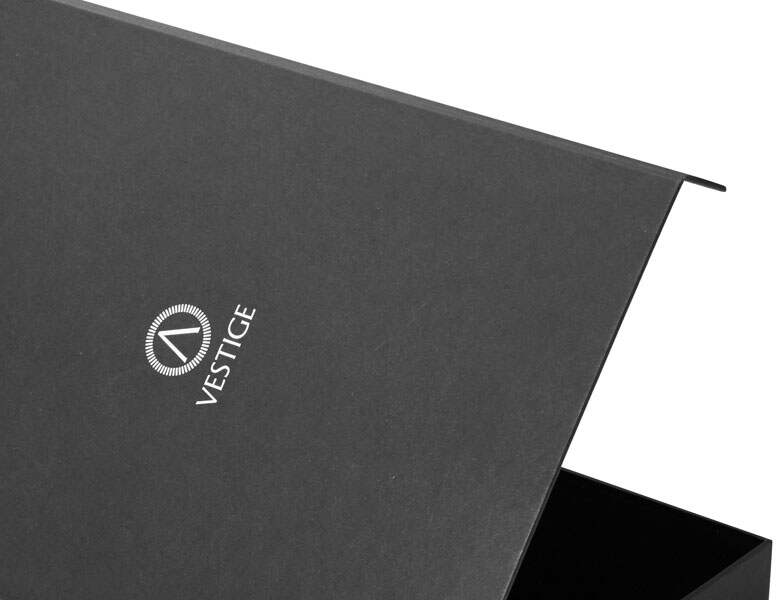
Matte Lamination
Матовая ламинация
Soft Touch Lamination
Мягкое сенсорное ламинирование
Anti-Scratch Lamination
Анти-царапина ламинирование
Holographic Lamination
Голографическое ламинирование
Plastic Replacement Coating
Пластиковое заменное покрытие
Varnishing
Лакирование
Water-Based Coating
Покрытие на водной основе

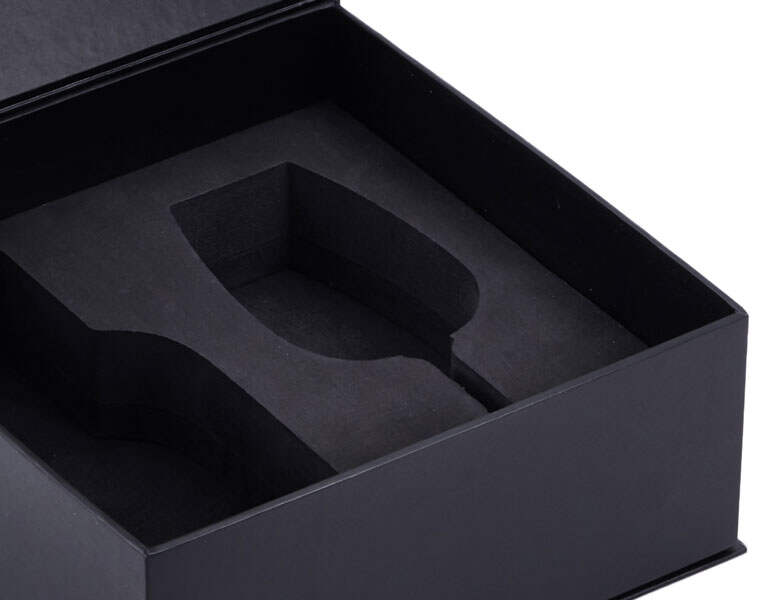
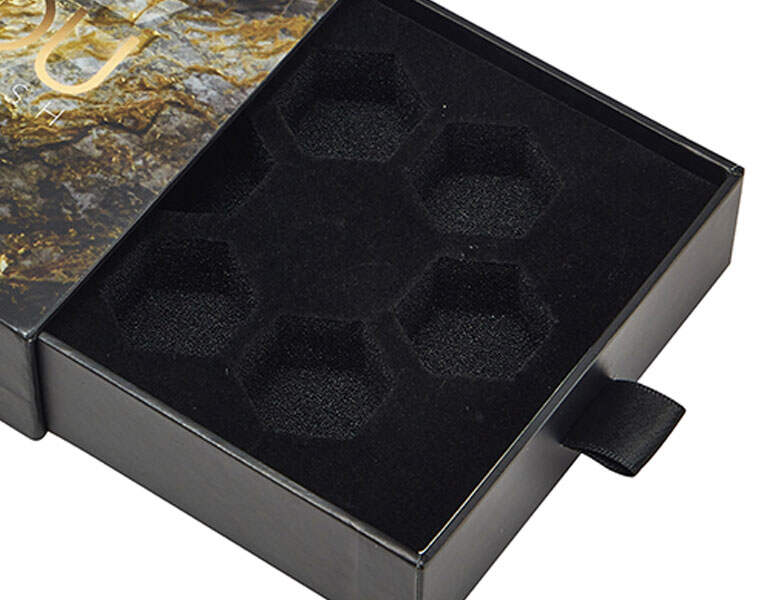
Вставка коробок

EVA Insert
EVA Вставка
Foam Inserts
Вставки пены
Grey Board Insert
Серая доска вставка
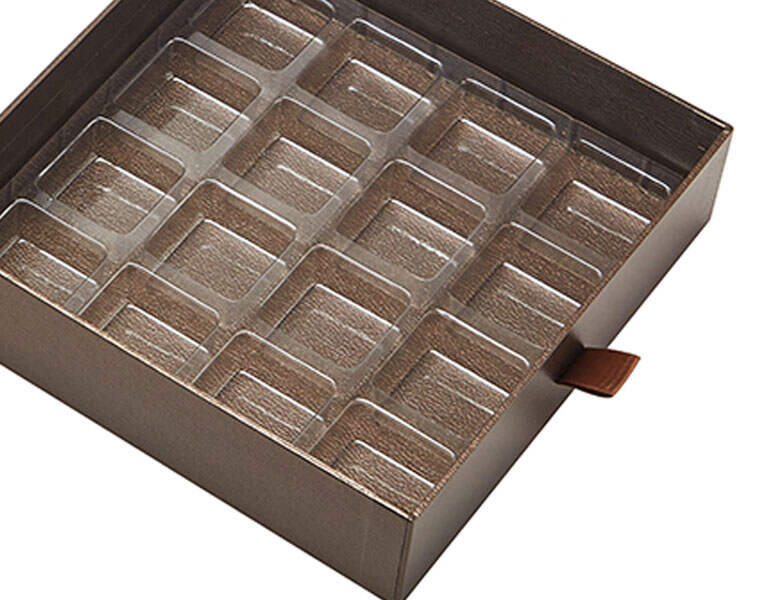
PET Blister Insert
Вставка блистера ПЭТ
Folding Carton inserts
Складная картонная вставка
Paper Card Coating HIPS Blister
Бумажное покрытие карты HIPS Blister
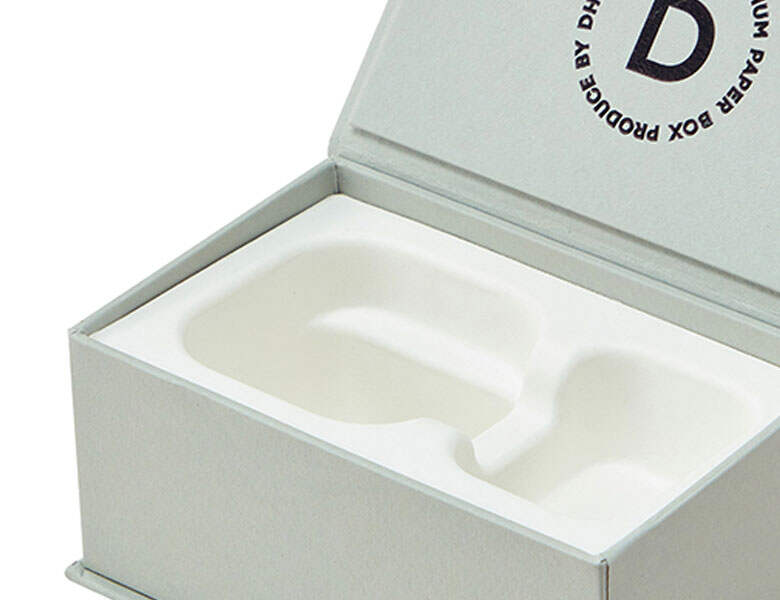
Molded Pulp Insert
Фольмованная целлюлоза Вставка
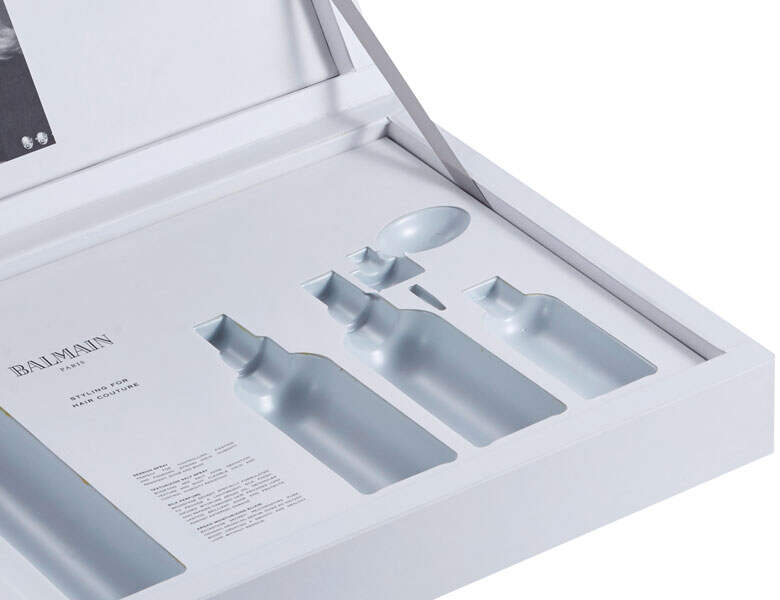
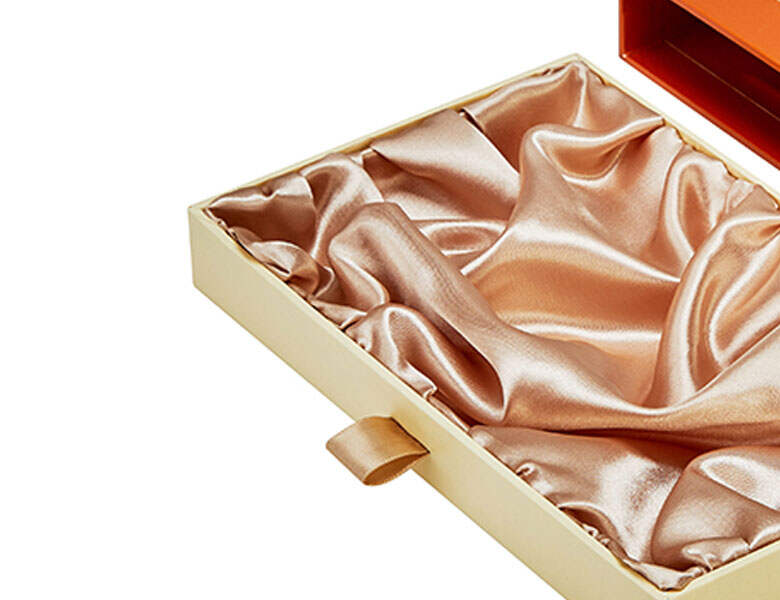
Satin Inserts
Сатиновые вставки

Процесс заказа

Единая платформа для получения котировок и размещения заказов, с выделенными
Поддерживайте каждый шаг на пути.

1

Настройте свой
упаковка

Перейдите на платформу gplpak, чтобы настроить размер, материалы, печать и отделку ваших жестких коробок.

2

Получить котировки &
образцы

Сравните котировки упаковки и получите образец вашей жесткой коробки перед началом производственного заказа.

3

Выберите доставку
методы

Выберите предпочтительный способ доставки и даже настройте разделенные поставки, чтобы получить часть упаковки быстрее.

4

Загрузить произведения искусства

Добавьте свои произведения искусства к шаблону dieline, который мы адаптируем к вашим спецификациям коробки.

5

Отслежить заказ
прогресс

Получите полную видимость хода образцов, производства и доставки.

Есть вопросы?

нажмите на вопрос
Помощник Gplpak

Есть еще вопрос?

Оставьте нам сообщение, и наша команда по упаковке ответит в течение 2 часов.

Одна остановка для всех индивидуальных решений для упаковки вашего бизнеса

We collaborate with people and brands; let's build something great together.

Запросить котировку
Получить цитаты Обычно ответ в течение 1 часа