
 EN
EN
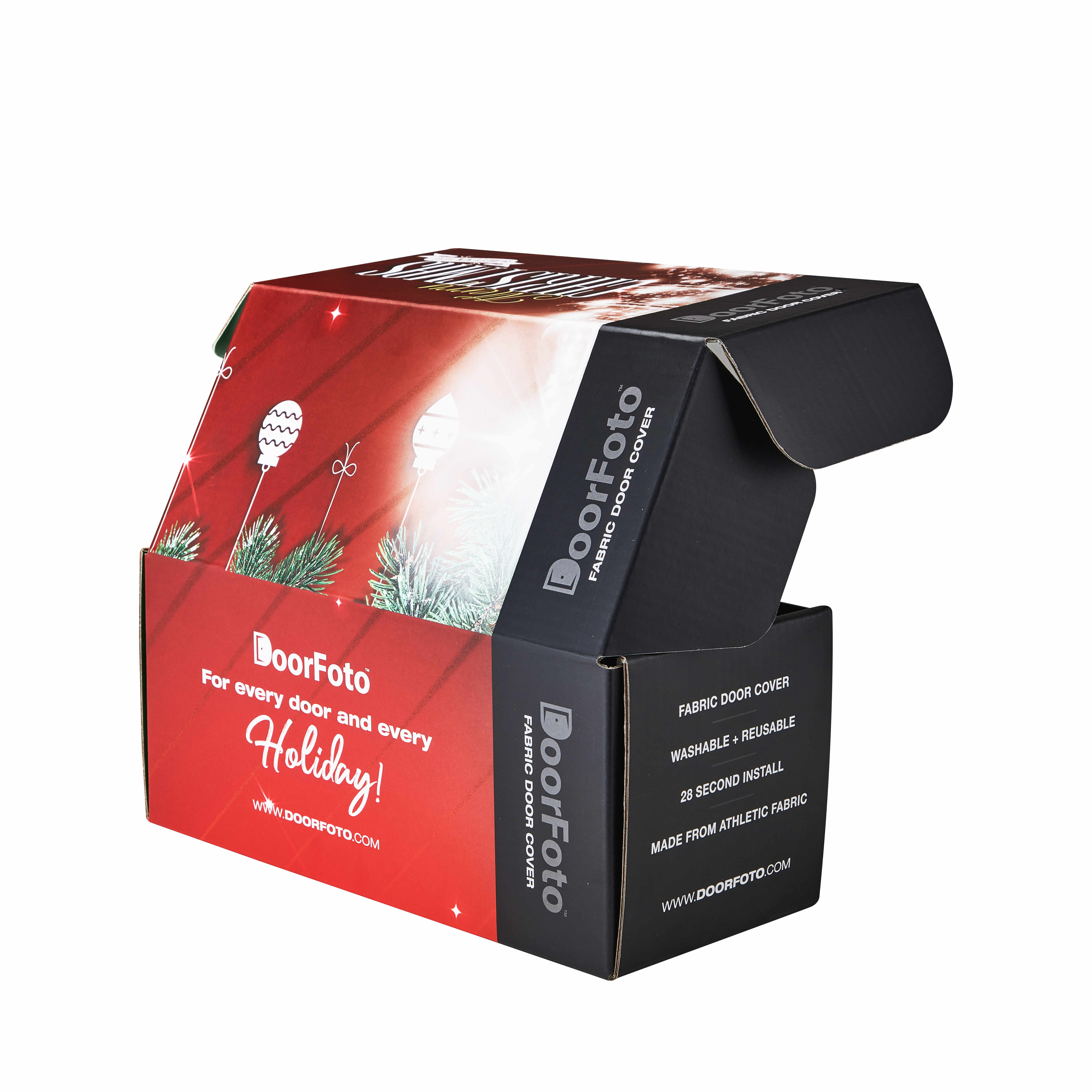
In today's competitive marketplace, businesses are constantly seeking innovative ways to enhance their brand presence and create lasting impressions on customers. One often overlooked opportunity lies in the humble shipping boxes that transport products from warehouses to doorsteps. Custom shipping boxes have emerged as a powerful marketing tool that extends brand visibility far beyond traditional advertising channels, transforming routine deliveries into memorable brand experiences that can significantly impact customer perception and loyalty.
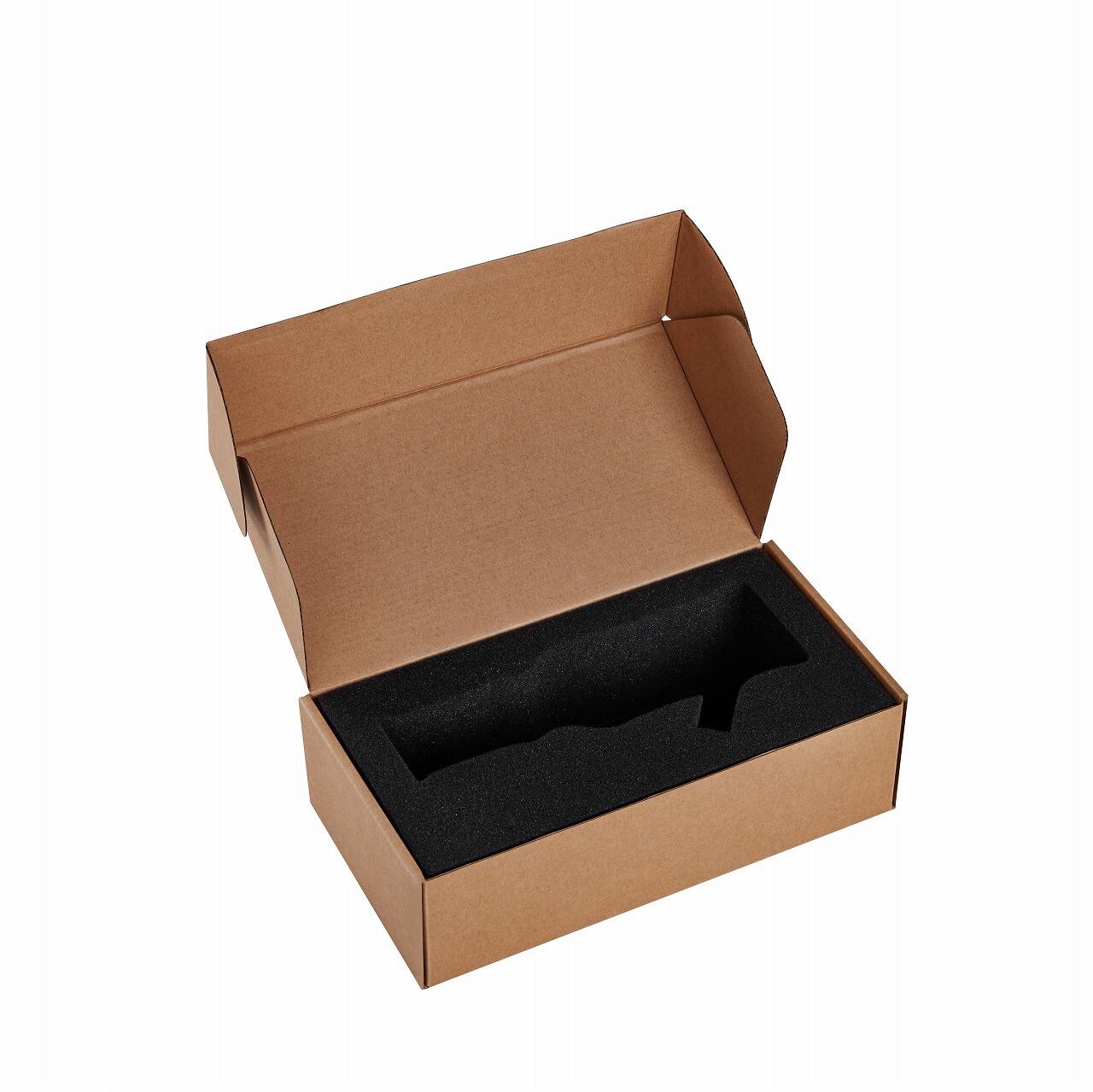
The concept of using shipping boxes as brand ambassadors represents a fundamental shift in how companies approach packaging design and marketing strategy. Unlike static advertisements or digital campaigns that compete for attention in crowded spaces, custom shipping boxes provide an exclusive touchpoint with customers during the highly anticipated moment of package arrival. This unique positioning allows brands to create positive associations with their products while generating organic word-of-mouth marketing through social media sharing and neighborhood visibility.
The Psychology Behind Packaging and Brand Perception
First Impressions Through Unboxing Experiences
The unboxing experience has become a crucial component of modern consumer behavior, particularly in the era of social media documentation and online reviews. When customers receive their orders in well-designed shipping boxes, the anticipation and excitement surrounding the package opening process can significantly influence their overall satisfaction with the purchase. Research indicates that positive unboxing experiences increase the likelihood of repeat purchases by up to 40%, while also encouraging customers to share their experiences across social platforms.
Custom shipping boxes serve as the first physical interaction between a brand and its customers, setting expectations and establishing emotional connections before the actual product is revealed. The quality, design, and attention to detail demonstrated through packaging choices communicate important messages about brand values, product quality, and customer service standards. Companies that invest in premium shipping boxes often find that customers perceive their products as higher value, even when the actual product remains unchanged.
Building Trust and Credibility Through Professional Presentation
Professional presentation through custom shipping boxes helps establish credibility and trust with customers who may be ordering from a brand for the first time. Generic brown cardboard boxes can make even premium products appear ordinary or cheap, while branded packaging creates an immediate sense of legitimacy and quality assurance. This psychological impact is particularly important for e-commerce businesses that lack physical storefronts where customers can evaluate products before purchasing.
The perceived value created by custom shipping boxes extends beyond individual customer interactions to influence broader market positioning and competitive advantage. Brands that consistently deliver products in distinctive, high-quality packaging create memorable experiences that differentiate them from competitors using standard shipping materials. This differentiation becomes increasingly valuable as markets become saturated and customers seek brands that demonstrate attention to detail and commitment to customer satisfaction.
Strategic Brand Visibility During Transit
Mobile Billboard Effect in Delivery Networks
One of the most underutilized aspects of custom shipping boxes is their potential to function as mobile billboards throughout the delivery process. From warehouse loading docks to delivery trucks, sorting facilities to doorsteps, these packages travel through numerous public spaces where they can be seen by hundreds of potential customers. This exposure creates brand awareness opportunities that extend far beyond the intended recipient, generating impressions that would otherwise require significant advertising investments.
The visibility factor becomes even more powerful when considering the trusted context in which these shipping boxes appear. Unlike traditional advertisements that consumers actively try to avoid or ignore, packages in transit carry an implicit endorsement from the recipient, creating positive associations and social proof that can influence purchasing decisions among observers. This organic exposure is particularly valuable in residential neighborhoods where package deliveries are increasingly common.
Extending Brand Reach Through Secondary Exposure
The journey of shipping boxes doesn't end at delivery, as many packages continue to provide brand exposure through various secondary channels. Recipients often reuse sturdy shipping boxes for storage, moving, or shipping their own items, extending the brand visibility timeline from days to months or even years. This extended exposure creates ongoing brand reinforcement at zero additional cost to the original sender, making custom packaging investments highly cost-effective over time.
Social media platforms have amplified the reach potential of well-designed shipping boxes through user-generated content and unboxing videos. Customers frequently photograph or video their package deliveries, particularly when the packaging is visually appealing or unique, creating viral marketing opportunities that can reach thousands of potential customers. Brands that design their shipping boxes with social media sharing in mind often see significant increases in organic reach and engagement across digital platforms.
Design Elements That Maximize Brand Impact
Color Psychology and Visual Recognition
Effective design of shipping boxes begins with understanding color psychology and its impact on brand recognition and emotional response. Colors evoke specific emotions and associations that can reinforce brand messaging and create memorable visual experiences. For example, premium brands often utilize black, white, or metallic colors to convey luxury and sophistication, while eco-friendly companies might choose earth tones or green hues to communicate environmental responsibility and natural values.
Consistency in color application across all shipping boxes helps build brand recognition over time, allowing customers to identify packages from specific companies even before reading any text or logos. This visual shorthand becomes particularly valuable in apartment complexes, office buildings, or other locations where multiple packages are delivered simultaneously. Strong color associations can transform ordinary shipping boxes into powerful brand recognition tools that work subconsciously to reinforce customer loyalty and awareness.
Typography and Message Integration
The integration of typography and messaging on shipping boxes requires careful balance between promotional content and practical information. Effective designs incorporate brand slogans, value propositions, or call-to-action messages that reinforce marketing objectives while maintaining clean, professional aesthetics. The challenge lies in creating designs that are informative without appearing cluttered or overwhelming, ensuring that key messages are easily readable from various distances and angles.
Strategic placement of contact information, website URLs, or social media handles on shipping boxes can drive additional customer engagement and facilitate future purchases. QR codes have become increasingly popular additions that allow customers to quickly access digital content, promotional offers, or customer service resources directly from their mobile devices. These interactive elements transform static packaging into dynamic marketing tools that bridge physical and digital customer experiences.
Cost-Effectiveness and Return on Investment
Comparing Traditional Advertising Costs
When evaluating the financial benefits of investing in custom shipping boxes, it's important to compare costs against traditional advertising channels and their respective reach and impact metrics. A single custom-designed shipping box might cost between two to five dollars more than standard packaging, but it provides guaranteed exposure to the recipient plus potential secondary exposure through transit visibility and social media sharing. This cost per impression often proves more favorable than digital advertising, print media, or billboard campaigns.
The longevity of shipping boxes as marketing tools further enhances their cost-effectiveness, particularly when recipients reuse them for storage or other purposes. Unlike digital ads that disappear after viewing or print materials that are quickly discarded, well-constructed shipping boxes can continue promoting brand awareness for months or years after initial delivery. This extended exposure timeline makes the initial investment in custom packaging design and production highly economical when calculated over the full lifecycle of brand impressions generated.
Measuring Success Through Customer Engagement Metrics
Tracking the success of shipping boxes as brand visibility tools requires monitoring various customer engagement metrics that reflect the impact of improved packaging experiences. Social media mentions, user-generated content featuring package deliveries, and increases in website traffic following delivery dates can all indicate the effectiveness of custom packaging investments. Many companies also implement unique tracking codes or URLs printed on their shipping boxes to directly measure conversion rates generated through packaging exposure.
Customer feedback surveys and reviews often provide qualitative insights into the impact of shipping boxes on overall brand perception and satisfaction scores. Positive comments about packaging quality, design, or sustainability frequently translate into higher customer lifetime values and increased referral rates. These indirect benefits can be substantial, as satisfied customers tend to make repeat purchases and recommend brands to friends and family members, creating compounding returns on packaging investments.
Environmental Considerations and Sustainable Practices
Eco-Friendly Material Options
Modern consumers increasingly prioritize environmental responsibility when making purchasing decisions, making sustainable shipping boxes an important component of brand positioning and customer appeal. Recycled cardboard, biodegradable inks, and water-based adhesives allow companies to create custom packaging that minimizes environmental impact while maintaining visual appeal and structural integrity. These material choices can become powerful marketing messages that resonate with environmentally conscious consumers and differentiate brands from competitors using conventional packaging materials.
The adoption of sustainable packaging practices often generates positive media coverage and social media engagement, amplifying the brand visibility benefits of custom shipping boxes beyond direct customer interactions. Environmental certifications and sustainability messaging prominently displayed on packaging can attract new customer segments while reinforcing loyalty among existing customers who share similar values. This alignment between packaging choices and customer values creates deeper emotional connections that extend beyond transactional relationships.
Right-Sizing and Waste Reduction
Optimizing shipping boxes for specific product dimensions reduces material waste while improving customer satisfaction through more efficient packaging presentations. Right-sized packaging minimizes the need for excessive filler materials, reduces shipping costs through better space utilization, and creates cleaner unboxing experiences that reflect positively on brand attention to detail. These practical benefits complement the marketing advantages of custom packaging while demonstrating operational efficiency and environmental responsibility.
Advanced packaging design can incorporate features like tear-away sections, fold-down displays, or integrated return shipping labels that enhance functionality while maintaining brand visibility throughout the product lifecycle. These innovative approaches to shipping boxes create additional touchpoints for brand interaction while solving practical customer needs, resulting in higher satisfaction scores and increased likelihood of positive reviews and recommendations.
Implementation Strategies for Different Business Types
Small Business and Startup Applications
Small businesses and startups can leverage custom shipping boxes as cost-effective alternatives to expensive advertising campaigns while building brand recognition from the earliest stages of operation. Limited budgets require strategic approaches that maximize impact through creative design choices rather than premium materials or complex printing processes. Simple color schemes, memorable taglines, and consistent branding across all shipping boxes can create professional impressions that compete effectively with larger competitors.
Startup companies often benefit from the word-of-mouth marketing generated by distinctive shipping boxes, as early customers become brand ambassadors who share their experiences with friends, family, and social media followers. This organic promotion can be particularly valuable during launch phases when building customer base and establishing market presence are critical objectives. The investment in custom packaging demonstrates professionalism and attention to customer experience that can differentiate new businesses from established competitors.
Enterprise-Level Integration
Large enterprises implementing custom shipping boxes across multiple product lines and geographic regions require comprehensive strategies that maintain brand consistency while accommodating diverse operational requirements. Standardized design templates with customizable elements allow companies to maintain unified brand presentation while adapting to specific product categories, seasonal promotions, or regional preferences. This scalability ensures that shipping boxes remain effective brand visibility tools regardless of volume fluctuations or market expansion.
Enterprise-level implementations often incorporate advanced tracking and analytics systems that monitor the performance of different packaging designs across various customer segments and geographic markets. This data-driven approach enables continuous optimization of shipping boxes for maximum brand impact while identifying opportunities for cost reduction or design improvements. The scale of enterprise operations also allows for more sophisticated printing techniques, interactive elements, and premium materials that enhance the overall brand experience.
FAQ
What is the typical cost difference between standard and custom shipping boxes
The cost difference between standard and custom shipping boxes typically ranges from 50 cents to 5 dollars per unit, depending on size, design complexity, printing requirements, and order quantities. While this represents a significant percentage increase over basic cardboard boxes, the marketing value and brand visibility benefits often justify the additional expense when calculated against traditional advertising costs per impression. Large volume orders generally reduce per-unit costs substantially, making custom packaging more accessible for businesses of all sizes.
How long does it take to design and produce custom shipping boxes
The timeline for designing and producing custom shipping boxes varies based on complexity and quantity requirements, typically ranging from 2-6 weeks from initial concept to delivery. Simple designs with standard sizes can often be completed more quickly, while complex designs requiring custom dies, special printing techniques, or unique materials may require longer production times. Working with experienced packaging suppliers who understand brand requirements and production constraints helps ensure realistic timelines and successful project completion.
Can small businesses compete with larger companies through custom packaging
Small businesses can absolutely compete effectively with larger companies through strategic use of custom shipping boxes, often achieving better results due to greater flexibility and personal attention to detail. Creative design approaches, authentic brand messaging, and focus on customer experience can make small business packages more memorable than generic corporate packaging. The key lies in understanding target customer preferences and creating packaging experiences that reflect brand values while working within available budget constraints.
What design elements are most important for brand visibility in shipping boxes
The most important design elements for maximizing brand visibility in shipping boxes include consistent color schemes that align with existing brand identity, clear and readable typography, strategic logo placement, and distinctive visual elements that create immediate recognition. Simple, clean designs often prove more effective than cluttered layouts, while ensuring that contact information and call-to-action messages are prominently displayed without overwhelming the overall aesthetic appeal of the packaging.
