
 EN
EN
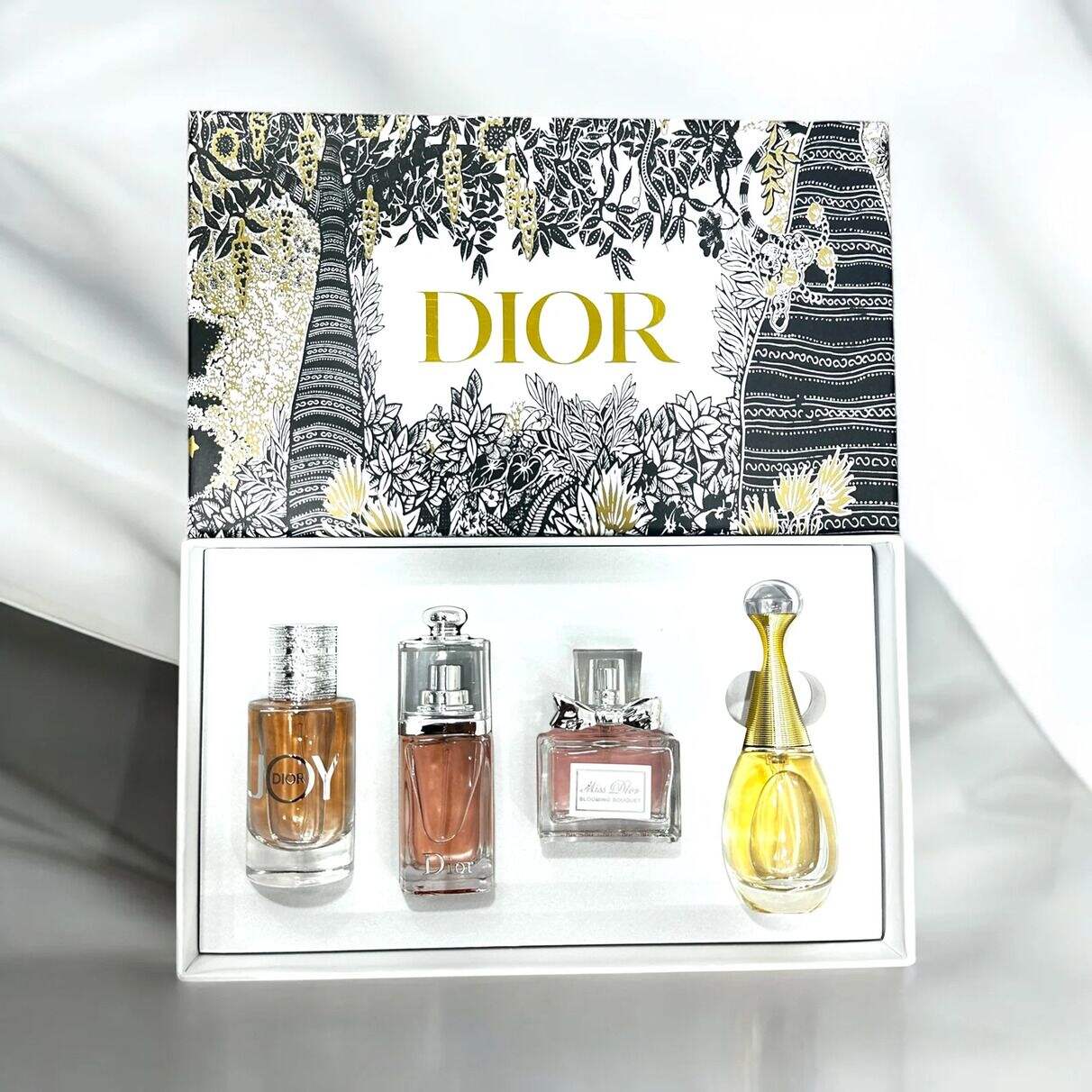
The fragrance industry relies heavily on visual presentation to capture consumer attention and communicate brand values. A well-designed perfume box serves as the first point of contact between a customer and the product, creating an immediate impression that can determine purchasing decisions. Beyond mere protection, these packaging solutions function as powerful marketing tools that communicate luxury, quality, and brand identity through carefully considered design elements and materials.

Modern consumers increasingly value experiences and emotional connections with brands, making packaging design more critical than ever. The perfume box acts as a silent ambassador for the fragrance within, conveying sophistication through premium materials, innovative structural designs, and attention to detail. Successful fragrance brands understand that investment in quality packaging directly correlates with perceived product value and consumer willingness to pay premium prices.
The competitive nature of the fragrance market demands that brands differentiate themselves through every touchpoint, including packaging. A distinctive perfume box can become synonymous with brand recognition, helping consumers identify products instantly on crowded retail shelves. This visual identity extends beyond the point of purchase, as customers often retain beautiful packaging for storage or display purposes, providing ongoing brand exposure and reinforcing positive associations.
Brand Identity Through Packaging Design
Visual Elements and Color Psychology
The visual components of a perfume box directly influence consumer perception and emotional response. Color selection plays a fundamental role in communicating brand personality, with luxury fragrances often utilizing deep, rich tones like midnight black, royal purple, or metallic gold to convey exclusivity and sophistication. These color choices trigger psychological responses that align with the desired brand positioning and target market expectations.
Typography selection within perfume box design serves as another crucial brand identifier, with serif fonts often chosen for traditional luxury brands to communicate heritage and elegance. Contemporary fragrance brands may opt for clean, minimalist sans-serif typefaces to project modernity and innovation. The interplay between text placement, font size, and negative space creates visual hierarchy that guides the consumer's eye through key brand messages and product information.
Graphic elements and patterns integrated into the perfume box design can reinforce brand storytelling and create memorable visual associations. Embossed logos, foil stamping, and textural finishes add tactile dimensions that enhance the unboxing experience. These premium touches communicate quality craftsmanship and attention to detail, justifying higher price points and building brand loyalty through sensory engagement.
Material Selection and Construction Quality
The choice of materials for a perfume box construction significantly impacts perceived value and brand positioning. High-end fragrances typically utilize rigid cardboard or specialty paperboards that provide substantial weight and durability. The tactile experience of handling quality materials creates positive associations with the product inside, reinforcing the perception of luxury and premium quality that justifies higher retail prices.
Sustainable material options have gained importance as environmentally conscious consumers increasingly consider packaging impact in purchasing decisions. A thoughtfully designed perfume box utilizing recycled or biodegradable materials can appeal to eco-minded consumers while maintaining luxury aesthetics. Brands successfully balancing sustainability with premium presentation often gain competitive advantages in market segments where environmental responsibility influences buying behavior.
Construction techniques such as magnetic closures, ribbon pulls, and precision-fit inserts elevate the unboxing experience and create memorable moments that consumers associate with brand quality. These structural elements require careful engineering and manufacturing precision, demonstrating the brand's commitment to excellence in every detail. The perfume box becomes a keepsake item that continues promoting brand awareness long after the initial purchase.
Value Enhancement Through Premium Packaging
Perceived Value and Price Justification
Premium packaging design directly influences consumer perception of product value, enabling brands to command higher price points through sophisticated presentation. The perfume box serves as tangible evidence of quality investment, suggesting that equal attention has been paid to the fragrance formulation itself. This psychological connection between packaging quality and product excellence allows brands to position themselves in luxury market segments where presentation expectations are exceptionally high.
Research consistently demonstrates that consumers associate elegant packaging with superior product quality, even before experiencing the actual fragrance. The perfume box functions as a quality indicator that influences purchasing decisions, particularly for gift purchases where presentation plays a critical role. Retailers often display fragrances prominently based on packaging aesthetics, giving well-designed boxes prime shelf positioning that drives sales performance.
Investment in premium perfume box design typically generates positive return on investment through increased sales margins and enhanced brand positioning. Brands can justify higher retail prices when packaging communicates luxury and exclusivity effectively. The cost differential between basic and premium packaging is often minimal compared to the price premium achievable through enhanced perceived value.
Gift Appeal and Market Expansion
The gift market represents a substantial portion of fragrance sales, making perfume box presentation crucial for capturing this lucrative segment. Beautiful packaging eliminates the need for additional gift wrapping, providing convenience for purchasers while ensuring the product maintains its premium appearance. The perfume box becomes part of the gift itself, extending the appreciation beyond the fragrance to include the entire presentation experience.
Seasonal packaging variations and limited edition perfume box designs create urgency and collectibility that drive sales during key retail periods. Holiday-themed packaging or special anniversary editions command premium pricing while appealing to collectors and gift-givers seeking unique presentations. These strategies expand market reach beyond regular fragrance consumers to include occasional buyers motivated by special packaging offerings.
Corporate gift markets often prioritize presentation quality, making premium perfume box design essential for business-to-business sales opportunities. Companies purchasing fragrances for employee gifts, client appreciation, or promotional purposes typically select products based largely on packaging sophistication and perceived value. A well-designed perfume box can open entirely new distribution channels and customer segments previously inaccessible to the brand.
Manufacturing Considerations and Technical Aspects
Production Efficiency and Cost Management
Efficient perfume box manufacturing requires balancing design complexity with production feasibility to achieve optimal cost structures. Advanced die-cutting techniques enable intricate shapes and premium finishes while maintaining reasonable production volumes. Brands must consider setup costs, minimum order quantities, and lead times when developing packaging specifications that align with market launch timelines and budget constraints.
Automation capabilities in modern packaging facilities allow for sophisticated perfume box assembly processes while controlling labor costs. Magnetic closure systems, insert placement, and quality control procedures can be streamlined through proper design planning and manufacturing partner selection. Collaborative relationships between brands and packaging manufacturers often yield innovative solutions that enhance product presentation while optimizing production efficiency.
Inventory management strategies must account for perfume box storage requirements, seasonal demand fluctuations, and new product launch schedules. Modular design approaches enable component standardization across multiple fragrance lines, reducing inventory complexity while maintaining unique brand identity for each product. Strategic planning prevents overstock situations while ensuring adequate supply for promotional periods and unexpected demand spikes.
Quality Control and Consistency Standards
Maintaining consistent quality across large-volume perfume box production runs requires rigorous inspection protocols and supplier qualification processes. Color matching standards, print registration tolerances, and structural integrity specifications must be clearly defined and monitored throughout manufacturing. Quality variations can significantly impact brand perception, making investment in comprehensive quality control systems essential for maintaining customer satisfaction.
International shipping and distribution create additional quality challenges that perfume box design must address. Packaging must withstand transportation stresses, climate variations, and handling processes while maintaining pristine appearance upon arrival. Structural testing protocols validate design robustness and identify potential failure points before mass production commitments.
Supplier audit procedures ensure manufacturing partners maintain appropriate facility standards, quality systems, and ethical practices that align with brand values. Regular performance reviews and capability assessments help identify improvement opportunities and maintain competitive manufacturing costs. Strong supplier relationships enable rapid response to design modifications and market opportunity requirements.
Market Positioning and Competitive Advantages
Differentiation Strategies
In saturated fragrance markets, distinctive perfume box design provides crucial differentiation that influences consumer choice at the point of purchase. Innovative structural features, unique opening mechanisms, or surprising interior reveals create memorable experiences that set products apart from competitors. These differentiating elements become talking points that generate word-of-mouth marketing and social media sharing opportunities.
Customization capabilities within perfume box manufacturing enable brands to create limited editions, personalized options, or market-specific variations that appeal to diverse consumer segments. Flexible production systems accommodate special requests while maintaining cost efficiency for standard product lines. This adaptability supports brand extension strategies and market expansion initiatives across different geographic regions or demographic groups.
Intellectual property protection through unique perfume box designs creates sustainable competitive advantages that competitors cannot easily replicate. Trademarked design elements, proprietary manufacturing processes, or exclusive material partnerships establish barriers to imitation while building brand equity. Legal protection of packaging innovations preserves market positioning advantages over extended periods.
Consumer Psychology and Purchase Behavior
Understanding consumer decision-making processes reveals the critical influence of perfume box presentation on purchasing behavior. Visual appeal creates initial attraction, while tactile experience and perceived quality determine final purchase decisions. The packaging serves as a promise of the experience contained within, building anticipation and emotional investment in the product before the fragrance is even experienced.
Impulse purchase behavior in fragrance retail environments heavily depends on packaging visual impact and shelf presence. The perfume box must communicate key brand messages and product benefits within seconds of consumer attention. Successful packaging designs balance information delivery with aesthetic appeal to capture interest while facilitating informed purchase decisions.
Post-purchase satisfaction extends beyond fragrance quality to include the entire unboxing and ownership experience. Consumers often photograph and share beautiful packaging on social media platforms, providing valuable organic marketing exposure for brands. The perfume box becomes part of the consumer's identity expression, reinforcing their connection to the brand and encouraging repeat purchases or recommendations to others.
FAQ
What materials are commonly used for luxury perfume box construction
Luxury perfume boxes typically utilize high-quality rigid cardboard, specialty paperboards, or composite materials that provide durability and premium tactile experience. Common finishes include matte or gloss lamination, soft-touch coatings, embossing, foil stamping, and UV spot treatments. Sustainable options such as FSC-certified paperboard or recycled content materials are increasingly popular while maintaining luxury aesthetics and structural integrity.
How does perfume box design impact retail shelf performance
Effective perfume box design significantly influences shelf visibility, consumer attraction, and purchase decisions in competitive retail environments. Strong visual hierarchy, distinctive colors, and premium finishes help products stand out among crowded displays. Retailers often allocate prime shelf space to products with superior packaging presentation, directly impacting sales performance and brand exposure opportunities.
What are the key considerations for international perfume box distribution
International distribution requires perfume box designs that accommodate varying regulatory requirements, cultural preferences, and shipping constraints. Structural integrity must withstand long-distance transportation and climate variations. Multilingual labeling capabilities, cultural color associations, and regional aesthetic preferences should be considered during design development to ensure global market success.
How can brands balance sustainability with luxury packaging expectations
Modern sustainable perfume box solutions achieve luxury aesthetics through innovative eco-friendly materials and production processes. Brands can utilize recycled content paperboards, water-based inks, and biodegradable finishes while maintaining premium appearance and tactile quality. Transparent communication about sustainability initiatives often enhances brand appeal among environmentally conscious luxury consumers who value responsible business practices.
