
 EN
EN
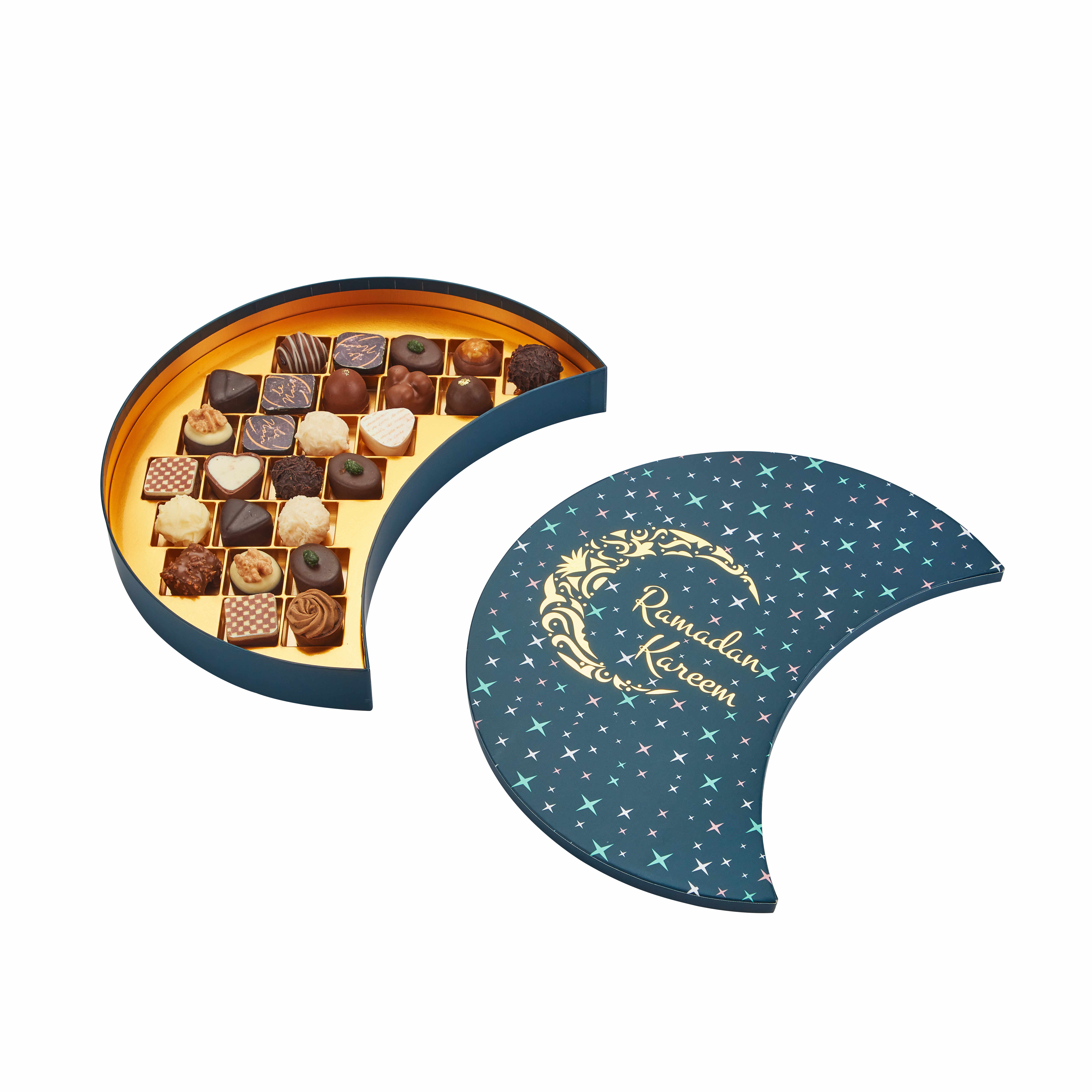
In today's competitive marketplace, businesses are constantly seeking ways to differentiate themselves from competitors and create lasting impressions on consumers. One of the most powerful yet often overlooked strategies involves investing in custom product packaging design that goes beyond basic functionality. Modern consumers make purchasing decisions within seconds of seeing a product, and the visual appeal of product packaging plays a crucial role in influencing these split-second choices. Companies that recognize the strategic importance of thoughtfully designed packaging solutions often experience significant improvements in brand recognition, customer loyalty, and overall sales performance.
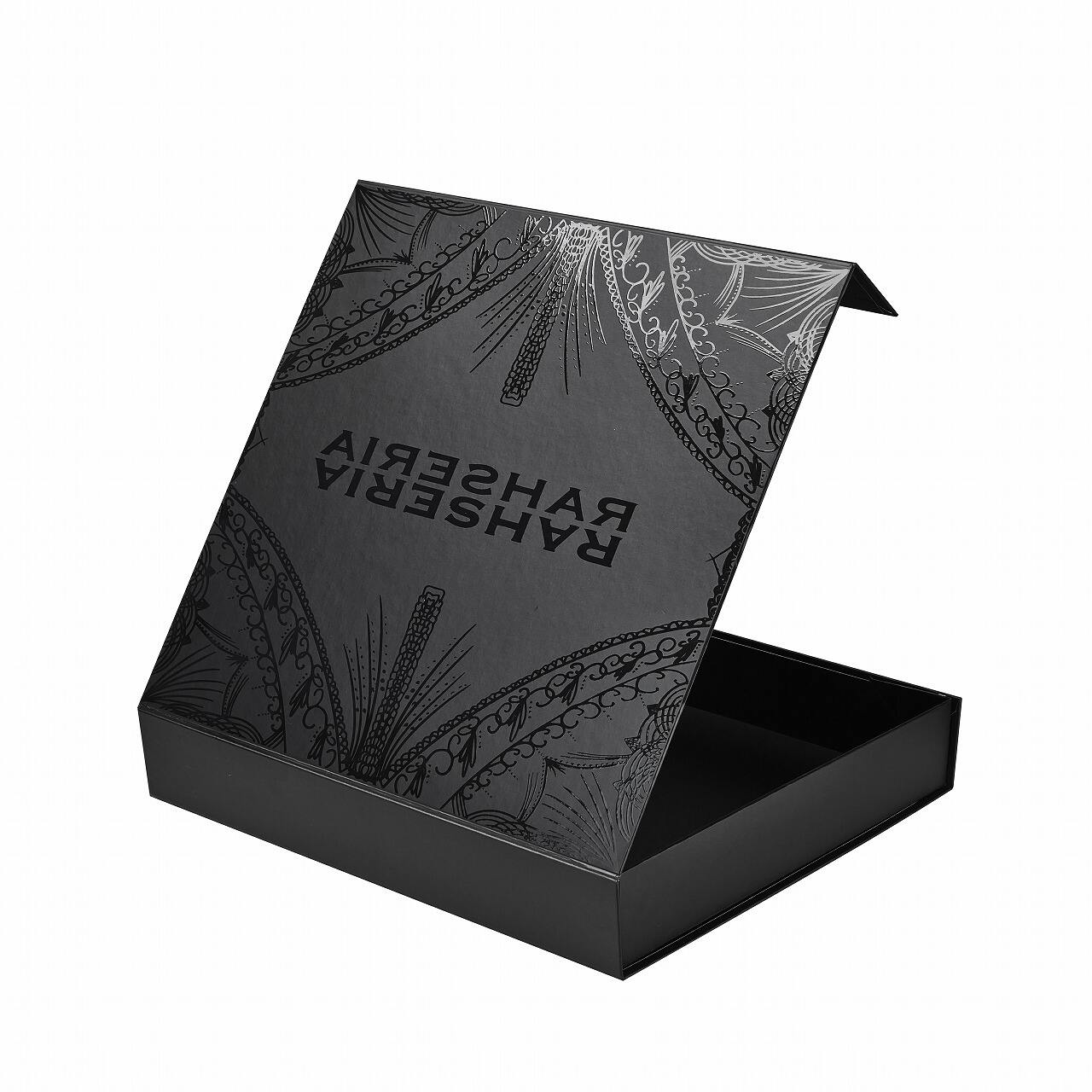
The Strategic Business Value of Custom Product Packaging
Brand Identity and Recognition Enhancement
Custom product packaging serves as a powerful brand ambassador that communicates company values and positioning without requiring verbal explanation. When businesses invest in distinctive packaging designs, they create visual consistency across their product lines that helps consumers instantly recognize their offerings on crowded retail shelves. This recognition factor becomes particularly valuable in retail environments where hundreds of competing products vie for consumer attention simultaneously.
The psychological impact of well-designed product packaging extends far beyond simple aesthetics, as it triggers emotional responses that influence purchasing behavior. Research consistently demonstrates that consumers form opinions about products within the first seven seconds of visual contact, making packaging design a critical factor in conversion rates. Companies that develop cohesive visual identities through their packaging often see improved customer recall rates and increased likelihood of repeat purchases.
Competitive Market Differentiation
In saturated markets where product features and pricing often overlap significantly, custom product packaging becomes a key differentiator that helps businesses stand out from generic alternatives. Smart packaging design allows companies to communicate unique value propositions visually, even when the actual product differences might be minimal. This differentiation strategy proves particularly effective for businesses entering established markets dominated by larger competitors with bigger advertising budgets.
The ability to tell a brand story through packaging design creates emotional connections with target audiences that transcend simple product functionality. When businesses invest in packaging that reflects their company culture, mission, and values, they attract consumers who share similar beliefs and preferences. This alignment often results in stronger customer relationships and higher lifetime value per customer.
Financial Returns from Premium Packaging Investment
Revenue Growth Through Premium Positioning
Businesses that invest in high-quality custom product packaging often discover they can command higher price points for the same products compared to competitors using generic packaging solutions. This premium positioning strategy works because consumers frequently associate packaging quality with product quality, making them willing to pay more for items that appear more valuable or sophisticated. The incremental revenue generated from premium pricing typically offsets packaging investment costs within relatively short timeframes.
Market research indicates that consumers are increasingly willing to pay premium prices for products that demonstrate environmental responsibility and aesthetic appeal through their packaging choices. Companies that incorporate sustainable materials and innovative design elements into their product packaging often experience significant sales increases as environmentally conscious consumers actively seek out brands that align with their values.
Cost Efficiency Through Reduced Marketing Expenses
Well-designed product packaging functions as a form of advertising that continues working long after the initial purchase, reducing the need for expensive ongoing marketing campaigns. When customers display products with attractive packaging in their homes or offices, they inadvertently provide free advertising to friends, family members, and colleagues who notice the distinctive design elements. This word-of-mouth marketing effect can significantly reduce customer acquisition costs over time.
Social media platforms have amplified the marketing value of attractive product packaging, as consumers frequently share photos of aesthetically pleasing purchases with their online networks. Companies with Instagram-worthy packaging designs often benefit from organic social media exposure that would cost thousands of dollars to achieve through paid advertising campaigns. This user-generated content provides authentic testimonials that carry more weight than traditional marketing messages.
Consumer Psychology and Packaging Design Impact
Emotional Connection and Purchase Decisions
The psychological principles underlying consumer behavior reveal that emotional responses to product packaging often override logical decision-making processes during shopping experiences. Custom packaging design that evokes positive emotions such as excitement, luxury, or nostalgia can trigger impulse purchases even when consumers had no intention of buying the product initially. Understanding these psychological triggers allows businesses to design packaging that maximizes conversion rates at the point of sale.
Color psychology plays a particularly important role in product packaging effectiveness, as different colors trigger distinct emotional responses and associations in consumer minds. Companies that strategically select colors aligned with their brand positioning and target audience preferences often see measurable improvements in purchase rates and brand perception scores. The strategic use of typography, imagery, and layout further reinforces these emotional connections.
Trust Building Through Professional Presentation
Professional-quality product packaging communicates reliability and attention to detail that builds consumer confidence in unfamiliar brands or products. When businesses invest in packaging that appears polished and well-thought-out, consumers often assume the same level of care extends to product development and customer service. This trust-building effect proves especially valuable for online retailers who lack face-to-face interaction opportunities with potential customers.
The unboxing experience has become increasingly important as e-commerce continues to grow, with many consumers sharing their unboxing experiences through social media platforms. Companies that create memorable unboxing moments through innovative product packaging design often generate viral marketing content that reaches audiences far beyond their immediate customer base. This extended reach provides exceptional return on packaging investment.
Sustainable Packaging Solutions and Market Trends
Environmental Responsibility and Consumer Preferences
Modern consumers increasingly prioritize environmental sustainability when making purchasing decisions, creating opportunities for businesses that incorporate eco-friendly materials and practices into their product packaging strategies. Companies that adopt sustainable packaging solutions often attract environmentally conscious consumers while simultaneously reducing material costs and waste disposal expenses. This dual benefit makes sustainable packaging an attractive investment for forward-thinking businesses.
The transition to sustainable product packaging materials requires careful consideration of functionality, cost, and aesthetic appeal to ensure the final solution meets both environmental and business objectives. Innovative materials such as biodegradable plastics, recycled cardboard, and plant-based alternatives offer exciting possibilities for companies willing to explore new packaging technologies. Early adopters of these sustainable solutions often gain competitive advantages as environmental regulations become more stringent.
Technology Integration and Smart Packaging
Emerging technologies are transforming product packaging from passive containers into interactive marketing tools that engage consumers through augmented reality, QR codes, and near-field communication features. These smart packaging solutions enable businesses to provide additional product information, promotional content, and customer support resources directly through the packaging itself. The integration of technology into packaging design creates new opportunities for customer engagement and data collection.
Digital printing technologies have made it economically feasible for smaller businesses to create custom product packaging with variable data, personalization, and limited edition designs. This technological advancement allows companies to test new packaging concepts quickly and cost-effectively while gathering consumer feedback before committing to large production runs. The flexibility offered by modern printing techniques enables more creative and targeted packaging strategies.
Implementation Strategies for Custom Packaging Programs
Design Process and Creative Development
Successful custom product packaging projects begin with comprehensive research into target audience preferences, competitive landscape analysis, and brand positioning objectives. The design development process should involve multiple stakeholder groups including marketing, sales, operations, and customer service teams to ensure the final packaging solution addresses all business requirements. Collaborative design processes often produce more effective packaging solutions than those developed in isolation.
Prototyping and testing phases allow businesses to evaluate packaging designs before committing to full production runs, reducing the risk of costly mistakes or consumer rejection. Focus groups, A/B testing, and pilot programs provide valuable feedback that helps refine packaging designs and optimize their market impact. The investment in testing typically pays dividends through improved market acceptance and reduced need for redesigns.
Supply Chain and Production Considerations
Implementing custom product packaging requires careful coordination with suppliers, manufacturers, and distribution partners to ensure consistent quality and timely delivery. Businesses must balance design aspirations with practical considerations such as production capabilities, inventory management, and shipping requirements. The most successful packaging programs integrate seamlessly with existing operational processes while delivering the desired marketing impact.
Quality control measures become particularly important when transitioning from standard packaging to custom designs, as inconsistencies in color, printing, or construction can undermine brand credibility. Establishing clear specifications, regular inspections, and supplier audits helps maintain packaging quality standards throughout the production process. These quality assurance investments protect brand reputation and customer satisfaction levels.
Measuring Success and Return on Investment
Key Performance Indicators and Analytics
Businesses investing in custom product packaging should establish clear metrics for measuring success and calculating return on investment to justify ongoing program expenses. Sales data, market share analysis, customer feedback surveys, and brand awareness studies provide quantitative evidence of packaging effectiveness. Regular monitoring of these metrics helps identify areas for improvement and optimization opportunities.
Digital analytics tools enable businesses to track consumer engagement with packaging-related content across social media platforms and e-commerce websites. These insights reveal which packaging elements resonate most strongly with target audiences and guide future design decisions. The data-driven approach to packaging optimization ensures continuous improvement and maximum return on investment.
Long-term Brand Building and Market Position
The benefits of custom product packaging extend beyond immediate sales impacts to include long-term brand building and market position strengthening. Companies that consistently invest in packaging excellence often develop stronger brand equity and customer loyalty compared to competitors focused solely on product features or pricing. This brand strength provides resilience during economic downturns and competitive challenges.
Strategic packaging investments contribute to overall business valuation by creating distinctive intellectual property and competitive advantages that potential acquirers find valuable. Well-developed packaging programs become business assets that enhance company worth and market attractiveness. The long-term value creation aspect of packaging investment often exceeds short-term sales benefits.
FAQ
How much should businesses budget for custom product packaging development
Custom product packaging budgets typically range from two to eight percent of total product cost depending on industry, target market, and design complexity. Businesses should consider both initial design and development costs as well as ongoing production expenses when establishing packaging budgets. Companies in premium markets often invest higher percentages in packaging to maintain competitive positioning and brand perception.
What timeline should companies expect for custom packaging implementation
Custom product packaging projects generally require three to six months from initial concept development through final production, depending on design complexity and supplier capabilities. The timeline includes research, design development, prototyping, testing, and production setup phases. Companies should plan packaging projects well in advance of product launches to ensure adequate development time and avoid rushed decisions.
How can small businesses afford custom packaging solutions
Small businesses can access custom product packaging through digital printing technologies, smaller minimum order quantities, and phased implementation strategies that spread costs over time. Many packaging suppliers offer scalable solutions that grow with business needs, allowing companies to start with basic customization and add features as budgets permit. Cooperative purchasing programs and shared design resources also help reduce individual company costs.
What are the most common mistakes in packaging design projects
Common packaging design mistakes include ignoring target audience preferences, underestimating production constraints, failing to consider shipping requirements, and neglecting sustainability considerations. Companies often focus too heavily on aesthetics while overlooking practical functionality or cost implications. Successful packaging projects balance creative vision with operational realities and customer needs throughout the development process.
Table of Contents
- The Strategic Business Value of Custom Product Packaging
- Financial Returns from Premium Packaging Investment
- Consumer Psychology and Packaging Design Impact
- Sustainable Packaging Solutions and Market Trends
- Implementation Strategies for Custom Packaging Programs
- Measuring Success and Return on Investment
- FAQ
