
 EN
EN
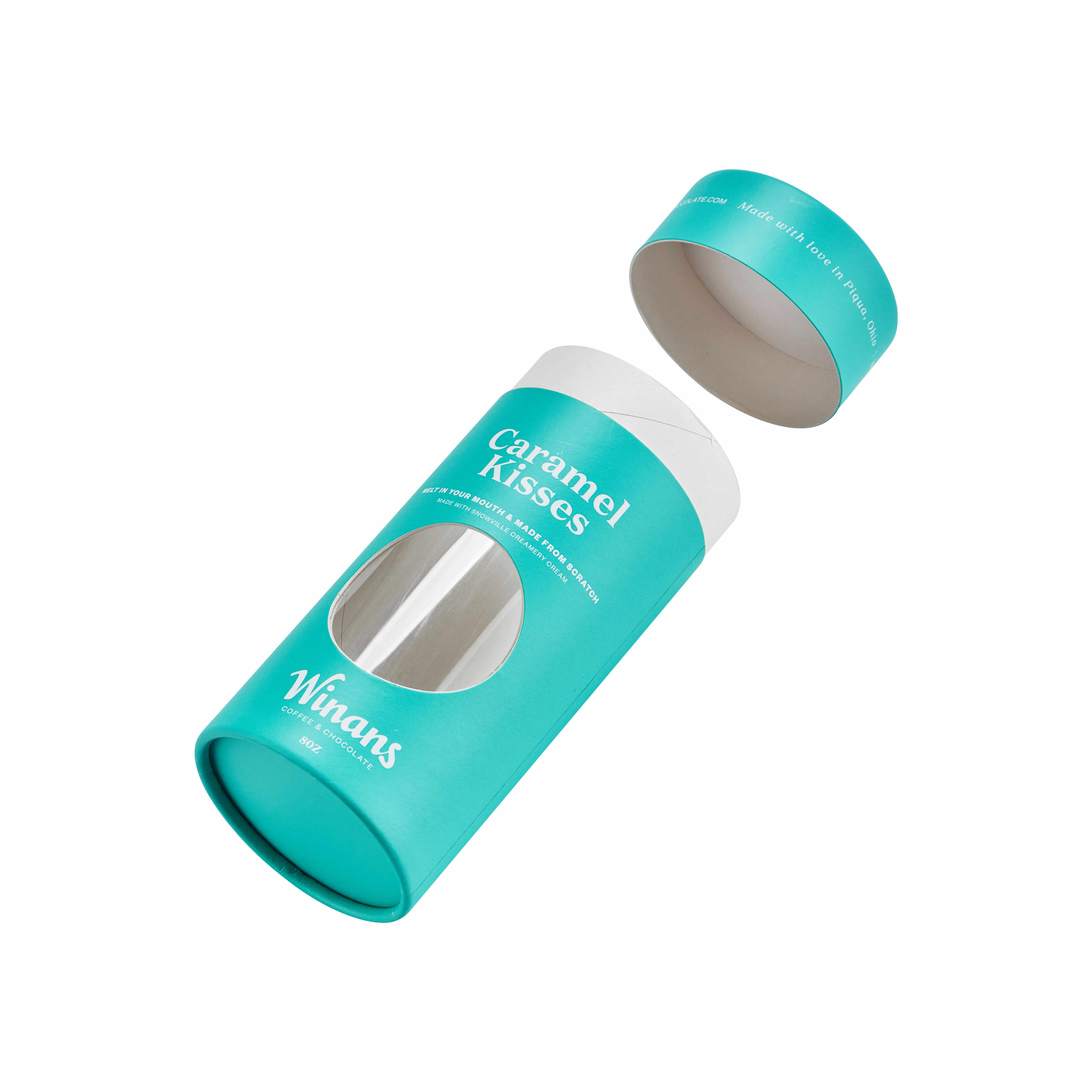
Round boxes have become increasingly popular in packaging due to their aesthetic appeal and structural advantages. The durability of these cylindrical containers depends heavily on the materials selected during manufacturing. Understanding the various materials available for round boxes production helps businesses make informed decisions about their packaging needs. Quality materials not only enhance the visual appeal but also ensure the contents remain protected during storage and transportation.
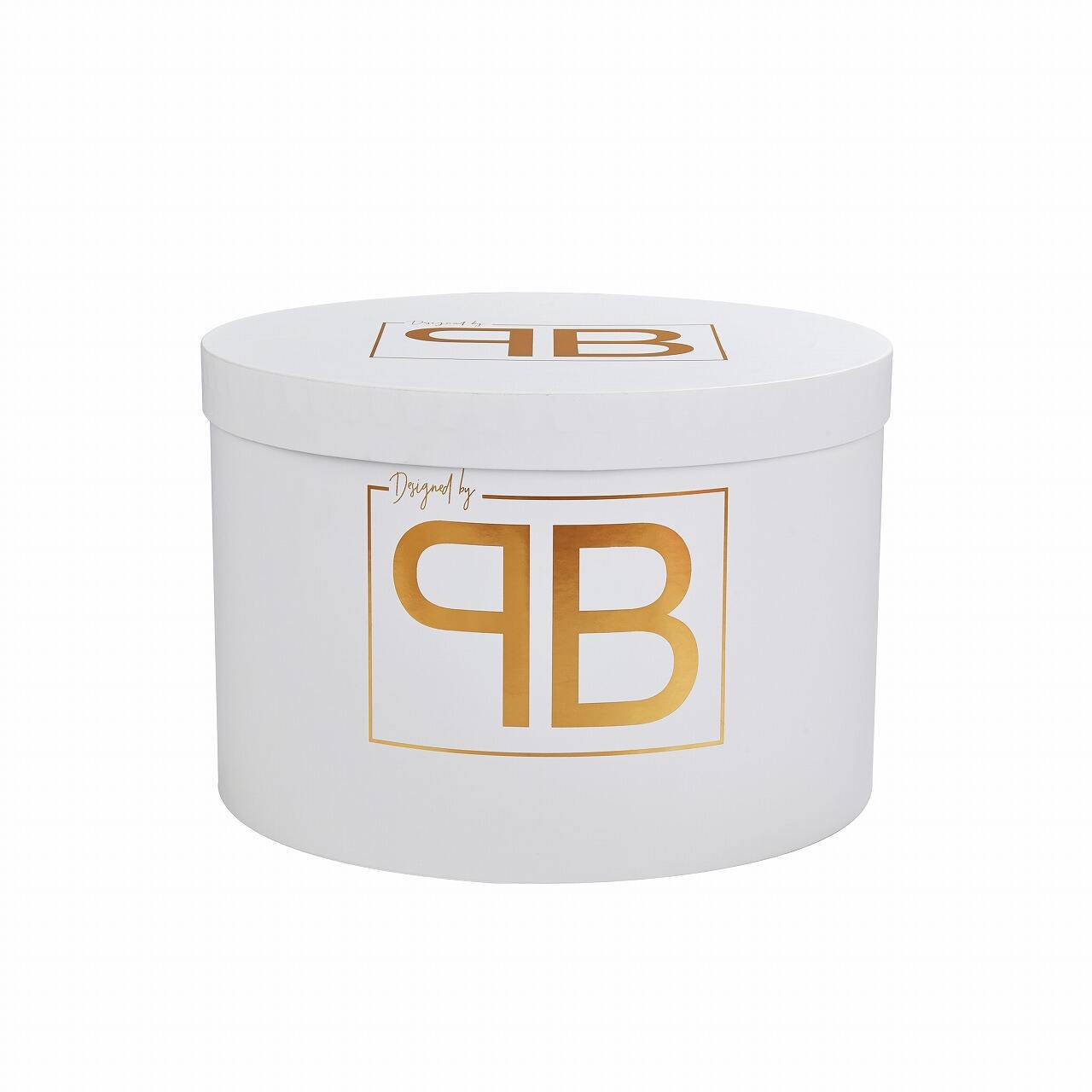
Premium Cardboard Materials for Round Box Construction
Corrugated Cardboard Advantages
Corrugated cardboard stands as the most widely used material for manufacturing durable round boxes across various industries. The fluted inner layer provides exceptional strength-to-weight ratio, making it ideal for shipping applications. This material offers excellent cushioning properties that protect delicate items from impact damage during transit. The multilayer construction allows manufacturers to customize thickness based on specific durability requirements for different round boxes applications.
The sustainability factor of corrugated cardboard makes it particularly attractive for businesses focusing on environmental responsibility. Recycled content can comprise up to ninety percent of the material composition without compromising structural integrity. Manufacturing processes for corrugated round boxes have been refined to minimize waste while maximizing material utilization efficiency.
Solid Fiberboard Properties
Solid fiberboard represents another excellent choice for creating robust round boxes that require enhanced durability. The dense composition provides superior puncture resistance compared to standard cardboard alternatives. This material maintains its structural integrity even under high humidity conditions, making it suitable for products requiring extended shelf life. The smooth surface of solid fiberboard allows for high-quality printing and finishing options.
Manufacturing round boxes from solid fiberboard involves specialized die-cutting techniques that ensure precise circular shapes. The material's consistent thickness throughout the sheet enables uniform folding and assembly processes. Quality control measures during production guarantee that each round box meets specified durability standards for commercial applications.
Specialty Materials for Enhanced Protection
Plastic-Coated Substrates
Plastic-coated materials offer enhanced moisture resistance for round boxes intended for food packaging or pharmaceutical applications. The thin polymer layer creates an effective barrier against liquids while maintaining the cardboard's structural properties. This coating technology extends the functional lifespan of round boxes in challenging environmental conditions. Various coating formulations are available to meet specific regulatory requirements for direct food contact.
The application process for plastic coatings requires precise temperature and pressure controls to ensure uniform coverage. Modern coating equipment allows manufacturers to apply multiple layers for increased protection levels. These enhanced round boxes demonstrate superior performance in refrigerated storage environments where condensation poses significant challenges.
Laminated Material Systems
Laminated materials combine multiple substrate layers to create exceptionally durable round boxes for premium applications. The bonding process involves specialized adhesives that maintain flexibility while providing strong inter-layer adhesion. These composite materials offer customizable properties by selecting different layer combinations based on performance requirements. The resulting round boxes exhibit enhanced tear resistance and dimensional stability.
Quality testing protocols for laminated round boxes include peel strength measurements and environmental stress evaluations. Manufacturing facilities must maintain controlled atmospheric conditions to ensure consistent lamination quality. The investment in laminated materials typically justifies itself through reduced product damage and enhanced brand perception.
Structural Design Considerations
Wall Thickness Optimization
Determining optimal wall thickness for round boxes requires careful analysis of intended use cases and load requirements. Thicker walls provide increased compression strength but also add weight and material costs. Engineering calculations help identify the minimum thickness needed to meet performance specifications. Modern testing equipment allows manufacturers to validate structural integrity before full-scale production.
The relationship between wall thickness and round boxes performance follows established engineering principles. Finite element analysis software helps predict failure modes under various loading conditions. This data-driven approach enables manufacturers to optimize material usage while maintaining required safety margins.
Reinforcement Strategies
Strategic reinforcement placement significantly improves the durability of round boxes without excessive material additions. Common reinforcement areas include the bottom panel connection points and lid attachment zones. Internal corner brackets provide additional structural support for heavy-duty applications. These reinforcements must be integrated during the design phase to ensure proper assembly compatibility.
Advanced manufacturing techniques allow for selective reinforcement application using automated equipment. The positioning accuracy of reinforcement elements directly impacts the overall strength of finished round boxes. Quality assurance procedures verify proper placement and adhesion of all reinforcement components before shipment.
Surface Treatment and Finishing Options
Protective Coating Applications
Surface treatments enhance the durability and appearance of round boxes through various coating technologies. Water-resistant coatings protect against humidity damage while maintaining breathability for certain applications. UV-protective coatings prevent color fading and material degradation from sunlight exposure. These treatments can be applied through spray, roll-coating, or dip processes depending on production requirements.
The selection of appropriate surface treatments depends on the intended environment for round boxes usage. Food-grade coatings meet strict regulatory standards for direct contact applications. Industrial coatings provide enhanced chemical resistance for harsh operating conditions where standard materials would deteriorate rapidly.
Printing and Branding Durability
High-quality printing processes ensure that branding elements on round boxes maintain their appearance throughout the product lifecycle. Digital printing offers flexibility for short runs and variable data applications. Offset printing provides superior color consistency for large volume production. The choice of inks and printing methods affects both appearance and durability of the finished graphics.
Scratch-resistant varnishes protect printed surfaces from handling damage during distribution. These protective layers must be compatible with the base material and any surface treatments already applied. Testing protocols verify that printed round boxes meet specified durability requirements under simulated use conditions.
Quality Control and Testing Standards
Material Specification Verification
Rigorous incoming material inspection ensures that all components meet specified requirements for round boxes production. Standardized testing procedures measure key properties such as tensile strength, compression resistance, and moisture content. Statistical process control methods track material quality trends over time. Any deviations from specifications trigger corrective actions to maintain consistent product quality.
Certification documents from material suppliers provide traceability for compliance purposes. Third-party testing laboratories often validate critical material properties to ensure objectivity. These quality measures help manufacturers maintain confidence in their round boxes performance characteristics.
Performance Testing Protocols
Comprehensive performance testing evaluates how finished round boxes perform under realistic use conditions. Drop testing simulates transportation impacts at various heights and orientations. Compression testing determines maximum stacking loads without structural failure. Environmental testing exposes round boxes to temperature and humidity cycling to verify long-term stability.
Edge crush strength measurements predict the stacking performance of round boxes in warehouse environments. Burst strength testing evaluates resistance to internal pressure from contents expansion. These standardized tests provide quantitative data for comparing different material options and design configurations.
Manufacturing Process Impact on Durability
Die-Cutting Precision Requirements
Precision die-cutting operations directly influence the structural integrity of round boxes through accurate material removal. Sharp cutting tools create clean edges that fold properly without stress concentrations. Tool maintenance schedules ensure consistent cutting quality throughout production runs. The relationship between cutting speed and material properties requires careful optimization for each substrate type.
Advanced die-cutting equipment incorporates real-time monitoring systems that detect tool wear and dimensional variations. Computer-controlled positioning systems maintain tight tolerances on curved cuts essential for round boxes geometry. These technological improvements result in more consistent product quality and reduced waste.
Assembly and Bonding Techniques
Proper assembly techniques ensure that round boxes maintain their structural integrity throughout their service life. Adhesive selection must consider substrate compatibility and environmental exposure conditions. Hot-melt adhesives provide rapid bonding but may soften under elevated temperatures. Cold-set adhesives offer better heat resistance but require longer cure times during manufacturing.
Automated assembly equipment ensures consistent adhesive application and precise component positioning. Quality control checkpoints throughout the assembly process verify proper bonding before round boxes proceed to packaging. Statistical sampling plans determine appropriate inspection frequencies based on production volume and quality requirements.
Cost-Performance Optimization Strategies
Material Selection Economics
Economic analysis of material options for round boxes must consider both initial costs and lifecycle performance. Premium materials with higher upfront costs may provide better value through reduced damage rates and extended service life. Volume purchasing agreements often reduce unit costs for high-consumption materials. Market price volatility requires flexible sourcing strategies to maintain cost competitiveness.
Life cycle cost analysis includes factors such as storage requirements, transportation efficiency, and end-of-life disposal costs. These comprehensive evaluations help identify the most economical material choices for specific round boxes applications. Regular market analysis ensures that material selections remain competitive over time.
Production Efficiency Considerations
Production efficiency improvements reduce manufacturing costs while maintaining quality standards for round boxes. Automated material handling systems minimize labor requirements and improve consistency. Predictive maintenance programs prevent unexpected equipment downtime that could impact delivery schedules. Lean manufacturing principles identify and eliminate waste throughout the production process.
Energy-efficient manufacturing equipment reduces operating costs while supporting sustainability objectives. Process optimization studies identify opportunities to reduce cycle times without compromising quality. These efficiency gains help manufacturers maintain competitive pricing for their round boxes products.
FAQ
What is the most durable material for round boxes manufacturing
Corrugated cardboard with plastic coating typically provides the best combination of durability and cost-effectiveness for round boxes. The corrugated structure offers excellent strength-to-weight ratio while the plastic coating adds moisture resistance. For applications requiring maximum durability, laminated materials combining multiple substrate layers deliver superior performance but at higher costs.
How does wall thickness affect round boxes durability
Wall thickness directly impacts the compression strength and overall durability of round boxes. Thicker walls provide better resistance to crushing forces and impacts but also increase weight and material costs. The optimal thickness depends on the intended use, with shipping applications typically requiring thicker walls than retail display purposes. Engineering calculations help determine the minimum thickness needed for specific performance requirements.
Can recycled materials maintain durability in round boxes production
High-quality recycled materials can maintain excellent durability in round boxes manufacturing when properly processed and sorted. Modern recycling techniques preserve fiber strength through controlled contamination removal and gentle processing methods. Many manufacturers successfully use recycled content up to ninety percent without compromising structural performance. Regular testing ensures recycled materials meet the same specifications as virgin materials.
What testing standards verify round boxes durability
Standard testing methods for round boxes durability include edge crush strength testing, burst strength measurement, and compression resistance evaluation. Drop testing simulates transportation impacts while environmental testing verifies performance under various temperature and humidity conditions. These standardized tests provide quantitative data for comparing different materials and designs. Third-party testing laboratories often conduct these evaluations to ensure objectivity and compliance with industry standards.
