
 EN
EN
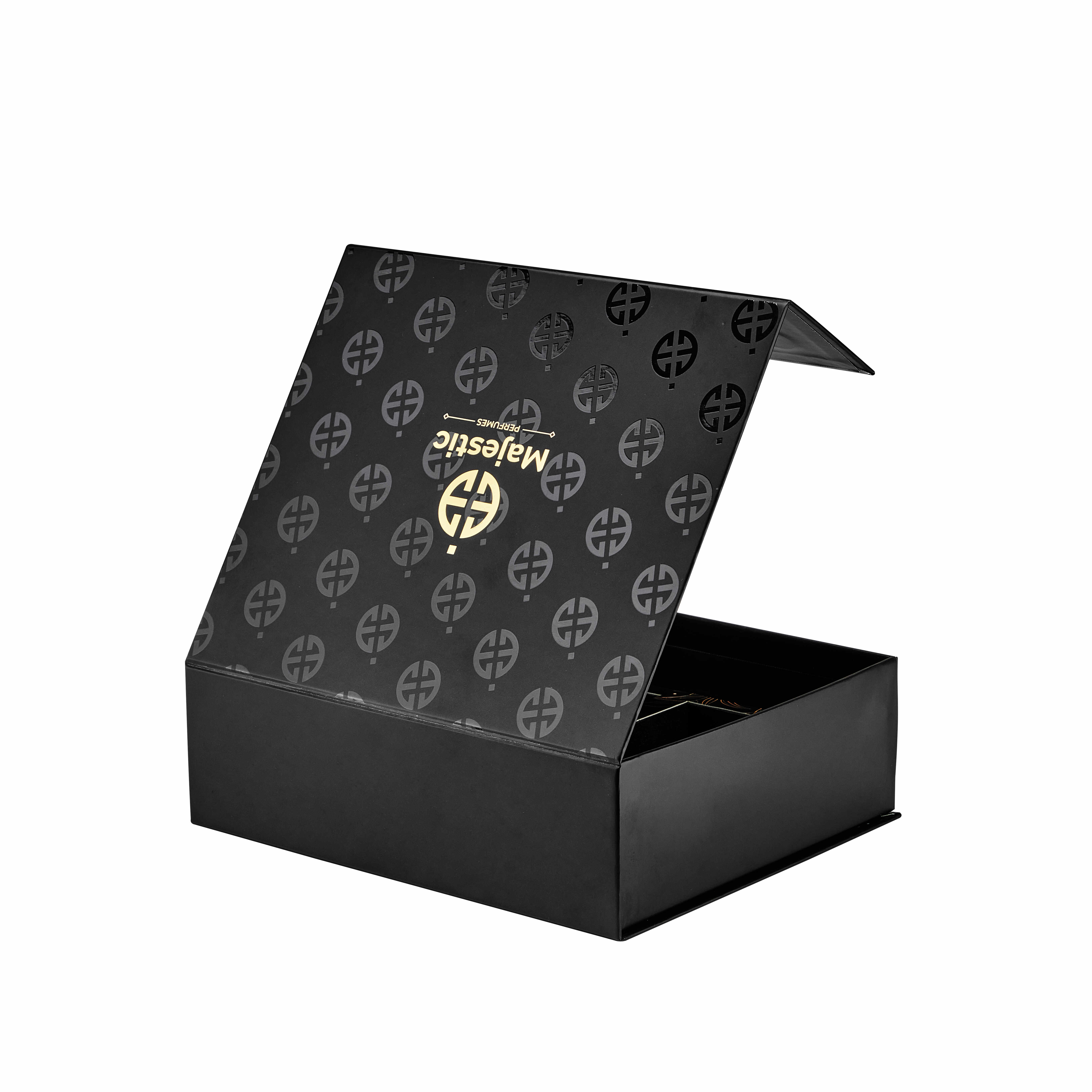
The structure of packaging plays a pivotal role in shaping consumer perceptions and purchasing decisions in today's competitive marketplace. When products compete for attention on crowded shelves, the packaging often serves as the first point of contact between brand and consumer. A well-designed rigid box can transform an ordinary product into a premium offering, creating an immediate impression of quality and value. The structural integrity, material selection, and design elements of rigid packaging work together to communicate brand values and establish emotional connections with consumers.

The Psychology Behind Rigid Box Perception
Visual Impact and First Impressions
Consumer psychology research consistently demonstrates that packaging design influences purchasing behavior within seconds of visual contact. The rigid box structure creates an immediate sense of substance and permanence that lighter packaging alternatives cannot match. The weight, texture, and visual presence of a rigid box communicate premium quality before consumers even examine the product inside. This psychological phenomenon, known as the halo effect, allows positive packaging impressions to influence overall product perception.
The structural design of a rigid box contributes significantly to brand storytelling and positioning. Sharp edges, clean lines, and precise construction suggest attention to detail and quality control throughout the manufacturing process. When consumers handle a well-constructed rigid box, the tactile experience reinforces visual impressions and creates a multisensory engagement with the brand. This physical interaction builds trust and confidence in the product quality.
Material Quality and Consumer Trust
The choice of materials in rigid box construction directly impacts consumer perception of product value and brand reliability. High-quality cardboard, premium paperboard, and specialized finishing materials signal investment in product presentation and customer experience. Consumers often associate heavier packaging materials with superior product quality, creating a direct correlation between packaging weight and perceived value. This association stems from evolutionary psychology, where weight and density traditionally indicated substance and worth.
Surface treatments and finishing techniques further enhance the perceived value of rigid box packaging. Soft-touch coatings, metallic foils, embossing, and spot UV applications create visual and tactile contrast that elevates the unboxing experience. These premium finishing elements require additional manufacturing investment, which consumers unconsciously recognize as indicators of brand commitment to quality. The rigid box structure provides an ideal foundation for these enhanced finishing techniques.
Structural Design Elements That Enhance Value Perception
Lid and Base Construction Benefits
The lid and base construction method represents one of the most effective rigid box designs for creating premium product presentation. This two-piece structure allows for precise fit and smooth operation, creating a satisfying opening experience that builds anticipation and excitement. The separate lid component provides additional branding opportunities through interior printing, hidden messages, or complementary design elements that surprise and delight consumers during the unboxing process.
Manufacturing precision in lid and base construction demonstrates quality control and attention to detail that consumers immediately recognize and appreciate. The smooth interaction between lid and base components requires exact measurements and careful assembly, suggesting similar precision in product manufacturing. When consumers experience this level of construction quality in packaging, they naturally extend these positive associations to the enclosed product, creating a powerful perception of overall brand excellence.
Interior Design and Product Presentation
The interior structure of a rigid box significantly influences product perception through strategic product positioning and protective design elements. Custom inserts, foam padding, and product-specific cutouts create a sense of luxury and care that mass-produced packaging cannot achieve. These interior design elements suggest that each product receives individual attention and protection, reinforcing premium positioning and justifying higher price points.
Color coordination between exterior and interior surfaces creates a cohesive brand experience that extends the visual impact beyond the initial impression. Contrasting interior colors can create dramatic reveals during opening, while complementary color schemes maintain sophisticated consistency throughout the unboxing experience. The rigid box structure provides the stability necessary to support complex interior designs without compromising structural integrity or opening functionality.
Brand Communication Through Rigid Box Design
Logo Placement and Brand Visibility
Strategic logo placement on rigid box surfaces maximizes brand recognition while maintaining design elegance and visual balance. The multiple surfaces of a rigid box provide numerous opportunities for brand communication without overwhelming the overall design aesthetic. Primary logo placement on the top surface ensures immediate brand recognition, while secondary brand elements on sides and interior surfaces create comprehensive brand immersion throughout the customer interaction.
The substantial surface area of a rigid box allows for sophisticated brand storytelling through graphics, typography, and imagery integration. Unlike flexible packaging that may distort under handling, rigid structures maintain graphic integrity and color accuracy throughout distribution and display. This consistency ensures that brand messages reach consumers exactly as intended, maintaining professional appearance and communication effectiveness.
Typography and Information Hierarchy
Typography selection and arrangement on rigid box surfaces significantly impact readability and brand personality communication. The stable surface of rigid packaging supports fine typography details, intricate fonts, and complex information layouts that would be impractical on flexible alternatives. Clear information hierarchy guides consumer attention through product benefits, usage instructions, and brand messaging in a logical sequence that supports purchasing decisions.
Regulatory compliance information, nutritional data, and product specifications can be elegantly integrated into rigid box design without compromising aesthetic appeal. The additional surface area and structural stability allow designers to balance legal requirements with marketing objectives, creating packaging that satisfies regulatory obligations while maintaining premium visual presentation. This professional integration of mandatory information contributes to overall brand credibility and consumer confidence.
Manufacturing Excellence and Quality Assurance
Precision Engineering in Box Construction
Modern rigid box manufacturing employs precision engineering techniques that ensure consistent quality and dimensional accuracy across production runs. Computer-controlled cutting systems, automated folding equipment, and quality control protocols maintain tight tolerances that result in perfectly fitted components and smooth assembly processes. This manufacturing precision translates directly into consumer perception of overall product quality and brand reliability.
Advanced adhesive systems and joining techniques create seamless connections between rigid box components that withstand handling stress and environmental conditions. The durability of these construction methods ensures that packaging maintains its premium appearance throughout the entire product lifecycle, from manufacturing through retail display to final consumer use. This longevity contributes to sustained positive brand impressions and potential secondary use of attractive rigid box packaging.
Quality Control Standards and Consistency
Comprehensive quality control protocols in rigid box manufacturing address every aspect of construction, finishing, and performance to ensure consistent brand representation across all production batches. Dimensional verification, structural integrity testing, and visual inspection processes identify and eliminate substandard packaging before shipment to maintain brand reputation and consumer satisfaction. These quality standards directly support premium brand positioning and justify higher price points.
Material testing and performance validation ensure that rigid box packaging meets or exceeds expectations for protection, durability, and aesthetic presentation. Accelerated aging tests, drop tests, and environmental exposure evaluations verify that packaging will maintain its premium appearance and protective function throughout typical distribution and storage conditions. This thorough testing approach demonstrates brand commitment to quality and builds consumer confidence in product protection and presentation.
Market Positioning and Competitive Advantages
Premium Segment Differentiation
Rigid box packaging serves as a powerful differentiation tool in crowded marketplaces where multiple brands compete for consumer attention and premium positioning. The substantial investment required for rigid box packaging signals serious brand commitment and market presence that consumers recognize as indicators of established success and reliability. This perception creates competitive advantages that extend beyond product features to encompass overall brand experience and customer relationship building.
The visual weight and presence of rigid box packaging naturally elevates product positioning within retail environments, creating shelf impact that draws consumer attention and suggests premium value proposition. When surrounded by lighter packaging alternatives, a well-designed rigid box commands attention through its substantial presence and sophisticated presentation. This competitive advantage in retail visibility translates directly into increased consideration and purchase likelihood.
Customer Loyalty and Brand Recognition
Memorable unboxing experiences created by thoughtfully designed rigid box packaging build emotional connections between consumers and brands that extend far beyond the initial purchase transaction. The tactile satisfaction of opening a well-constructed rigid box creates positive associations that consumers remember and seek to repeat in future purchasing decisions. This emotional engagement contributes to customer loyalty and brand advocacy that drives long-term business success.
Social media sharing and word-of-mouth marketing naturally result from impressive rigid box packaging experiences as consumers document and share their positive brand interactions. The photogenic nature of premium rigid box packaging encourages social media posts that extend brand reach and reinforce premium positioning among wider consumer networks. This organic marketing amplification multiplies the return on investment in quality packaging design and construction.
Sustainability and Environmental Considerations
Eco-Friendly Material Options
Modern rigid box manufacturing increasingly incorporates sustainable materials and production processes that address growing consumer environmental consciousness without compromising quality or visual appeal. Recycled paperboard content, biodegradable adhesives, and water-based printing systems reduce environmental impact while maintaining the structural integrity and premium appearance that define effective rigid box packaging. These sustainable approaches align with contemporary consumer values and support responsible brand positioning.
The durability and reusability potential of rigid box packaging contribute to sustainability goals by reducing overall packaging waste through extended product lifecycles. Consumers often repurpose attractive rigid boxes for storage, organization, or gift-giving applications, extending the useful life of packaging materials beyond their original purpose. This secondary use potential adds value for consumers while reducing waste streams and supporting circular economy principles.
Lifecycle Assessment and Environmental Impact
Comprehensive lifecycle assessments of rigid box packaging consider environmental impacts from raw material sourcing through manufacturing, distribution, use, and end-of-life disposal or recycling. These evaluations help identify opportunities for environmental improvement while maintaining the quality and performance standards that support premium brand positioning. Transparent communication of environmental efforts enhances brand reputation among environmentally conscious consumers.
Collaboration with certified sustainable forestry programs and recycling initiatives demonstrates brand commitment to environmental responsibility while ensuring reliable material supply chains. These partnerships support long-term sustainability goals while maintaining consistent quality standards for rigid box production. Consumer awareness of these environmental initiatives contributes to positive brand perception and supports purchasing decisions among values-driven consumer segments.
FAQ
What makes rigid box packaging more effective than other packaging types?
Rigid box packaging provides superior structural integrity, premium visual presentation, and enhanced product protection compared to flexible packaging alternatives. The substantial construction creates immediate quality perception, while multiple surface areas allow for comprehensive brand communication. The durability and reusability of rigid boxes extend brand interaction beyond the initial purchase, creating lasting positive impressions that support customer loyalty and repeat purchases.
How does rigid box construction affect manufacturing costs?
While rigid box manufacturing requires higher initial investment than flexible packaging options, the enhanced brand perception and customer satisfaction often justify the additional costs through increased sales volume and premium pricing opportunities. The substantial construction and finishing options available with rigid boxes allow brands to position products in higher value segments where improved margins offset packaging costs. Long-term brand building benefits often exceed short-term cost considerations.
What design elements are most important for rigid box effectiveness?
The most critical design elements include structural precision, material quality, surface finishing, and strategic brand placement that creates cohesive visual impact. Interior design elements such as custom inserts and protective padding enhance the unboxing experience while demonstrating product care and attention to detail. Color coordination, typography selection, and graphic integration should work together to communicate brand personality and values consistently across all packaging surfaces.
How can brands measure the success of rigid box packaging investments?
Brand impact measurement should include sales performance metrics, customer satisfaction surveys, social media engagement tracking, and brand perception studies that evaluate packaging effectiveness across multiple touchpoints. Return on investment calculations should consider not only direct sales impacts but also long-term brand equity building, customer retention improvements, and word-of-mouth marketing amplification that result from memorable packaging experiences. Regular market research and competitive analysis help optimize packaging strategies for maximum business impact.
