
 EN
EN
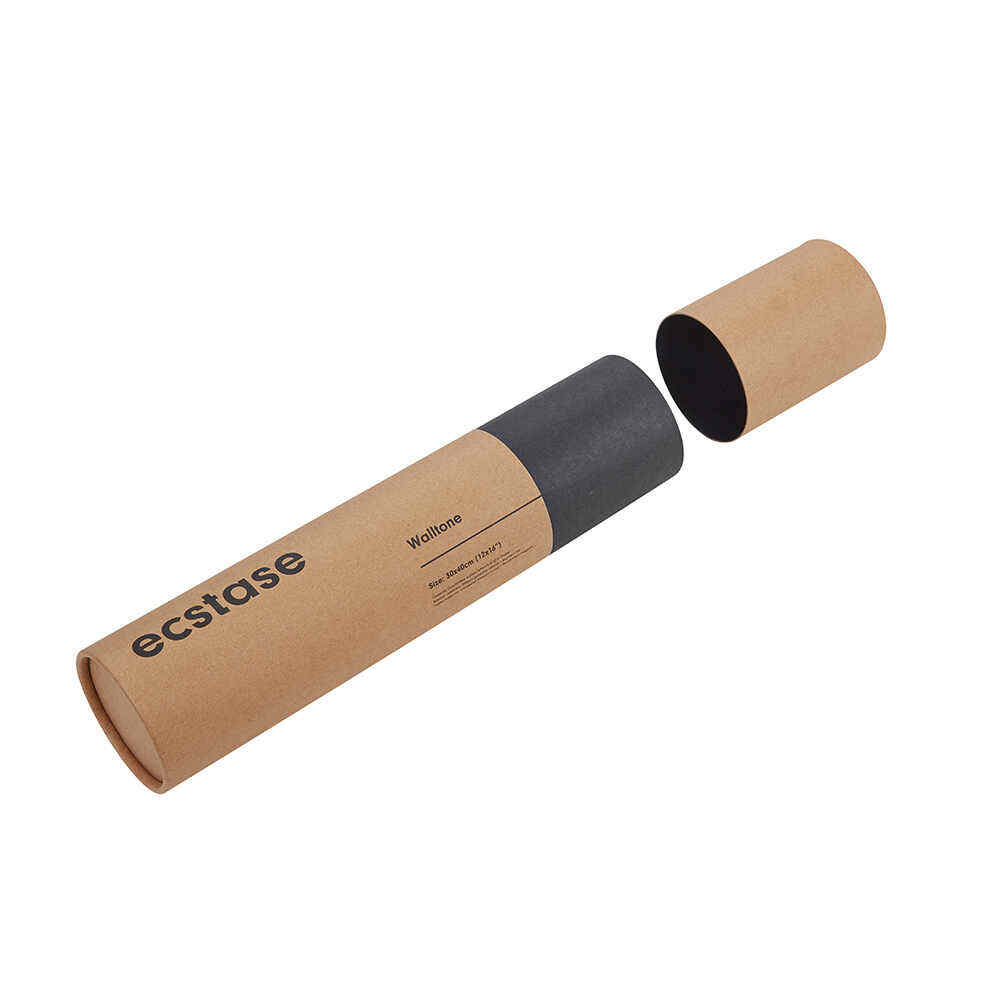
The visual appeal of a paper box can make or break a product's first impression with consumers. In today's competitive marketplace, packaging serves as a silent salesperson that communicates brand values, quality expectations, and product positioning before the customer even opens the container. Understanding the various printing techniques available for paper box customization allows manufacturers and brands to create packaging solutions that not only protect their products but also enhance market appeal and drive purchasing decisions.

Modern printing technologies have revolutionized how businesses approach paper box design, offering unprecedented opportunities for creativity and brand differentiation. From traditional offset printing to advanced digital techniques, each method brings unique advantages that can transform a simple paper box into a powerful marketing tool. The choice of printing technique directly impacts production costs, visual quality, durability, and overall customer perception of the packaged product.
Offset Printing Technologies for Paper Box Enhancement
Traditional Offset Printing Applications
Offset printing remains one of the most widely used techniques for paper box production due to its exceptional color accuracy and cost-effectiveness for large production runs. This method transfers ink from a printing plate to a rubber blanket, then onto the paper box surface, creating sharp, consistent images with minimal dot gain. The process excels at reproducing fine details, gradients, and complex color schemes that make each paper box visually striking and professionally finished.
The versatility of offset printing allows manufacturers to incorporate multiple color systems, including CMYK, Pantone spot colors, and metallic inks, giving designers complete creative control over their paper box aesthetics. Quality control measures ensure that each printed paper box maintains consistent color reproduction across entire production batches, which is crucial for brand recognition and customer satisfaction.
High-Speed Offset Production Benefits
High-speed offset printing systems can process thousands of paper box sheets per hour while maintaining exceptional print quality standards. This efficiency makes offset printing particularly attractive for businesses requiring large quantities of branded paper box packaging within tight deadlines. The technology's ability to handle various paper weights and textures expands design possibilities, allowing manufacturers to select optimal substrates that complement their printing designs.
Advanced offset printing equipment incorporates automated color management systems that continuously monitor and adjust ink density, ensuring every paper box meets predetermined quality specifications. These systems reduce waste, minimize production delays, and deliver consistent results that enhance brand credibility across all packaging applications.
Digital Printing Innovations
Variable Data Printing Capabilities
Digital printing technology enables unprecedented customization possibilities for paper box manufacturing, including variable data printing that allows each box to feature unique text, images, or codes. This capability transforms standard paper box packaging into personalized marketing tools that can include customer names, special messages, or serialized product information that enhances consumer engagement and brand loyalty.
The flexibility of digital printing eliminates the need for expensive plate changes, making short-run and prototype paper box production economically viable. Businesses can test multiple design variations, conduct market research, and implement rapid design modifications without incurring substantial setup costs associated with traditional printing methods.
Short-Run Production Advantages
Digital printing excels in short-run paper box production scenarios where traditional offset methods become cost-prohibitive due to setup requirements. This technology enables businesses to produce small quantities of specialized paper box designs for limited edition products, seasonal campaigns, or regional market testing without compromising print quality or brand consistency.
The rapid turnaround times associated with digital printing allow companies to respond quickly to market demands, implement last-minute design changes, and maintain lean inventory levels while ensuring adequate paper box supply for their products. This agility provides significant competitive advantages in fast-moving consumer goods markets where packaging freshness directly impacts sales performance.
Specialty Printing Techniques
Foil Stamping Applications
Foil stamping adds luxurious metallic or holographic elements to paper box surfaces, creating eye-catching accents that immediately communicate premium quality and brand sophistication. This technique uses heat and pressure to transfer thin foil layers onto specific areas of the paper box, resulting in brilliant, reflective finishes that stand out on retail shelves and enhance perceived product value.
The variety of available foil colors and textures allows designers to create unique visual effects that align with brand aesthetics and target market preferences. Gold, silver, copper, and holographic foils each convey different emotional responses, enabling precise brand positioning through strategic paper box customization choices.
Embossing and Debossing Effects
Embossing creates raised surface elements on paper box materials, adding tactile dimensions that engage multiple senses during the customer experience. This technique transforms flat graphics into three-dimensional features that customers can feel, creating memorable interactions that strengthen brand recall and product differentiation in competitive markets.
Debossing produces the opposite effect, creating recessed areas that add sophisticated depth and texture to paper box designs. Both techniques can be combined with foil stamping or spot UV coatings to create complex visual and tactile effects that position products as premium offerings worthy of higher price points.
UV Coating and Finishing Options
Spot UV Coating Benefits
Spot UV coating selectively applies high-gloss, durable finishes to specific areas of paper box surfaces, creating dramatic contrast between glossy and matte regions. This technique highlights important design elements such as logos, product names, or key graphics while providing enhanced protection against scuffing, moisture, and handling damage during distribution and retail display.
The precision application of spot UV coating allows designers to create sophisticated visual hierarchies that guide customer attention to critical information or brand elements on each paper box. This targeted approach maximizes impact while controlling finishing costs, making it an attractive option for businesses seeking premium aesthetics within budget constraints.
Full UV Coating Protection
Full UV coating provides comprehensive protection across entire paper box surfaces while delivering consistent gloss levels that enhance color vibrancy and overall visual impact. This finishing option significantly improves durability, making paper box packaging more resistant to environmental factors, handling stress, and extended storage periods without quality degradation.
The enhanced surface properties created by full UV coating facilitate easier cleaning and maintenance, which is particularly important for paper box applications in food service, retail, and industrial environments where packaging hygiene and appearance directly impact customer satisfaction and regulatory compliance.
Sustainable Printing Solutions
Eco-Friendly Ink Technologies
Water-based and vegetable oil-based inks provide environmentally responsible alternatives to traditional petroleum-based printing solutions without compromising paper box print quality or durability. These sustainable ink formulations reduce volatile organic compound emissions, improve workplace safety, and support corporate sustainability initiatives that resonate with environmentally conscious consumers.
The performance characteristics of eco-friendly inks continue to improve through technological advancement, offering comparable color accuracy, fade resistance, and adhesion properties to conventional alternatives. This evolution enables businesses to maintain high-quality paper box aesthetics while demonstrating environmental responsibility that can enhance brand reputation and customer loyalty.
Recyclable Coating Options
Recyclable coating technologies ensure that printed paper box materials can be processed through standard recycling streams without contaminating recovered fiber supplies. These coatings maintain necessary protective and aesthetic properties while using formulations that break down harmlessly during the recycling process, supporting circular economy principles.
The development of recyclable coatings addresses growing consumer demands for sustainable packaging solutions while enabling businesses to maintain premium paper box aesthetics. This balance between environmental responsibility and visual appeal creates competitive advantages in markets where sustainability considerations influence purchasing decisions.
Color Management and Quality Control
Pantone Color Matching Systems
Precise color matching ensures that every paper box maintains consistent brand colors across different production runs, printing facilities, and substrate variations. Pantone color systems provide standardized references that eliminate color interpretation differences between designers, printers, and quality control personnel, resulting in predictable paper box appearance regardless of production variables.
Advanced color matching technologies incorporate spectrophotometric measurements and automated adjustment systems that monitor color accuracy throughout production processes. These quality control measures prevent color drift, reduce waste from rejected paper box units, and maintain brand consistency that builds customer trust and recognition.
Print Quality Inspection Methods
Comprehensive quality inspection protocols evaluate multiple aspects of paper box print quality, including color accuracy, registration precision, ink coverage uniformity, and surface finish consistency. Automated inspection systems can detect defects that human inspectors might miss, ensuring that only paper box units meeting predetermined standards reach customers.
Statistical quality control methods track printing performance over time, identifying trends and potential issues before they impact paper box production quality. This proactive approach minimizes production disruptions, reduces waste, and maintains the consistent high-quality standards that customers expect from professional packaging solutions.
Cost Optimization Strategies
Production Volume Considerations
Understanding the relationship between production volume and printing costs enables businesses to select optimal printing methods for their specific paper box requirements. Large-volume orders typically favor offset printing due to lower per-unit costs after initial setup expenses, while smaller quantities often benefit from digital printing's reduced setup requirements and faster turnaround times.
Strategic planning of paper box production schedules can consolidate orders to achieve volume discounts while maintaining adequate inventory levels. This approach balances storage costs against printing economies of scale, optimizing total cost of ownership for paper box packaging programs.
Design Efficiency Principles
Efficient paper box design practices can significantly reduce printing costs without compromising visual impact or brand effectiveness. Optimizing color usage, minimizing specialty finishing requirements, and standardizing dimensions across product lines create opportunities for cost savings that can be reinvested in other aspects of packaging quality or marketing initiatives.
Collaborative design processes that involve printing professionals during concept development ensure that creative visions align with production realities and budget constraints. This early coordination prevents costly revisions and enables designers to maximize visual impact within established cost parameters for each paper box project.
FAQ
What printing method offers the best quality for small paper box orders
Digital printing provides the best quality-to-cost ratio for small paper box orders, typically under 1,000 units. This method eliminates expensive plate setup costs while delivering excellent color accuracy and detail reproduction. Digital printing also enables rapid turnaround times and easy customization options that make it ideal for prototype development, limited edition products, or market testing scenarios where traditional offset printing becomes economically unfeasible.
How do specialty finishes affect paper box durability
Specialty finishes like UV coating, lamination, and foil stamping significantly enhance paper box durability by adding protective barriers against moisture, scuffing, and handling damage. UV coatings create hard, scratch-resistant surfaces that maintain appearance quality throughout distribution and retail display. Foil stamping adds metallic elements that resist fading and wear, while embossing creates textured surfaces that can actually hide minor imperfections better than flat printed areas.
What sustainable printing options are available for eco-conscious brands
Eco-conscious brands can choose from water-based inks, soy-based inks, and recyclable coating systems that minimize environmental impact without compromising paper box quality. These sustainable options produce lower volatile organic compound emissions, use renewable resource components, and ensure that finished packaging can be processed through standard recycling streams. Many sustainable printing solutions also achieve comparable performance to traditional methods while supporting corporate environmental initiatives.
How can businesses ensure consistent color matching across different paper box productions
Consistent color matching requires implementing standardized color management systems using Pantone reference guides, calibrated printing equipment, and regular quality control inspections. Businesses should establish color approval processes that include physical samples, maintain detailed color specifications for each paper box design, and work with printing partners who use spectrophotometric color measurement tools. Regular communication between design teams and printing facilities ensures that color expectations align with production capabilities and maintain brand consistency across all packaging applications.
