
 EN
EN
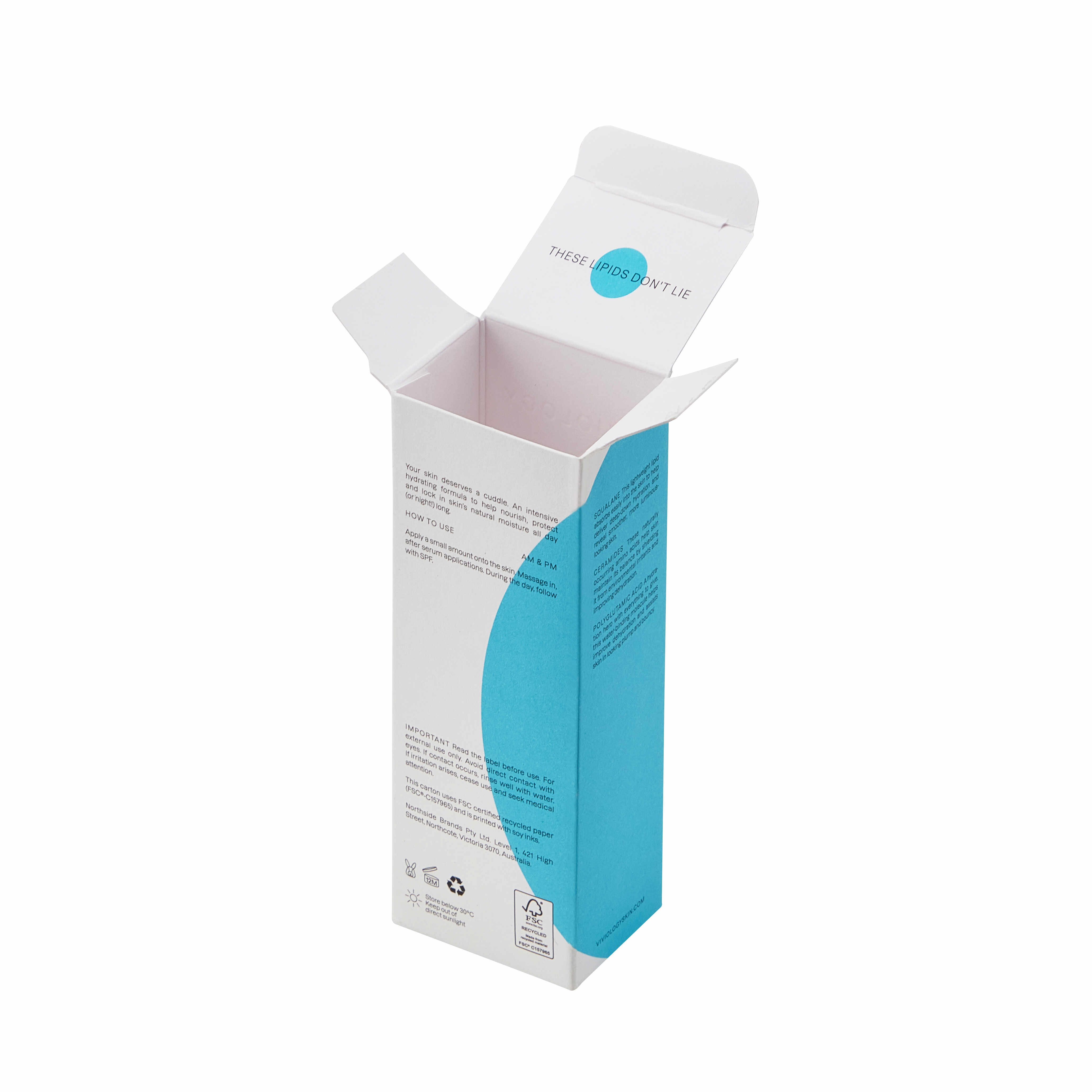
The packaging industry has witnessed a remarkable transformation as sustainability takes center stage in consumer decision-making. Eco-friendly brands are increasingly turning to sustainable packaging solutions that align with their environmental values while maintaining product integrity and brand appeal. Among these solutions, the paper box has emerged as a preferred choice for companies committed to reducing their environmental footprint without compromising on quality or aesthetics.
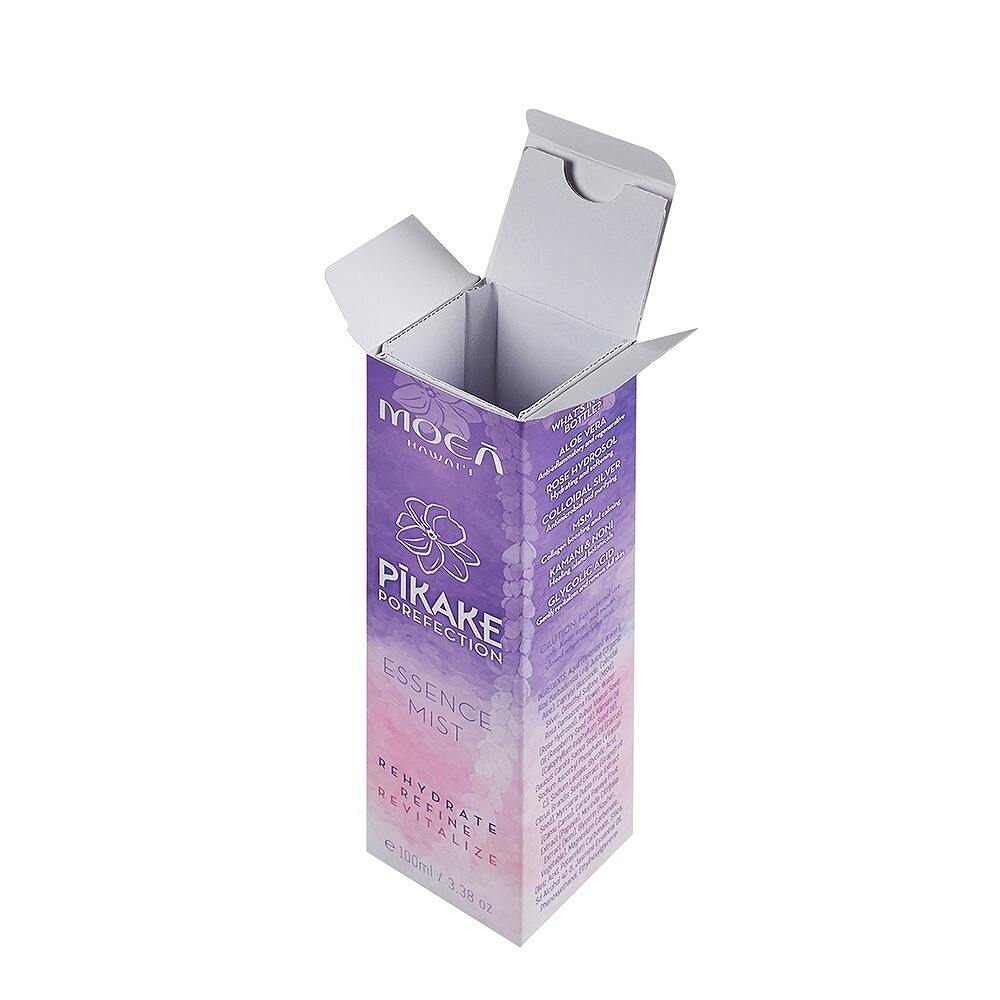
Modern consumers are becoming increasingly conscious about the environmental impact of their purchasing decisions. This shift in consumer behavior has prompted brands across various industries to reconsider their packaging strategies. The traditional reliance on plastic and non-recyclable materials is giving way to innovative alternatives that offer both functionality and environmental responsibility. The paper box represents a perfect intersection of these requirements, providing brands with a versatile packaging solution that resonates with environmentally conscious consumers.
Environmental Benefits of Paper-Based Packaging
Biodegradability and Decomposition Advantages
Paper boxes offer significant environmental advantages over traditional packaging materials due to their natural biodegradability. Unlike plastic containers that can persist in landfills for hundreds of years, a well-designed paper box typically decomposes within months when exposed to natural elements. This rapid decomposition process significantly reduces long-term environmental impact and helps brands demonstrate their commitment to sustainability. The organic nature of paper materials means they integrate seamlessly into natural recycling cycles without leaving harmful residues.
The biodegradation process of paper packaging occurs through natural microbial action, breaking down cellulose fibers into harmless organic compounds. This natural decomposition contributes to soil enrichment rather than environmental pollution. Eco-friendly brands recognize that choosing a paper box for their products directly supports circular economy principles by ensuring packaging materials return to the earth without causing harm. This environmental benefit becomes particularly important for brands targeting environmentally conscious demographics.
Renewable Resource Utilization
Paper production relies on renewable forest resources that can be sustainably managed through responsible forestry practices. Modern paper box manufacturing increasingly utilizes materials from certified sustainable forests, ensuring that raw material sourcing supports long-term environmental health. Many manufacturers now source their paper from forests managed according to strict sustainability standards, creating a continuous cycle of growth, harvest, and regeneration that maintains forest ecosystems.
The renewable nature of paper materials contrasts sharply with petroleum-based plastics derived from finite fossil fuel resources. Brands choosing paper packaging demonstrate their commitment to supporting renewable resource cycles rather than depleting non-renewable materials. Additionally, advancements in sustainable forestry have improved the efficiency of paper production while maintaining forest biodiversity and ecosystem health. This sustainable approach to raw material sourcing aligns perfectly with eco-friendly brand values and long-term environmental stewardship.
Consumer Preference Trends and Market Demand
Growing Environmental Consciousness
Contemporary consumer research consistently reveals increasing preference for products packaged in environmentally responsible materials. Studies indicate that a significant percentage of consumers are willing to pay premium prices for products featuring sustainable packaging solutions. The paper box appeals directly to this growing demographic of environmentally conscious consumers who actively seek brands that align with their personal values regarding environmental protection and sustainability.
Market research demonstrates that consumers increasingly associate paper packaging with brand authenticity and environmental responsibility. This perception creates positive brand associations that extend beyond the immediate product experience. Eco-friendly brands leverage this consumer preference by prominently featuring their sustainable packaging choices in marketing communications. The visual and tactile qualities of a paper box often convey premium quality while simultaneously communicating environmental consciousness, creating a powerful combination that resonates with target audiences.
Influence on Purchase Decisions
Packaging significantly influences consumer purchase decisions, with sustainable options often serving as differentiating factors in competitive markets. The paper box has become a visual symbol of environmental responsibility that consumers can immediately recognize and appreciate. This immediate recognition creates positive associations that influence both initial purchase decisions and long-term brand loyalty. Consumers often perceive brands using sustainable packaging as more trustworthy and aligned with contemporary values.
Research indicates that sustainable packaging choices can significantly impact brand perception and customer retention rates. The tactile experience of handling a well-designed paper box often creates positive emotional connections that enhance overall product satisfaction. These emotional connections translate into increased brand advocacy, with consumers more likely to recommend products featuring sustainable packaging to friends and family. The cumulative effect of these positive associations contributes to stronger brand positioning in competitive markets.
Customization and Branding Opportunities
Design Flexibility and Creative Potential
Paper boxes offer exceptional design flexibility that allows brands to create distinctive packaging experiences while maintaining environmental responsibility. The printable surface of paper materials accommodates various printing techniques, colors, and finishes that enable creative brand expression. Custom paper box designs can incorporate unique structural elements, innovative opening mechanisms, and creative visual designs that differentiate products in competitive markets while supporting sustainability goals.
Advanced printing technologies enable high-quality graphics and intricate designs on paper surfaces, allowing brands to create visually striking packaging that commands attention on retail shelves. The versatility of paper materials supports various finishing techniques, including embossing, debossing, and specialty coatings that enhance tactile experiences. These customization options enable brands to create paper box solutions that perfectly align with their brand identity while maintaining environmental integrity.
Brand Identity Integration
Sustainable packaging provides unique opportunities for brands to integrate environmental messaging directly into their visual identity and brand communications. Custom paper boxes can feature sustainability certifications, environmental impact statements, and educational content that reinforces brand values. This integration creates packaging that serves dual purposes as product protection and brand communication vehicle, maximizing the impact of packaging investment while supporting marketing objectives.
The natural texture and appearance of paper materials complement various brand aesthetics, from minimalist designs to elaborate artistic presentations. Brands can leverage the inherent qualities of paper to create authentic, organic brand experiences that resonate with environmentally conscious consumers. Custom printing allows for incorporation of brand stories, sustainability commitments, and product information that educates consumers about environmental benefits while reinforcing brand positioning.
Cost-Effectiveness and Economic Considerations
Production and Manufacturing Efficiency
Paper box manufacturing has achieved significant efficiency improvements that make sustainable packaging economically viable for brands across various market segments. Modern production techniques enable high-volume manufacturing at competitive costs while maintaining quality standards required for premium products. The established infrastructure for paper production and processing creates economies of scale that benefit brands choosing sustainable packaging solutions.
Streamlined manufacturing processes for paper packaging often require less energy and resources compared to alternative materials, contributing to overall cost efficiency. The recyclability of paper materials also creates value recovery opportunities through waste reduction and material reclamation programs. These economic advantages make paper box solutions attractive for brands seeking to balance sustainability goals with budget constraints and profit margins.
Long-term Value and Brand Investment
Investing in sustainable packaging creates long-term value through enhanced brand reputation, customer loyalty, and market positioning advantages. The paper box choice demonstrates forward-thinking brand management that anticipates evolving consumer preferences and regulatory requirements. This proactive approach to sustainability often results in competitive advantages that translate into increased market share and customer retention over time.
Market analysis suggests that sustainable packaging choices contribute to brand valuation through improved consumer perception and reduced regulatory risks. The growing emphasis on corporate social responsibility makes environmental packaging choices increasingly important for brand investment value. Companies adopting sustainable practices early often benefit from first-mover advantages in markets where environmental consciousness becomes a primary purchase factor.
Regulatory Compliance and Future Considerations
Environmental Regulations and Standards
Increasing environmental regulations across global markets are making sustainable packaging choices not just preferred but often required for market access. Paper box solutions typically comply with existing and emerging environmental standards more easily than traditional packaging materials. Proactive adoption of sustainable packaging helps brands prepare for stricter regulations while avoiding costly transitions required when regulations mandate changes to existing packaging systems.
Regulatory frameworks increasingly favor packaging materials with clear recycling paths and minimal environmental impact throughout their lifecycle. Paper packaging typically meets these requirements while providing documentation and certification options that demonstrate compliance. The transparent supply chain for paper materials often simplifies regulatory reporting and environmental impact assessments required by various jurisdictions.
Industry Evolution and Innovation Trends
The packaging industry continues evolving toward more sustainable solutions, with paper-based innovations leading technological advancement in environmental packaging. Recent developments in barrier coatings, structural design, and manufacturing processes have expanded the applications for paper box solutions across various product categories. These innovations enable paper packaging to meet performance requirements previously achievable only through less sustainable materials.
Emerging technologies in paper treatment and coating are creating new possibilities for moisture resistance, barrier protection, and durability that extend the viable applications for paper packaging. Investment in research and development for sustainable packaging solutions indicates continued improvement in paper box performance characteristics. Brands adopting paper packaging now benefit from ongoing innovations that enhance functionality while maintaining environmental advantages.
FAQ
What makes paper boxes more environmentally friendly than plastic packaging
Paper boxes are more environmentally friendly because they are made from renewable forest resources and biodegrade naturally within months rather than persisting for hundreds of years like plastic. They can be recycled multiple times through existing waste management systems and decompose into harmless organic compounds that enrich soil rather than pollute the environment. Additionally, paper production has a lower carbon footprint and supports sustainable forestry practices when sourced responsibly.
How do paper boxes maintain product protection while being sustainable
Modern paper box manufacturing incorporates advanced engineering techniques and protective coatings that provide excellent product protection while maintaining environmental benefits. Structural design innovations create strong, durable packaging that protects products during shipping and handling. Specialized paper treatments can provide moisture resistance and barrier protection for sensitive products without compromising biodegradability or recyclability of the overall package.
Are paper boxes cost-competitive with traditional packaging options
Paper boxes are increasingly cost-competitive due to manufacturing efficiency improvements and economies of scale in production. While initial costs may be slightly higher than some traditional options, the long-term value includes enhanced brand reputation, customer loyalty, and compliance with environmental regulations. Many brands find that the marketing benefits and consumer appeal of sustainable packaging justify any premium costs, often leading to increased sales that offset higher packaging expenses.
Can paper boxes be customized for different product types and branding needs
Paper boxes offer exceptional customization flexibility through various printing techniques, structural designs, and finishing options that accommodate diverse product requirements and branding objectives. Advanced printing technology enables high-quality graphics, multiple colors, and special effects on paper surfaces. Custom structural elements, unique opening mechanisms, and specialized coatings can be incorporated to create distinctive packaging experiences while maintaining environmental benefits and brand alignment.
