All Categories
GPLPAK-adv001

Custom Tree Shape Advent Calendar Box | 24-Day Rigid Boxes

Key Features

Custom Size
7-Day Sampling
Free Design
Personalised
Additional Options
Price on Request
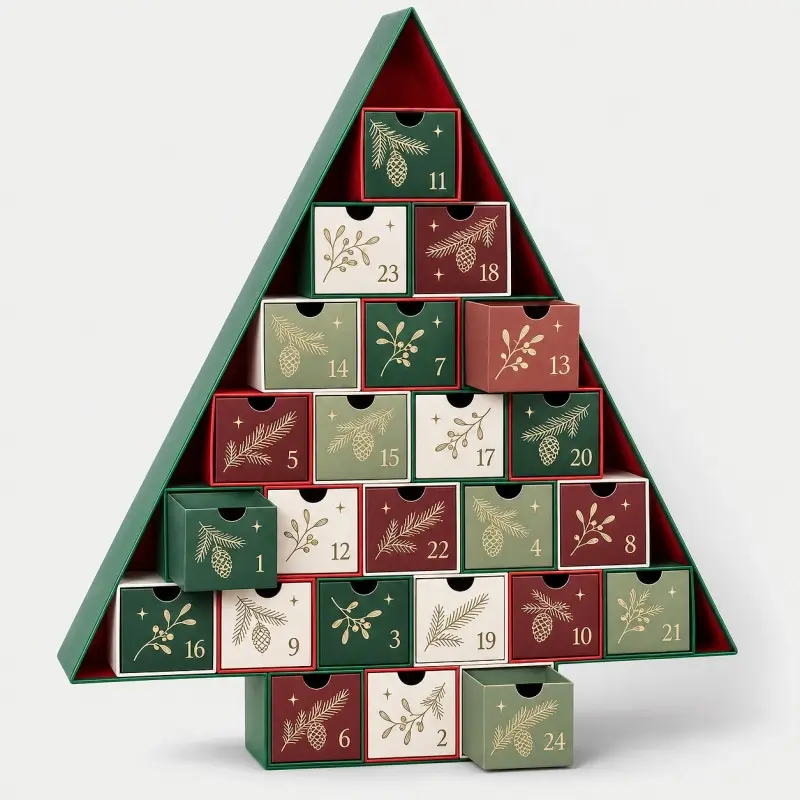
Concept visualization of a custom tree shape advent calendar box with 24 numbered rigid drawers
Bespoke 24-day countdown packaging for brands and gift programs
Custom Tree Shape Advent Calendar Box with 24 Rigid Drawers

A made-to-order Christmas tree silhouette engineered around your actual product assortment, with 24 individually fitted reveal positions, branded artwork and a sample-led route to wholesale production.

24-day drawer layout        Custom cavity sizes        Rigid wrapped-board construction        Artwork and finish development

Concept visualization. Final compartment layout, materials, dimensions and performance are confirmed through project-specific development and sampling.

Reference formatFreestanding tree silhouette with 24 pull-out boxes
ConstructionWrapped rigid-board shell, drawers and internal support grid
CustomizationSize, compartment map, print, paper and premium finishes
Best suited toBeauty, jewelry, wrapped treats, mini gifts and brand promotions
In brief

What Is a Custom Tree Shape Advent Calendar Box?

A custom tree shape advent calendar box is a made-to-order rigid paper packaging system whose outer profile resembles a Christmas tree and whose interior contains 24 individual drawers or compartments. Unlike a stock countdown box, this custom rigid advent calendar box is developed from the buyer's real products, launch quantity, retail display needs and distribution route, including its usable space, drawer sequence, support frame, artwork and master-carton plan.

Performance boundary: a rigid presentation calendar is not automatically a parcel-ready shipper. Protection should be evaluated with the complete filled calendar, its intended outer shipping carton and an agreed procedure selected for the actual route. ISTA distinguishes screening tests from general simulation procedures, so the test purpose must be defined before a result is interpreted.
The sourcing problem

Why a Tree Silhouette Is Harder Than a Rectangular Calendar

The stepped outline creates fewer usable square millimeters near the top, more exposed corners around the branches and a changing row width. If a supplier simply forces 24 equal drawers into a decorative shape, the result may waste volume, lean on shelf, jam during opening or require an unnecessarily large shipping carton.

Drawer fit must follow the product map

Twenty-four products often have different maximum dimensions, weights and fragile points. Each position needs its own usable internal size and removal clearance.

The shell must stay square around irregular edges

Branch tips, the star area and the narrow upper rows need controlled board joints and wrapping so the tree outline remains clean after assembly and transport.

Daily opening has to remain consistent

A drawer that is too loose looks untidy; one that is too tight damages the countdown experience. Opening force, finger access, wrap thickness and production tolerance should be checked together.

Freight cube can outweigh decorative ambition

An assembled rigid calendar consumes space. Buyers should compare the premium presentation value against master-carton quantity, pallet pattern, storage and any feasible modular or fold-flat alternative.

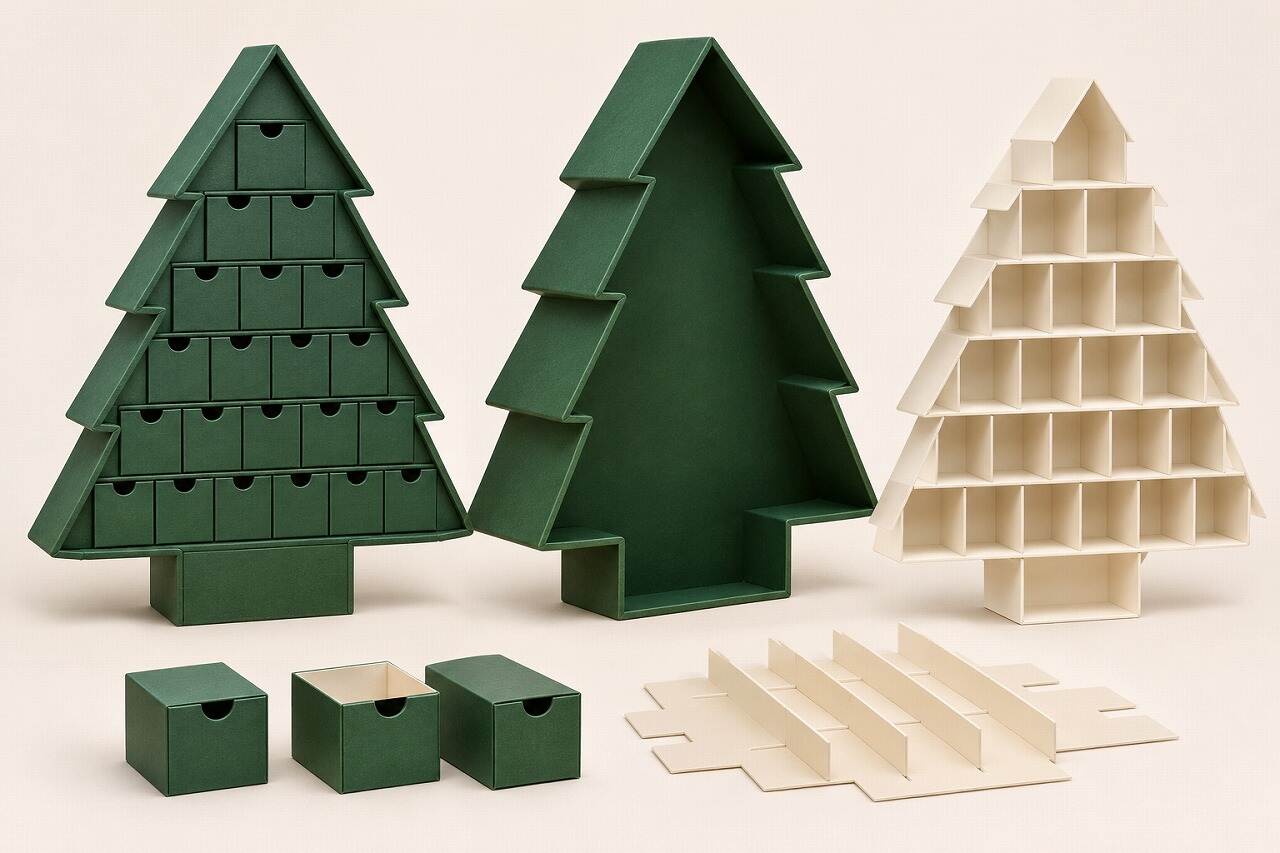
Concept visualization of a tree shaped rigid advent calendar shell, 24 drawer system and paperboard support structure
24-position fit engineering

Build Every Drawer Around the Actual Product Assortment

A single external dimension is not enough. GPLPAK can develop a position-by-position cavity map from production samples or controlled drawings, then return a structural sample for filling, removal and closing checks before decorated sampling.

  • Record the maximum length, width, height and filled weight of each SKU, including caps, pouches, sleeves and protective wraps.

  • Mark fragile, scuff-sensitive, leak-sensitive or compression-sensitive faces and the preferred product orientation.

  • Define finger access and removal direction so users do not pull on a cap, pump, seal or delicate decoration.

  • Decide whether drawer sizes may vary by row or whether repeated modules are required for filling efficiency.

  • Test the heaviest and largest verified SKU, not only an empty drawer or the smallest item in the range.

Concept visualization for structure discussion; it is not a production drawing or test record.

Specification matrix

Customized 24 Days Tree Shape Advent Rigid Boxes Need More Than Artwork

A useful RFQ connects each buyer input to a structure decision and an approval record. This prevents two suppliers from quoting boxes that look similar online but use different cavity space, board construction or pack-out assumptions.

Buyer inputWhat it controlsApproval evidence
24-product dimension and weight mapDrawer size, row arrangement, support grid and center of gravitySigned cavity drawing and filled blank sample
Retail display orientationBase width, tree profile, anti-tip need and front-facing graphicsAssembled display review on a level shelf
Opening sequence and user age groupNumber placement, finger notches, drawer retention and handlingRepeated opening trial with the filled sample
Artwork and finish mapPrint method, color target, foil, embossing and score clearancesDecorated sample and approved physical color target
Distribution route and master-carton limitsOuter protection, units per carton, pallet pattern and test planPack-out specification and agreed test report
Structure choices

Control the Shell, Drawers and Base as One System

The reference direction uses a rigid wrapped shell with removable small boxes. Each component affects the others, so board selection, wrap buildup, drawer clearance and the stabilizing base should be approved as a complete assembly.

ComponentPrimary functionCritical approval points
Tree-shaped outer shellCreates the silhouette and supports the drawer gridProfile symmetry, wrapped edges, branch-tip durability and panel flatness
Internal shelf or divider gridLocates each drawer and transfers loadSquare openings, adhesive control, sag under filled weight and access
Individual rigid drawersSeparates the daily gifts and carries numberingUsable internal dimensions, opening force, notch comfort and wrap alignment
Base or trunk supportStabilizes the freestanding displayFootprint, anti-tip behavior, packed center of gravity and shelf space
Master carton and protective fitmentsProtects branch tips, faces and finishes in distributionPack orientation, void control, carton count, labels and pallet pattern
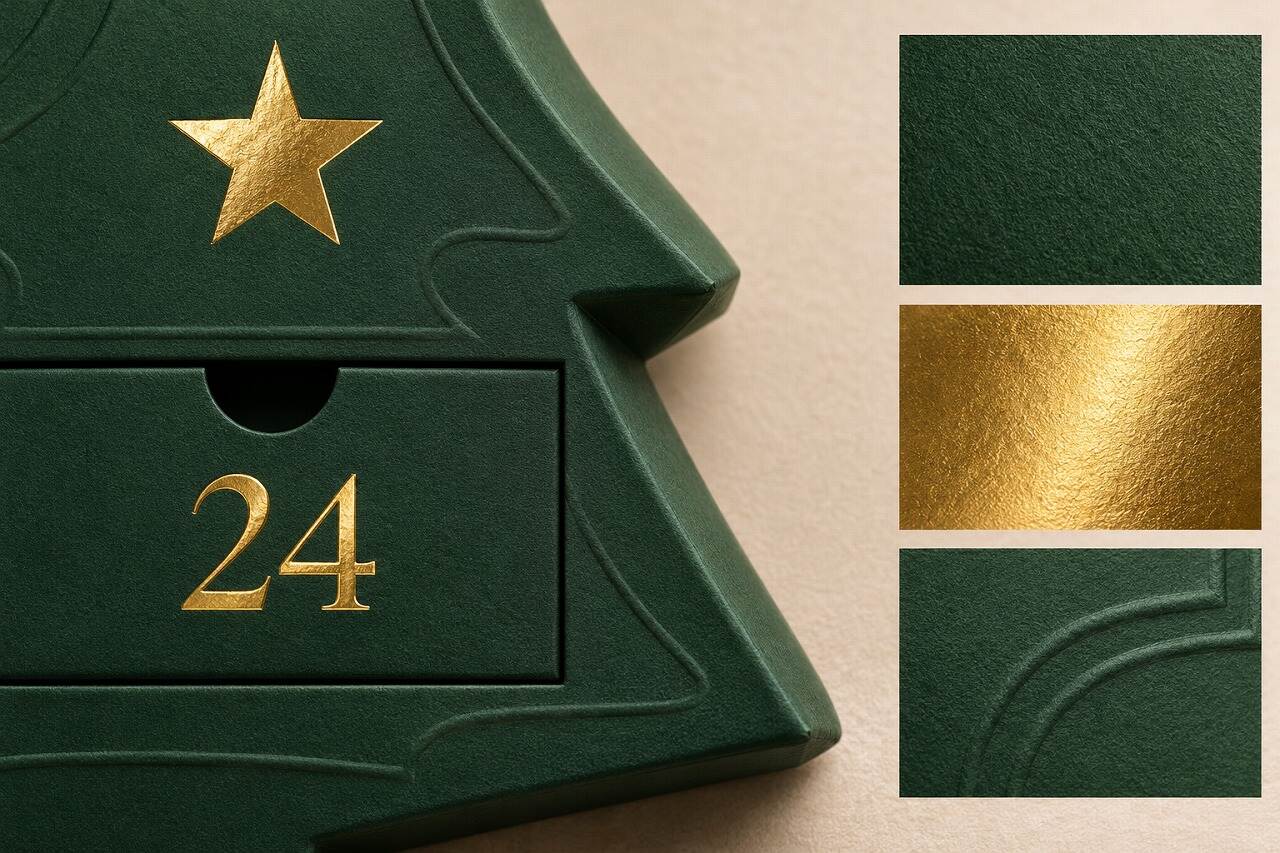
Concept close-up of green wrapped paper, gold foil numbering and embossing on a custom tree shaped advent calendar drawer
Print and finishing

Make the Tree Shape Read Clearly Without Overdecorating It

The silhouette already carries strong seasonal recognition. A restrained combination of surface color, crisp numbers and one or two tactile finishes usually gives the daily drawers more visual hierarchy than adding decoration to every edge.

OptionBest contributionWhat to approve
CMYK or spot-color printingSeasonal artwork, gradients and controlled brand colorsProof, physical color target, print direction and panel-to-panel continuity
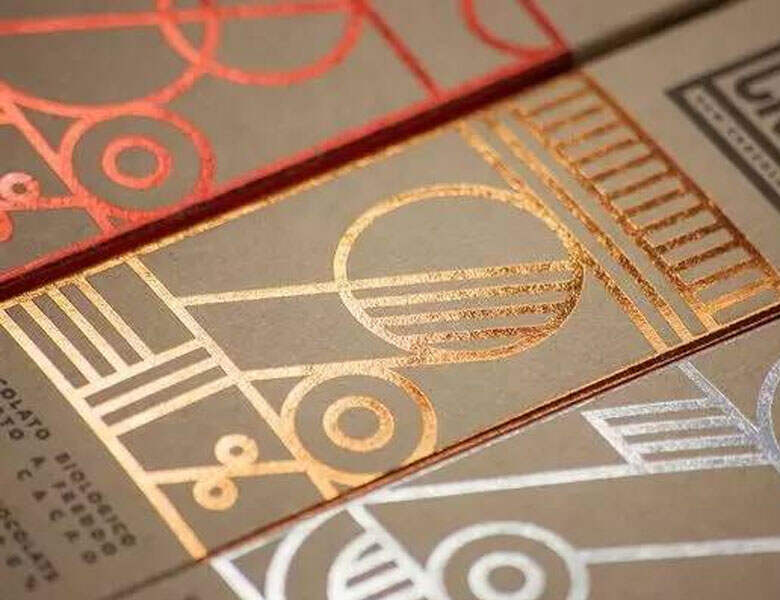
Gold or silver hot foilDrawer numbers, star details and selective logo emphasisFoil shade, edge definition, coverage, registration and rub behavior
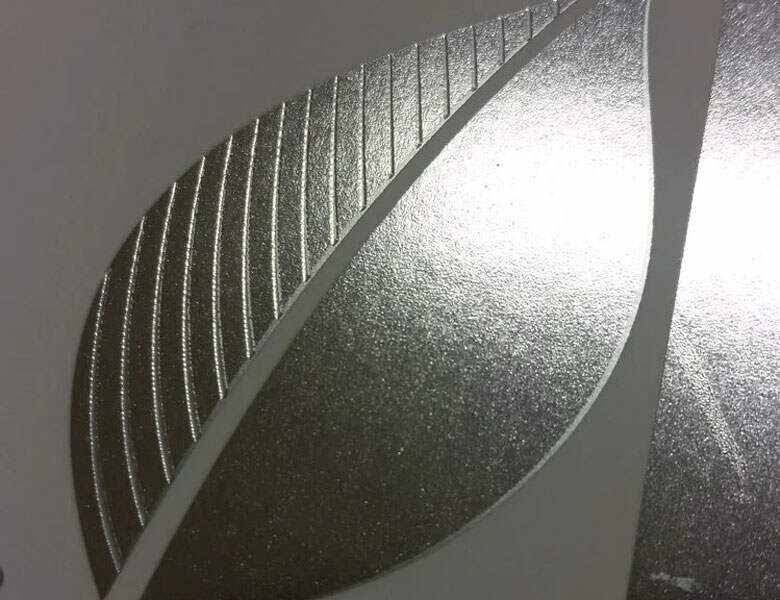
Embossing or debossingTactile branch lines, icons or background patternsRelief depth, reverse-side effect, paper cracking and alignment
Matte, anti-scuff or specialty paperPremium hand feel and controlled reflectionsWrap performance, fold whitening, fingerprints, scuffing and adhesive marks
Spot UVLocalized gloss contrast on ornaments or graphic detailsRegistration, edge buildup, cracking near folds and appearance under retail light

Concept visualization. Finish appearance must be approved on the selected paper and production-intent sample.

Applications and responsibility boundaries

Match the Calendar to the Product Category and Sales Route

The same 24-day tree shape can serve very different programs. Product sensitivity, consumer handling, primary packaging and destination-market obligations should be declared before the insert and material system are fixed.

Beauty and fragrance minis

Map pumps, caps, glass edges and leak-sensitive orientation. Keep drawer removal from pulling on closures or rubbing decorated bottles.

Jewelry and accessories

Define anti-tangle, scratch and presentation needs. Small items may require pouches, cards or inserts inside each drawer.

Wrapped confectionery and tea

State whether every item has sealed primary packaging. Direct food contact requires a separate material and regulatory review.

Mini gifts and collectibles

Check mixed sizes, sharp points, weight concentration and whether users need to identify, display or assemble the item after opening.

Food-contact boundary: the outer rigid calendar is normally secondary packaging when products remain sealed. If food or an exposed food-contact surface can touch paper, ink, coating, adhesive or an insert, suitability must be reviewed for the exact components and conditions of use. The FDA explains that the overall status of a food-contact article depends on its individual substances and intended use.
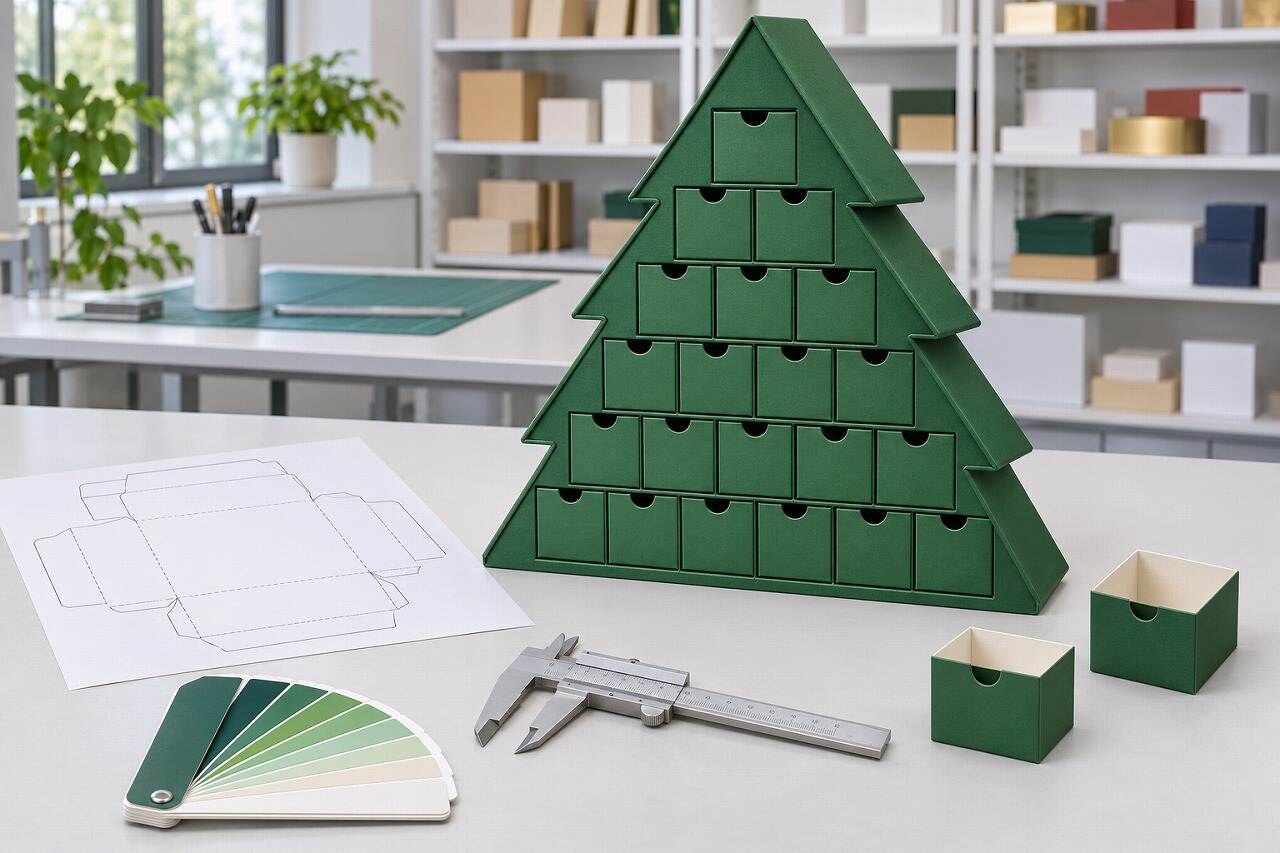
Concept quality inspection setup for a custom 24 day tree shape rigid advent calendar box with caliper and color swatches
Sampling and quality control

Approve Fit, Appearance and Pack-Out in Stages

A render confirms direction, not manufacturability. A staged sample route makes the expensive decorated sample more useful and gives production a signed reference for dimensions, colors, finishes and drawer action.

  1. Product map review: confirm every SKU's maximum dimensions, filled weight, orientation, contact risks and position number.

  2. Blank structural sample: load all 24 products and assess usable space, removal access, drawer movement, stability and closing condition.

  3. Decorated sample: approve paper, color, foil, embossing, number sequence, artwork alignment and visible workmanship.

  4. Complete pack-out sample: include the intended products, protective components, master carton and handling orientation.

  5. Production reference: retain the signed sample, revision-controlled drawing, artwork, material specification, packing instruction and agreed defect examples.

Inspection areaBuyer checkTypical fail condition
Drawer fit and sequenceOpen all 24 positions with the intended products loadedSticking, rattling, wrong number order or difficult removal
Tree profile and stabilityView front and sides on a level display with the real loadVisible lean, twisted branch edge, rocking base or tipping tendency
Print and finishCompare to approved target under consistent lightColor drift, foil pinholes, poor registration, scuffing or glue marks
Dimensions and workmanshipMeasure agreed critical features and compare to the signed sampleDrawer interference, uneven gaps, exposed board or lifted wrap
Distribution configurationEvaluate the complete packed system using the agreed route and procedureCorner damage, product migration, drawer opening or finish abrasion

Concept visualization. Project inspection criteria and any distribution test must be agreed in writing.

Commercial planning

What Determines MOQ, Price and Lead Time?

Responsible terms begin with an approved specification. The economical quantity and schedule can change substantially when one project contains 24 different drawer sizes, multiple artwork versions or labor-intensive assembly.

Size and board yield

Tree width, height, depth, board construction and sheet utilization affect material and freight cube.

Drawer variation

Repeated drawer modules simplify tooling and assembly; mixed sizes may improve product fit but add control points.

Print and finishing

Color count, foil area, embossing tools, specialty paper and finish registration add setup and inspection.

Artwork and SKU split

Different languages, markets, drawer artwork or numbered sequences can create repeated setups.

Assembly and supply scope

Empty packaging, assembled drawers, product kitting and master-carton pack-out require different labor and responsibility.

Seasonal deadline

Sampling revisions, peak-season capacity, product arrival, inspection and transport time should be planned backward from the in-store date.

No generic promise: MOQ, sample timing, production timing and unit price are confirmed only after the current dimensions, material, finish, quantity by artwork, assembly scope, destination and required date are reviewed. This keeps the quotation comparable and avoids a low headline price based on a different box.

RFQ checklist

Send These Details for an Actionable Quotation

If the structure is not fixed, send the product data first. GPLPAK can use the project brief to develop a feasible drawer map, tree profile and sampling route.

1. Product assortmentA numbered list of all 24 SKUs, maximum dimensions, filled weights, materials, fragile points and production samples or drawings.
2. Calendar configurationOverall size limits, preferred tree silhouette, drawer sequence, repeated or mixed modules, base style and opening experience.
3. Brand filesVector logo, artwork, defined colors, finish map, copy, number style, barcodes and market-specific information.
4. Commercial requirementsQuantity by artwork, target launch date, delivery destination, Incoterm request and whether split shipments are needed.
5. Pack-out and acceptanceWho fills the products, units per master carton, pallet constraints, distribution route, required documentation, inspection criteria and test objective.

Frequently asked questions

Custom Tree Shape Advent Calendar Box FAQ

1. Can all 24 drawers be different sizes?

Yes, subject to the available tree profile and manufacturing layout. Mixed drawer sizes can improve product fit, while repeated modules may simplify tooling, assembly and QC. The best choice comes from the 24-product map and target cost.

2. What information is required to customize a 24-day tree shape advent rigid box?

Provide the maximum dimensions and filled weight of every item, preferred position, quantity, artwork, finishes, destination, launch date, product-filling plan and distribution route. Physical products are preferred for final fit approval.

3. Can the tree shape, colors and numbered artwork be changed?

Yes. The profile, base, paper color, printed graphics, drawer sequence, numbering and suitable finishes can be developed around the brand. Feasibility is confirmed against the board construction, wrap method and approved sample.

4. Is this calendar suitable for chocolates or tea?

It can hold sealed, individually wrapped products when the drawer size and pack-out are suitable. Direct contact between food and paper, ink, coating, adhesive or inserts requires a separate review of the exact material system, intended use and destination market.

5. Can the rigid calendar ship flat?

The shown freestanding rigid construction is normally supplied assembled. If freight cube is a major constraint, ask GPLPAK to compare modular, collapsible or folding-carton directions. A different construction changes the opening experience, assembly work and performance and should be sampled separately.

6. What determines the MOQ and price?

Finished size, board yield, drawer variation, tooling, paper, print, foil or embossing, artwork split, assembly scope and quantity all affect the economical order. Request a project quotation rather than applying a standard-box price to a custom tree structure.

7. How should a sample be approved?

Approve a blank fit sample loaded with all 24 intended products, followed by a decorated sample and a complete pack-out sample. Retain a signed production reference with the drawing, artwork revision, material specification, packing instruction and defect examples.

8. Is the presentation box ready for courier shipping by itself?

Not automatically. The complete product-and-package system, shipping carton, route and test objective determine suitability. Some programs use a separate protective shipper around the display calendar; others develop and validate a route-specific pack-out.

Start with your 24-product map

Develop a Tree Shape Advent Calendar That Fits the Real Assortment

Send product samples or drawings, preferred positions, artwork, quantity, destination and required launch date. GPLPAK can review the tree profile, drawer map, wrapped-board construction, finishing, sampling route and wholesale pack-out for your rigid advent calendar as one project.

Related GPLPAK Resources

GPLPAK · Custom paper packaging manufacturer · Dongguan, China

Available Options

Materials

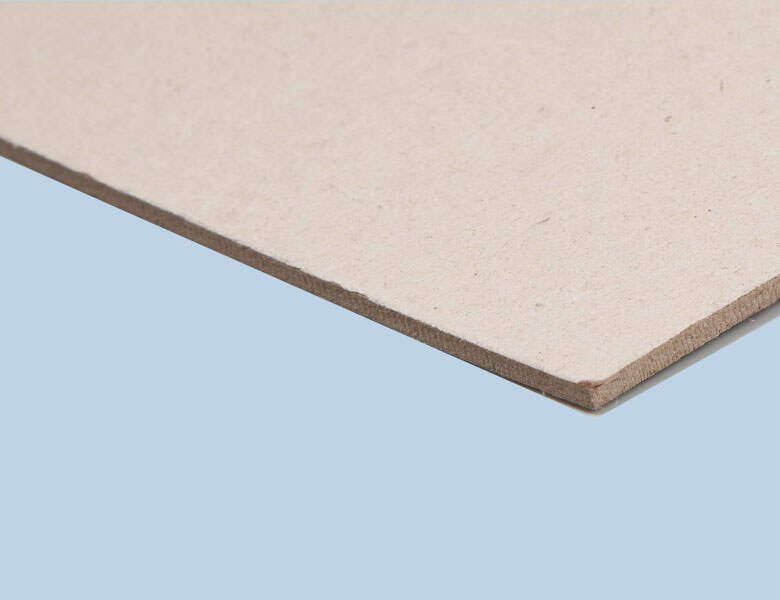
Grey Chipboard
Grey Chipboard
Coating Paper
Coating Paper
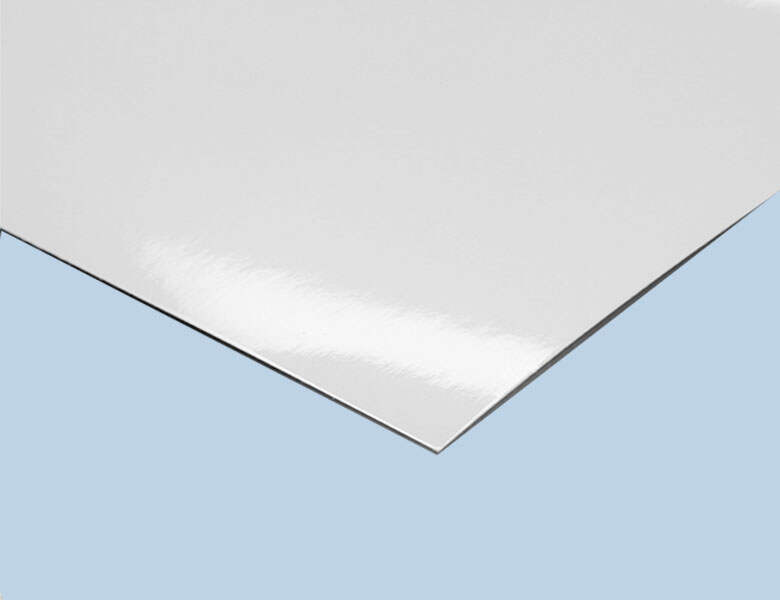
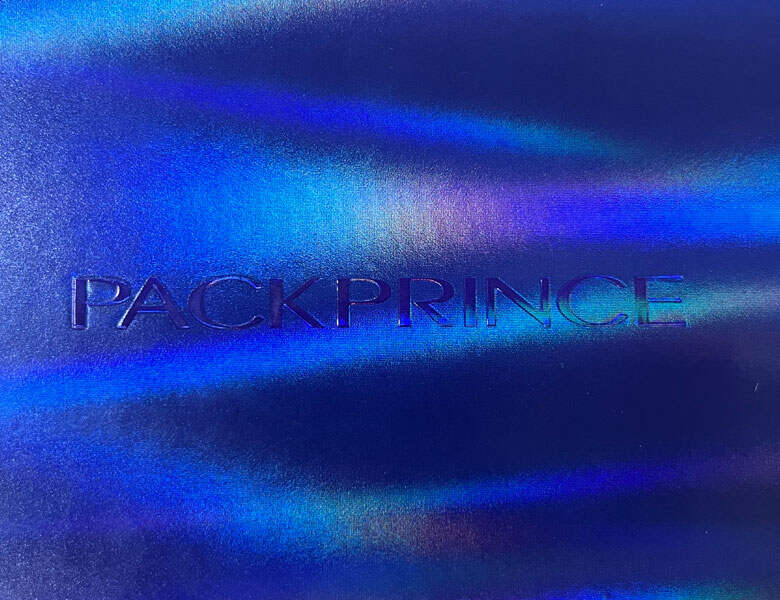
Holographic
Holographic
Leatherette Paper
Leatherette Paper
Metallic
Metallic
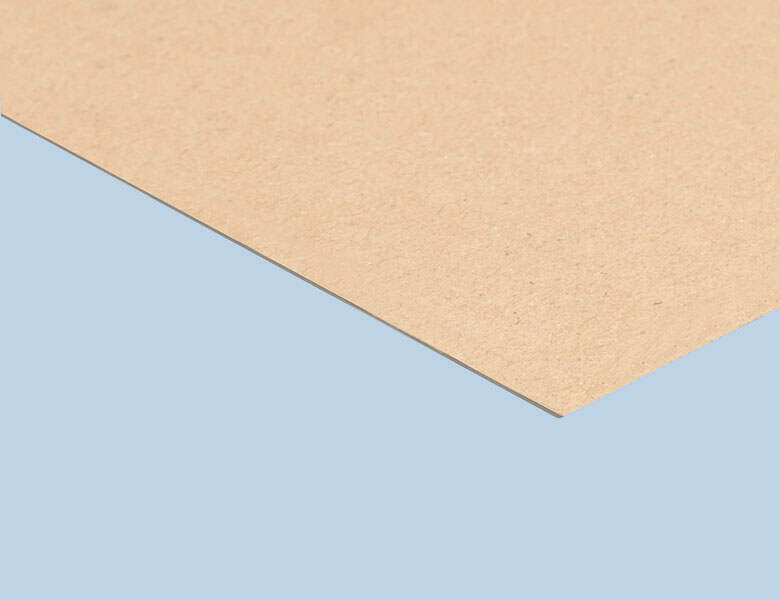
Natural Brown Kraft
Natural Brown Kraft
PU Leather
PU Leather
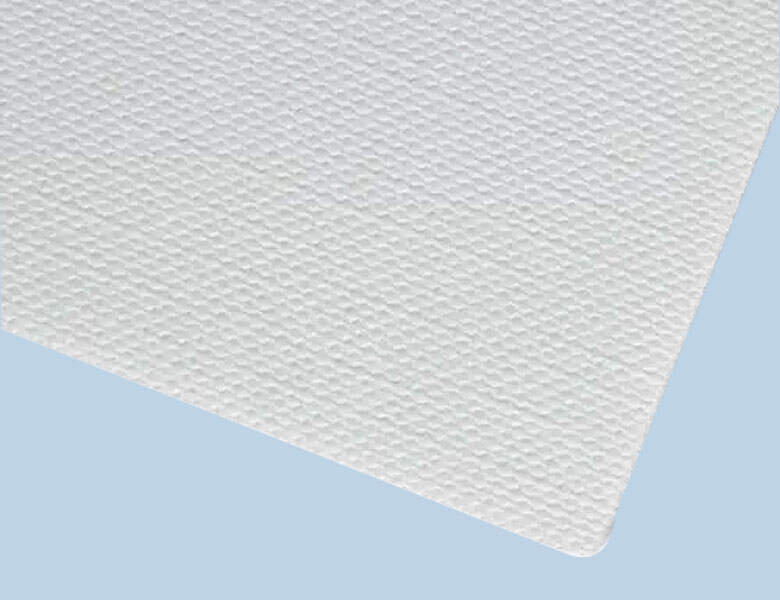
Textured paper
Textured paper

Color

Process
Colors
CMYK
CMYK
What Are Process Colors?

Process colors are based on the CMYK printing system, using layered dots of cyan, magenta, yellow, and black at varying densities to reproduce a full range of colors and smooth gradients.

In packaging production, CMYK printing is achieved through separate print towers, with each tower dedicated to one color. Together, the four towers work in sequence to accurately build the final image and color output.

Spot
Colors
PANTONE
Pantone
What Are Spot Colors?

Spot colors use pre-mixed inks that are printed directly, requiring only a single print tower. Because the color is predetermined, it ensures consistent results across different machines, suppliers, and production runs.

Unlike process colors, spot colors appear uniform even under close inspection, without visible CMYK dot patterns, delivering cleaner and more precise color reproduction.

Surface Finishing

Hot Foil Stamping
Hot Foil Stamping
Cold Foil Stamping
Cold Foil Stamping
Debossing
Debossing
Embossing
Embossing
Spot UV
Spot UV
Reverse UV
Reverse UV
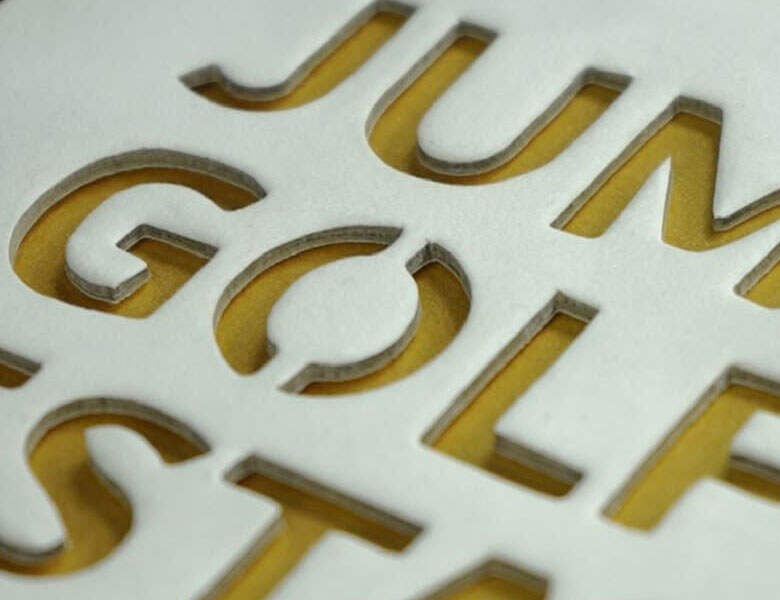
Die Cutting
Die Cutting
Fresnel Lens
Fresnel Lens

Lamination

Gloss Lamination
Gloss Lamination
Matte Lamination
Matte Lamination
Soft Touch Lamination
Anti-Scratch Lamination
Holographic Lamination
Plastic Replacement Coating
Varnishing
Varnishing
Water-Based Coating
Water-Based Coating

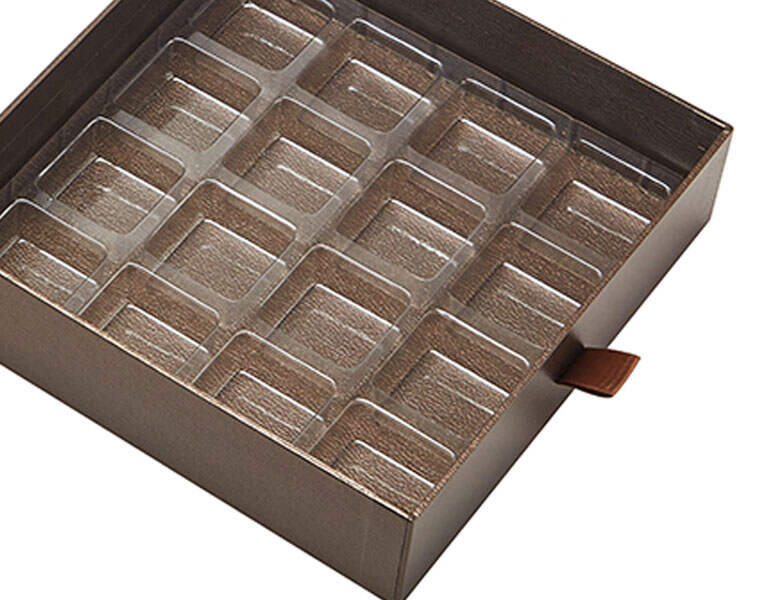
Boxes Insert

EVA Insert
EVA Insert
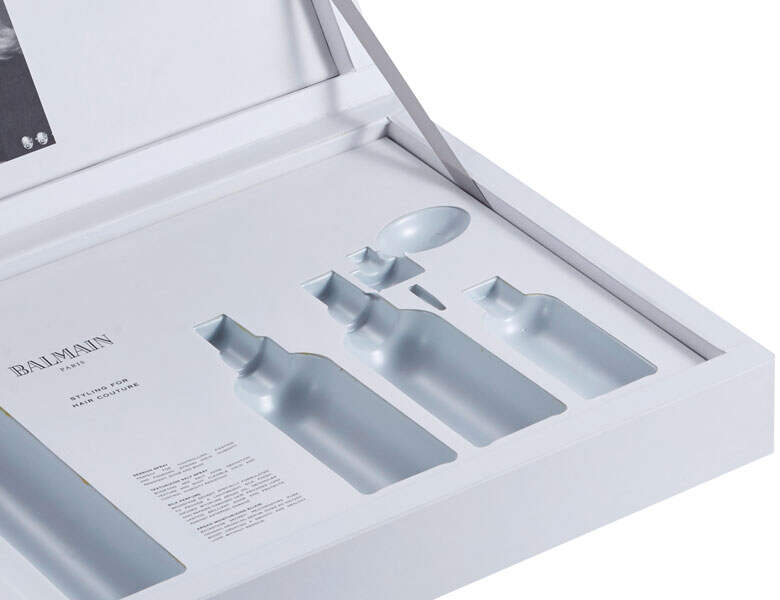
Foam Inserts
Foam Inserts
Grey Board Insert
Grey Board Insert
PET Blister Insert
PET Blister Insert
Folding Carton inserts
Paper Card Coating HIPS Blister
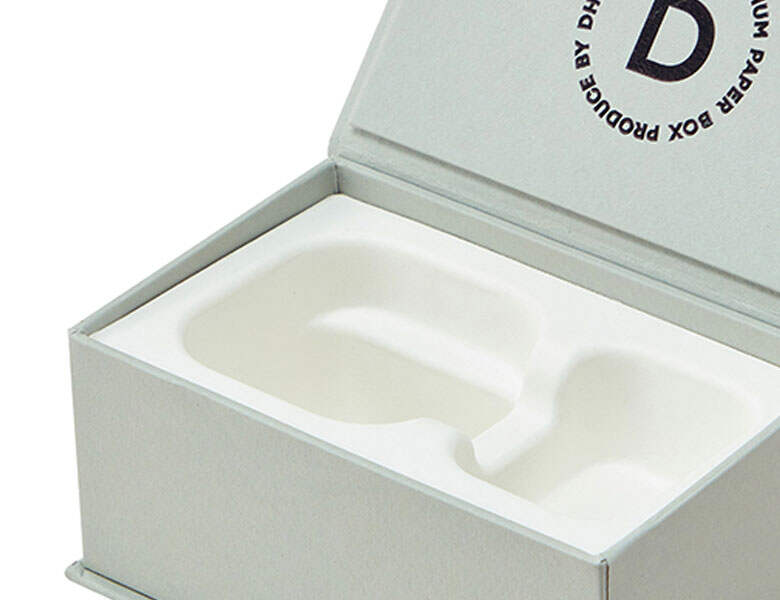
Molded Pulp Insert
Molded Pulp Insert
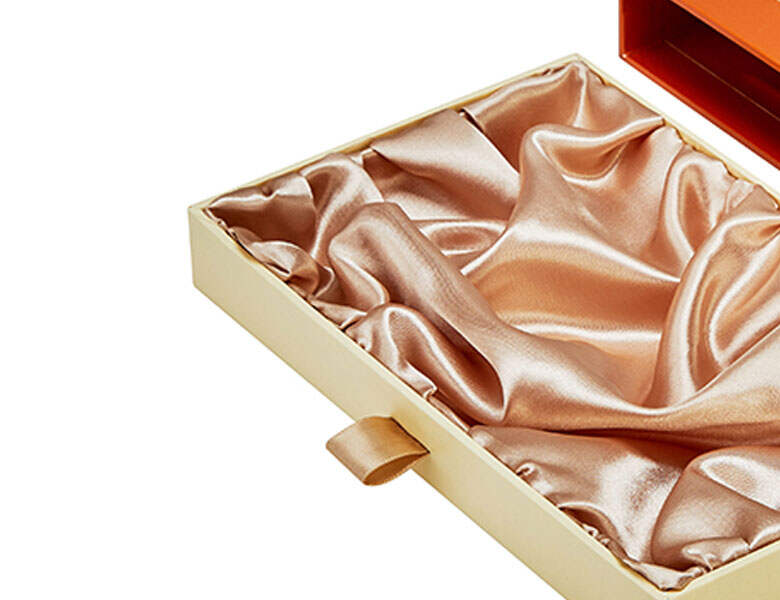
Satin Inserts
Satin Inserts

Order process

A single platform to get quotes and place orders, with dedicated
support every step of the way.

1

Customize your
packaging

Go to the gplpak platform to customize the size, materials, print, and finishes of your rigid boxes.

2

Get quotes &
samples

Compare packaging quotes and get a sample of your rigid box before starting a production order.

3

Select shipping
methods

Choose a preferred shipping method and even set up split shipments to get some packaging delivered quicker.

4

Upload artwork

Add your artwork to the dieline template that we tailor make to your box specifications.

5

Track order
progress

Get full visibility on the progress of samples, production, and shipping.

Got any other questions?

click the question
Gplpak Assistant

Still have another question?

Leave us a message and our packaging team will reply within 2 hours.

We collaborate with people and brands; let's build something great together.

Request a Quote
Get a Quote Usually reply within 1 hour