




Toutes les catégories
GPLPAK-adv006

Custom Door and Heart Shaped Skincare Advent Calendar Boxes

Caractéristiques principales

Taille personnalisée
Echantillonnage de 7 jours
Conception libre
Personnalisé
Options supplémentaires
Prix sur demande
custom beauty advent heart shape (8)
One visual family, two structural stories
Custom Door and Heart Shaped Skincare Advent Calendar Boxes

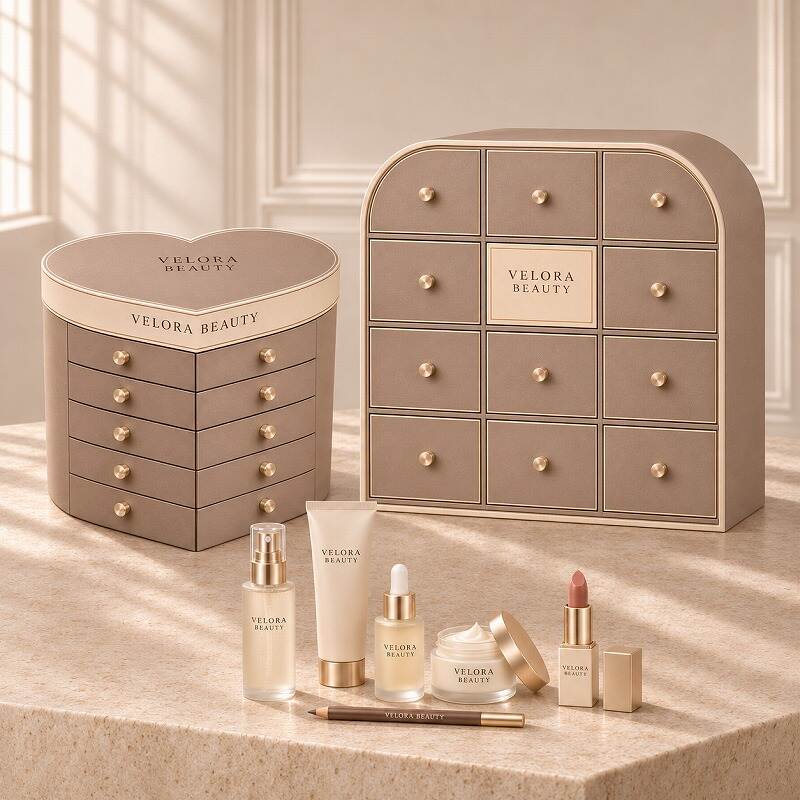
Develop a coordinated seasonal packaging collection without forcing two ideas into the same structure. The arched-door cabinet creates a vertical retail facade, while the heart-shaped drawer case delivers an emotive gifting silhouette. Both are engineered around the actual sealed skincare and beauty assortment.

Arched-door drawer cabinet        Heart-shaped drawer case        Coordinated materials and finishes

Photorealistic derivative collection using the fictional brand VELORA BEAUTY. Final dimensions, drawer counts, materials, loading, decoration and performance are project-specific.

In brief

What Are Door and Heart Shaped Beauty Calendar Boxes?

Custom door and heart shaped skincare advent calendar boxes are special-shaped rigid drawer systems developed as coordinated seasonal packaging. They can share paper, color, foil, typography and hardware finishes while using different shells, drawer carcasses, product maps and protective packing.

STRUCTURE A

Arched-Door Drawer Calendar

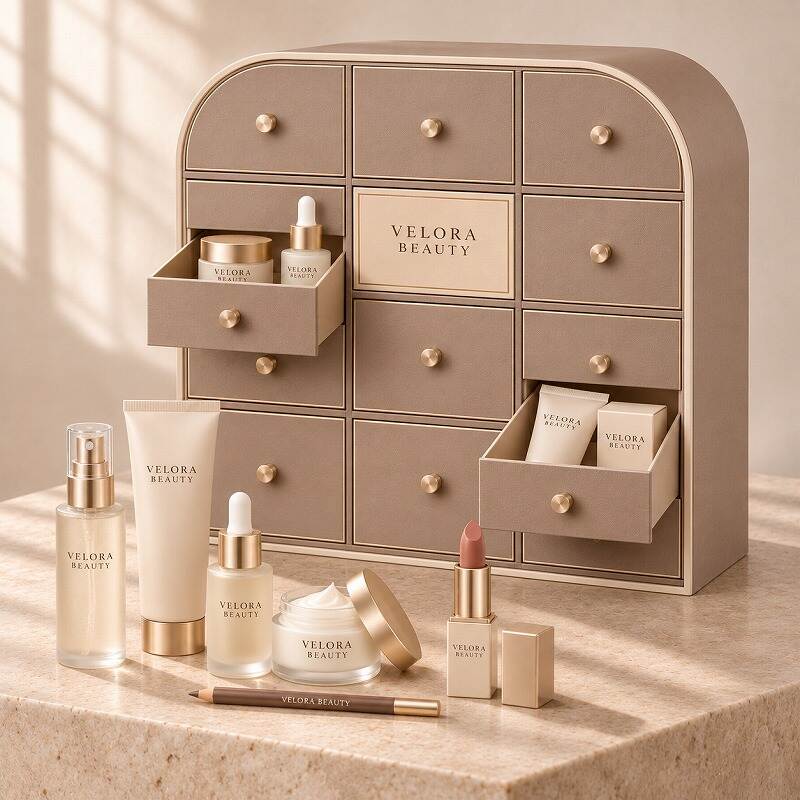
A vertically oriented rigid cabinet with a rounded arch, flat base and front-access drawers. The architecture supports a facade-style artwork story and a compact rectangular footprint for shelf or counter display.

STRUCTURE B

Heart-Shaped Drawer Calendar

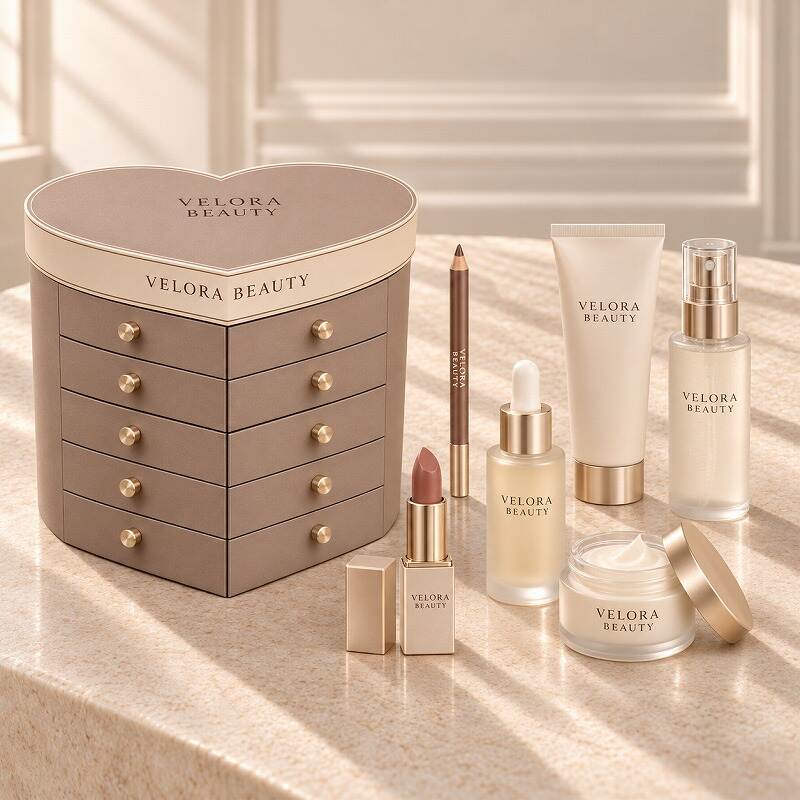
A heart-contoured rigid case with a fitted shaped top and drawers distributed across two front planes. The form prioritizes gifting symbolism and creates more perimeter, lid-alignment and corner-protection requirements.

Choose by campaign role

Door Shape or Heart Shape: Which Structure Fits the Brief?

Select the form after defining the assortment, display environment, gift story and distribution constraints.

Decision factorArched-door versionHeart-shaped version
Primary impressionArchitectural, editorial and vertically composedEmotive, gift-led and immediately recognizable
Display footprintUsually simpler rectangular base and vertical faceWider curved perimeter and two-plane presentation
Drawer planningFront grid supports clear row and column controlSplit layout must balance products across the centerline
Artwork focusArch header and repeatable drawer-face systemHeart lid, curved band and mirrored front graphics
Key riskArch symmetry, carcass squareness and tall-case stabilityLid fit, heart symmetry, center joint and perimeter protection
Buyer risk map

A Matching Colorway Does Not Remove Structural Risk

The program succeeds when each shape functions independently and both designs still look like one controlled collection.

Mixed drawer depths

A shared front design can hide different product envelopes. Every drawer needs enough internal depth without projecting beyond its carcass or wasting the overall shipping cube.

Hardware inconsistency

Even matching round pulls can use different stems or fixing methods. Define finish, projection, attachment and pull-force expectations for each structure.

Color drift across materials

Wrap paper, printed drawer faces, foil and hardware reflect light differently. Approve physical targets instead of judging only digital artwork.

Wrong-version filling

Two product maps can be confused during kitting. Use distinct design codes, position identifiers and packing instructions throughout revisions and inspection.

Different protective needs

The door arch and heart perimeter create different impact and abrasion zones, even when both finished boxes use the same master-carton artwork.

Seasonal approval pressure

A delayed approval on one shape can affect shared materials and campaign delivery. Plan separate sample decisions within one master schedule.

Coordinate Materials Without Ignoring Different Workmanship

Use common specifications where they create collection consistency, then define shape-specific acceptance points.

ElementShared collection targetShape-specific approval
Rigid board and wrapBoard grade, paper texture and color standardArch curve, heart lobes, center point, seams and corner relief
Drawer constructionStraight rectangular bodies, board, wrap and gap standardCarcass fit, depth, running clearance and loaded slide action
Foil and printFoil shade, colors, typography and decorative languageRegistration across arch panels, curved lid bands and drawer faces
Pull hardwareBrushed champagne finish and visual scaleRound base, stem length, attachment, alignment and snag condition
Protective packBranding, labeling and destination informationDifferent cushions, orientation, carton dimensions and route evaluation
Arched door shaped skincare advent calendar cabinet with straight rectangular drawers and fitted beauty products
Structure A

Engineer the Door-Shaped Calendar as a Stable Vertical Cabinet

The arched header creates the door or portal identity, while the drawer carcass below should remain square, flat and repeatable. Keep the base broad enough for the loaded center of gravity, especially when heavy jars or glass bottles are placed in upper rows.

Conventional rectangular drawers simplify retrieval and packing control. Each drawer still needs the correct internal envelope, product retention and pull clearance. Star-shaped pulls or other decorative hardware should be assessed for attachment strength, snag risk and consistency.

  • Confirm arch symmetry against a centerline and approved profile.

  • Distribute heavy products low and close to the cabinet center.

  • Check every loaded drawer for slide action and accessible removal.

  • Protect the curved header from compression in the outer pack.

Structure B

Balance the Heart Silhouette, Lid Fit and Two-Sided Drawer Loads

A heart-shaped case introduces compound curves, a central point and mirrored sides. The shaped top must locate without rocking, excessive friction or visible perimeter mismatch. The cabinet beneath needs a flat bearing surface even when the decorative outline curves outward.

Drawers positioned across two shallow front planes should be balanced by weight and depth. Use conventional rectangular drawer bodies behind the decorative heart facade; do not rely on fan-shaped or irregular drawers unless the buyer explicitly approves a separate structural solution.

  • Approve heart symmetry, center point and lid-to-body gap.

  • Pair left and right product weights where practical.

  • Maintain straight drawer sides and consistent running clearance.

  • Add perimeter protection around lobes and the front point.

Heart shaped skincare advent calendar box with conventional rectangular drawers and fitted VELORA BEAUTY products
Product-fit inputs

Build Separate Drawer Maps from the Real Assortments

The two structures may share the same product family or carry different edits. Either way, each position needs its own controlled product and drawer data.

Buyer inputWhy it mattersDecision created
Maximum product dimensionsClosures, caps and crimped ends often define the envelopeDrawer internal size, opening and insert geometry
Filled product weightControls weight distribution and cabinet stabilityPosition, board grade, carcass support and pull load
Fragile or sensitive areasGlass, pumps, droppers and decorated faces need non-load zonesFitment contact surfaces and orientation limits
Reveal sequenceCampaign storytelling may prioritize hero items or routinesNumber, row, side, product orientation and artwork file
Representative samplesNominal drawings may omit tolerance and real handling behaviorLoaded sample approval and filling instruction
Color control

Approve One Shared Target

Use agreed paper, ink or Pantone targets and consistent viewing conditions across both shapes, then define how acceptable production variation will be assessed.

Finish control

Keep Foil and Hardware Coherent

Match foil shade, emboss depth and pull-hardware finish while checking that different panel curves and drawer faces do not create inconsistent visual weight.

Artwork control

Adapt, Do Not Stretch

Build a shared design system, then adapt graphics to the arch, heart lid, curved bands and drawer grid. Do not force one flattened artwork file onto two unrelated dielines.

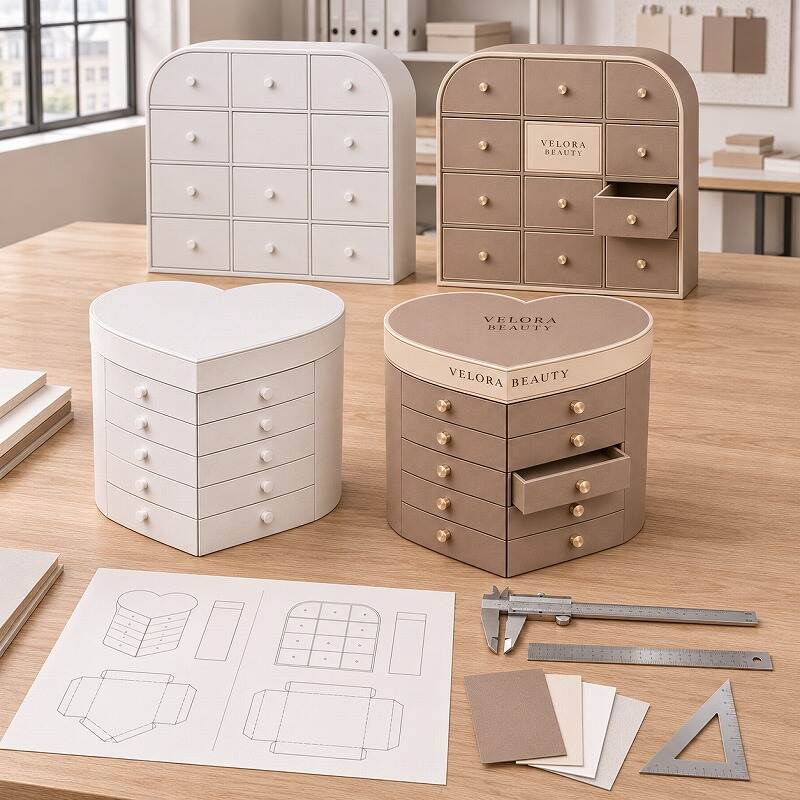
Blank and decorated door and heart shaped skincare advent calendar samples under drawer dimensional review
Sampling and QC

Approve Each Structure Separately, Then Review the Collection Together

A matching finish does not make the two structures mechanically identical. Each needs its own signed structural sample, loaded drawer map and protective pack.

1. Drawing reviewLock profiles, carcasses, drawer cells, pull locations and outer dimensions.
2. Blank samplesLoad all products and check geometry, stability, lid action and drawer travel.
3. Decorated samplesApprove matched paper, color, foil, hardware, artwork and visible workmanship.
4. Filled pack-outsConfirm SKU maps, outer protection, filling instructions and distribution orientation.

Derivative visualization, not an actual inspection, certification or test record.

Inspection pointDoor-shaped sampleHeart-shaped sample
Profile geometryArch radius, centerline, side walls and flat baseMirrored lobes, center point, curved band and bearing base
Opening actionDrawer travel under expected loaded weightLid placement plus drawer travel on both front planes
Load distributionHeavy items low and centered in the vertical cabinetBalanced left-right load around the central joint
DecorationArch artwork, drawer grid and pull alignmentLid artwork, band registration and mirrored faces
Distribution protectionTop arch, corners, front pulls and finish abrasionHeart lobes, center point, lid movement and front pulls

Secondary packaging

Use for sealed primary packs. Formula compatibility, leakage control, tamper evidence and required cosmetic labeling remain primary-pack and market responsibilities.

Protective shipping system

Neither decorative case is automatically parcel-ready. Evaluate the filled calendar together with its protective outer pack for the intended route.

Project-specific claims

Material sourcing, recycled content, certification, recyclability and performance claims require evidence for each actual design.

Commercial planning

Price the Collection as Two Structures with Shared Visual Inputs

Matching colors do not eliminate separate tooling, board yield, drawer carcasses, assembly or protective packing. Commercial terms are confirmed after both specifications are reviewed.

Structure variablesProfiles, dimensions, depth, board grade, lid, carcass and drawer map
Assortment variablesProduct count, dimensions, weights, inserts and filling sequence per design
Decoration variablesPaper, color matching, foil coverage, hardware, artwork and versions
Program variablesQuantity by shape, sampling rounds, inspection, destination and seasonal window

There is no responsible universal MOQ, price or lead-time promise for both shapes. GPLPAK confirms terms after the complete door and heart briefs are reviewed.

RFQ checklist

Send Two Product Maps and One Collection Brief

Separate structure data prevents assumptions; shared brand data keeps the collection visually aligned.

Door map — products, dimensions, weights and positions
Heart map — products, dimensions, weights and positions
Samples — representative sealed products or drawings
Brand system — colors, paper, foil, type and artwork
Quantities — order volume and versions for each shape
Supply plan — filling site, assembly and inspection roles
Distribution — destination, retail or parcel route and pack-out
Timing — required approval, delivery and in-market dates
Buyer questions

FAQ: Door and Heart Shaped Skincare Advent Calendar Boxes

Are these two boxes one combined structure?

No. They are two separate rigid drawer structures designed as one visual collection. Each has its own shell, carcass, product map, tooling, assembly and protective pack, even when the papers, colors and finishes match.

What is the main difference between the door and heart versions?

The arched-door version is a vertical front-drawer cabinet with a simpler base footprint. The heart version has a shaped top, curved perimeter and split front planes, creating additional lid-fit, balance and perimeter-protection requirements.

Can drawer counts and sizes be customized?

Yes. Counts and dimensions are developed from the real product list and acceptable finished size. Changing the count alters the carcass, profile, artwork, weight distribution and packing sequence, so it is confirmed before structural sampling.

Can both calendars use identical drawer inserts?

Only when the assigned products and drawer envelopes are genuinely identical. Inserts should be developed around maximum product dimensions, filled weight, fragile areas and orientation rather than copied between positions for convenience.

How is the heart-shaped lid kept aligned?

The lid and body profiles, wall thickness, locating fit and wrap buildup are coordinated in the structural sample. Approve the perimeter gap, removal force and repeated replacement with the fully loaded cabinet.

How is the tall door-shaped cabinet kept stable?

Use an adequate base, rigid carcass and controlled load distribution. Place heavier products lower where practical, then evaluate the complete calendar with drawers closed, open and partly removed during loaded-sample review.

Can loose skincare formula touch the drawer paper?

Not by default. These calendars are secondary packaging for sealed primary packs. Loose formula requires separate material-compatibility, safety and regulatory review for the target market.

What determines MOQ, price and lead time?

Drivers include dimensions, board, drawer maps, shaped shells, lid, hardware, papers, finishes, quantities by design, versions, sampling, assembly, filling and seasonal capacity. GPLPAK confirms terms after reviewing both briefs.

Develop the collection

Request a Door and Heart Calendar Feasibility Review

Send both product maps, representative samples, desired drawer counts, shared artwork direction, quantities, destinations and target dates. GPLPAK can review the structures, sampling scope, collection finishes and commercial inputs.

Discuss Your Two-Structure Project

Related Packaging Development Resources

VELORA BEAUTY is a fictional placeholder brand. All derivative visuals show a design direction and do not represent a completed customer order, approved production specification, certification or transport-test result.

Options disponibles

Matériaux

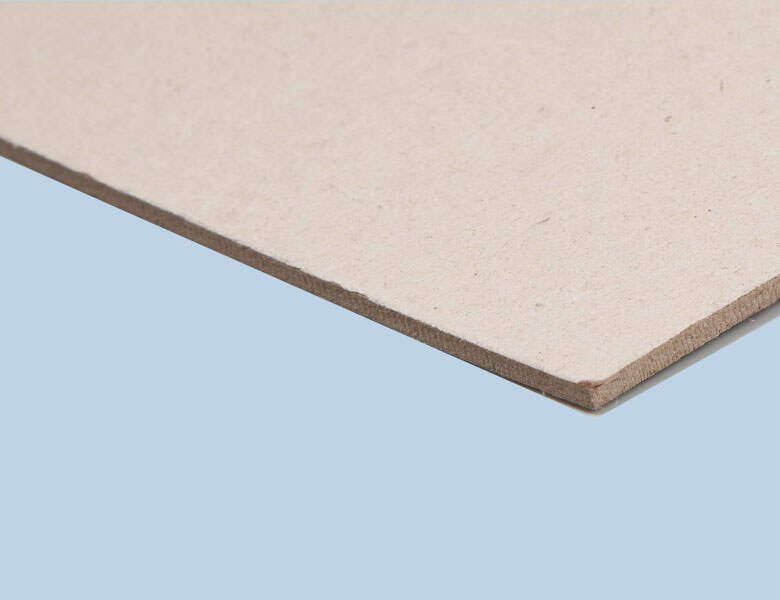
Grey Chipboard
Chipboard gris
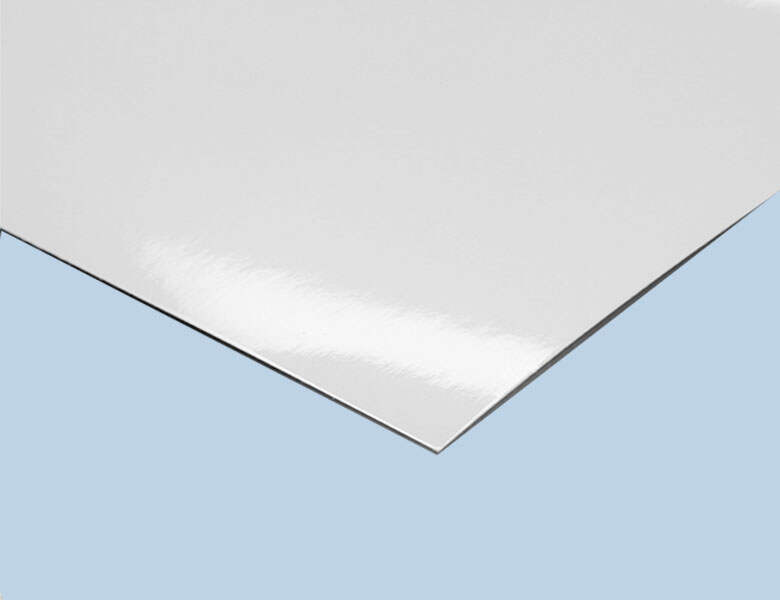
Coating Paper
Papier de revêtement
Holographic
Holographique
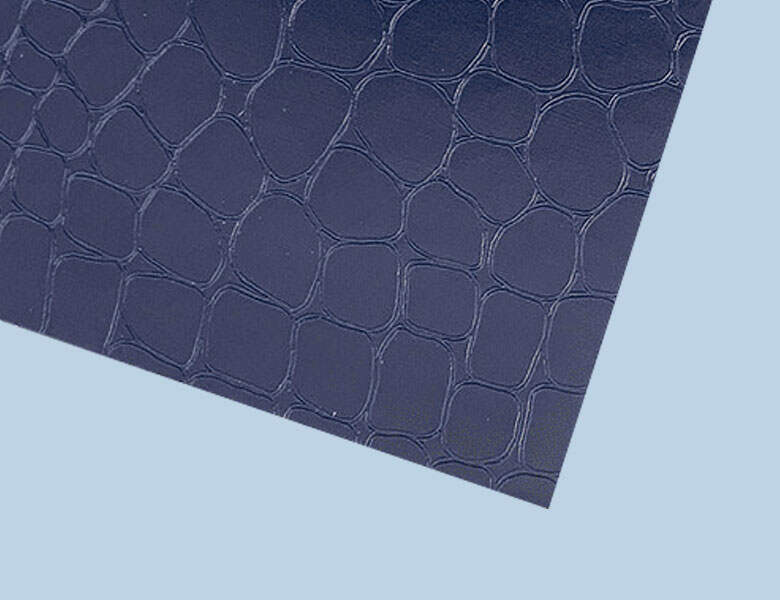
Leatherette Paper
Papier en cuir
Metallic
métallique
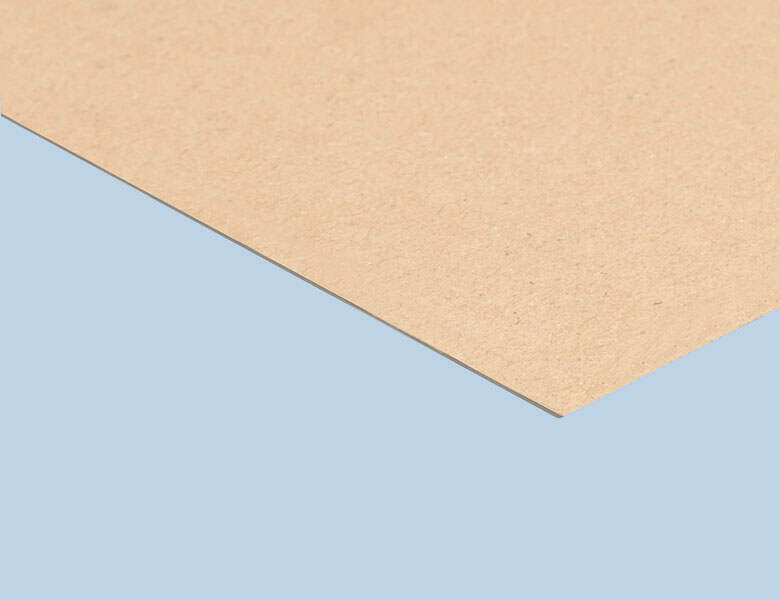
Natural Brown Kraft
Kraft marron naturel
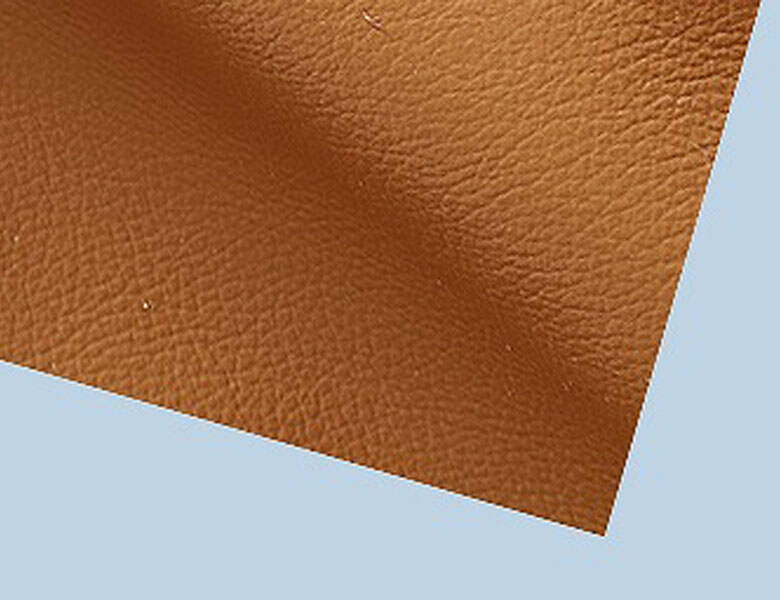
PU Leather
cuir PU
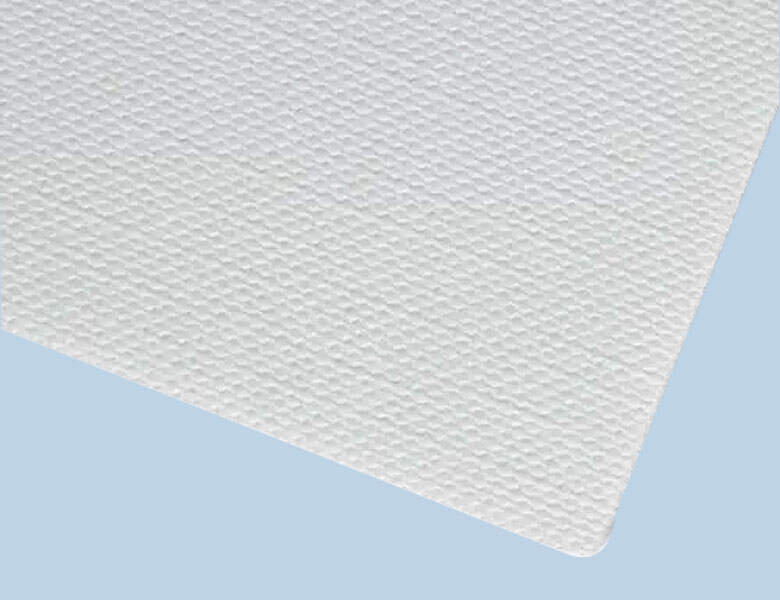
Textured paper
Papier texturé

Couleur

Processus
Couleurs
CMYK
CMYK
Quelles sont les couleurs de processus?

Les couleurs de procédé sont basées sur le système d'impression CMYK, en utilisant des points en couches de cyan, magenta, jaune et noir à des densités variables pour reproduire une gamme complète de couleurs et de gradients lisses.

Dans la production d'emballages, l'impression CMYK est réalisée par des tours d'impression séparées, chaque tour étant dédiée à une couleur. Ensemble, les quatre tours travaillent en séquence pour construire avec précision l'image finale et la sortie de couleur.

Spot
Couleurs
PANTONE
Pantone
Qu'est-ce que Spot Colors ?

Les couleurs Spot utilisent des encres pré-mélangées qui sont imprimées directement, nécessitant une seule tour d'impression. Parce que la couleur est prédéterminée, elle assure des résultats cohérents entre différentes machines, fournisseurs et séries de production.

Contrairement aux couleurs de procédé, les couleurs taches apparaissent uniformes même sous une inspection étroite, sans motifs de points CMYK visibles, offrant une reproduction de couleur plus propre et plus précise.
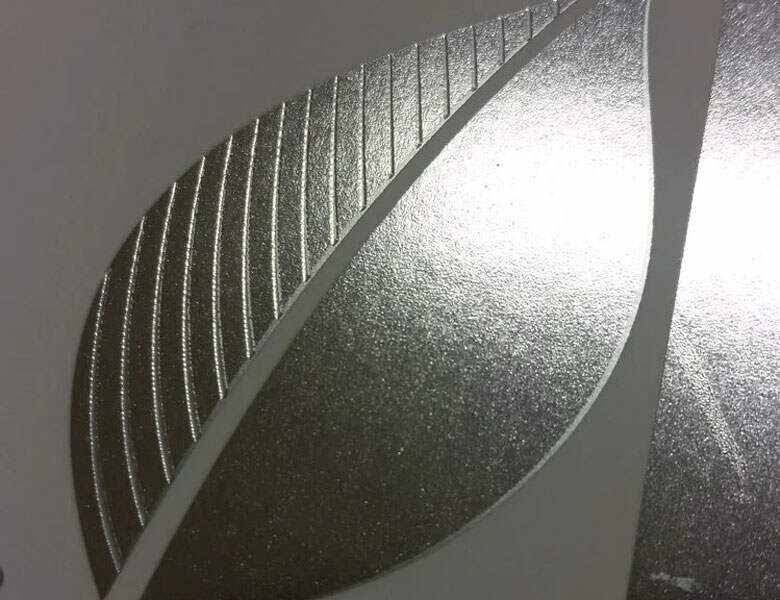
Finition de surface

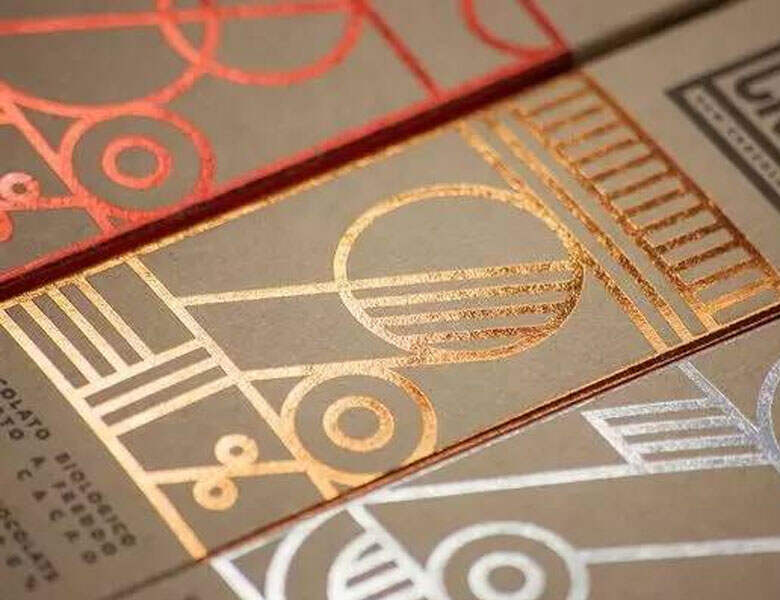
Hot Foil Stamping
Estampage à chaud
Cold Foil Stamping
Stamping à froid
Debossing
Débosselage
Embossing
Gaufrage
Spot UV
Spot UV
Reverse UV
UV inverse
Die Cutting
Coupe
Fresnel Lens
lentille Fresnel

Laminage

Gloss Lamination
Stratification de lustre
Matte Lamination
Pelliculage mat
Soft Touch Lamination
Laminage au toucher doux
Anti-Scratch Lamination
Laminage anti-rayures
Holographic Lamination
Laminage holographique
Plastic Replacement Coating
Revêtement de remplacement en plastique
Varnishing
Vernissage
Water-Based Coating
Revêtement à base d'eau

Boîtes Insérer

EVA Insert
EVA insérer
Foam Inserts
Inserts de mousse
Grey Board Insert
Insérer tableau gris
PET Blister Insert
PET Blister Insert
Folding Carton inserts
Inserts de carton pliant
Paper Card Coating HIPS Blister
Revêtement de carte en papier HIPS Blister
Molded Pulp Insert
Insert de pâte moulée
Satin Inserts
Inserts en satin

Processus de commande

Une plateforme unique pour obtenir des devis et passer des commandes, avec dédié
Soutenez chaque étape du chemin.

1

Personnalisez votre
emballage

Allez sur la plateforme gplpak pour personnaliser la taille, les matériaux, l'impression et les finitions de vos boîtes rigides.

2

Obtenez des devis &
échantillons

Comparez les devis d'emballage et obtenez un échantillon de votre boîte rigide avant de commencer une commande de production.

3

Sélectionner l'expédition
méthodes

Choisissez une méthode d'expédition préférée et même configurez des expéditions divisées pour obtenir des emballages livrés plus rapidement.

4

Télécharger des œuvres d'art

Ajoutez votre dessin au modèle dieline que nous faisons sur mesure pour vos spécifications de boîte.

5

Suivre la commande
progrès

Obtenez une visibilité complète sur les progrès des échantillons, de la production et de l'expédition.

Vous avez d'autres questions ?

cliquez sur la question
Assistant Gplpak

Vous avez encore une autre question ?

Laissez-nous un message et notre équipe d'emballage vous répondra dans les 2 heures.

Un guichet unique pour toutes les solutions d'emballage personnalisées de votre entreprise

We collaborate with people and brands; let's build something great together.

Demander un devis
Obtenir un devis Habituellement réponse d'ici 1 heure