


Toutes les catégories
GPLPAK-SG001

Custom Eyewear Packaging Set with Rigid Box, PU Case, Cloth & Pouch

Caractéristiques principales

Taille personnalisée
Echantillonnage de 7 jours
Conception libre
Personnalisé
Options supplémentaires
Prix sur demande
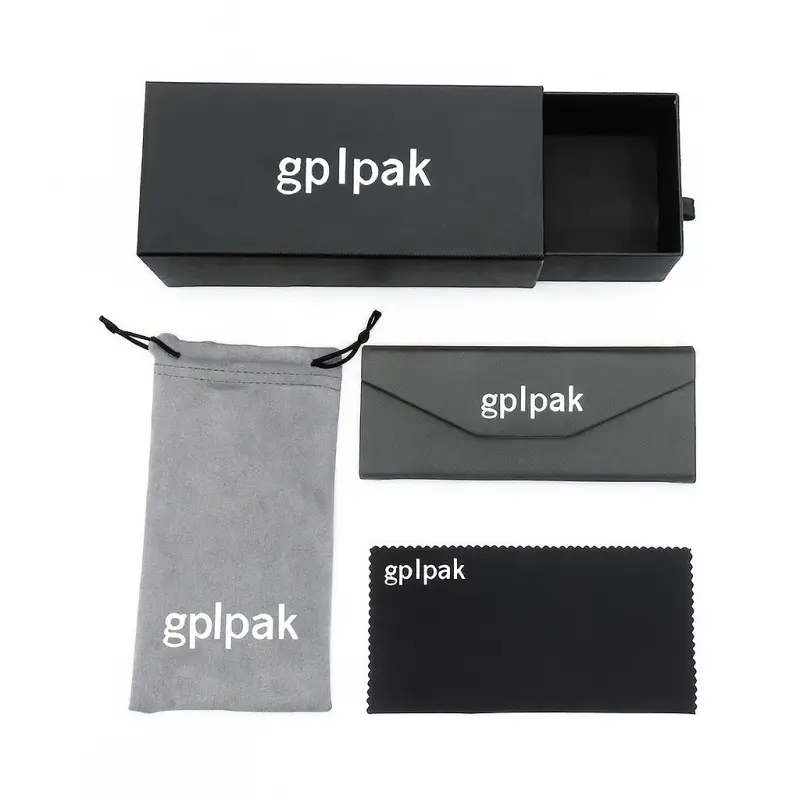
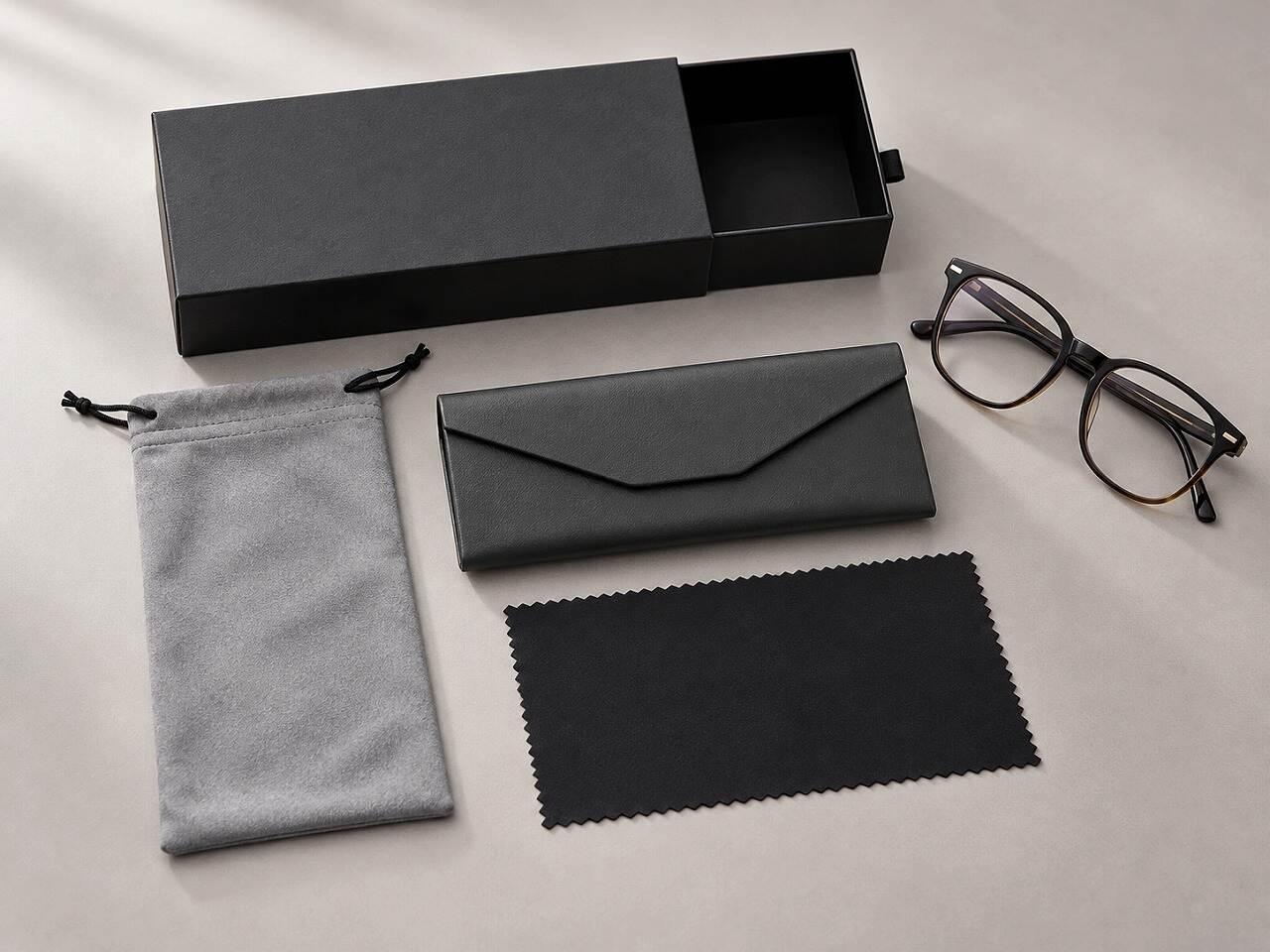
Custom eyewear packaging set with black rigid drawer box, PU leather glasses case, gray pouch and microfiber cleaning cloth
Coordinated private-label packaging for eyewear brands
Custom Eyewear Packaging Set with Rigid Box, PU Case, Cloth & Pouch

One coordinated packaging system for sunglasses, optical frames and prescription eyewear—developed around your folded frame, brand standards, retail handoff and wholesale packing requirements.

Rigid drawer paper boxPU leather glasses caseMicrofiber pouch and clothCustom logo and color
Set format

Four-piece eyewear packaging and care set

Reference box

Paper-wrapped rigid drawer box with pull tab

Accessory system

PU case, drawstring pouch and lens cloth

Best suited to

Eyewear brands, optical retailers and gifting programs

In brief

What Is Included in This Custom Glasses Packaging Set?

The reference configuration combines a rigid paper drawer box, a slim PU leather eyewear case, a soft drawstring glasses pouch and a microfiber lens cleaning cloth. Each component can be sized, colored and branded for the same eyewear program. The goal is not simply to bundle four items; it is to make the complete set fit the frame, look like one brand and arrive ready for a consistent retail or gift handoff.

Scope boundary: the PU envelope case and microfiber pouch help control dust, light rubbing and presentation. They should not be marketed as crush-proof or impact-rated unless the selected construction and completed pack have been validated. The rigid gift box is secondary presentation packaging; a separate shipping pack may still be required.
One set, four coordinated jobs

Build the Packaging Hierarchy Around the Customer Handoff

A successful private-label eyewear packaging set gives each component a clear role. This avoids redundant materials and prevents the case, pouch, cloth and outer box from looking like unrelated promotional items.

ComponentPrimary jobKey customizationApproval focus
Rigid drawer boxPremium outer presentation and set organizationDimensions, wrap paper, pull tab, print and finishDrawer movement, corners, pack layout and marking
PU leather glasses caseReusable storage and everyday brand visibilityPattern, PU grain, lining, edge, closure and logoFolded-frame fit, lens contact, closure and odor
Drawstring eyeglass pouchLight storage or secondary sleeveFabric, size, cord, stitching, color and logoOpening, seam strength, color transfer and closure
Microfiber cleaning clothRoutine lens cleaning and printed brand touchpointFabric specification, size, edge and print coverageLint, print feel, color, edge and lens compatibility
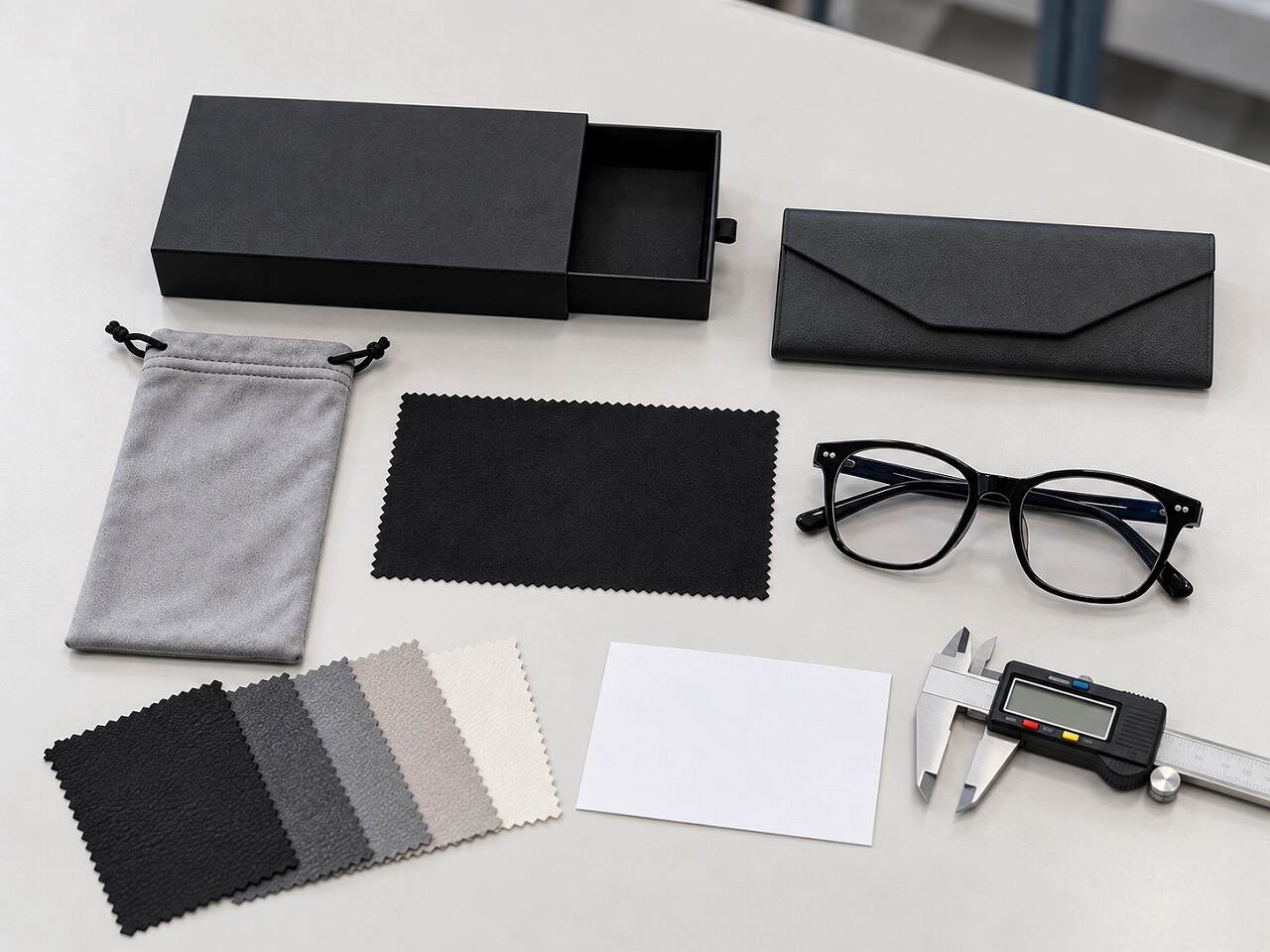
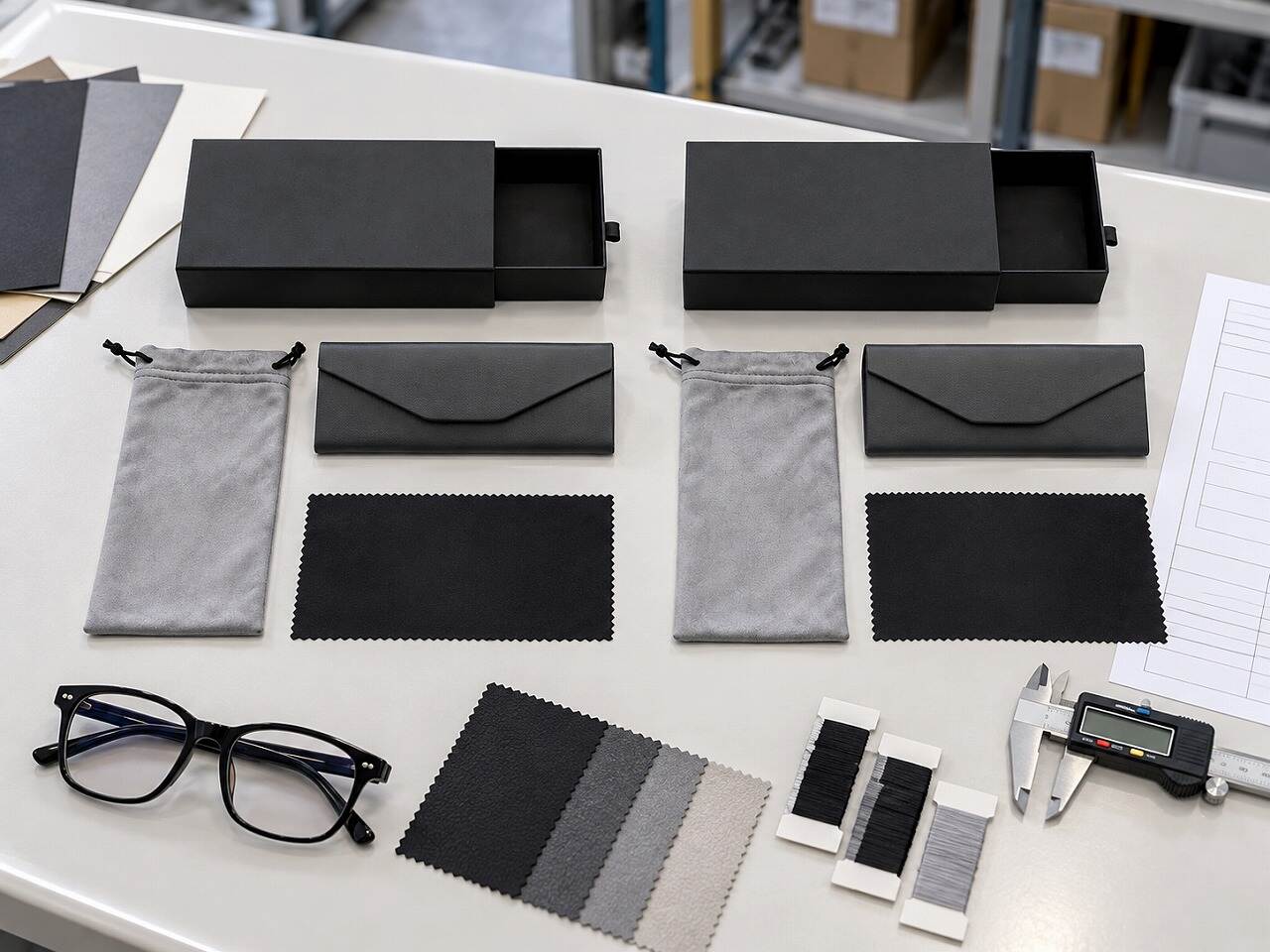
Fit development for custom eyewear packaging with drawer box, PU case, pouch, cloth, glasses and caliper
Fit development

Start with the Largest Folded Frame, Not a Generic Case Size

The most common failure in a custom spectacle packaging program is approving accessories before confirming the frame envelope. Lens shape, front curvature, bridge form, temple stack and hinge projection determine the useful internal space.

  • Maximum folded length, width and height across intended SKUs

  • Frame-front curvature and nose-pad projection

  • Folded temple position, stack thickness and hinge details

  • Sensitive lens coatings, printed temples or hardware

  • Clearance inside the PU case and final outer-box layout

Component specification

Customize Each Part Without Losing Set Consistency

The set should share a controlled palette and brand hierarchy, while each material receives a decoration method appropriate to its surface.

01 · Eyewear packaging box

Rigid Paper Drawer Box

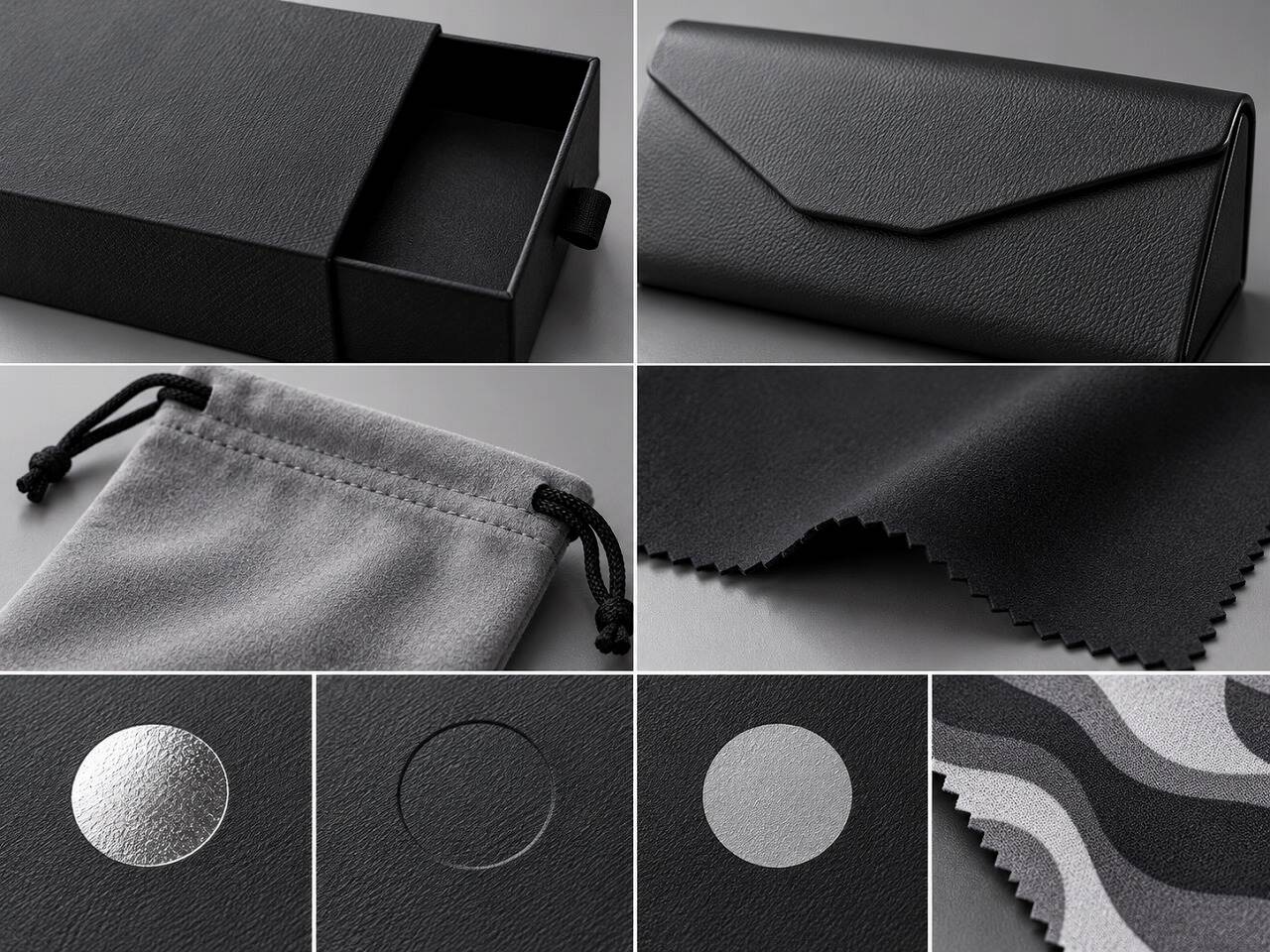
Specify usable internal space after wrapped-board walls, tray depth and any divider. Approve sleeve-to-drawer fit, wrapped corners, pull-tab strength and the final arrangement of all accessories. Options include specialty or printed paper, foil, embossing, debossing and interior print.
02 · Custom glasses case

PU Leather Envelope Case

A slim PU case supports an elegant handoff and compact storage. Pattern dimensions, lining, edge folding or painting and closure position should be checked with the production-intent frame. Logo options may include screen print, foil or blind debossing.

03 · Eyeglass storage pouch

Microfiber Drawstring Pouch

The pouch opening must accept the folded frame without dragging across hinges or decorations. Fabric hand feel, seam allowance, cord placement and logo method affect finished usable dimensions. Approve stitching, color transfer and drawcord action.

04 · Lens care accessory

Microfiber Lens Cleaning Cloth

Define composition, weight or thickness, surface feel and cleaning expectations—not “microfiber” alone. Choose a standard or custom shape, zigzag or ultrasonic-cut edge, and one-color or full-surface print subject to lens-use approval.

Brand system control

One Brand Standard Across Paper, PU and Microfiber

The same artwork cannot be applied with identical settings to every material. Paper foil, PU debossing, pouch screen printing and cloth printing reproduce line weight and color differently.

Create a logo hierarchy: decide which component carries the primary mark and which use a smaller supporting application.

Approve by substrate: sign off paper, PU, pouch fabric and cloth separately under comparable lighting.

Use controlled references: provide vector artwork, color targets, minimum line rules and finish locations.

Materials and branding details for rigid eyewear box, PU case, microfiber pouch and lens cloth
Commercial configuration

Match the Set to the Sales Channel

A wholesale eyewear packaging set should be configured for the way customers receive the product and the way your team assembles it.

Sales programRecommended emphasisOperational check
Premium optical retailReusable case quality, clear logo hierarchy and compact gift-ready drawer boxCounter assembly, SKU identification and restocking
Sunglasses launchHigh-impact cloth artwork, coordinated pouch and branded outer boxLargest frame fit, artwork control and campaign quantities
Corporate or influencer giftingPresentation box, message-card space and controlled unboxingRecipient packing, parcel shipper and appearance on arrival
E-commerce fulfillmentSpace-efficient layout and restrained decorationParcel route, void control, outer protection and packing time
Sampling and quality control for two custom eyewear packaging sets with material swatches and caliper
Sampling and approval

Approve the Set as a System, Not Four Separate Samples

  1. Confirm the brief: frame range, component list, sales channel, quantity by version and pack-out.

  2. Approve fit first: test the largest verified folded frame inside the case, pouch and final box arrangement.
  3. Approve each material: paper, PU, fabric, cord, cloth and decoration against controlled references.

  4. Run complete-set assembly: confirm orientation, removal sequence, packing time and exterior appearance.

  5. Lock the standard: retain signed samples, drawings, artwork revisions and measurable inspection points.

Related services: Échantillonnage développementetdesign validation for manufacturing.

Quality control

Define Acceptance Criteria Before Bulk Production

“Good quality” is not an inspection standard. The purchase specification should state which characteristics are critical and how the approved sample will be used.

Inspection areaPractical acceptance pointsEvidence to retain
Dimensions and fitFinished component sizes, frame insertion/removal, box layout and closureApproved drawing and packed fit sample
MatériauxPaper texture, PU grain, lining, pouch fabric, cord and cloth specificationSigned swatches and supplier specification
Brand reproductionLogo position, scale, color, foil coverage, deboss definition and print feelDecorated sample and artwork revision
WorkmanshipWrapped corners, drawer action, PU edges, pouch seams, cloth edges and cleanlinessDefect limits and visual reference
EmballageComponent orientation, protective layers, unit pack, carton count and labelsApproved pack-out instruction
Cost and supply planning

What Determines Wholesale Price, MOQ and Lead Time?

A complete optical packaging set contains several material and conversion systems. Commercial terms should be confirmed from the final component specification rather than copied from a case-only quote.

Component mix

Adding or removing the pouch, cloth, rigid box, platform, sleeve or card changes material use and assembly.

Customization depth

Custom patterns, PU selection, fabric colors, printed cloths, specialty paper and multiple logo processes affect setup.

Quantity and SKU split

Total sets, colors, artwork versions and different frame sizes determine whether components can share inputs.

Approval and packing

Sampling rounds, inspection, individual packing, set assembly and shipping configuration influence the schedule.

Documentation note: recycled content, restricted-substance information, material declarations or destination-specific testing should be requested and verified for the selected materials. They should not be assumed from “PU,” “paper” or “microfiber.”

RFQ checklist

Send These Details for an Actionable Set Quotation

A complete brief reduces assumption-based pricing and shortens the path to a useful physical sample.

Eyewear information

Physical samples or drawings, folded dimensions, frame range, weight and sensitive surfaces.

Set configuration

Required components, materials, box style, colors, closures and accessory sizes.

Brand files

Vector logos, color references, artwork, finish locations and legal or retail information.

Commercial requirements

Quantity by SKU, destination, target schedule, unit pack, carton plan and acceptance criteria.

Frequently asked questions

Custom Eyewear Packaging Set FAQ

1. Can every component carry our logo?

Yes, subject to artwork and material suitability. The rigid box, PU case, pouch and cleaning cloth use different processes, so logo size, line weight, color and position should be approved separately on each substrate.

2. Can the set fit both sunglasses and prescription frames?

It can be engineered around a verified frame range. Send the largest and most dimensionally different folded frames. If one case cannot provide acceptable clearance across all SKUs, separate case sizes may be recommended.

3. Can we change the component mix?

Yes. The four-piece reference can be adjusted by removing a component or adding a care card, sleeve, paper bag or other project-specific item. The outer-box layout and quotation are then rebuilt around the approved set.

4. Is the PU glasses case a protective hard case?
The shown product is a slim envelope-style PU case intended for presentation and light storage. It is not automatically crush- or impact-resistant. A reinforced or hard-shell structure is needed when those performance requirements apply.

5. What determines the MOQ and production time?

Materials, colors, custom patterns, decoration, total quantity, SKU split, component availability, sampling rounds and set assembly influence workable terms. MOQ and schedule are confirmed after the complete specification is reviewed.

6. How should the complete set be approved?

First approve frame fit and the assembled layout. Then approve each material and decoration on the intended substrate. The signed complete-set sample, drawings, artwork revision, component specifications and inspection criteria should become the production reference.

Start with your frame and component brief

Develop One Coordinated Eyewear Packaging System

Send your eyewear sample or drawing, required component mix, artwork, quantities and delivery plan. GPLPAK can review the outer rigid box, set layout and coordinated branding requirements as one project.

Options disponibles

Matériaux

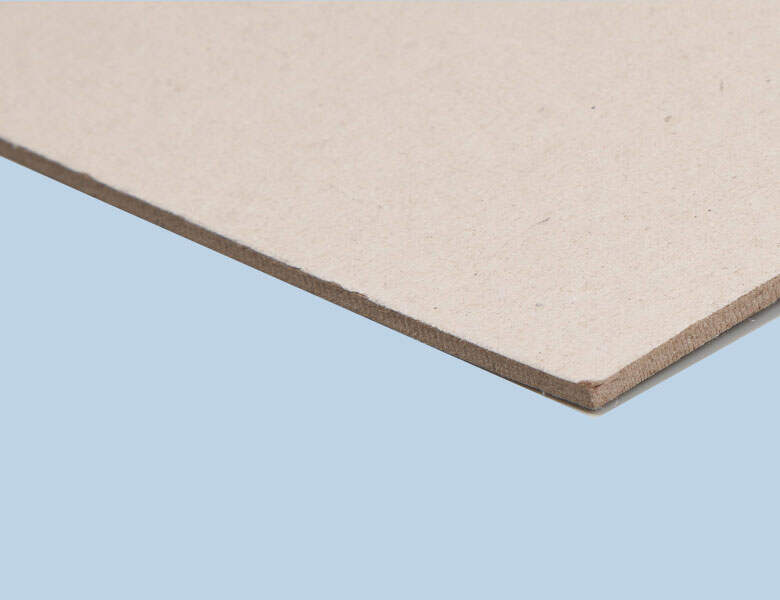
Grey Chipboard
Chipboard gris
Coating Paper
Papier de revêtement
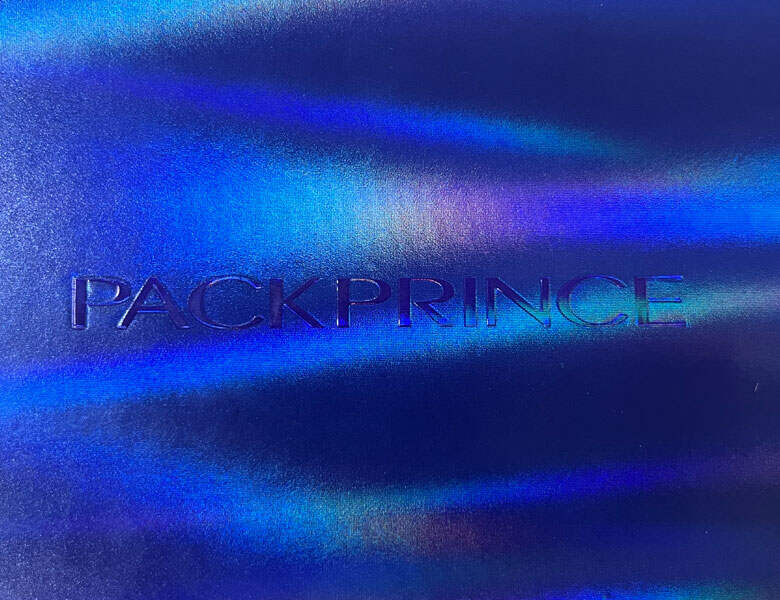
Holographic
Holographique
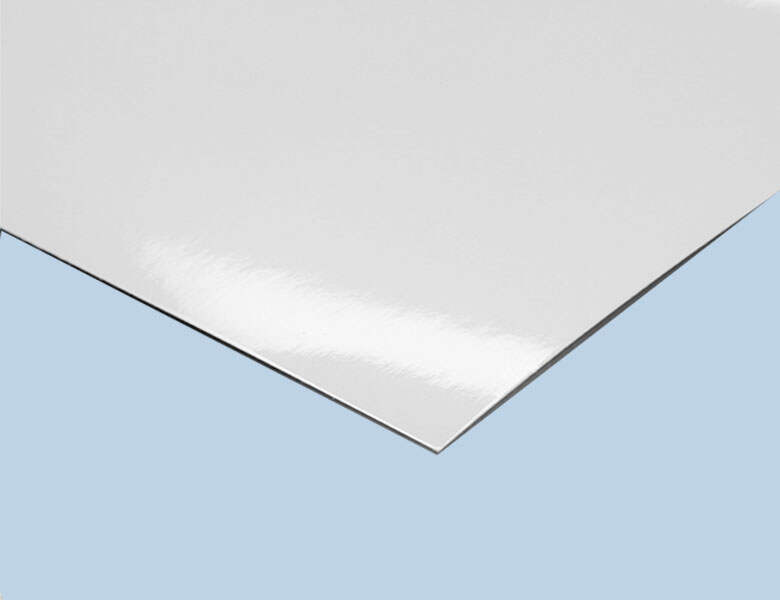
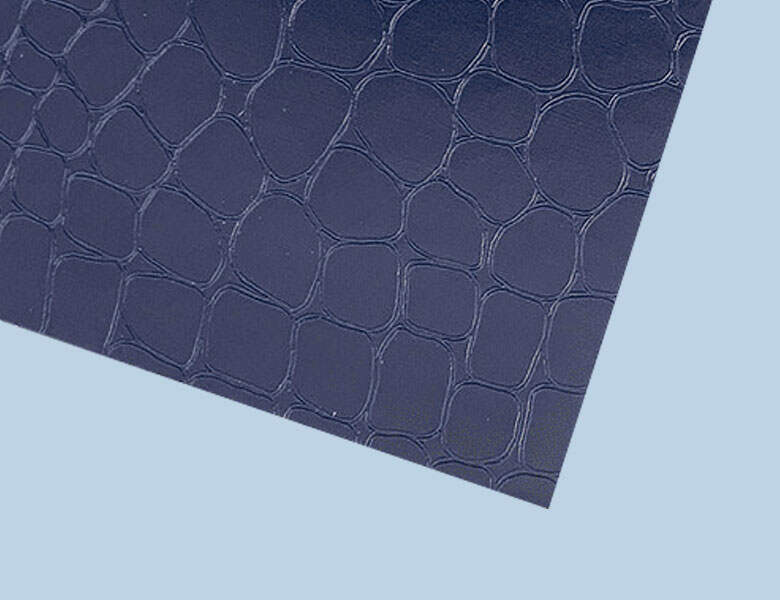
Leatherette Paper
Papier en cuir
Metallic
métallique
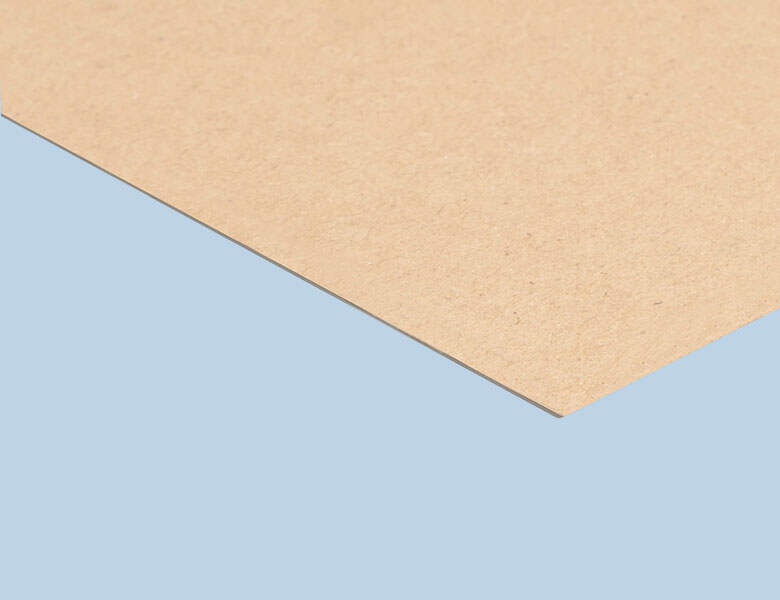
Natural Brown Kraft
Kraft marron naturel
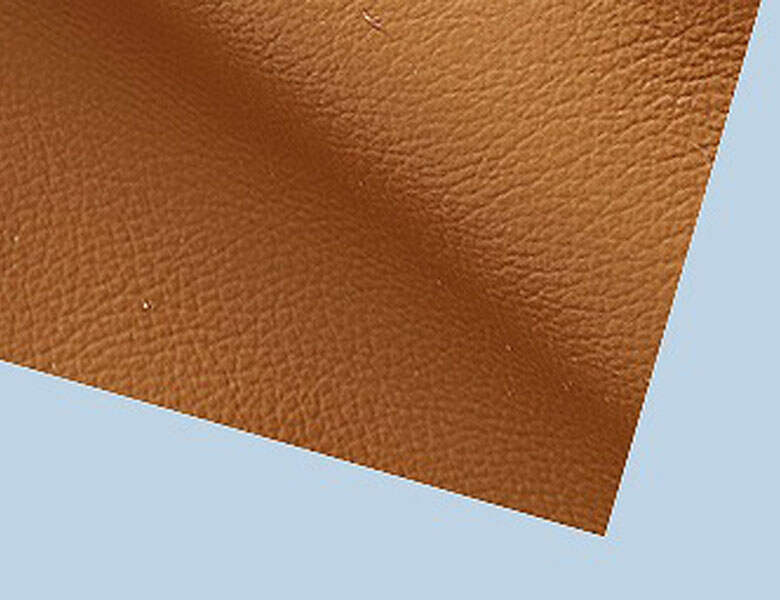
PU Leather
cuir PU
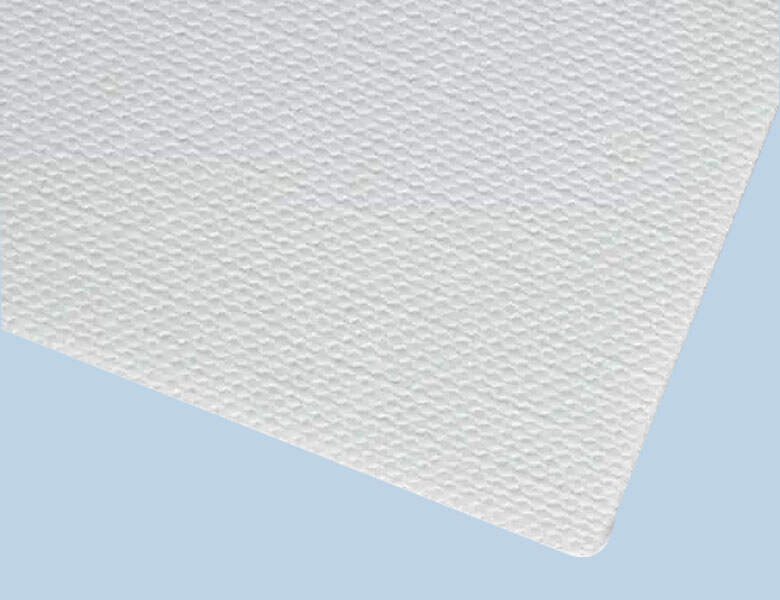
Textured paper
Papier texturé

Couleur

Processus
Couleurs
CMYK
CMYK
Quelles sont les couleurs de processus?

Les couleurs de procédé sont basées sur le système d'impression CMYK, en utilisant des points en couches de cyan, magenta, jaune et noir à des densités variables pour reproduire une gamme complète de couleurs et de gradients lisses.

Dans la production d'emballages, l'impression CMYK est réalisée par des tours d'impression séparées, chaque tour étant dédiée à une couleur. Ensemble, les quatre tours travaillent en séquence pour construire avec précision l'image finale et la sortie de couleur.

Spot
Couleurs
PANTONE
Pantone
Qu'est-ce que Spot Colors ?

Les couleurs Spot utilisent des encres pré-mélangées qui sont imprimées directement, nécessitant une seule tour d'impression. Parce que la couleur est prédéterminée, elle assure des résultats cohérents entre différentes machines, fournisseurs et séries de production.

Contrairement aux couleurs de procédé, les couleurs taches apparaissent uniformes même sous une inspection étroite, sans motifs de points CMYK visibles, offrant une reproduction de couleur plus propre et plus précise.

Finition de surface

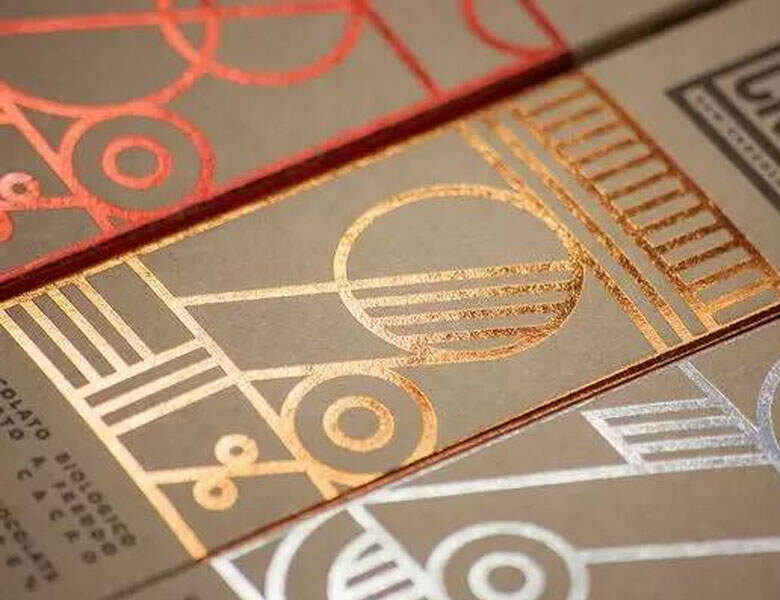
Hot Foil Stamping
Estampage à chaud
Cold Foil Stamping
Stamping à froid
Debossing
Débosselage
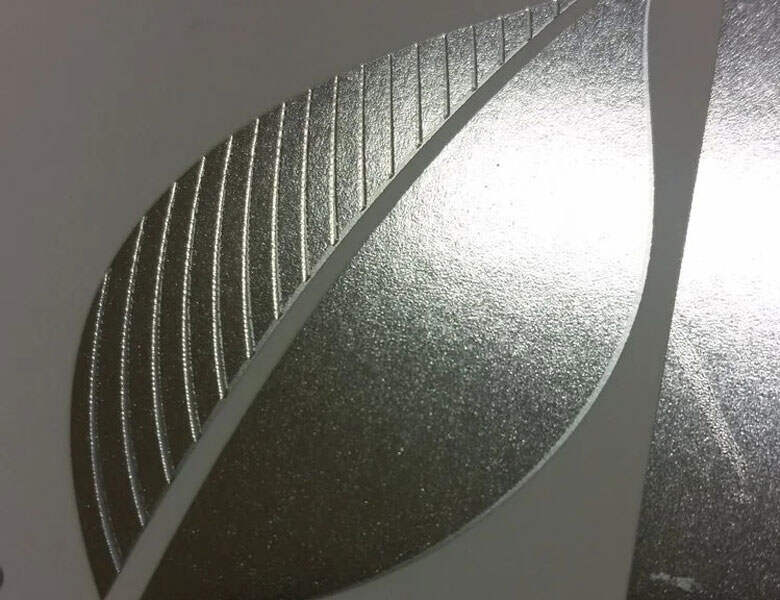
Embossing
Gaufrage
Spot UV
Spot UV
Reverse UV
UV inverse
Die Cutting
Coupe
Fresnel Lens
lentille Fresnel

Laminage

Gloss Lamination
Stratification de lustre
Matte Lamination
Pelliculage mat
Soft Touch Lamination
Laminage au toucher doux
Anti-Scratch Lamination
Laminage anti-rayures
Holographic Lamination
Laminage holographique
Plastic Replacement Coating
Revêtement de remplacement en plastique
Varnishing
Vernissage
Water-Based Coating
Revêtement à base d'eau

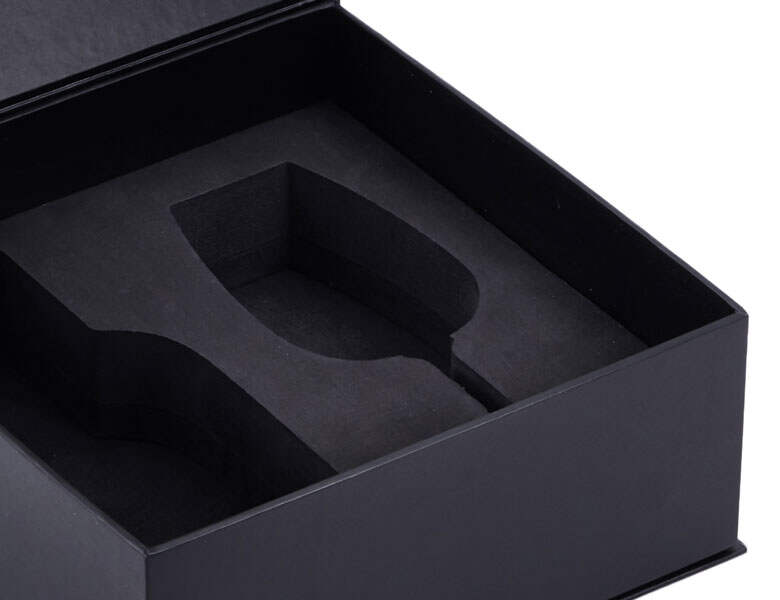
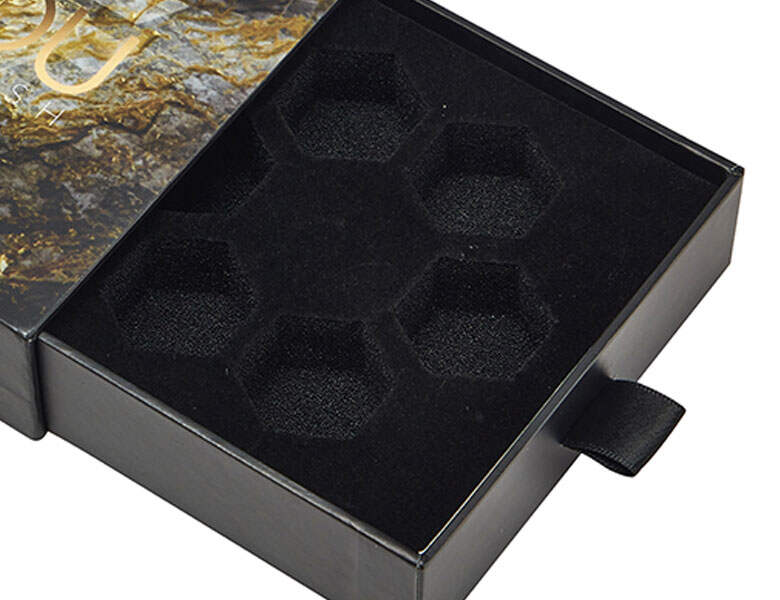
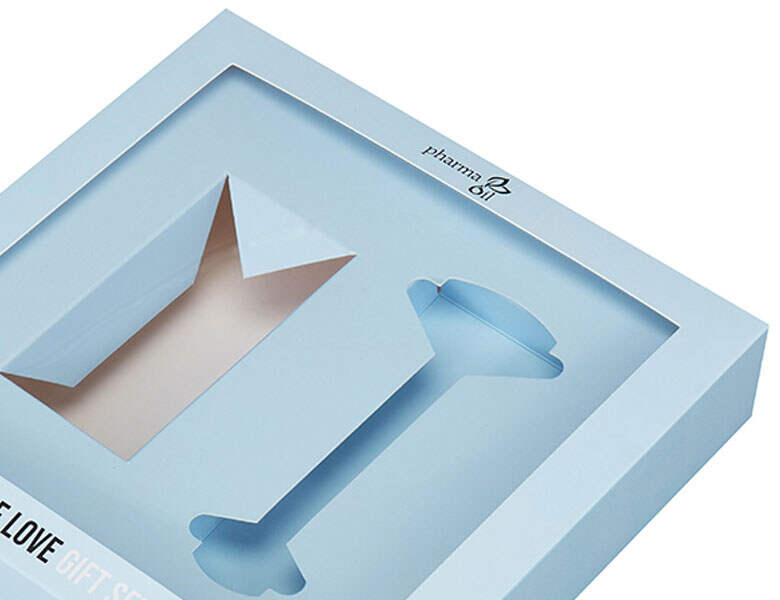
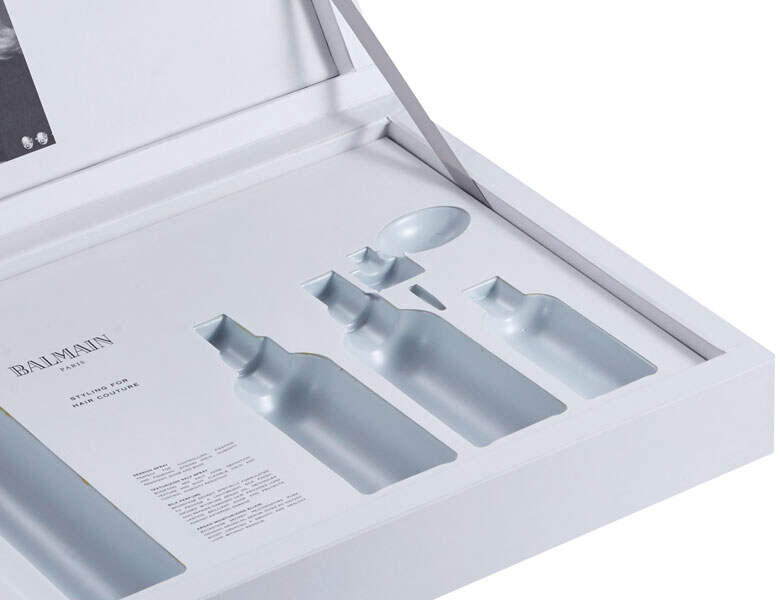
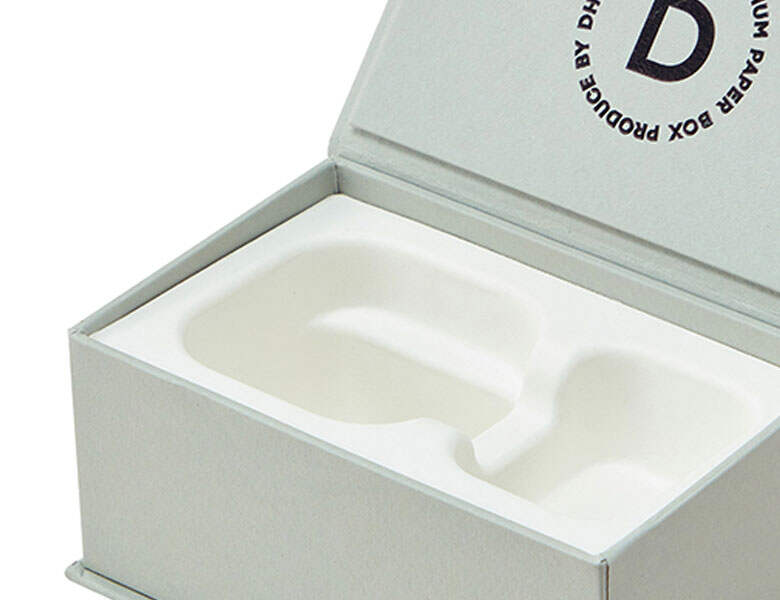
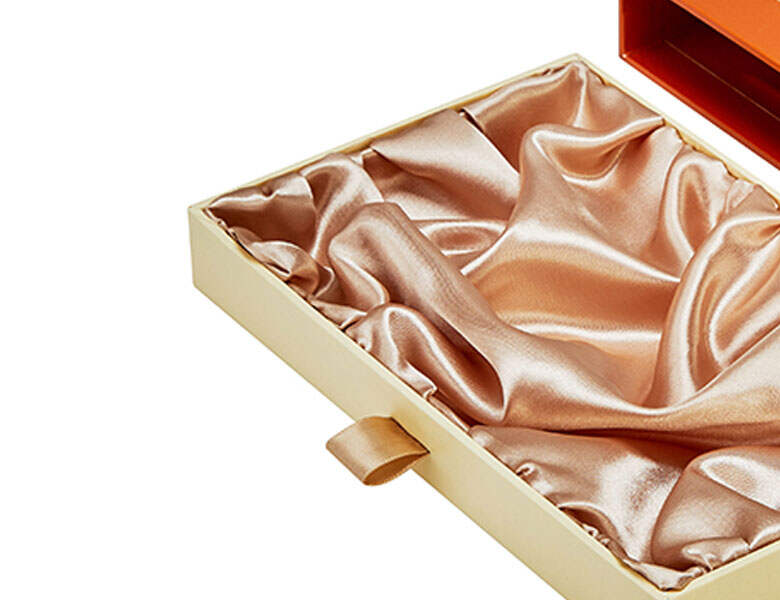
Boîtes Insérer

EVA Insert
EVA insérer
Foam Inserts
Inserts de mousse
Grey Board Insert
Insérer tableau gris
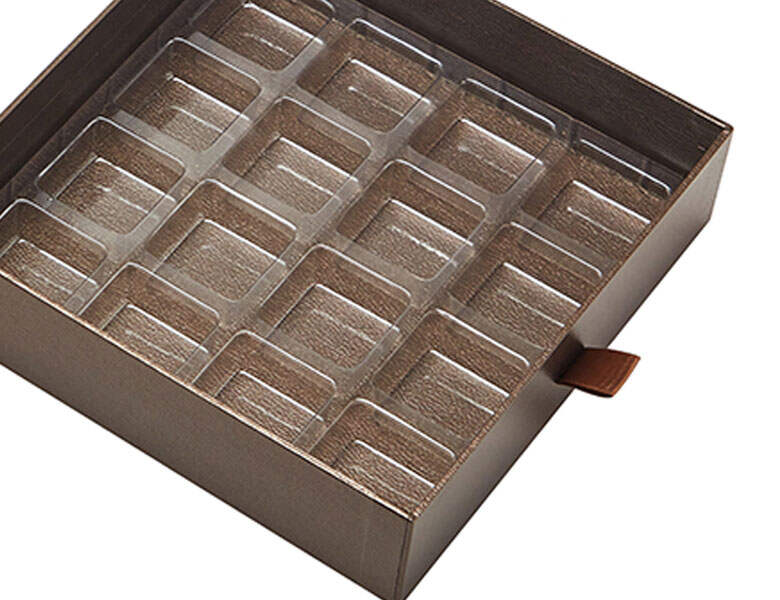
PET Blister Insert
PET Blister Insert
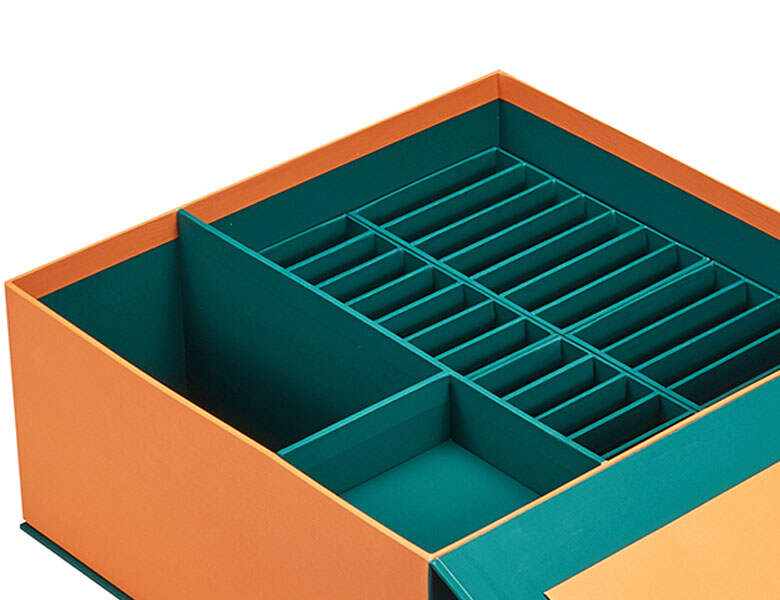
Folding Carton inserts
Inserts de carton pliant
Paper Card Coating HIPS Blister
Revêtement de carte en papier HIPS Blister
Molded Pulp Insert
Insert de pâte moulée
Satin Inserts
Inserts en satin

Processus de commande

Une plateforme unique pour obtenir des devis et passer des commandes, avec dédié
Soutenez chaque étape du chemin.

1

Personnalisez votre
emballage

Allez sur la plateforme gplpak pour personnaliser la taille, les matériaux, l'impression et les finitions de vos boîtes rigides.

2

Obtenez des devis &
échantillons

Comparez les devis d'emballage et obtenez un échantillon de votre boîte rigide avant de commencer une commande de production.

3

Sélectionner l'expédition
méthodes

Choisissez une méthode d'expédition préférée et même configurez des expéditions divisées pour obtenir des emballages livrés plus rapidement.

4

Télécharger des œuvres d'art

Ajoutez votre dessin au modèle dieline que nous faisons sur mesure pour vos spécifications de boîte.

5

Suivre la commande
progrès

Obtenez une visibilité complète sur les progrès des échantillons, de la production et de l'expédition.

Vous avez d'autres questions ?

cliquez sur la question
Assistant Gplpak

Vous avez encore une autre question ?

Laissez-nous un message et notre équipe d'emballage vous répondra dans les 2 heures.

Un guichet unique pour toutes les solutions d'emballage personnalisées de votre entreprise

We collaborate with people and brands; let's build something great together.

Demander un devis
Obtenir un devis Habituellement réponse d'ici 1 heure