Toutes les catégories
GPLPAK-SC001

Custom Hot Sauce Packaging Box for 3 Bottles | Printed Corrugated Gift Set

Caractéristiques principales

Taille personnalisée
Echantillonnage de 7 jours
Conception libre
Personnalisé
Options supplémentaires
Prix sur demande
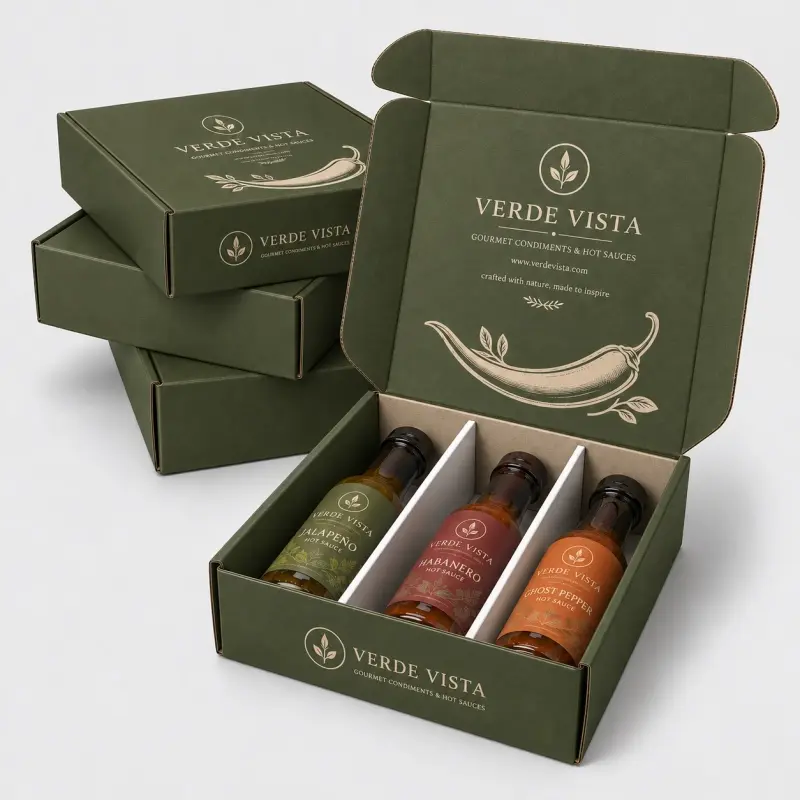
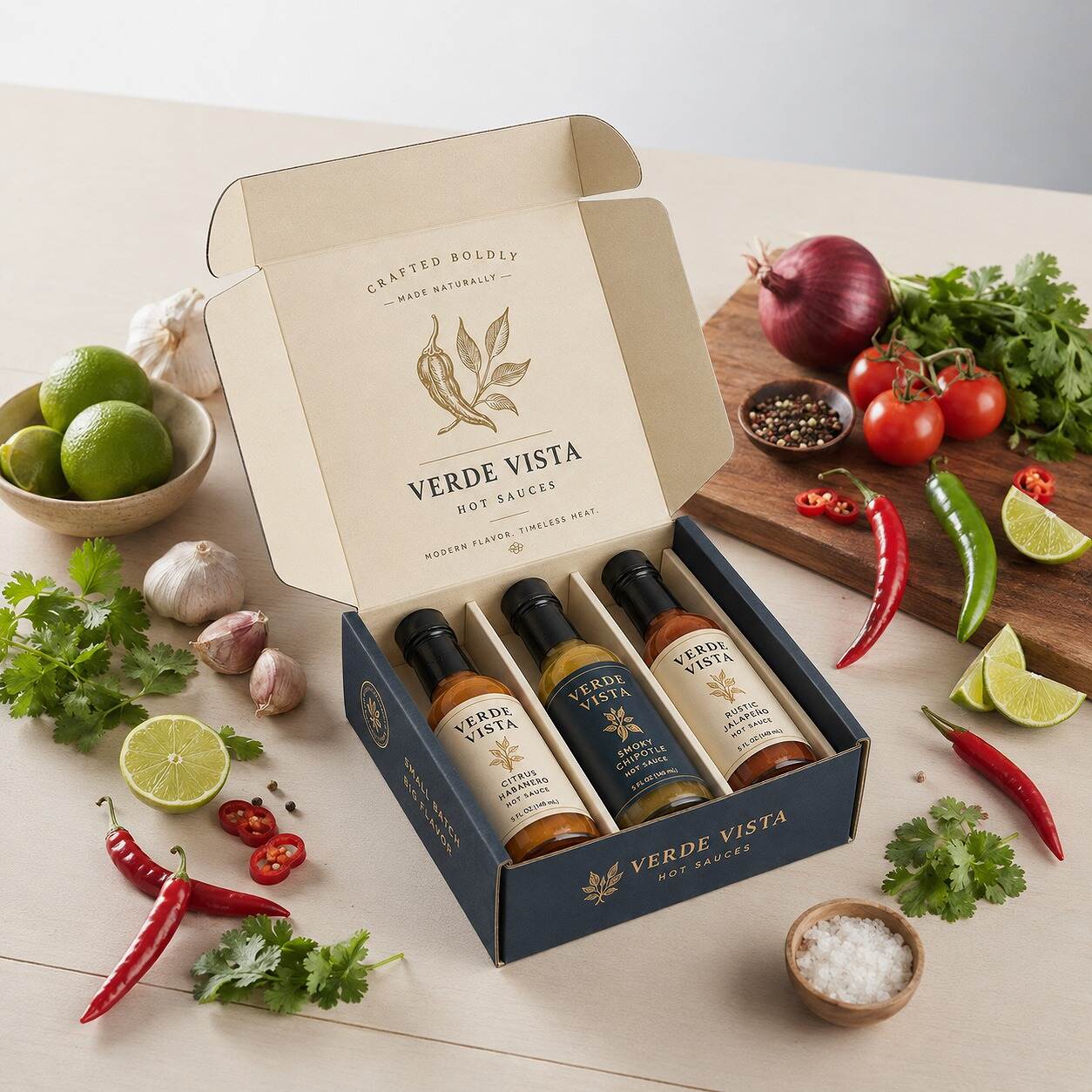
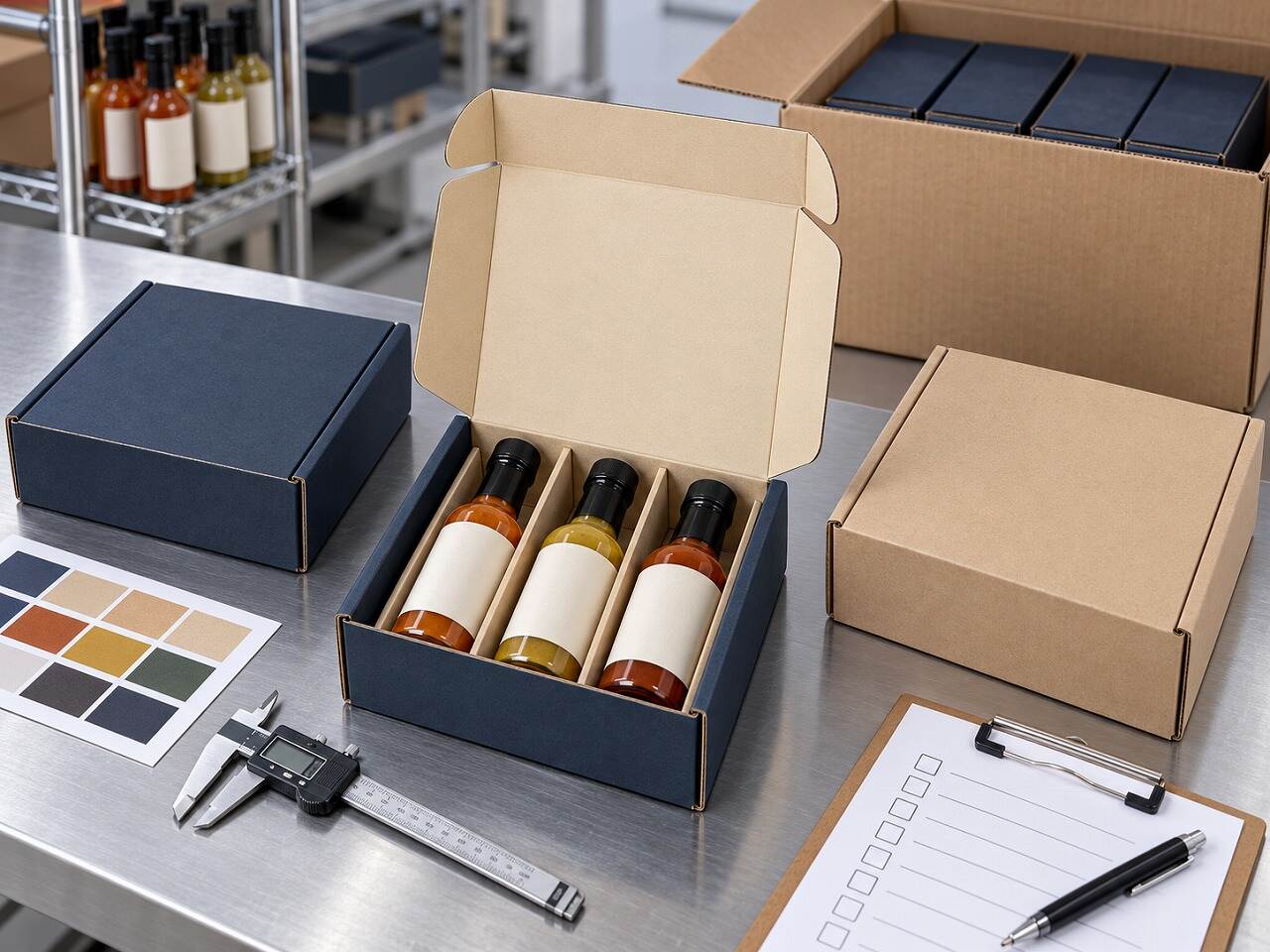
Custom hot sauce packaging box for three bottles with printed corrugated walls and paperboard dividers
Bespoke multi-bottle packaging for sauce brands
Custom Hot Sauce Packaging Box for 3 Bottles | Printed Corrugated Gift Set

A branded corrugated presentation box engineered around your actual bottles, closures, labels and sales route—with separate bottle channels, a controlled opening experience and flat-pack potential for wholesale programs.

Three-bottle layoutCorrugated mailer structurePaper divider systemCustom print and artwork
In brief

What Is This Three-Bottle Hot Sauce Gift Box?

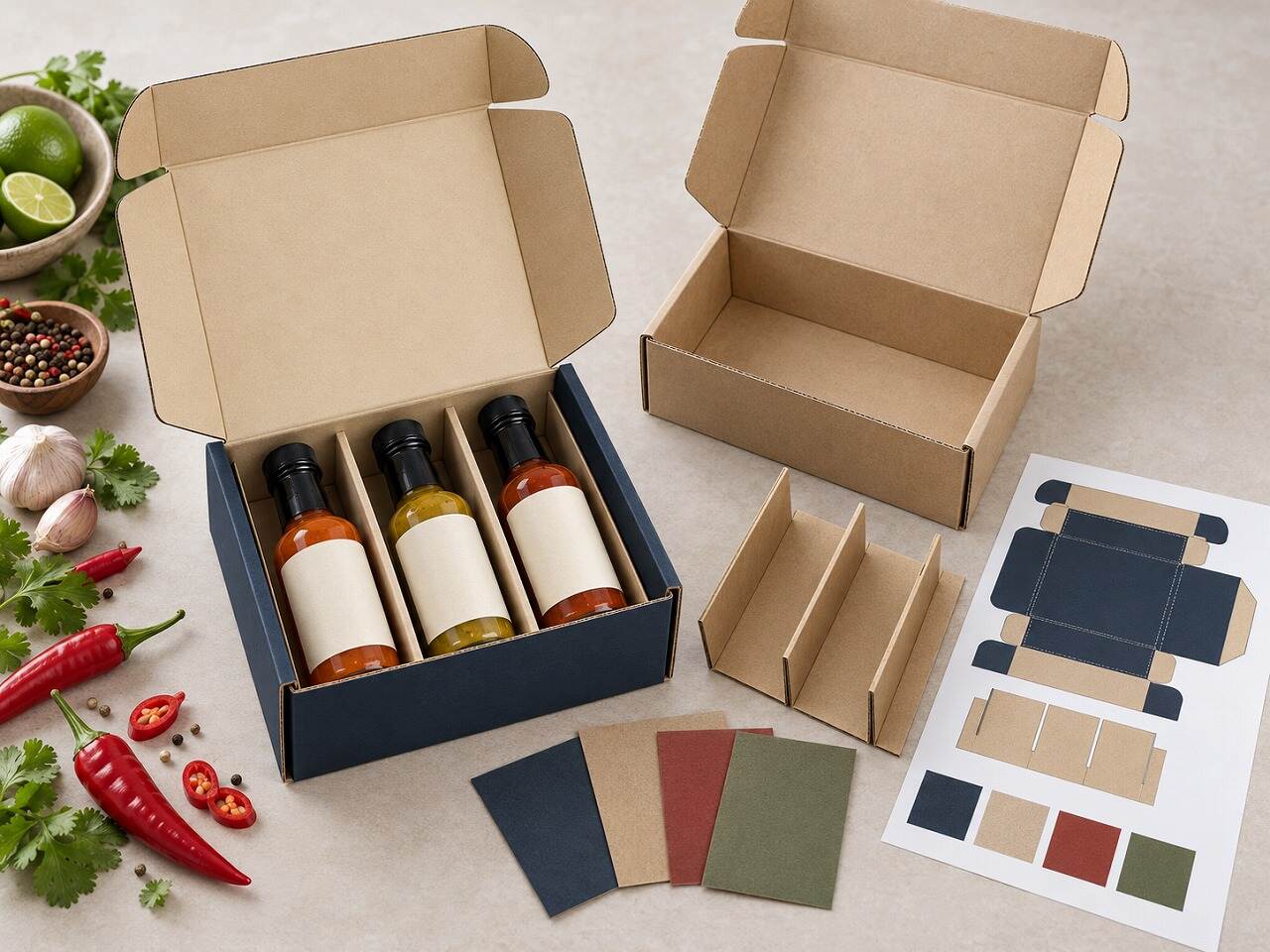
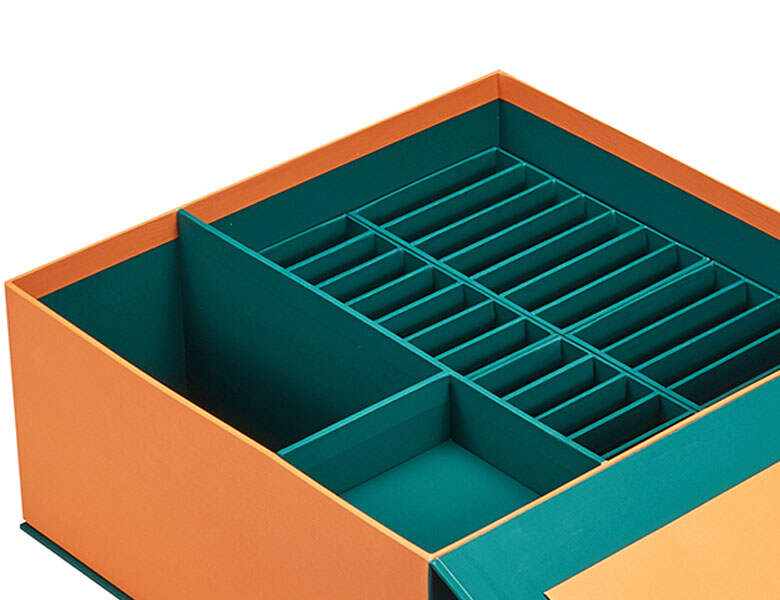
This custom hot sauce packaging box is a secondary paper-based pack for three sealed bottles. The reference configuration uses a printed corrugated mailer and two straight divider walls to create three individual channels. Each project is resized to the buyer's production bottle, including its cap, shoulder, label and any tamper-evident feature. The finished box can be developed for shelf presentation, direct gifting or placement inside a separate transit pack.

Performance boundary: a retail gift box is not automatically a parcel-ready shipper. Protection claims should be based on the completed bottle-and-package system, its distribution route and agreed testing. The box does not contact the sauce when the product remains inside a sealed primary bottle.
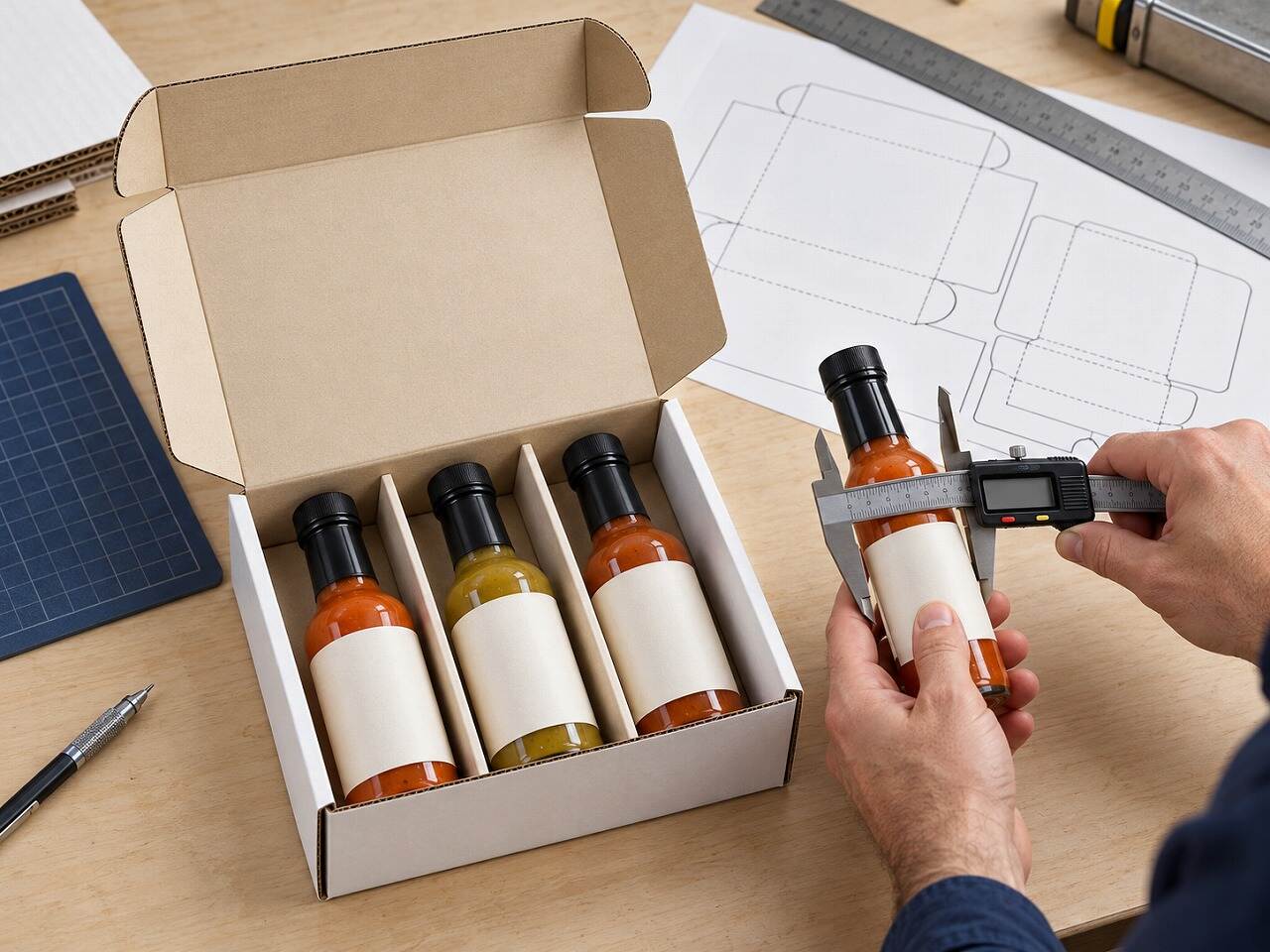
Designed around the actual bottle

Bottle Capacity Is Not a Packaging Dimension

Two bottles sold as 5 oz or 150 ml can have different diameters, shoulders, closures and centers of gravity. Useful internal dimensions must come from a controlled drawing or physical production bottle—not nominal fill volume alone.

Insert engineering

Keep Glass Bottles Separated and Easy to Remove

The reference design uses paper-based divider walls to reduce bottle-to-bottle contact and organize the set. Divider height, board direction, locking tabs and clearance should be developed together with the outer box.

Engineering pointWhat it controlsBuyer approval
Channel widthSide clearance and label rubbingInsertion, removal and movement with filled bottles
Divider heightContact between adjacent bottlesSeparation through expected handling orientations
Bottom supportLoad transfer from bottle basesPanel deflection and packed weight
Head clearanceCap contact and closing forceClosed-box fit including tamper seals
Finger accessRemoval without pulling the capUnboxing sequence and safe grip point
Custom printing

Use the Inside Lid and Outer Panels as One Brand System

A custom hot sauce box must work as both a converting structure and a communication surface. Artwork should be applied only after the dieline and score positions are approved.

OptionBest contributionApproval point
CMYK process printingIllustrations, gradients and multi-flavor graphicsProof, image resolution and fold-to-art alignment
Spot-color printingControlled brand colors and limited palettesPhysical color target and selected liner
Matte or gloss coatingFinish and resistance to routine handlingRub expectation, score cracking and recovery goals
Interior-lid printBrand story, flavor map or serving messageCopy area, scores and ink boundary
Foil or embossingSelective emphasis for launches and giftsLine weight, pressure, registration and setup

Artwork files: send editable vectors, defined brand colors, linked high-resolution images, outlined fonts and a marked finish layer. Keep small copy, barcodes and critical logos away from scores, cut edges and locking slots.

Commercial use

Configure the Box for the Way Customers Receive It

The same three-bottle format can require different outer protection, closures and labeling depending on where it is sold and how it moves.

Measurable acceptance

Define Quality Criteria Before Production Starts

“Premium quality” is not an inspection method. A B2B specification should connect each critical feature to an approved reference or measurable requirement.

Inspection areaTypical checkpointsApproval evidence
Dimensions and fitInternal size, divider spacing, head clearance and closureSigned drawing and packed sample
Corrugated conversionCut accuracy, scores, flap engagement and delaminationStructural sample and defect reference
Print and finishColor, registration, coating, rub behavior and barcodeDecorated sample and proof
AssemblyErection, divider placement, loading time and orientationPack-out instruction and line trial
Shipment configurationUnit protection, carton quantity, labels and pallet patternPacking specification and test plan
Distribution testing: select a test procedure from the actual route and the complete packed-product configuration. Do not treat a material description as proof of shipping performance. See the official ISTA procedure overview.
Compliance boundary

Separate Secondary Packaging Claims from Food-Contact Claims

The pictured box holds sealed bottles and is normally secondary packaging. If sauce, an exposed cap surface or another food-contact component can touch paper, coating, ink or adhesive, the contact condition and destination-market documentation must be reviewed separately.

Reference: FDA guidance on food-contact material components.

Wholesale planning

What Determines Price, MOQ and Lead Time?

Responsible pricing starts with the approved specification. Size, board yield, print setup, insert complexity, finishing, SKU split, assembly and shipment configuration can change the economical quantity and schedule.

No fixed figures are stated here: MOQ, sampling time, production time and unit price are confirmed after GPLPAK reviews the current bottle, structure, artwork, quantity and delivery plan.

RFQ checklist

Send These Details for an Actionable Quotation

A complete brief allows suppliers to compare structure, material and cost without hiding assumptions in a generic price.

If the structure is not fixed, begin with GPLPAK's product development process.

Frequently asked questions

Custom Hot Sauce Packaging Box FAQ

1. Can the box be changed from three bottles to another pack count?

Yes. One-, two-, three-, four- and larger bottle layouts can be developed, subject to geometry, weight and sales route. Each configuration needs a new internal layout rather than a stretched three-bottle dieline.

2. What bottle information is needed?

Provide body diameter, total height, shoulder and base profile, filled weight, bottle material, cap, tamper feature and label-sensitive areas. Physical production bottles are preferred for final approval.

3. Can different sauce flavors share one box?

Yes, if bottle geometry and label protection are compatible. A shared structure can use different artwork or labels, but quantity by version must be declared because artwork changes affect setup.

4. Is this gift box suitable for courier shipping by itself?

Not automatically. Suitability depends on weight, bottle fragility, closure, route and test requirement. Some projects place the presentation box inside a parcel shipper; others develop and validate a direct-ship structure.

5. Can the inside lid and dividers be printed?

Interior-lid printing is available subject to the selected process. Divider printing may be possible, but visibility, setup cost, abrasion risk and the contact boundary should be reviewed first.

6. Is the box considered food-safe?

The shown box is secondary packaging for sealed sauce bottles. If any component directly contacts food or an exposed food-contact surface, suitability must be assessed for the exact materials, conditions of use and destination.

7. What determines MOQ and timing?

Dimensions, board, printing, finishing, tooling, SKU split, component supply and assembly scope determine workable terms. GPLPAK confirms MOQ and schedule after reviewing the specification.

8. Should we approve a physical sample?

Yes. Approve a blank fit sample with filled bottles, then the decorated sample. The signed dieline, artwork, material specification, pack-out instruction and criteria become the production reference.


Start with your bottle and sales route

Develop a Corrugated Hot Sauce Gift Box That Fits the Real Product

Send bottle samples or drawings, pack count, artwork, quantities, destination and distribution plan. GPLPAK can review the structure, divider layout, printed finish, sampling route and wholesale pack-out as one project.

GPLPAK · Custom paper packaging manufacturer · Dongguan, China

Options disponibles

Matériaux

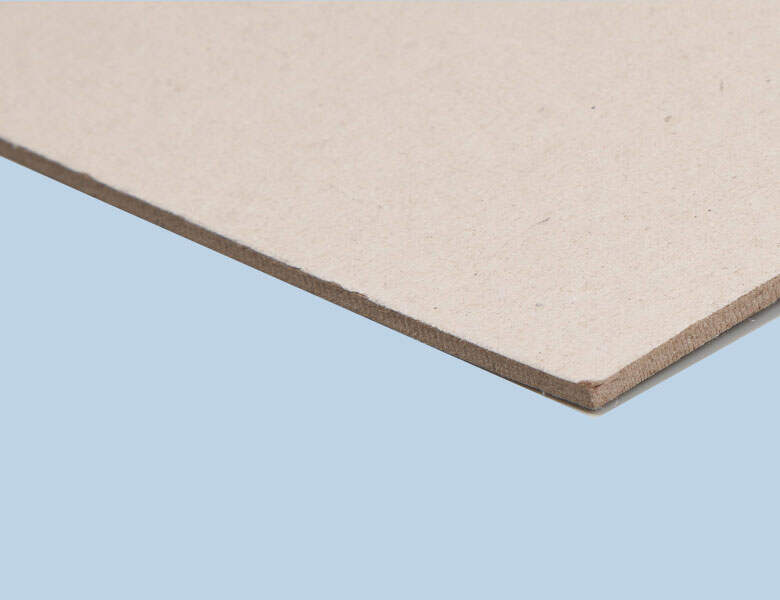
Grey Chipboard
Chipboard gris
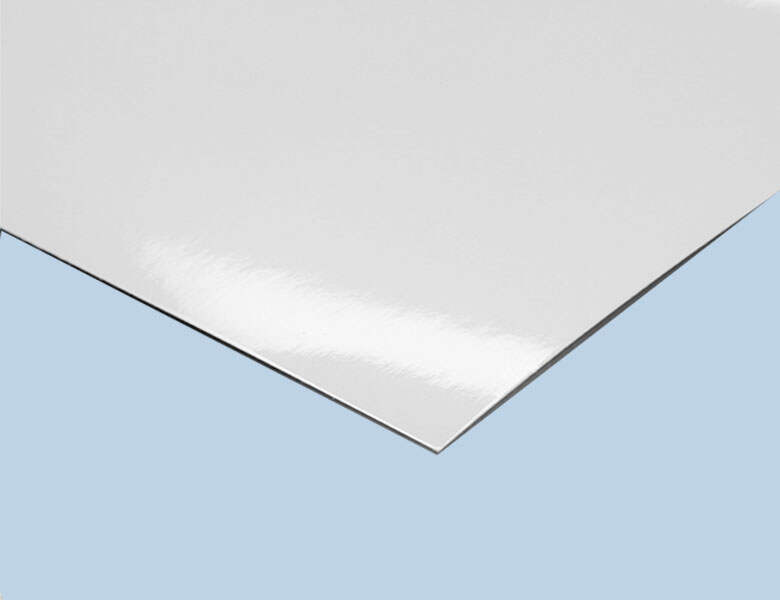
Coating Paper
Papier de revêtement
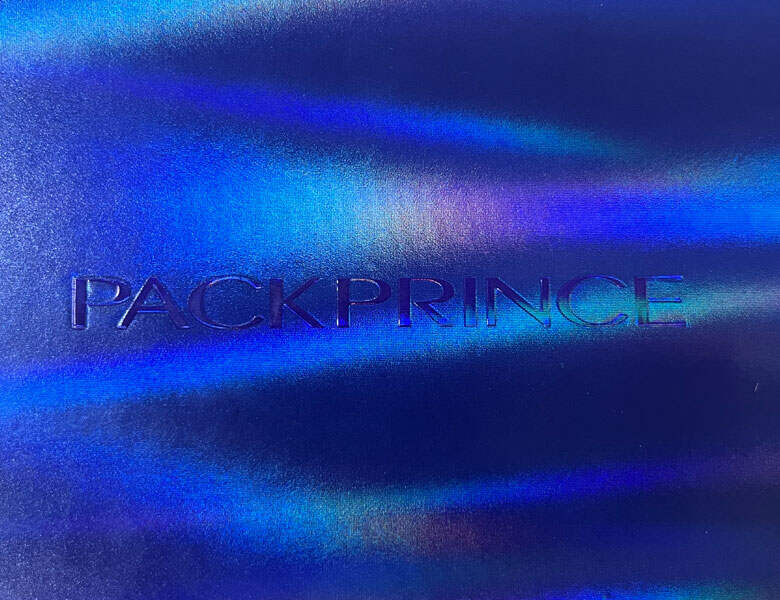
Holographic
Holographique
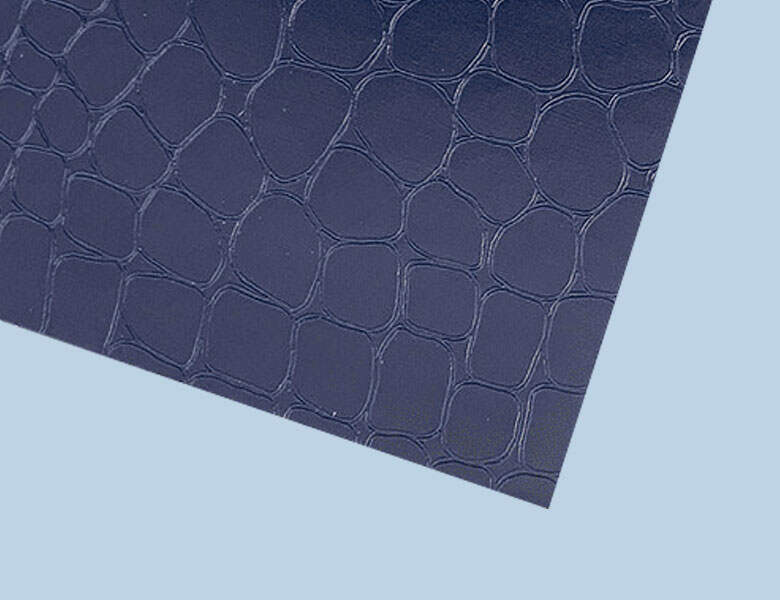
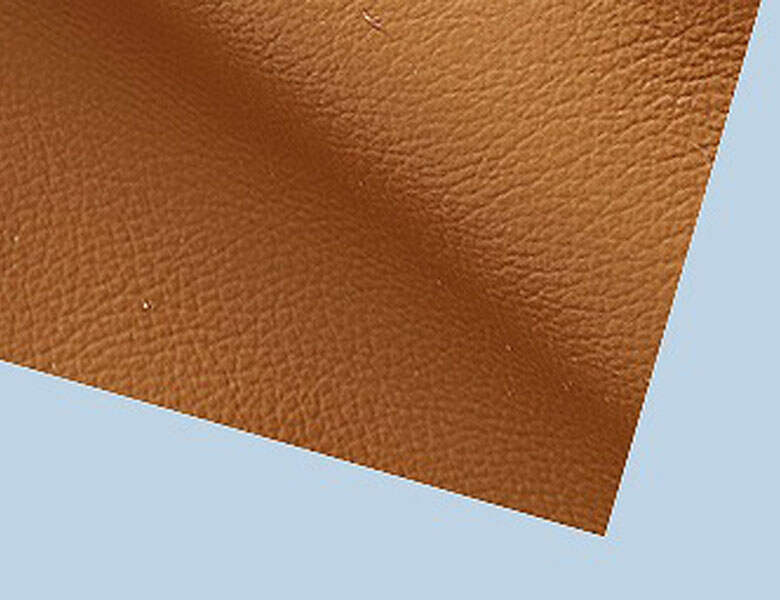
Leatherette Paper
Papier en cuir
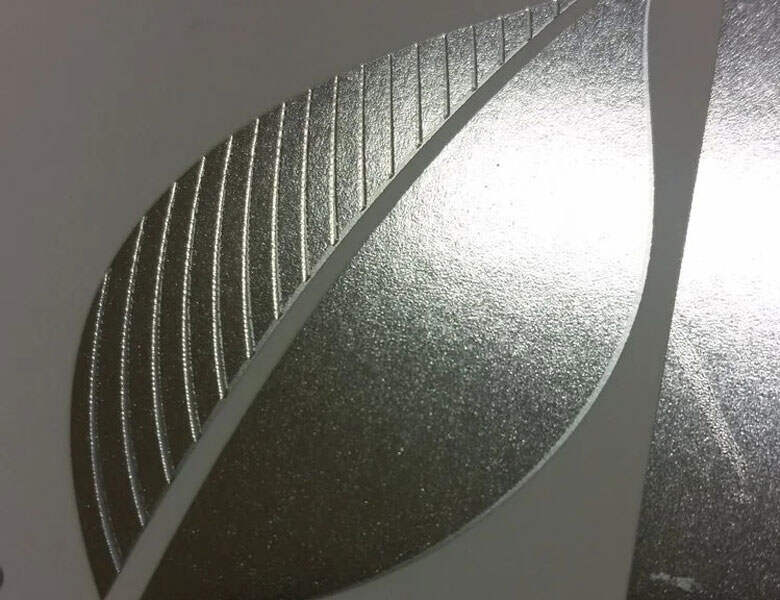
Metallic
métallique
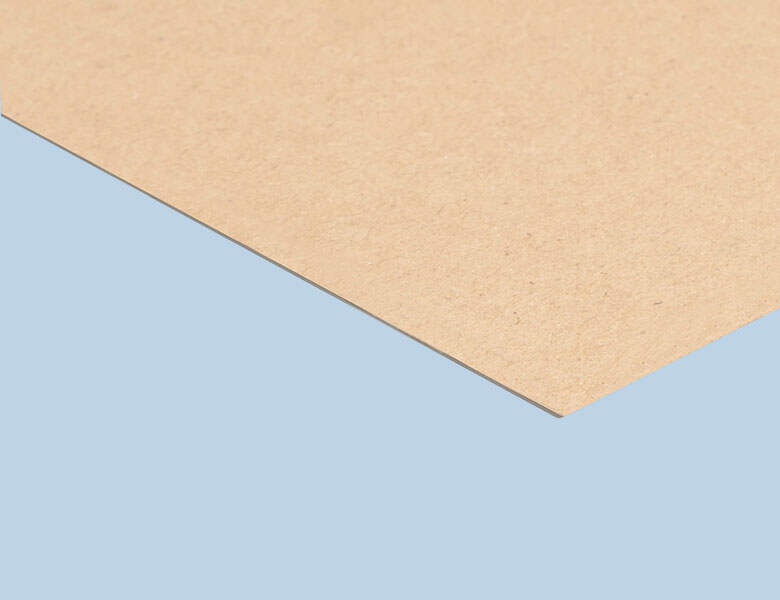
Natural Brown Kraft
Kraft marron naturel
PU Leather
cuir PU
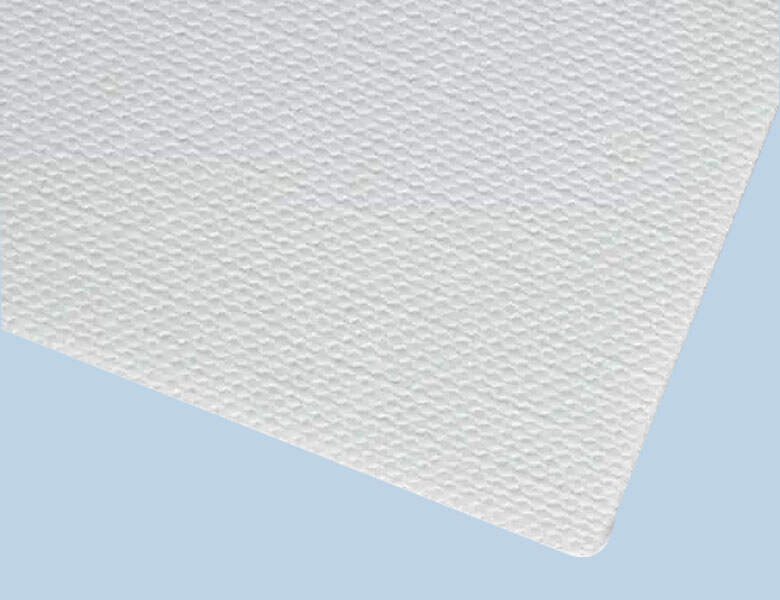
Textured paper
Papier texturé

Couleur

Processus
Couleurs
CMYK
CMYK
Quelles sont les couleurs de processus?

Les couleurs de procédé sont basées sur le système d'impression CMYK, en utilisant des points en couches de cyan, magenta, jaune et noir à des densités variables pour reproduire une gamme complète de couleurs et de gradients lisses.

Dans la production d'emballages, l'impression CMYK est réalisée par des tours d'impression séparées, chaque tour étant dédiée à une couleur. Ensemble, les quatre tours travaillent en séquence pour construire avec précision l'image finale et la sortie de couleur.

Spot
Couleurs
PANTONE
Pantone
Qu'est-ce que Spot Colors ?

Les couleurs Spot utilisent des encres pré-mélangées qui sont imprimées directement, nécessitant une seule tour d'impression. Parce que la couleur est prédéterminée, elle assure des résultats cohérents entre différentes machines, fournisseurs et séries de production.

Contrairement aux couleurs de procédé, les couleurs taches apparaissent uniformes même sous une inspection étroite, sans motifs de points CMYK visibles, offrant une reproduction de couleur plus propre et plus précise.

Finition de surface

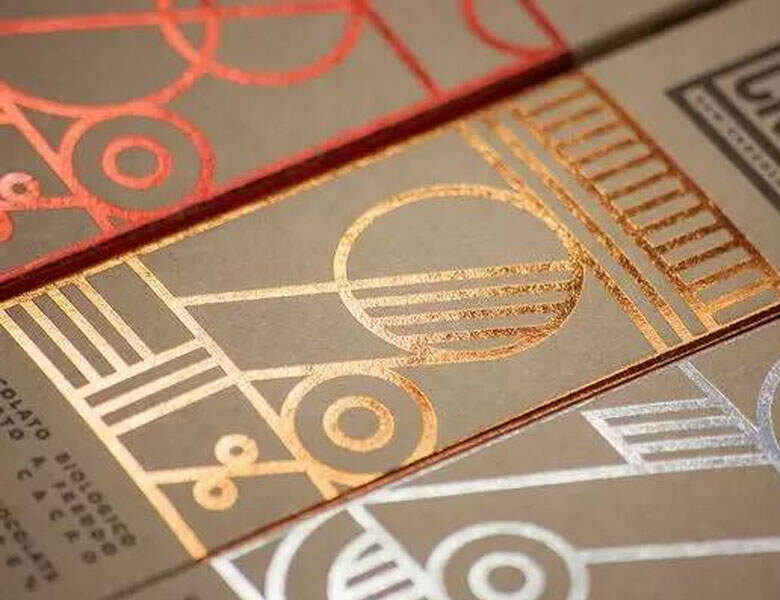
Hot Foil Stamping
Estampage à chaud
Cold Foil Stamping
Stamping à froid
Debossing
Débosselage
Embossing
Gaufrage
Spot UV
Spot UV
Reverse UV
UV inverse
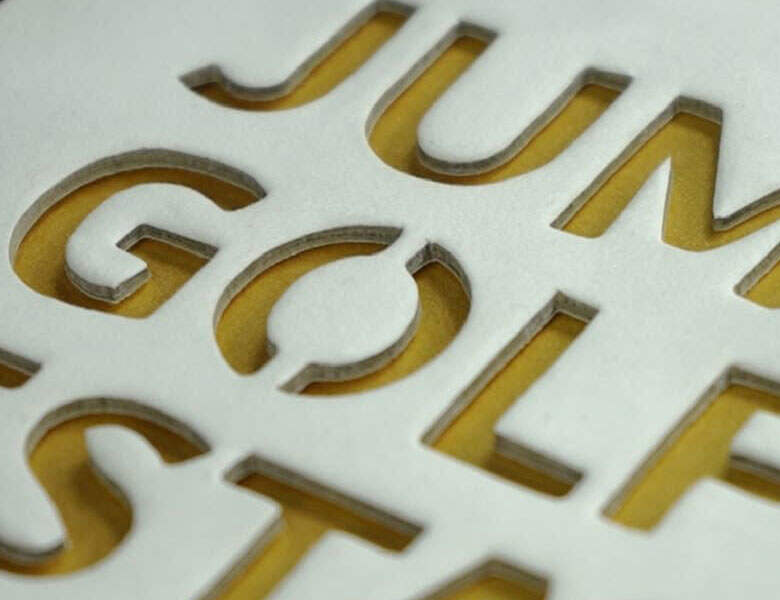
Die Cutting
Coupe
Fresnel Lens
lentille Fresnel

Laminage

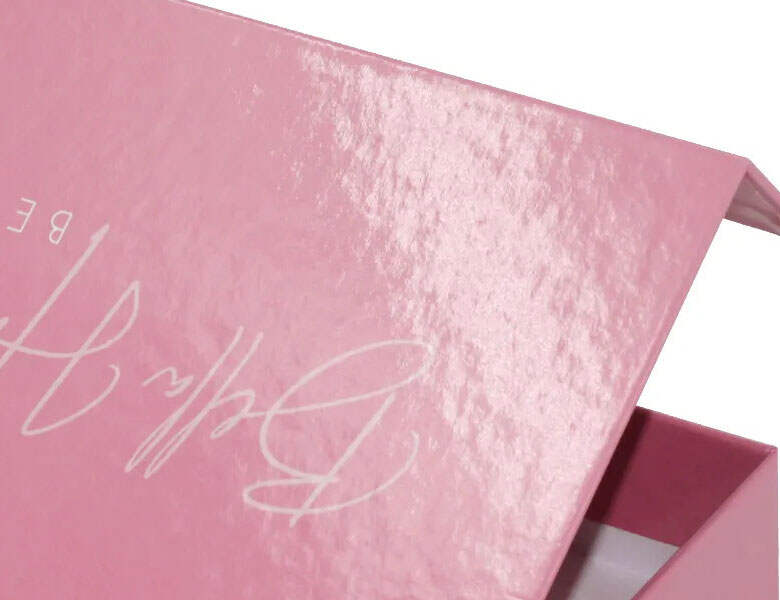
Gloss Lamination
Stratification de lustre
Matte Lamination
Pelliculage mat
Soft Touch Lamination
Laminage au toucher doux
Anti-Scratch Lamination
Laminage anti-rayures
Holographic Lamination
Laminage holographique
Plastic Replacement Coating
Revêtement de remplacement en plastique
Varnishing
Vernissage
Water-Based Coating
Revêtement à base d'eau

Boîtes Insérer

EVA Insert
EVA insérer
Foam Inserts
Inserts de mousse
Grey Board Insert
Insérer tableau gris
PET Blister Insert
PET Blister Insert
Folding Carton inserts
Inserts de carton pliant
Paper Card Coating HIPS Blister
Revêtement de carte en papier HIPS Blister
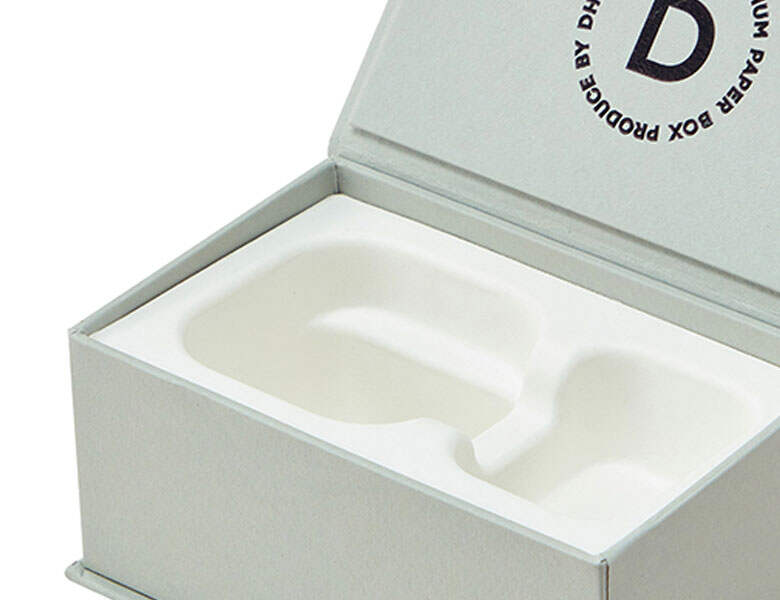
Molded Pulp Insert
Insert de pâte moulée
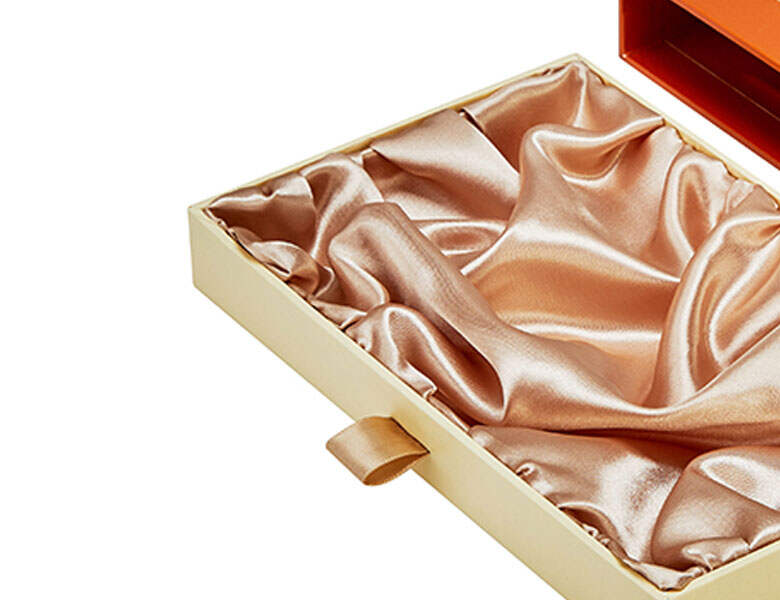
Satin Inserts
Inserts en satin

Processus de commande

Une plateforme unique pour obtenir des devis et passer des commandes, avec dédié
Soutenez chaque étape du chemin.

1

Personnalisez votre
emballage

Allez sur la plateforme gplpak pour personnaliser la taille, les matériaux, l'impression et les finitions de vos boîtes rigides.

2

Obtenez des devis &
échantillons

Comparez les devis d'emballage et obtenez un échantillon de votre boîte rigide avant de commencer une commande de production.

3

Sélectionner l'expédition
méthodes

Choisissez une méthode d'expédition préférée et même configurez des expéditions divisées pour obtenir des emballages livrés plus rapidement.

4

Télécharger des œuvres d'art

Ajoutez votre dessin au modèle dieline que nous faisons sur mesure pour vos spécifications de boîte.

5

Suivre la commande
progrès

Obtenez une visibilité complète sur les progrès des échantillons, de la production et de l'expédition.

Vous avez d'autres questions ?

cliquez sur la question
Assistant Gplpak

Vous avez encore une autre question ?

Laissez-nous un message et notre équipe d'emballage vous répondra dans les 2 heures.

Un guichet unique pour toutes les solutions d'emballage personnalisées de votre entreprise

We collaborate with people and brands; let's build something great together.

Demander un devis
Obtenir un devis Habituellement réponse d'ici 1 heure