 영어
영어  EN
EN  RU
RU  ES
ES  KO
KO  JA
JA  PT
PT  IT
IT  DE
DE  FR
FR  NL
NL 포장 지식
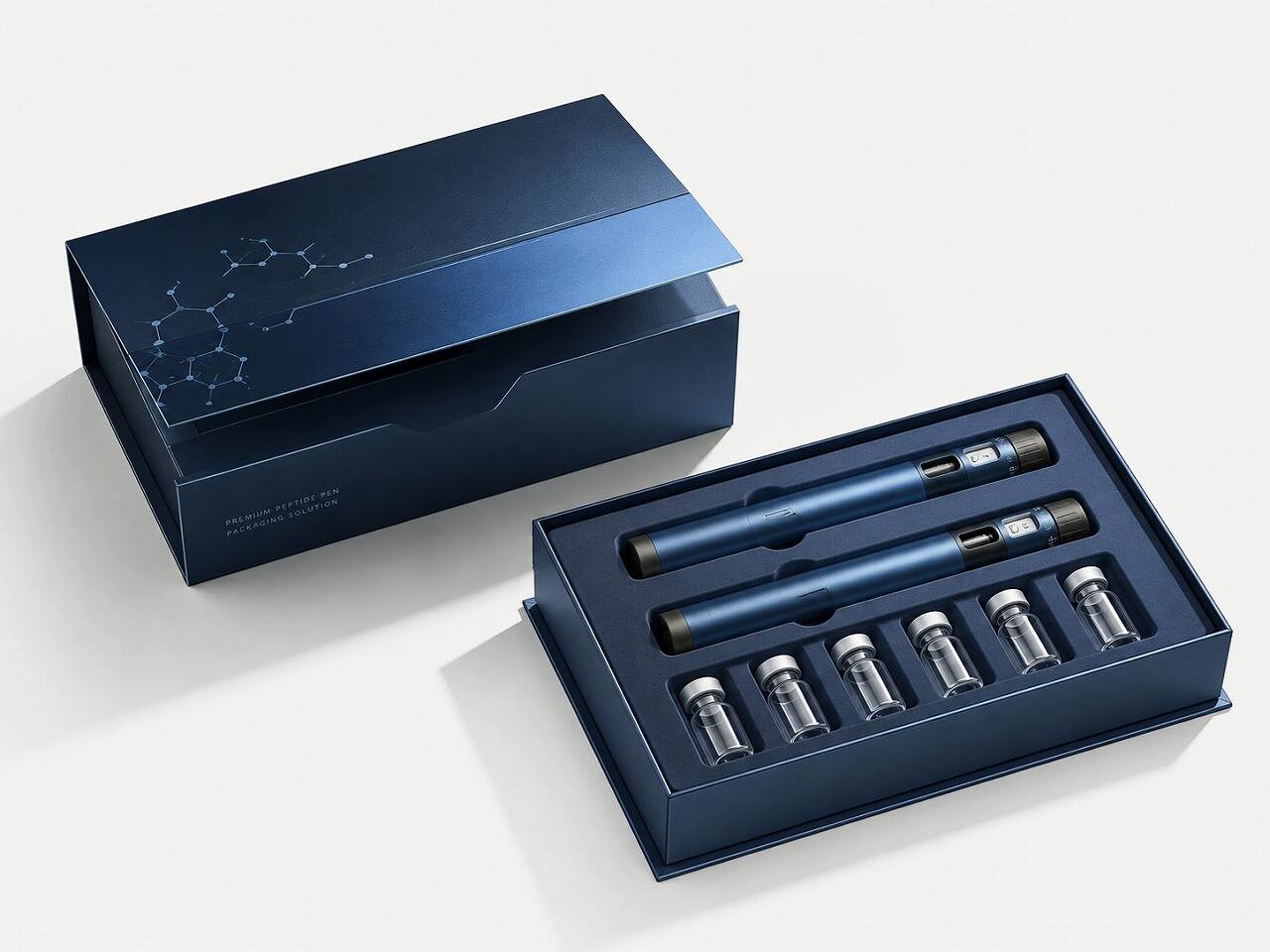
펩타이드 브랜드, 연구 유통 업체, 웰빙 제품 회사 및 제약 스타일 포장 구매자의 경우 펩타이드 펜 상자는 단순히 인쇄 된 종이 상자가 아닙니다. 사출 펜 또는 바이알 키트를 안전하게 보관하고 제품 정보를 명확하게 제시하고 프리미엄 브랜딩을 지원하며 샘플링, 보관, 배송 및 규모 생산에 실용적이어야하는 소형 포장 시스템입니다.
펩티드 펜 포장에 표준 상자보다 더 필요한 이유
펩타이드 펜 포장은 프리미엄 제품 프리젠 테이션과 매우 실용적인 2 차 포장 사이에 있습니다. 프로젝트가 연구 배포, 개인 라벨 웰빙 프로그램, 샘플 키트, 클리닉을 향한 제품 세트 또는 브랜드 프리젠 테이션 팩을위한 것인지 여부에 관계없이 상자는 로고를 전달하는 것 이상의 작업을 수행해야합니다. 섬세한 구성 요소를 구성하고 운송 중 이동을 줄이며 깨끗한 정보 계층 구조를 만들고 자신감있는 핸드 오버 경험을 지원해야합니다.
B2B 구매자 검색펩티드 주사 가능한 포장 상자또는펩티드 펜 상자실제 질문은 일반적으로 "상자를 인쇄 할 수 있습니까?" 가 아닙니다. 더 깊은 질문은 "이 공급 업체가 민감하고 컴팩트하며 정보가 많은 제품을 보호, 확장 가능 및 브랜드 준비가 된 전문 포장 시스템으로 바꾸는 데 도움이 될 수 있습니까?" 입니다.
그것이 맞춤형 구조 설계가 중요한 곳입니다. 펩티드 펜 박스는 하나의 펜, 다중 펜, 바이알, 드로퍼 스타일 액세서리, 지시 리플릿, 건조제 영역, 배치 라벨링, 바코드 배치 및 보호 폐쇄 시스템을 보유할 필요가 있을 수 있다. 이러한 세부 사항이 사후 고려 사항으로 취급되면 최종 상자는 사진에서 받아 들일 수 있지만 보관, 배송, 포장 또는 고객 사용 중에는 실패 할 수 있습니다.
B2B 구매자가 일반적으로 "펩타이드 펜 박스" 를 검색 할 때 의미하는 것
이 키워드 뒤에 검색 의도는 일반적으로 상업적이고 기술적입니다. 구매자는 종종 포장 공장을 비교하고, 예를 검토하고, 재료 옵션을 확인하고, 소싱 브리핑을 준비합니다. 그들은 아직 최종 작품을 가지고 있지 않을 수도 있지만 이미 상자가 전문적으로 보이고 제품을 보호해야한다는 것을 알고 있습니다.
브랜드 소유자
펩티드 펜이나 바이알 키트를 지나치게 장식적이거나 명확하지 않은 것처럼 보이지 않고 신뢰할 수 있고 깨끗하며 시장 준비가 된 프리미엄 상자가 필요합니다.
유통 업체
그들은 단위 일관성, 운송 효율성, 바코드 가독성, 카톤 조직 및 다양한 SKU에서 작동하는 포장에 관심이 있습니다.
제품 개발자
그들은 삽입 공차, 보드 두께, 마무리 선택 및 샘플 테스트를 포함하여 가능한 구조로 개념을 변환하는 데 도움이 필요합니다.
따라서 강력한 블로그는 소싱 관리자, 포장 엔지니어, 마케팅 팀 및 설립자에게 동시에 이야기해야합니다. 내용은 디자인 결정을 명확하게 설명하고 지원되지 않는 의료 청구를 피하고 보호, 프레젠테이션 및 생산 효율성을위한 비즈니스 도구로 포장을 배치해야합니다.
프리미엄 펩티드 펜 포장을위한 최고의 상자 구조
단일 "최상의" 펩타이드 펜 상자 구조는 없습니다. 올바른 선택은 제품 가치, 수량, 소매 또는 임상 스타일 사용, 배송 방법 및 팩이 하나의 펜 또는 전체 키트를 담을 필요가 있는지 여부에 따라 다릅니다. 아래는 B2B 프로젝트의 가장 일반적인 프리미엄 구조입니다.
엄밀한 뚜껑 및베이스 박스
단단한 뚜껑 및베이스 박스는 브랜드가 프리미엄 손 느낌과 강력한 보호 기능을 원할 때 이상적입니다. 스타터 키트, 샘플 키트 및 고급 펩타이드 펜 세트에 적합합니다. 상자는 EVA 폼, 판지 인서트 또는 성형 펄프 인서트와 쌍을 이룰 수 있습니다.
가장 적합한 대상:프리미엄 프레젠테이션, 멀티 피스 키트, 인플 루 언서 키트, 유통 업체 샘플 세트 및 고급 제품 출시.
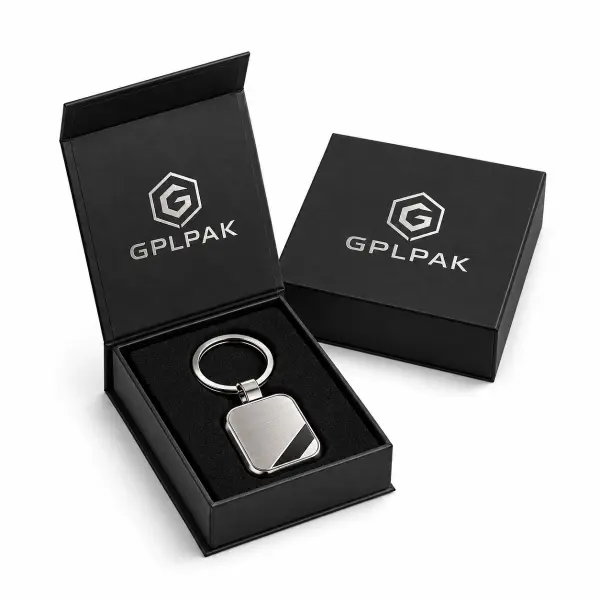
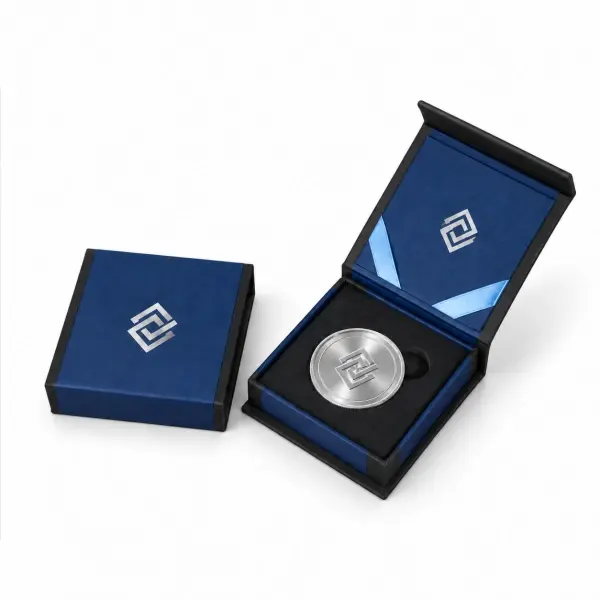
자기 폐쇄 엄밀한 상자
자기 폐쇄 상자는 깨끗한 개방 경험을 만들고 패키지가 제어되고 세련된 느낌을줍니다. 브랜딩 및 언 복싱 경험이 중요 할 때 종종 선택됩니다. 펩타이드 펜의 경우 상자가 열릴 때 제품이 고정 될 수 있도록 인서트를 신중하게 설계해야합니다.
가장 적합한 대상:프리미엄 샘플 프리젠 테이션, 브랜드 키트, 개인 라벨 출시 및 첫인상이 중요한 제품.
서랍 상자 또는 소매 상자
서랍 스타일의 구조는 제품을 조직적이고 현대적인 느낌으로 만들 수 있습니다. 트레이가 부드럽게 미끄러 져 모든 구성 요소를 한 번에 표시 할 수 있기 때문에 펜과 리플릿 레이아웃에 특히 유용합니다. 그러나 슬리브 허용 오차는 너무 느슨하거나 너무 단단한 트레이를 피하려면 정확해야합니다.
가장 적합한 대상:단일 펜 포장, 슬림 프레젠테이션 키트, 소형 소매 스타일 상자 및 우아한 B2B 샘플 팩.
접는 판지
접이식 카톤은 더 큰 생산 실행 및 경량 포장을 위해 더 효율적입니다. 깨끗한 의료 스타일의 그래픽으로 인쇄 할 때 여전히 전문적으로 보일 수 있지만 수제 단단한 상자보다 덜 우수한 강성을 제공합니다. 제품에 이미 강력한 기본 컨테이너가 있거나 외부 카톤 효율이 우선 순위 일 때 가장 잘 작동합니다.
가장 적합한 대상:비용에 민감한 프로그램, 더 큰 볼륨 SKU, 소매 상자 및 경량 보조 포장.
GPLPAK는 단단한 상자, 자기 상자, 서랍 상자, 뚜껑 및베이스 상자, 튜브 상자 및 접이식 상자를 포함한 여러 맞춤형 구조를 지원합니다. 구매자는 더 많은 구조 옵션을 탐색 할 수 있습니다GPLPAK 맞춤 포장 제품 페이지.
재료 선택: 균형 보호, 깨끗한 프리젠 테이션 및 지속 가능성
재료 선택은 모든 것에 영향을 미칩니다: 상자 강도, 인쇄 결과, 삽입 안정성, 인식 된 가치, 재활용 성 및 비용. 펩타이드 펜 포장의 경우 모양과 기능을 염두에두고 재료를 선택해야합니다.
단단한 그레이보드
Rigid greyboard는 프리미엄 수제 상자에 적합합니다.그것은
SBS 또는 화이트 카드 종이
화이트 카드보드는 깨끗한 인쇄, 의료 스타일 최소화 및 읽을 수 있는 정보 패널을 지원합니다.그것은 일반적으로 접이는 판지와 인쇄된 포장에 사용됩니다.
Kraft 및 재활용 종이
더 자연스럽거나 환경 의식적인 외관을 원하는 브랜드에게는 크라프트와 재활용 종이 옵션이 책임지고 프리미엄 포장 방향을 만들 수 있습니다.
특수 종이
텍스처, 부드러운 터치, 리텍텍스처 또는 정밀한 곡물 특수 종이는 무거운 그래픽이나 과장된 장식에 의존하지 않고 포장을 높일 수 있습니다.
대부분의 프리미엄 대대형 대대대부분의 대대대부분의 대대부분의 프리미엄 대대부분의 대대부분의 대대부분의 대대부분의 프리미엄 대상프리미엄 대부분의 대부분의 대부분의 대부분의 프리미엄제품 라인에 여러 SKU가 포함되어 있다면 공장은 동일한 외부 상자 크기를 다른 제제제입 레이아웃과 함께 사용할 수 있는지 여부를 평가해야합니다.이것은 도구 복잡성을 줄이고 조달 효율성을 향상시킬 수 있습니다.
GPLPAK은 고급 종이 포장에 초점을 맞추고, 재료 선택, 샘플 평가 및 생산 가능성을 통해 구매자를 지원할 수 있습니다.프리미엄 프레젠테이션과 환경 의식 자료의 균형을 요구하는 프로젝트의 경우 구매자는 시작할 수 있습니다.GPLPAK 포장 서비스구조, 종이 옵션, 구구조 개념 및 마무리 방향을 논의하기 위해.
인서트 엔지니어링: 포장 품질을 결정하는 숨겨진 세부사항
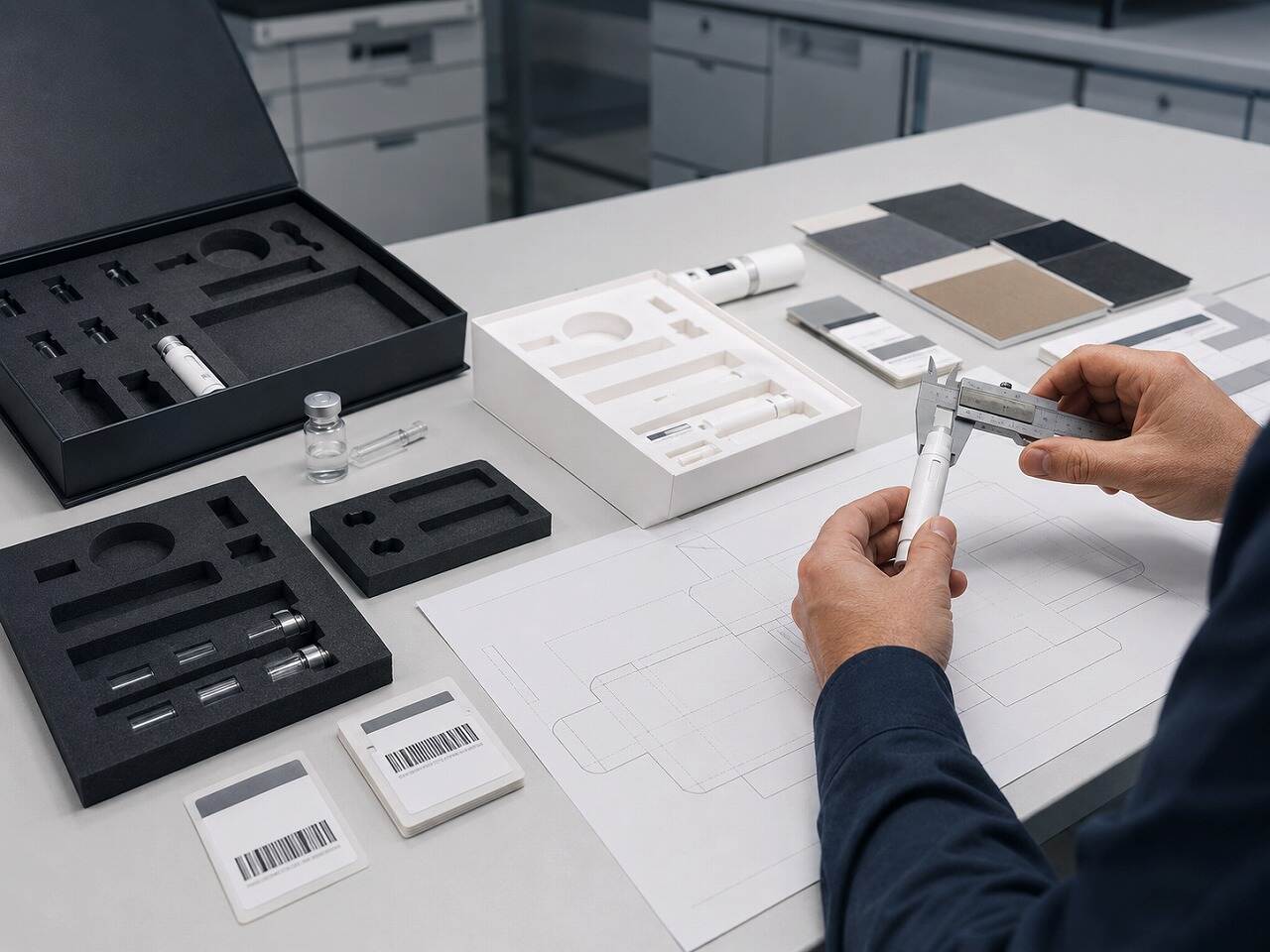
아름다운 상자는 펜이 아아아아름다운 상자는 여전히삽입 디자인은 정확한 제품 크기, 허용, 사용자 처리 및 패킹 워크플로우를 기반으로 해야 합니다.
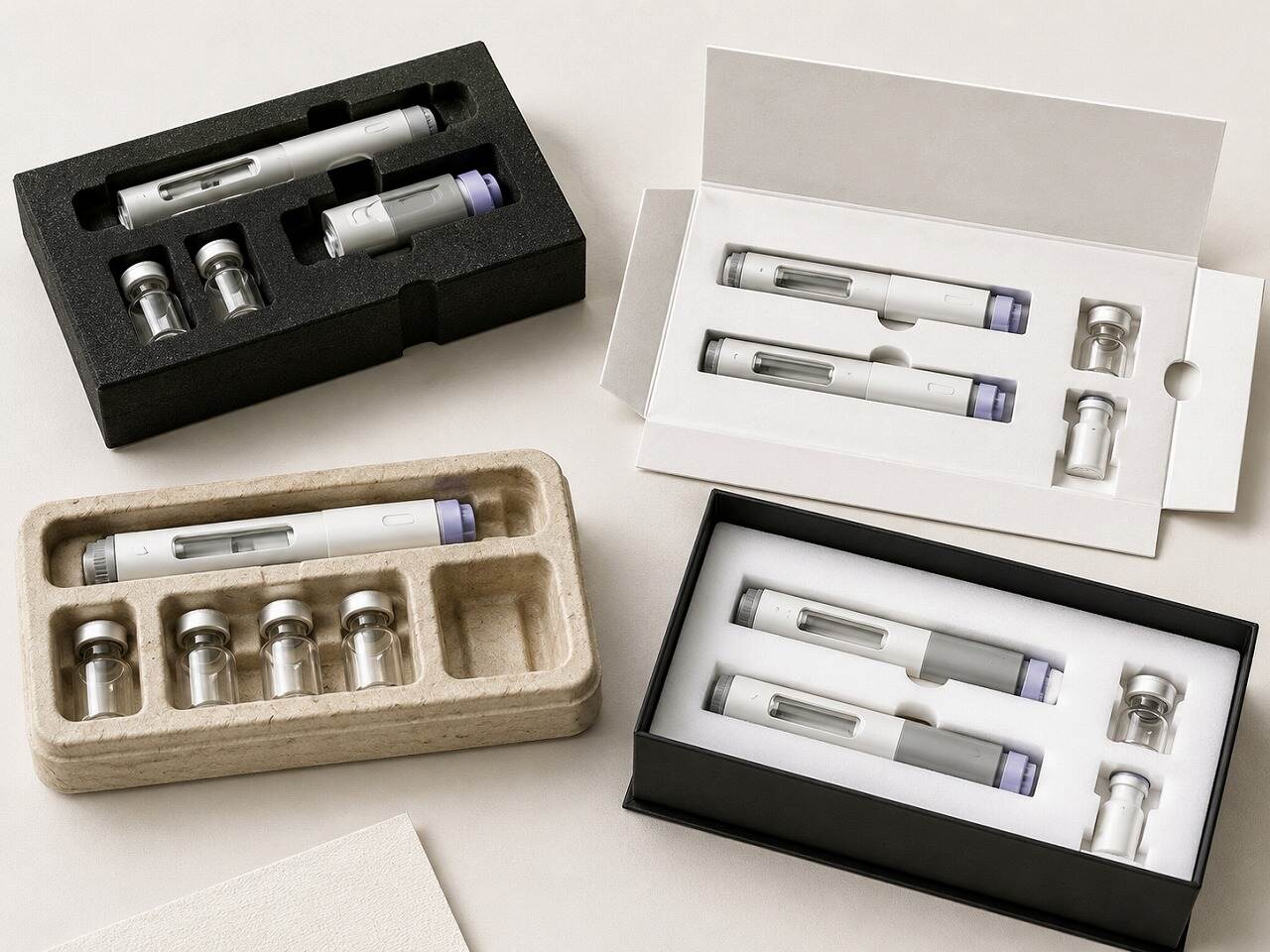
EVA 거품 삽입
EVA 거품은 프리미엄 외관과 강한 쿠션을 제공합니다.프레젠테이션과 보호가 둘 다 우선 순위가 되는 엄격한 강그것그것은 그것그것은 그것그것은 강강한 프프프레젠테이션과 보호가 두 가지 우선순위가 중요한 경우 유용합니다.칼아웃은
판지 삽입
카드보드 인서트는 더 재활용 가능하고 경량의 옵션입니다.플라스틱 감소 포장 솔루션을 원하는 브랜드에게는 잘 작동합니다.구조적 인 접합, 잠금 구구성 구구조적 인 구구조적 인 접합, 잠금 구구구조적 인 구구구구조적 인 접합, 잠금 구구구구조적 인 구구구구조적 인 접합, 잠금 구조 구조 구조
성형 주주조된 주주조된 주주형된 주주형된 주조형된 주입입력
성형된 형성된 성형된 성성형된 성성성형된 성성성형된 성성성형된 성성형된 성성형된 성성형된 성성형 성이 더 강한 지속가능성 이야기를 원플라스틱의 사용을 줄이면서 그것그것그것은 플플라스틱의 사용을 줄일 때 그것그것은 그것그것은 그것그것은 플플라스틱의 사용을 줄일 수 있습니다.텍스처, 색깔 및 허용성은 샘플링을 통해 평가해야합니다.
다구간 레이아웃
Some peptide pen packaging requires a pen slot, vial cavity, leaflet pocket, QR code card area, or accessory space. A multi-compartment insert keeps the kit organized and improves the product experience, especially for sample sets and distribution packs.
During development, the insert should be tested with real product samples or accurate dummy models. Measurements should include pen length, diameter, cap size, vial height, vial diameter, label thickness, and any protective sleeve or cap variation. A packaging supplier should also check whether the insert affects closing pressure, box deformation, and packing speed.
Printing and Finishing: Clean, Premium, and Easy to Read
Peptide pen packaging often benefits from restrained design. Unlike fashion or confectionery packaging, this category usually needs to communicate clarity, precision, and trust. The best visual direction is often minimal, organized, and highly legible.
CMYK and Pantone Printing
CMYK is suitable for full-color graphics, while Pantone colors help maintain consistent brand tones across batches and product lines.
매트 또는 소프트 터치 박판
Matte and soft-touch finishes can create a refined, clinical-premium feel. They also reduce visual noise compared with high-gloss finishes.
호일 스탬핑
Gold, silver, or subtle metallic foil can highlight a logo or product line. For this category, small and controlled foil areas usually look more professional.
Embossing 및 Debossing
Embossing or debossing adds tactile branding without making the packaging feel visually crowded. It works well on rigid boxes and specialty papers.
The most important printing principle is hierarchy. Product name, strength or variant, barcode, batch area, storage icons, warning area, and usage support content should not compete for attention. Even if the final information is provided by the customer’s regulatory or brand team, the packaging designer should create a layout that makes these zones easy to locate and easy to update.
For artwork preparation, vector files are preferred for sharp logos, clear lines, and precise printing. GPLPAK can help evaluate whether foil, embossing, spot UV, Pantone colors, or clean offset printing is the better route for your peptide pen packaging project. To understand more about production support, visit GPLPAK Factory Services.
Compliance-Ready Layouts: What Packaging Designers Should Prepare
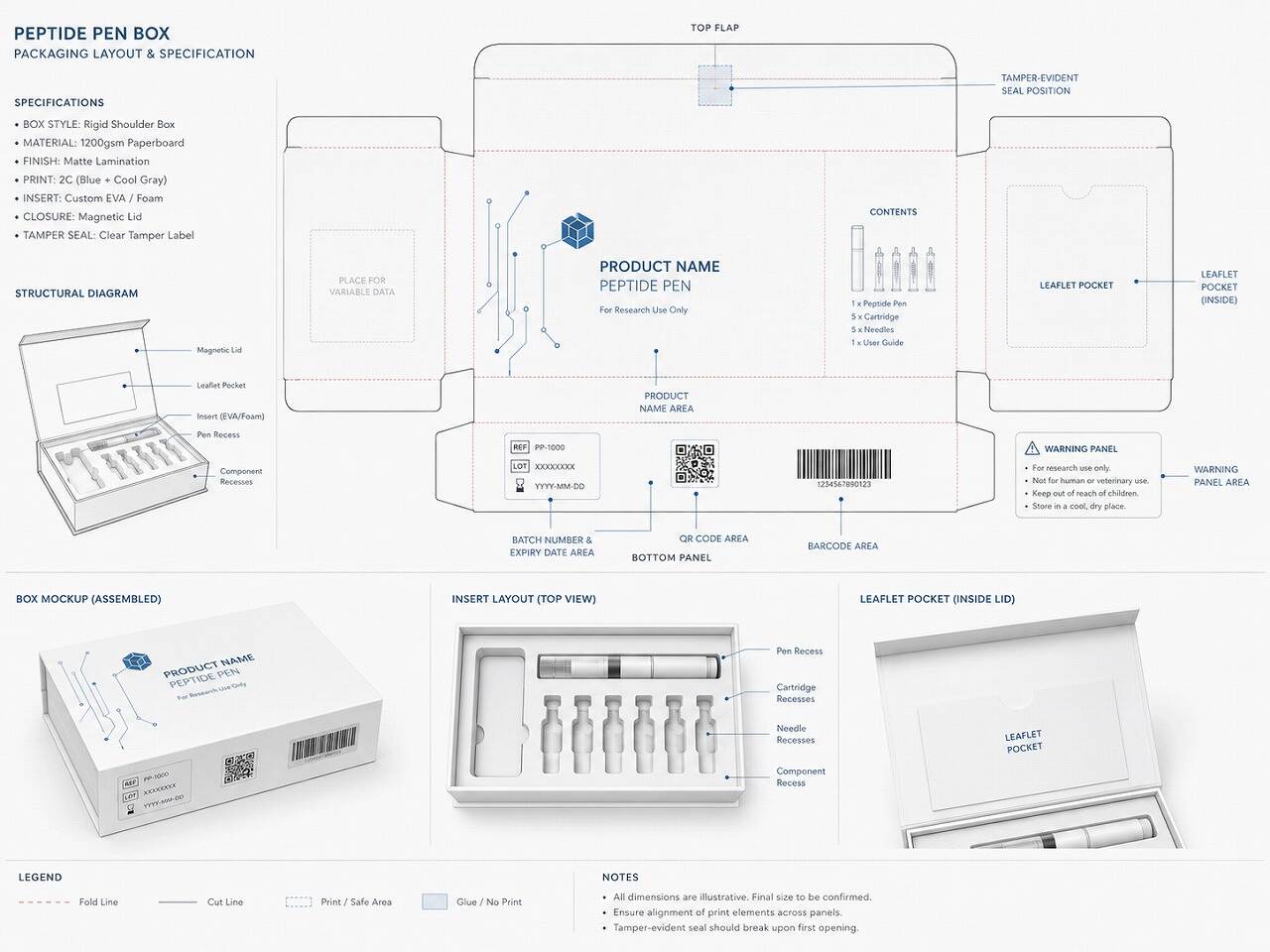
A compliance-ready layout does not mean the packaging supplier approves or certifies the product. It means the box structure and artwork zones are prepared so that the brand owner, distributor, or regulatory team can add required information clearly and consistently.
This is especially important for peptide pen packaging because the box may need to carry product identification, batch information, barcodes, QR codes, storage guidance, caution statements, leaflet instructions, and market-specific labeling. The exact requirements depend on the product type, market, claim, channel, and regulatory classification. The customer should always confirm final content with qualified regulatory professionals.
Recommended Layout Zones
Front panel: brand name, product line, clean visual identity
Side panel: barcode, SKU, QR code, batch or lot area
Back panel: instructions, caution text, distributor information
Interior: leaflet pocket, instruction card, or usage support area
Closure area: tamper-evident label position or sealing sticker zone
Shipping carton: outer label area, carton count, handling symbols
From a packaging production viewpoint, the layout should leave enough quiet space around barcodes and QR codes. It should avoid placing important information across folds, curves, edges, magnetic seams, or deep textures. If the box uses specialty paper, foil, or embossing, the designer should test whether small text remains readable after finishing.
For regulated or sensitive categories, GPLPAK’s role is to manufacture packaging according to the customer’s confirmed design, structure, material, and artwork requirements. GPLPAK can help create a clean and production-ready packaging layout, while the customer remains responsible for final legal, medical, and regulatory approval in the target market.
Sustainable Peptide Pen Packaging Without Losing Protection
Sustainability is no longer limited to consumer lifestyle products. Many healthcare-style, wellness, and premium research-related brands now want packaging that reduces unnecessary plastic while still protecting the product. For peptide pen boxes, the key is not simply choosing an eco-looking paper. The package must remain strong enough for storage, handling, and transit.
Right-Sized Box Design
A smaller, accurate structure reduces material waste and can improve shipping efficiency. Oversized boxes often look less professional and increase movement inside.
Paper-Based Inserts
Folded paperboard or molded pulp inserts can reduce plastic usage while still organizing pens, vials, and accessories.
Recyclable Paper Options
FSC-style, recycled, or responsibly sourced paper options can support a more responsible packaging message when matched with the right finish.
Low-Waste Production Thinking
Smart dieline planning, standardized outer sizes, and efficient insert layouts can reduce waste before mass production begins.
GPLPAK’s packaging philosophy combines premium presentation with responsible material thinking. For brands that want a more sustainable peptide pen packaging solution, the best starting point is a material and structure discussion during sampling, not after the artwork is already locked.
Recommended Development Workflow for Peptide Pen Boxes
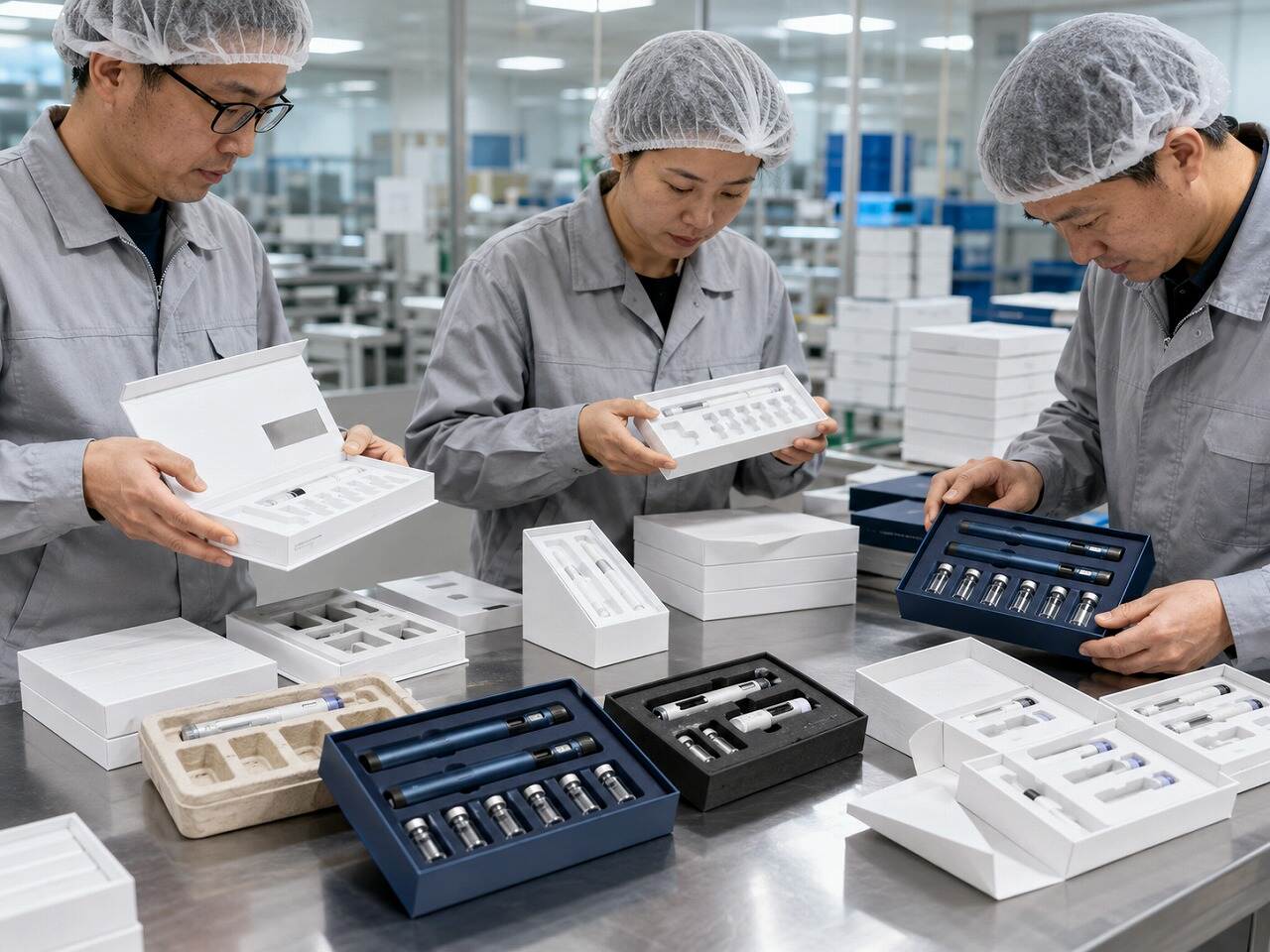
A successful peptide pen packaging project usually follows a structured process. Skipping early measurement and sampling steps can lead to poor insert fit, printing changes, or delayed mass production.
Confirm Product Dimensions
Measure pen length, diameter, cap shape, vial size, leaflet size, accessory dimensions, and the required packing quantity per box.
Choose Box Structure
Decide whether the project needs a rigid box, magnetic box, drawer box, folding carton, or multi-component packaging kit.
Engineer the Insert
Test EVA, paperboard, molded pulp, or hybrid inserts based on product weight, protection needs, sustainability goals, and removal experience.
Prepare Artwork and Labeling Zones
Create a clean dieline with front branding, information panels, barcode area, QR code area, batch area, leaflet space, and sealing position.
Make a Pre-Production Sample
Check fit, color, finish, insert tolerance, closing feel, readability, packing efficiency, and overall presentation before mass production.
Scale to Mass Production
After sample approval, confirm print files, materials, finishing, QC standard, packing method, carton labels, and delivery schedule.
GPLPAK provides development sampling and manufacturing support for custom paper packaging projects. Buyers who need a new peptide pen box can begin with structural consultation, then move into sampling, artwork adjustment, and production planning. Learn more through GPLPAK factory services.
How to Choose a Peptide Pen Packaging Supplier
A good supplier should not only quote a unit price. For peptide pen packaging, the right partner should understand structural design, material selection, print accuracy, insert tolerance, and scalable production. Below are key questions B2B buyers should ask before choosing a factory.
Can the supplier design a custom insert based on real pen and vial dimensions?
Can they produce rigid boxes, drawer boxes, magnetic boxes, and folding cartons?
Can they support both premium finishes and clean medical-style printing?
Can they prepare a sample before mass production?
Can they help optimize box size for shipping, storage, and material efficiency?
Can they maintain color consistency and workmanship during bulk production?
Can they communicate clearly during artwork review, sampling, production, and delivery?
As one of the custom paper packaging suppliers serving premium brand projects, GPLPAK combines handmade box craftsmanship with factory-scale production capability. The company supports custom rigid boxes, magnetic boxes, drawer boxes, folding boxes, specialty paper packaging, insert solutions, sampling, manufacturing, and packing support for global buyers.
For peptide pen packaging projects, GPLPAK can help buyers turn a rough idea into a practical packaging structure: box size, paper selection, insert design, finishing, artwork layout, sample checking, and mass production planning. If your team is preparing a new peptide pen packaging program, you can contact GPLPAK for a custom packaging consultation.
Common Mistakes to Avoid in Peptide Pen Packaging
Many packaging problems appear small during the design stage but become expensive during production or after delivery. Here are the most common mistakes to avoid.
Using a Generic Insert
Generic cavities may not fit the product correctly. A pen that moves inside the box can damage the packaging and reduce customer confidence.
Crowding the Label Area
Too much text, small fonts, or poor barcode placement can make the packaging look unprofessional and difficult to use.
Ignoring Packing Efficiency
A beautiful box that is slow to assemble or difficult to pack can create labor problems during mass production.
Choosing Finish Before Structure
Foil, embossing, or specialty paper should support the structure and message. They should not distract from product information or usability.
The safest approach is to develop the structure first, then validate insert fit, then refine material and finish, and finally lock the artwork. This sequence helps reduce revision costs and improves production reliability.
FAQ: Peptide Pen Packaging Boxes
What is a peptide pen box?
A peptide pen box is a custom secondary packaging box designed to hold injection pen-style products, vials, accessories, leaflets, or sample kit components. It usually requires a precise insert and clear information layout.
Which material is best for premium peptide pen packaging?
For premium projects, rigid greyboard with specialty paper is often preferred. For lightweight or high-volume programs, folding cartons may be more efficient. The final choice depends on product weight, target price, order quantity, and presentation needs.
Can peptide pen boxes use paper inserts instead of foam?
Yes. Paperboard inserts and molded pulp inserts can be designed for many peptide pen packaging projects. They are useful when the brand wants a more recyclable or plastic-reduced solution. Sampling is recommended to confirm fit and protection.
What information should be considered in a compliance-ready layout?
A compliance-ready layout may reserve space for product identification, batch or lot code, barcode, QR code, instructions, caution text, storage guidance, distributor information, and leaflet placement. The final approved content should always be confirmed by the customer’s regulatory team.
Can GPLPAK help with custom peptide pen box samples?
Yes. GPLPAK supports custom paper packaging development, including structure planning, material selection, insert solutions, sampling, and mass production. Buyers can send product dimensions, quantity, artwork, and target packaging style for evaluation.
Build a Peptide Pen Box That Looks Premium and Works in Production
A well-designed peptide pen packaging box should protect the product, organize the kit, support clear labeling, express the brand, and remain feasible for manufacturing. The best results come from early collaboration between the brand team, packaging designer, regulatory reviewer, and factory.
If you are developing peptide pen boxes, vial kits, sample sets, or premium injectable-style product packaging, GPLPAK can help you evaluate structure, materials, inserts, printing, finishing, and production details before mass production begins.
 핫 뉴스
핫 뉴스.jpg)
