Todas as Categorias
GPLPAK-SC001

Custom Hot Sauce Packaging Box for 3 Bottles | Printed Corrugated Gift Set

Principais Características

Tamanho personalizado
Amostragem de 7 dias
Design livre
Personalizado
Opções adicionais
Preço a pedido
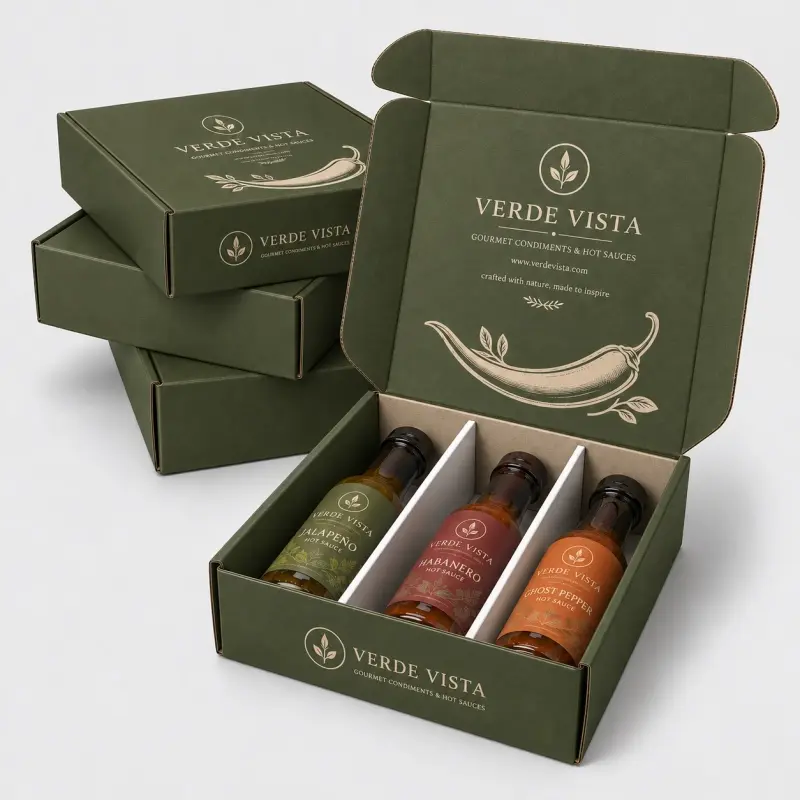
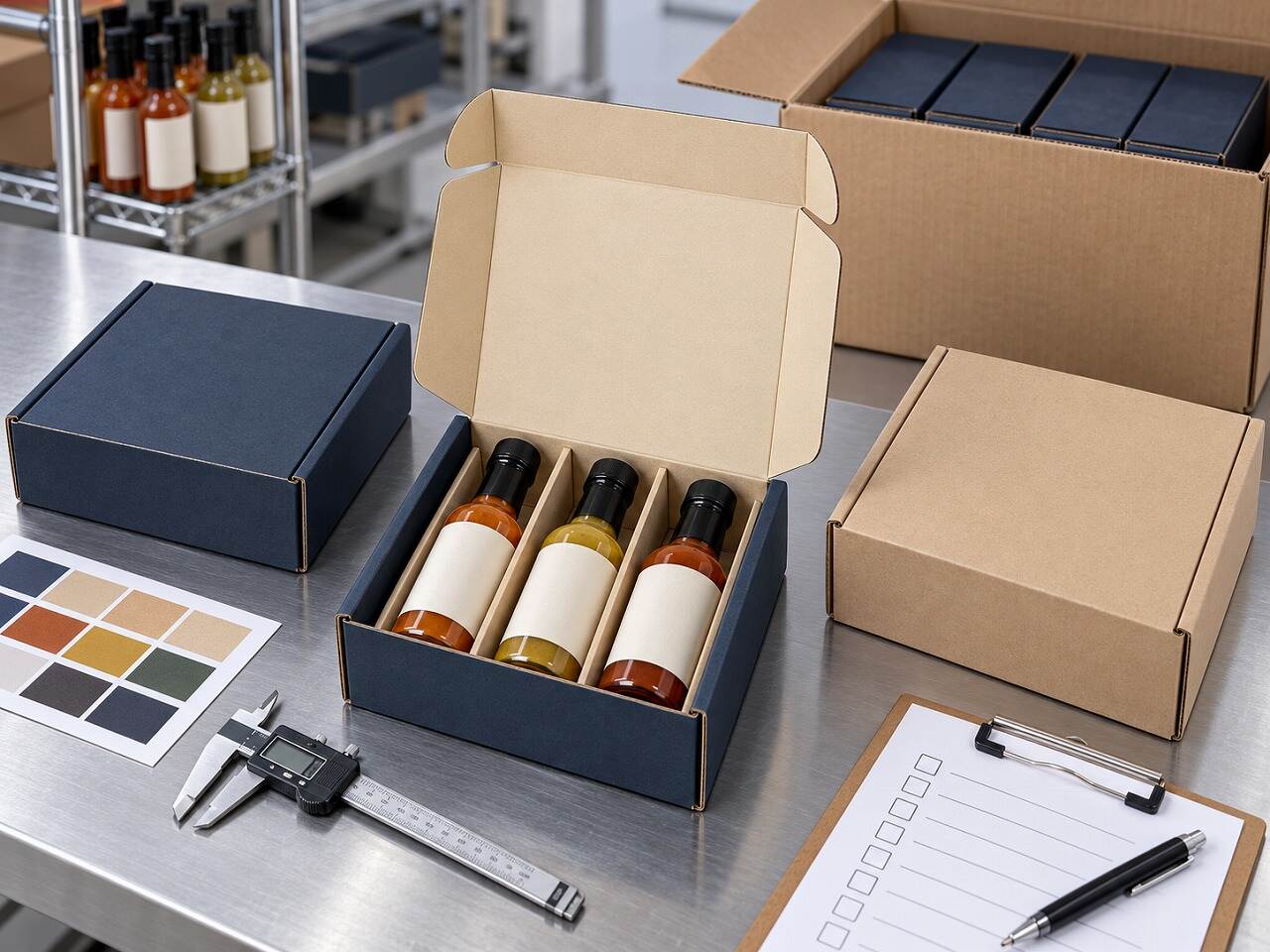
Custom hot sauce packaging box for three bottles with printed corrugated walls and paperboard dividers
Bespoke multi-bottle packaging for sauce brands
Custom Hot Sauce Packaging Box for 3 Bottles | Printed Corrugated Gift Set

A branded corrugated presentation box engineered around your actual bottles, closures, labels and sales route—with separate bottle channels, a controlled opening experience and flat-pack potential for wholesale programs.

Three-bottle layoutCorrugated mailer structurePaper divider systemCustom print and artwork
In brief

What Is This Three-Bottle Hot Sauce Gift Box?

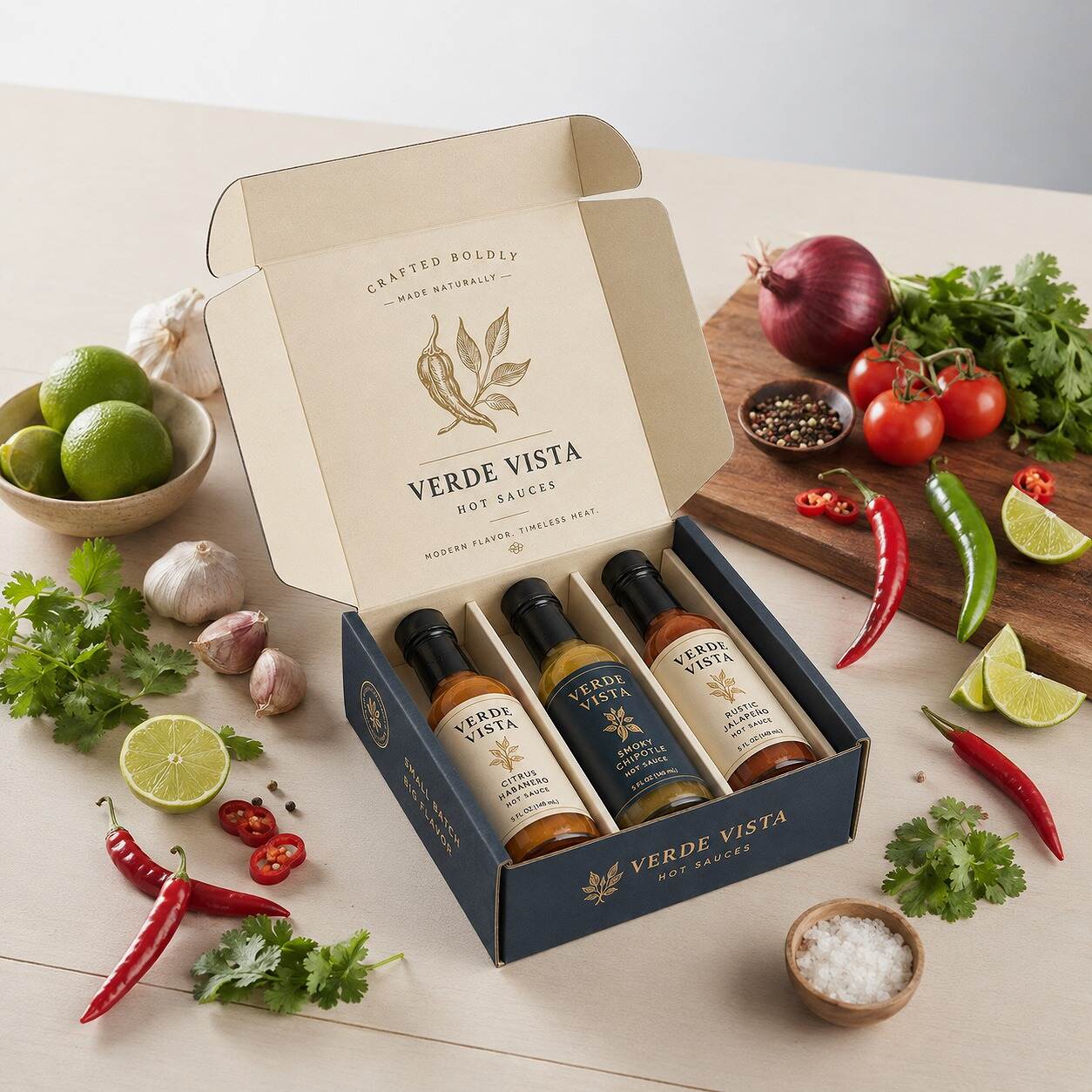
This custom hot sauce packaging box is a secondary paper-based pack for three sealed bottles. The reference configuration uses a printed corrugated mailer and two straight divider walls to create three individual channels. Each project is resized to the buyer's production bottle, including its cap, shoulder, label and any tamper-evident feature. The finished box can be developed for shelf presentation, direct gifting or placement inside a separate transit pack.

Performance boundary: a retail gift box is not automatically a parcel-ready shipper. Protection claims should be based on the completed bottle-and-package system, its distribution route and agreed testing. The box does not contact the sauce when the product remains inside a sealed primary bottle.
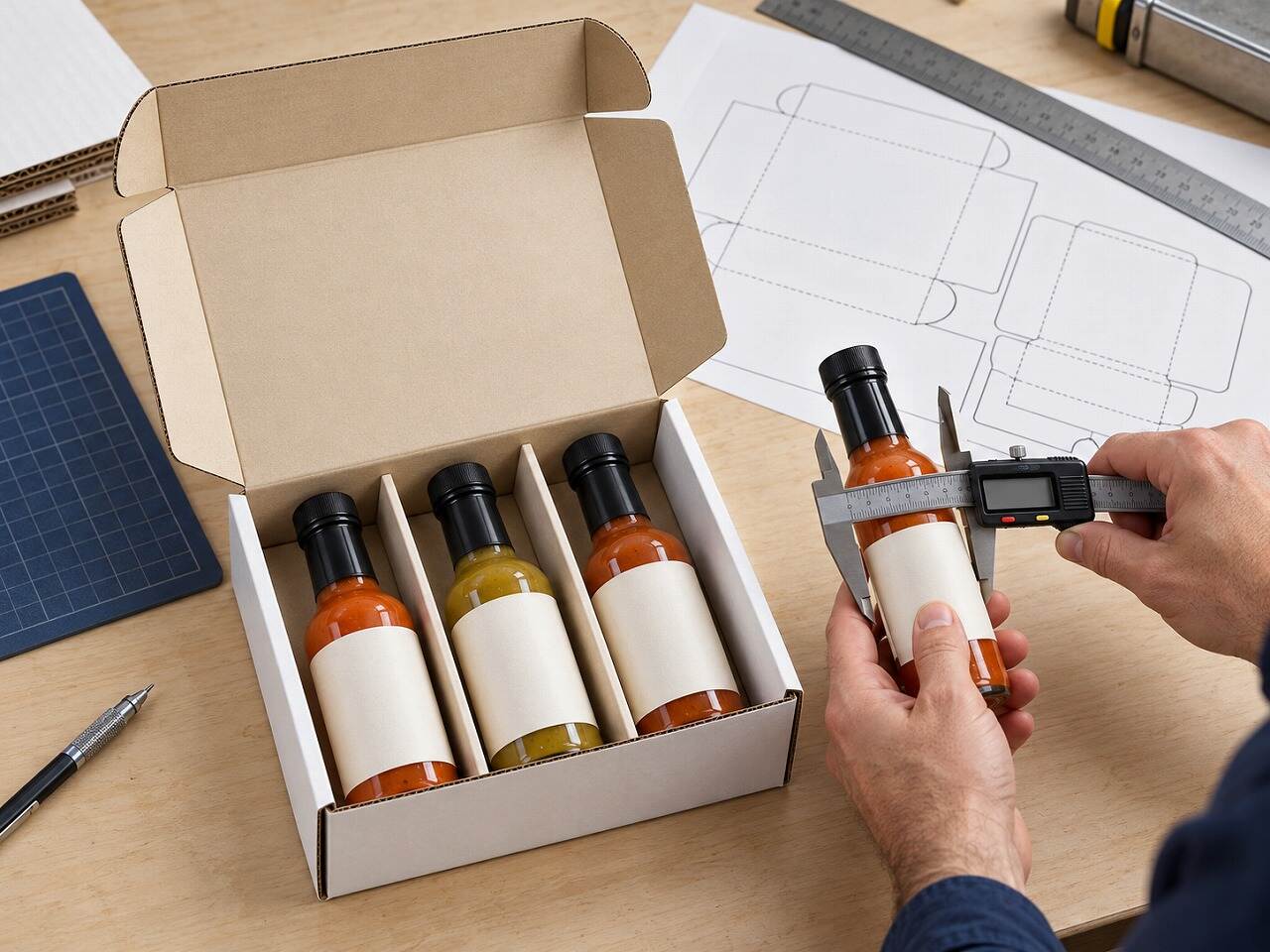
Designed around the actual bottle

Bottle Capacity Is Not a Packaging Dimension

Two bottles sold as 5 oz or 150 ml can have different diameters, shoulders, closures and centers of gravity. Useful internal dimensions must come from a controlled drawing or physical production bottle—not nominal fill volume alone.

Insert engineering

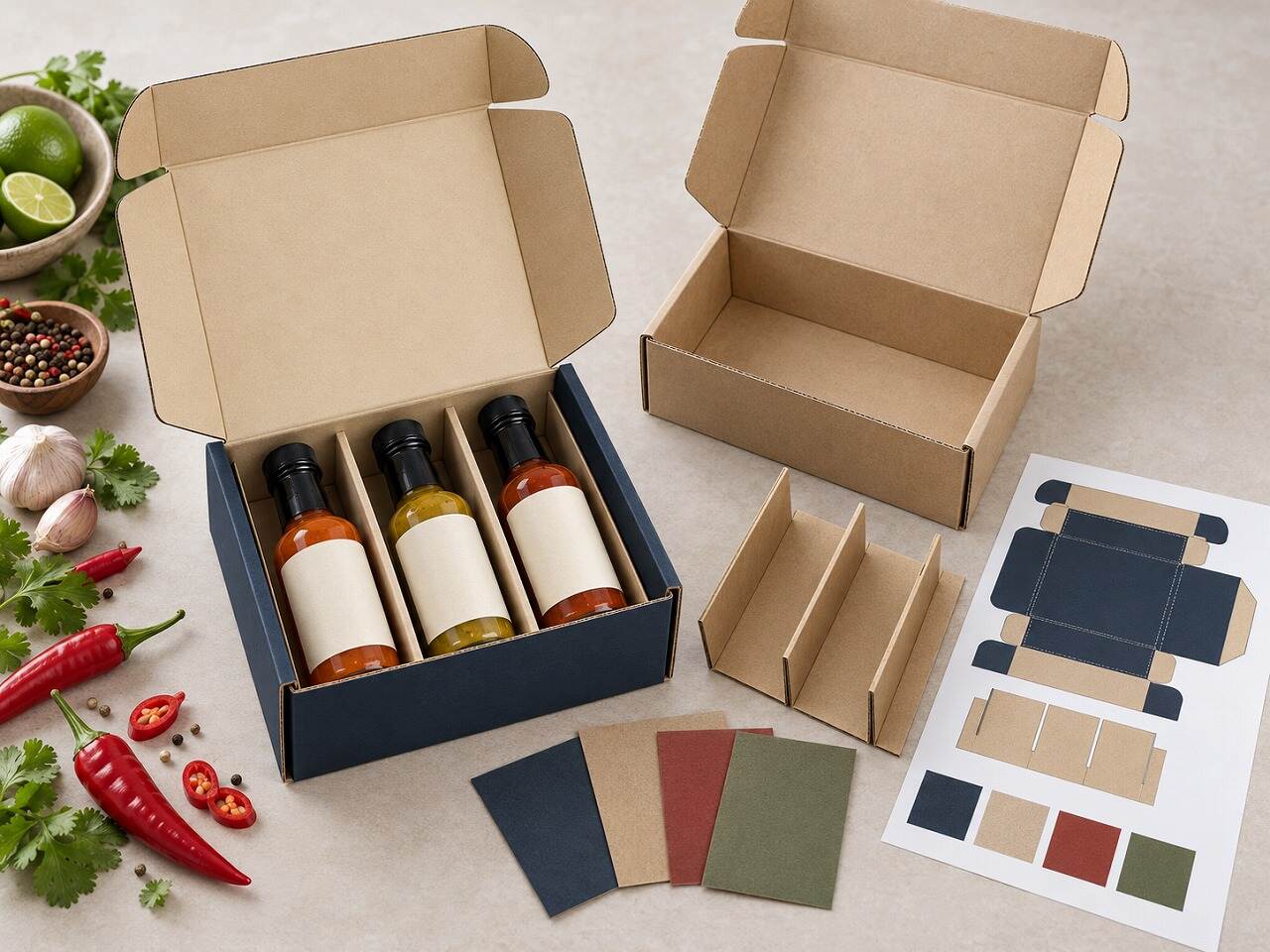
Keep Glass Bottles Separated and Easy to Remove

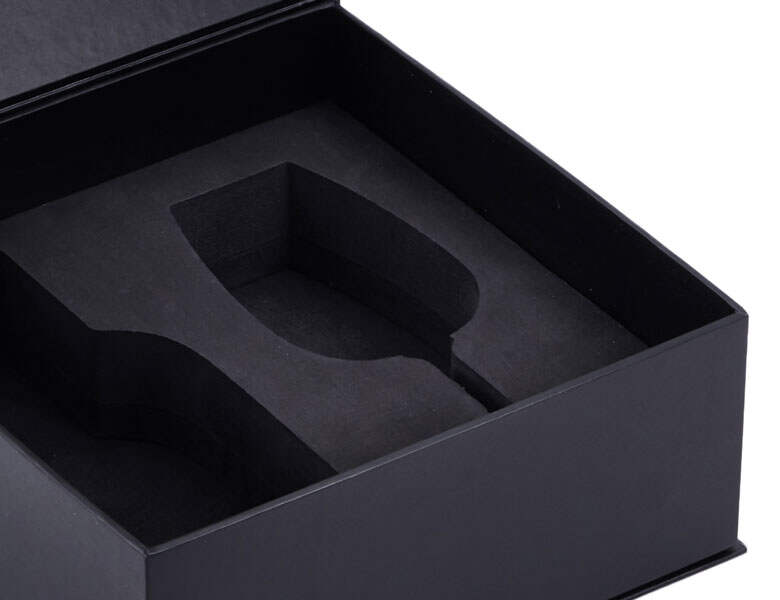
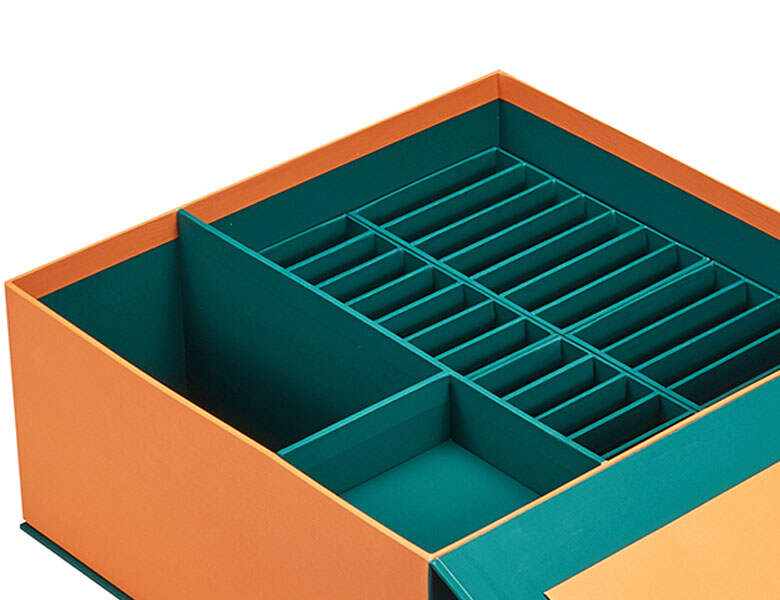
The reference design uses paper-based divider walls to reduce bottle-to-bottle contact and organize the set. Divider height, board direction, locking tabs and clearance should be developed together with the outer box.

Engineering pointWhat it controlsBuyer approval
Channel widthSide clearance and label rubbingInsertion, removal and movement with filled bottles
Divider heightContact between adjacent bottlesSeparation through expected handling orientations
Bottom supportLoad transfer from bottle basesPanel deflection and packed weight
Head clearanceCap contact and closing forceClosed-box fit including tamper seals
Finger accessRemoval without pulling the capUnboxing sequence and safe grip point
Custom printing

Use the Inside Lid and Outer Panels as One Brand System

A custom hot sauce box must work as both a converting structure and a communication surface. Artwork should be applied only after the dieline and score positions are approved.

OptionBest contributionApproval point
CMYK process printingIllustrations, gradients and multi-flavor graphicsProof, image resolution and fold-to-art alignment
Spot-color printingControlled brand colors and limited palettesPhysical color target and selected liner
Matte or gloss coatingFinish and resistance to routine handlingRub expectation, score cracking and recovery goals
Interior-lid printBrand story, flavor map or serving messageCopy area, scores and ink boundary
Foil or embossingSelective emphasis for launches and giftsLine weight, pressure, registration and setup

Artwork files: send editable vectors, defined brand colors, linked high-resolution images, outlined fonts and a marked finish layer. Keep small copy, barcodes and critical logos away from scores, cut edges and locking slots.

Commercial use

Configure the Box for the Way Customers Receive It

The same three-bottle format can require different outer protection, closures and labeling depending on where it is sold and how it moves.

Measurable acceptance

Define Quality Criteria Before Production Starts

“Premium quality” is not an inspection method. A B2B specification should connect each critical feature to an approved reference or measurable requirement.

Inspection areaTypical checkpointsApproval evidence
Dimensions and fitInternal size, divider spacing, head clearance and closureSigned drawing and packed sample
Corrugated conversionCut accuracy, scores, flap engagement and delaminationStructural sample and defect reference
Print and finishColor, registration, coating, rub behavior and barcodeDecorated sample and proof
AssemblyErection, divider placement, loading time and orientationPack-out instruction and line trial
Shipment configurationUnit protection, carton quantity, labels and pallet patternPacking specification and test plan
Distribution testing: select a test procedure from the actual route and the complete packed-product configuration. Do not treat a material description as proof of shipping performance. See the official ISTA procedure overview.
Compliance boundary

Separate Secondary Packaging Claims from Food-Contact Claims

The pictured box holds sealed bottles and is normally secondary packaging. If sauce, an exposed cap surface or another food-contact component can touch paper, coating, ink or adhesive, the contact condition and destination-market documentation must be reviewed separately.

Reference: FDA guidance on food-contact material components.

Wholesale planning

What Determines Price, MOQ and Lead Time?

Responsible pricing starts with the approved specification. Size, board yield, print setup, insert complexity, finishing, SKU split, assembly and shipment configuration can change the economical quantity and schedule.

No fixed figures are stated here: MOQ, sampling time, production time and unit price are confirmed after GPLPAK reviews the current bottle, structure, artwork, quantity and delivery plan.

RFQ checklist

Send These Details for an Actionable Quotation

A complete brief allows suppliers to compare structure, material and cost without hiding assumptions in a generic price.

If the structure is not fixed, begin with GPLPAK's product development process.

Frequently asked questions

Custom Hot Sauce Packaging Box FAQ

1. Can the box be changed from three bottles to another pack count?

Yes. One-, two-, three-, four- and larger bottle layouts can be developed, subject to geometry, weight and sales route. Each configuration needs a new internal layout rather than a stretched three-bottle dieline.

2. What bottle information is needed?

Provide body diameter, total height, shoulder and base profile, filled weight, bottle material, cap, tamper feature and label-sensitive areas. Physical production bottles are preferred for final approval.

3. Can different sauce flavors share one box?

Yes, if bottle geometry and label protection are compatible. A shared structure can use different artwork or labels, but quantity by version must be declared because artwork changes affect setup.

4. Is this gift box suitable for courier shipping by itself?

Not automatically. Suitability depends on weight, bottle fragility, closure, route and test requirement. Some projects place the presentation box inside a parcel shipper; others develop and validate a direct-ship structure.

5. Can the inside lid and dividers be printed?

Interior-lid printing is available subject to the selected process. Divider printing may be possible, but visibility, setup cost, abrasion risk and the contact boundary should be reviewed first.

6. Is the box considered food-safe?

The shown box is secondary packaging for sealed sauce bottles. If any component directly contacts food or an exposed food-contact surface, suitability must be assessed for the exact materials, conditions of use and destination.

7. What determines MOQ and timing?

Dimensions, board, printing, finishing, tooling, SKU split, component supply and assembly scope determine workable terms. GPLPAK confirms MOQ and schedule after reviewing the specification.

8. Should we approve a physical sample?

Yes. Approve a blank fit sample with filled bottles, then the decorated sample. The signed dieline, artwork, material specification, pack-out instruction and criteria become the production reference.


Start with your bottle and sales route

Develop a Corrugated Hot Sauce Gift Box That Fits the Real Product

Send bottle samples or drawings, pack count, artwork, quantities, destination and distribution plan. GPLPAK can review the structure, divider layout, printed finish, sampling route and wholesale pack-out as one project.

GPLPAK · Custom paper packaging manufacturer · Dongguan, China

Opções disponíveis

Materiais

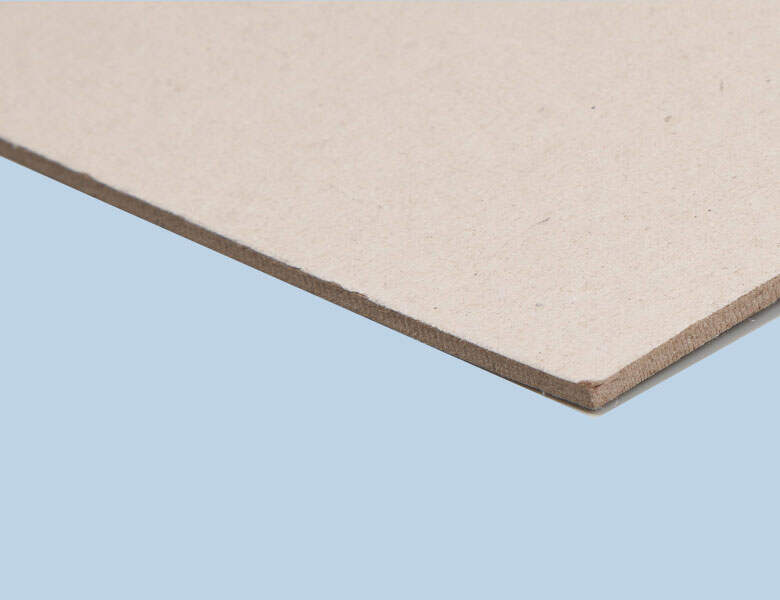
Grey Chipboard
Chipboard cinza
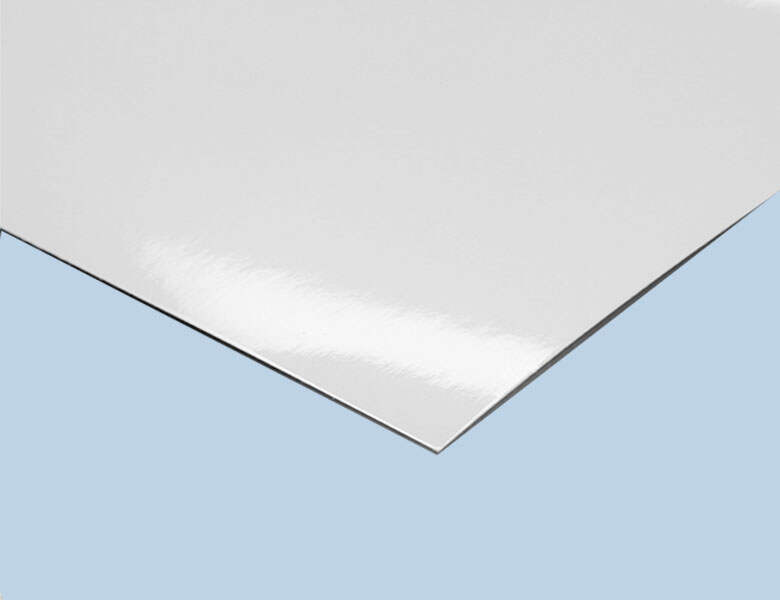
Coating Paper
Papel de revestimento
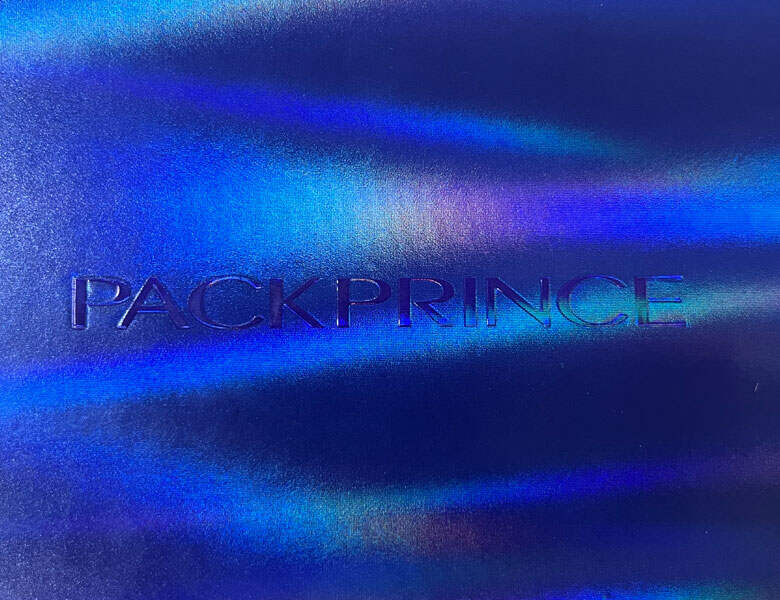
Holographic
Holográfico
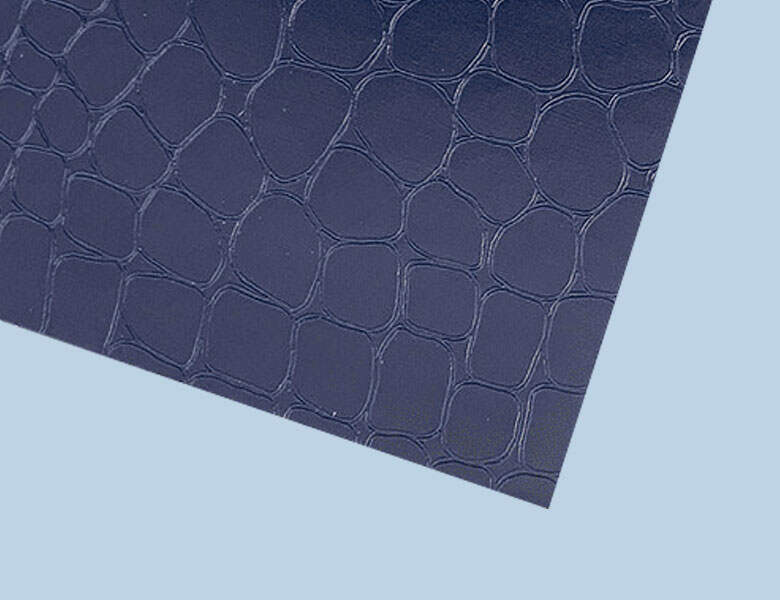
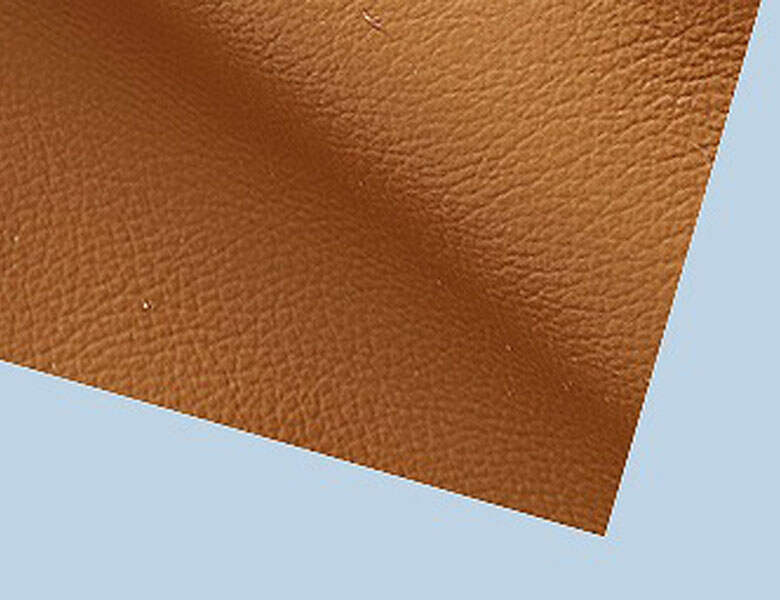
Leatherette Paper
Papel de couro artificial
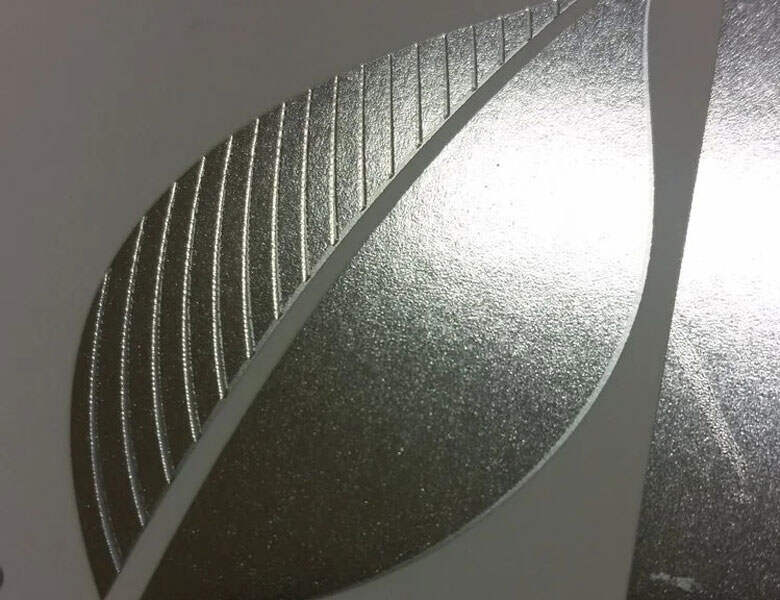
Metallic
Metálico
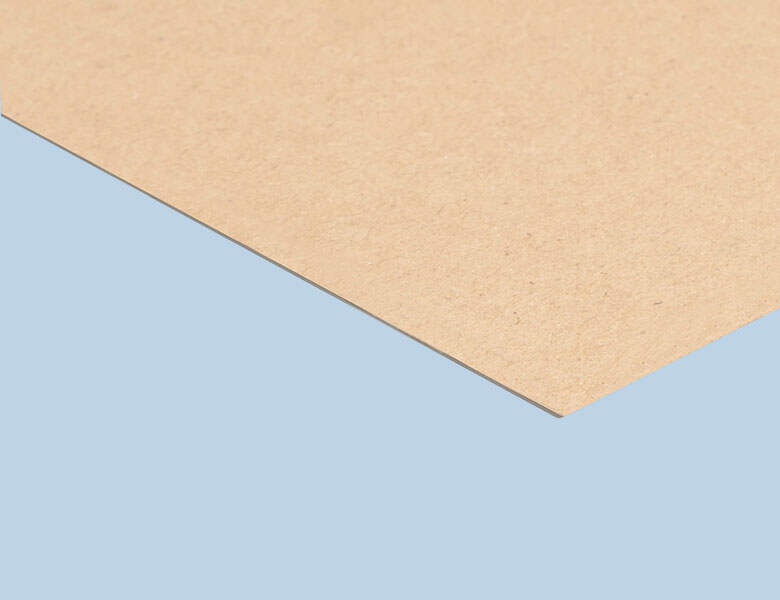
Natural Brown Kraft
Kraft marrom natural
PU Leather
couro PU
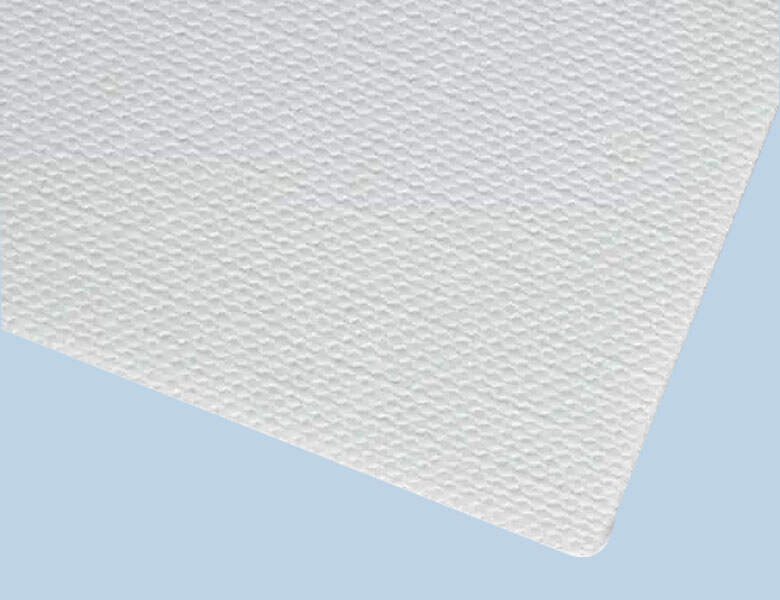
Textured paper
Papel texturizado

cor

Processo
Cores
CMYK
CMYK
O que são cores de processo?

As cores do processo são baseadas no sistema de impressão CMYK, usando pontos em camadas de cian, magenta, amarelo e preto em densidades variadas para reproduzir uma gama completa de cores e gradientes lisos.

Na produção de embalagens, a impressão CMYK é realizada através de torres de impressão separadas, com cada torre dedicada a uma cor. Juntas, as quatro torres trabalham em sequência para construir com precisão a imagem final e a saída de cores.

Ponto
Cores
PANTONE
Pantone
O que são Spot Colors?

As cores do ponto usam tintas pré-misturadas que são impressas diretamente, exigindo apenas uma única torre de impressão. Como a cor é pré-determinada, ela garante resultados consistentes em diferentes máquinas, fornecedores e ciclos de produção.

Ao contrário das cores do processo, as cores de pontos parecem uniformes mesmo sob inspeção de perto, sem padrões de pontos CMYK visíveis, proporcionando uma reprodução de cores mais limpa e precisa.

Acabamento de superfície

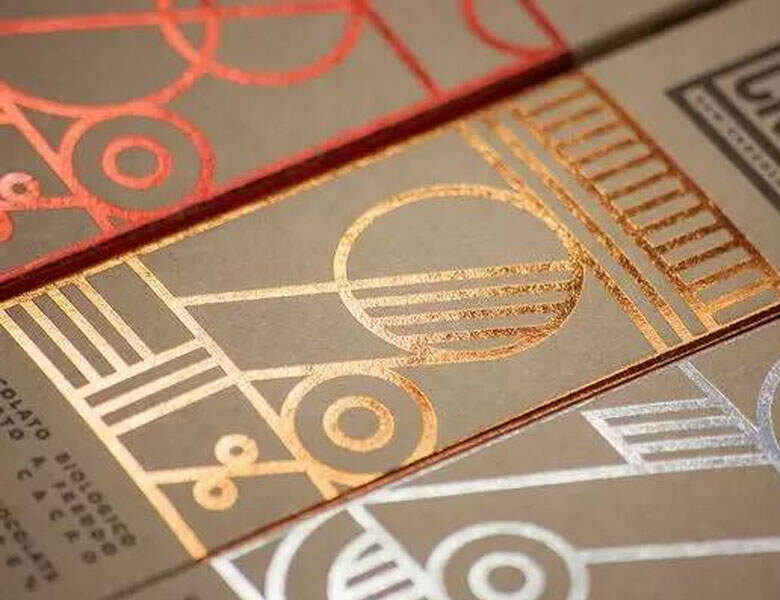
Hot Foil Stamping
Estampagem a quente
Cold Foil Stamping
Cold Foil Stamping
Debossing
Debossing
Embossing
gravação
Spot UV
Spot UV
Reverse UV
UV inverso
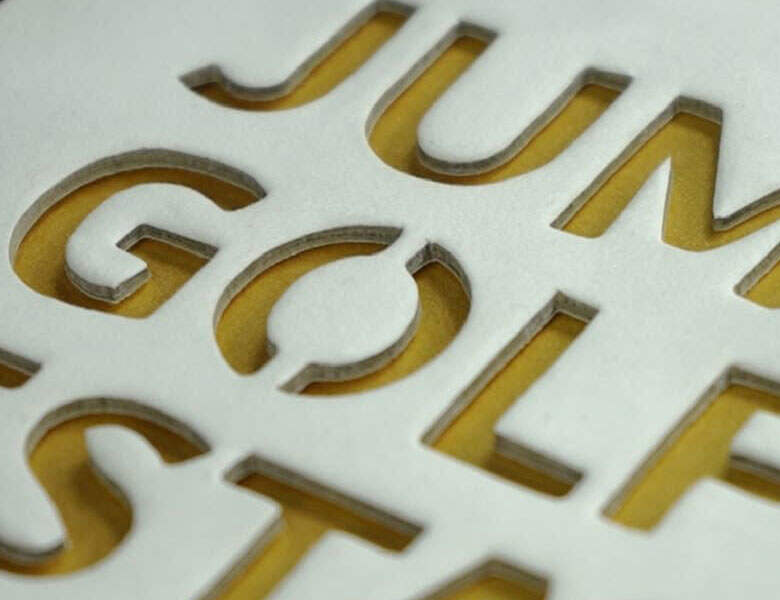
Die Cutting
Die corte
Fresnel Lens
Lente Fresnel

Laminação

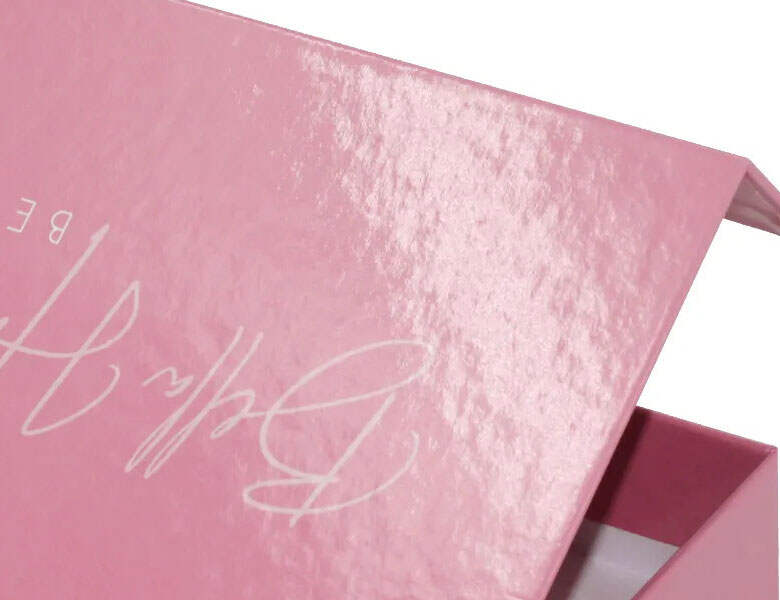
Gloss Lamination
Laminação brilhante
Matte Lamination
Laminação Matte
Soft Touch Lamination
Laminação de toque suave
Anti-Scratch Lamination
laminação anti-arranhões
Holographic Lamination
Laminação Holográfica
Plastic Replacement Coating
Revestimento de substituição de plástico
Varnishing
Vernização
Water-Based Coating
Revestimento à base de água

Caixas Inserir

EVA Insert
Inserção EVA
Foam Inserts
Inserções espuma
Grey Board Insert
Inserir quadro cinzento
PET Blister Insert
Inserir Blister PET
Folding Carton inserts
Inserções de caixa dobrável
Paper Card Coating HIPS Blister
Papel Cartão Revestimento HIPS Blister
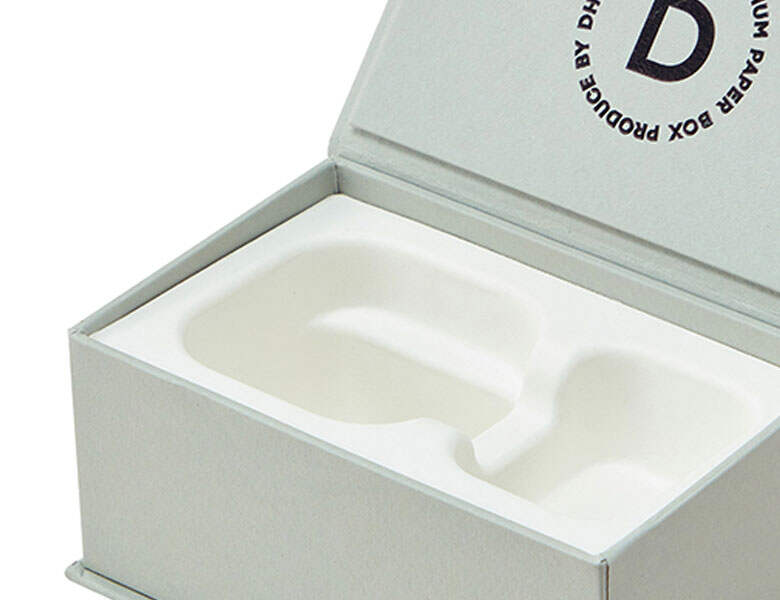
Molded Pulp Insert
Inserir polpa moldada
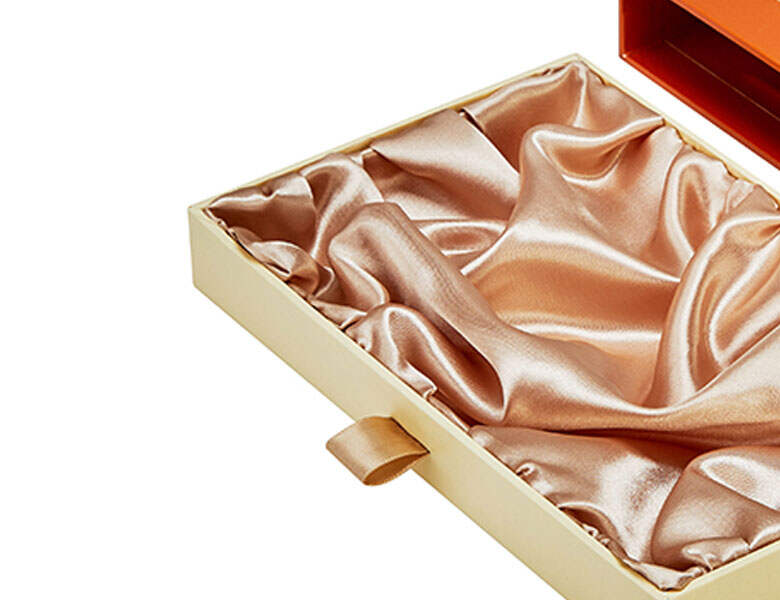
Satin Inserts
Inserções cetim

Processo de encomenda

Uma plataforma única para obter orçamentos e fazer pedidos, com uma plataforma dedicada
Apoiar cada passo do caminho.

1

Personalize seu
embalagem

Vá para a plataforma gplpak para personalizar o tamanho, materiais, impressão e acabamentos de suas caixas rígidas.

2

Obter cotações &
amostras

Compare cotações de embalagem e obtenha uma amostra de sua caixa rígida antes de iniciar uma encomenda de produção.

3

Selecionar envio
métodos

Escolha um método de envio preferido e até configure envios divididos para obter algumas embalagens entregues mais rapidamente.

4

Carregar obras de arte

Adicione sua obra de arte ao modelo dieline que fazemos sob medida para suas especificações de caixa.

5

Rastrear ordem
progresso

Obtenha visibilidade completa sobre o progresso das amostras, produção e envio.

Tem outras perguntas?

clique na pergunta
Assistente do Gplpak

Ainda tem outra pergunta?

Deixe-nos uma mensagem e nossa equipe de embalagem responderá dentro de 2 horas.

Uma parada única para todas as soluções de embalagem personalizadas do seu negócio

We collaborate with people and brands; let's build something great together.

Solicite um orçamento
Obtenha um orçamento Geralmente responda em 1 hora