
 EN
EN
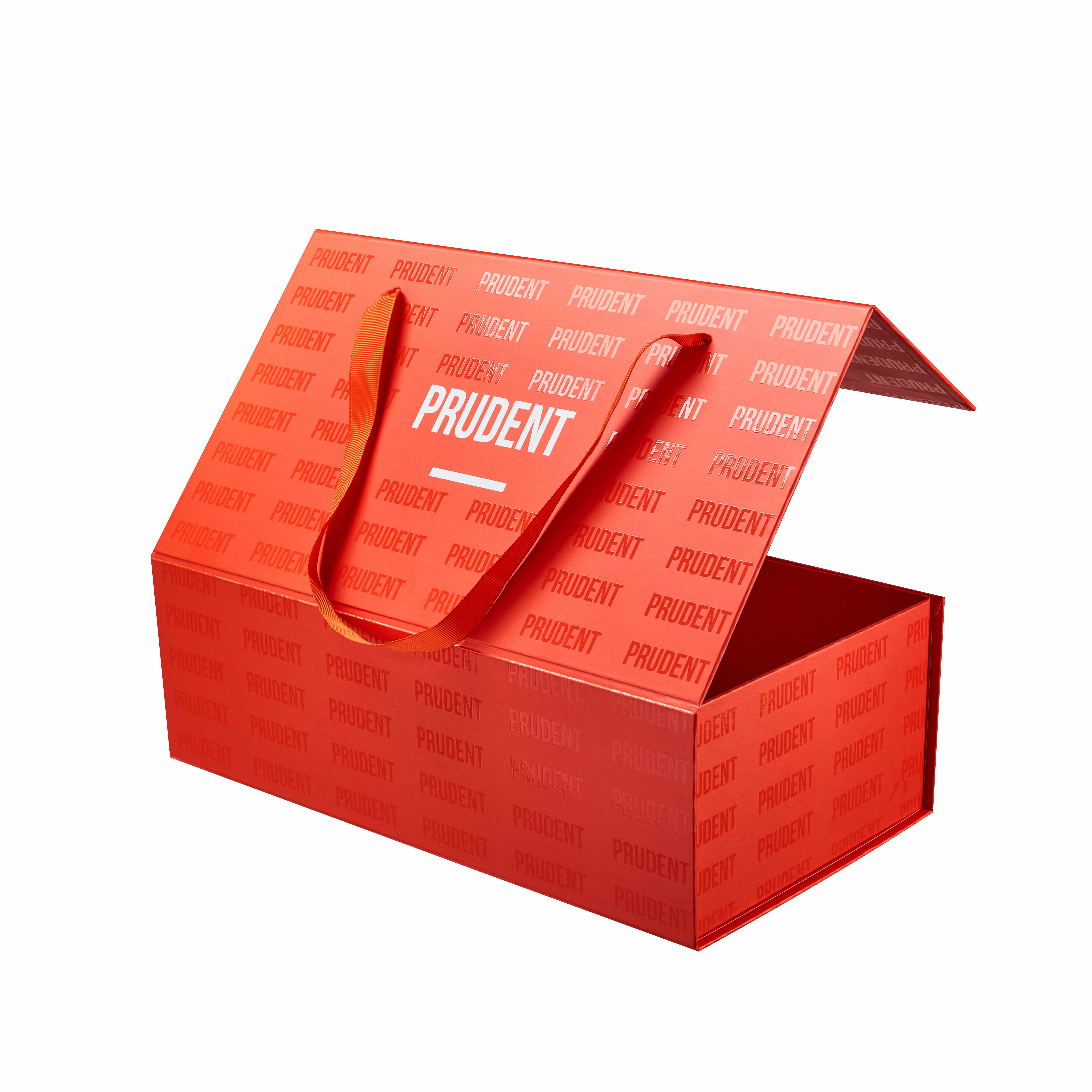
In today's competitive marketplace, product packaging serves as the silent ambassador of your brand, creating the crucial first impression that can determine consumer behavior and purchasing decisions. The strategic design and implementation of effective product packaging extends far beyond mere protection of goods during transportation and storage. It represents a powerful marketing tool that communicates brand values, establishes emotional connections with consumers, and differentiates products from countless competitors on crowded retail shelves. Modern businesses increasingly recognize that exceptional product packaging design can transform ordinary products into memorable brand experiences that drive customer loyalty and sustainable growth.
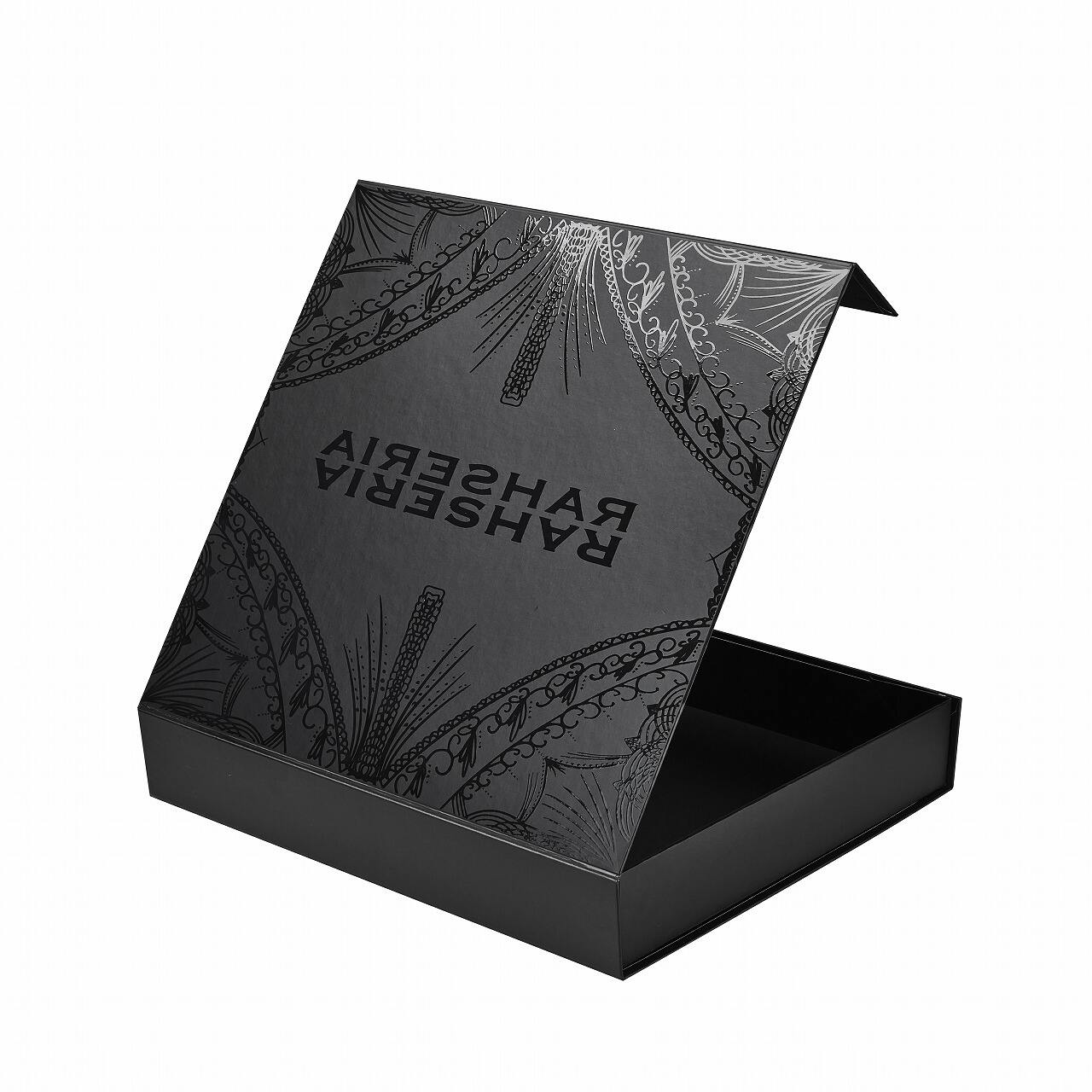
The Psychology Behind Product Packaging Recognition
Visual Memory and Brand Association
Consumer psychology research demonstrates that human brains process visual information approximately 60,000 times faster than text, making product packaging design a critical component in brand recognition strategies. When consumers encounter well-designed product packaging, their brains automatically create neural pathways that associate specific colors, shapes, and visual elements with particular brands and product categories. This cognitive process enables instant brand identification even when consumers glimpse products from peripheral vision or encounter them in unfamiliar retail environments. Successful product packaging leverages these psychological principles by incorporating distinctive visual signatures that become permanently embedded in consumer memory systems.
The effectiveness of visual memory in brand recognition through product packaging relies heavily on consistency across all touchpoints and product lines within a brand portfolio. Companies that maintain cohesive design languages across their entire product packaging systems create stronger brand recall and recognition rates compared to businesses that use inconsistent visual approaches. Research indicates that consistent product packaging design can increase brand recognition by up to 80 percent, significantly impacting consumer purchasing behavior and brand preference development over time.
Emotional Connections Through Design
Beyond visual recognition, effective product packaging establishes deep emotional connections with target audiences by communicating brand personality, values, and lifestyle aspirations. Colors, typography, imagery, and structural design elements work together to evoke specific emotional responses that align with brand positioning strategies and consumer expectations. For example, premium product packaging often utilizes sophisticated color palettes, high-quality materials, and minimalist design approaches that communicate luxury and exclusivity to discerning consumers who value quality and prestige.
The emotional impact of product packaging extends to tactile experiences that reinforce brand perceptions through physical interactions with packaging materials. Textured surfaces, magnetic closures, embossed logos, and innovative opening mechanisms create memorable unboxing experiences that generate positive emotional associations with brands. These multisensory experiences contribute significantly to brand recognition by creating lasting memories that influence future purchasing decisions and encourage social sharing behaviors among consumers who appreciate exceptional product packaging design.
Strategic Design Elements for Maximum Impact
Color Psychology in Brand Identity
Color selection represents one of the most powerful tools in product packaging design for building brand recognition and influencing consumer behavior. Different colors evoke specific psychological responses and cultural associations that can either support or undermine brand messaging strategies. Red packaging often conveys energy, passion, and urgency, making it effective for products targeting active lifestyles or impulse purchases. Blue packaging communicates trust, reliability, and professionalism, which explains its widespread adoption in healthcare, technology, and financial services industries.
Strategic color implementation in product packaging requires careful consideration of target demographics, cultural contexts, and competitive landscapes within specific market segments. Successful brands often claim ownership of specific color combinations that become synonymous with their identity, creating immediate recognition advantages in crowded retail environments. The consistent application of signature colors across all product packaging elements, from primary panels to secondary graphics, reinforces brand recognition while building visual equity that translates into competitive advantages and premium pricing opportunities.
Typography and Visual Hierarchy
Typography choices in product packaging design significantly impact brand recognition by establishing visual hierarchies that guide consumer attention and communicate brand personality characteristics. Bold, modern fonts often convey innovation and forward-thinking brand attributes, while classic serif typefaces suggest tradition, reliability, and established credibility. The strategic combination of different typography styles within single product packaging designs creates sophisticated visual narratives that resonate with target audiences while maintaining readability across various viewing distances and lighting conditions.
Effective typography implementation in product packaging extends beyond font selection to include spacing, sizing, and positioning decisions that optimize information hierarchy and brand message delivery. Primary brand names require maximum visibility and impact, while secondary information such as product descriptions, ingredient lists, and regulatory requirements must remain accessible without competing for attention with core brand elements. Professional product packaging designers understand these balance requirements and create typography systems that support both brand recognition objectives and practical communication needs.
Differentiation Strategies in Competitive Markets
Unique Structural Innovations
Innovative structural approaches to product packaging create significant differentiation opportunities that enhance brand recognition while providing functional benefits to consumers. Custom shapes, unusual opening mechanisms, and creative material applications can transform ordinary products into conversation pieces that generate organic word-of-mouth marketing and social media engagement. Structural innovation in product packaging often requires substantial investment in research, development, and specialized manufacturing capabilities, but successful implementations create sustainable competitive advantages that competitors struggle to replicate.
The development of unique structural elements in product packaging must balance creativity with practical considerations including manufacturing feasibility, cost implications, sustainability requirements, and regulatory compliance. Innovative packaging structures should enhance user experience while maintaining product protection standards and supply chain efficiency. Companies that successfully integrate structural innovation into their product packaging strategies often experience increased brand recognition, premium positioning opportunities, and enhanced customer loyalty through distinctive user experiences that exceed conventional expectations.
Sustainable Design Approaches
Environmental consciousness increasingly influences consumer purchasing decisions, making sustainable product packaging design a critical component of brand recognition and reputation management strategies. Eco-friendly materials, minimalist design approaches, and circular economy principles demonstrate corporate responsibility while appealing to environmentally conscious consumers who prioritize sustainability in their brand relationships. Sustainable product packaging initiatives often generate positive media coverage and social recognition that amplify brand awareness beyond traditional marketing channels.
The implementation of sustainable practices in product packaging design requires comprehensive lifecycle assessments, supply chain optimization, and ongoing innovation in materials science and manufacturing processes. Successful sustainability initiatives in product packaging create opportunities for brand storytelling that resonates with values-driven consumers while establishing leadership positions in corporate responsibility. These efforts contribute to long-term brand recognition advantages as environmental awareness continues expanding across global consumer markets.
Digital Integration and Modern Consumer Expectations
Interactive Technology Features
Contemporary product packaging increasingly incorporates digital technology elements that bridge physical and virtual brand experiences while enhancing recognition through innovative consumer interactions. QR codes, augmented reality features, and smart packaging technologies create opportunities for extended brand engagement beyond initial purchase moments. These digital integrations in product packaging enable brands to deliver personalized content, gather consumer insights, and maintain ongoing relationships that strengthen brand loyalty and recognition over time.
The strategic implementation of interactive technology in product packaging requires careful consideration of target audience preferences, technical capabilities, and content strategy development. Successful digital integration enhances rather than complicates the core product packaging experience while providing genuine value to consumers through exclusive content, instructional materials, or entertainment features. Brands that effectively combine traditional product packaging excellence with innovative digital elements create memorable experiences that differentiate their offerings in increasingly competitive markets.
Social Media Optimization
Modern product packaging design must consider social media sharing potential as a critical component of brand recognition strategy in digital marketing ecosystems. Photogenic packaging designs, memorable unboxing experiences, and shareable visual elements encourage organic content creation by satisfied customers who document their brand interactions across social platforms. This user-generated content significantly amplifies brand recognition reach while building authentic credibility through peer recommendations and visual testimonials.
Optimizing product packaging for social media success requires understanding platform-specific visual requirements, trending aesthetics, and influencer marketing dynamics that shape contemporary consumer behavior. Packaging designs that photograph well under various lighting conditions and create visually appealing compositions naturally generate more social engagement and brand exposure. The cumulative effect of social media optimization in product packaging design contributes to viral marketing potential that can dramatically accelerate brand recognition development across target demographics.
Measuring Impact and Return on Investment
Brand Recognition Metrics
Evaluating the effectiveness of product packaging initiatives requires comprehensive measurement systems that track both quantitative performance indicators and qualitative brand perception improvements. Brand recognition metrics include aided and unaided recall studies, purchase intent measurements, and competitive differentiation assessments that demonstrate the direct impact of product packaging investments on business outcomes. Regular monitoring of these metrics enables continuous optimization of product packaging strategies while justifying ongoing investment in design excellence and innovation initiatives.
Advanced analytics tools and consumer research methodologies provide detailed insights into how product packaging influences brand recognition across different demographic segments and market conditions. Heat mapping studies, eye-tracking research, and neurological response analysis reveal unconscious consumer reactions to packaging design elements that traditional survey methods might miss. This scientific approach to measuring product packaging effectiveness enables data-driven decision making that maximizes return on investment while minimizing risks associated with major design changes or new product launches.
Long-term Business Value Creation
The long-term business value generated by exceptional product packaging extends beyond immediate sales improvements to include brand equity development, premium positioning capabilities, and market share expansion opportunities. Companies that consistently invest in superior product packaging design often command higher profit margins, experience greater customer retention rates, and achieve more sustainable competitive positions compared to businesses that treat packaging as purely functional requirements. These long-term benefits compound over time, creating substantial asset value that contributes to overall enterprise valuation and market leadership positions.
Strategic product packaging investments create compounding returns through improved brand recognition that reduces customer acquisition costs, increases referral rates, and enables successful expansion into new product categories or geographic markets. The accumulated brand equity generated through consistent product packaging excellence becomes a valuable intangible asset that supports business growth initiatives, partnership opportunities, and potential acquisition premiums. Forward-thinking companies recognize product packaging as a critical investment in long-term business success rather than simply a necessary operational expense.
FAQ
What makes product packaging effective for brand recognition?
Effective product packaging for brand recognition combines distinctive visual elements, consistent design languages, and strategic color applications that create immediate brand identification. Key components include memorable typography, unique structural features, high-quality materials, and cohesive design systems that work across entire product portfolios. The most successful product packaging creates emotional connections with target audiences while maintaining practical functionality and competitive differentiation in crowded retail environments.
How does color choice impact product packaging recognition?
Color selection in product packaging significantly influences brand recognition through psychological associations and visual memory formation. Different colors evoke specific emotional responses and cultural meanings that can support or undermine brand messaging strategies. Consistent color application across all product packaging elements creates visual equity and immediate recognition advantages, while strategic color choices help brands establish ownership of specific visual territories within competitive market segments.
Can sustainable packaging improve brand recognition?
Sustainable product packaging increasingly enhances brand recognition by demonstrating corporate responsibility and appealing to environmentally conscious consumers who prioritize sustainability in their purchasing decisions. Eco-friendly materials, minimalist design approaches, and circular economy principles create opportunities for positive brand storytelling while generating media coverage and social recognition that amplify brand awareness beyond traditional marketing channels.
What role does digital technology play in modern packaging design?
Digital technology integration in product packaging creates interactive brand experiences that enhance recognition through innovative consumer engagement opportunities. QR codes, augmented reality features, and smart packaging technologies enable extended brand interactions beyond initial purchase moments while providing platforms for personalized content delivery and ongoing customer relationship development. These digital elements bridge physical and virtual brand experiences while generating valuable consumer insights and social sharing opportunities.
