
 EN
EN
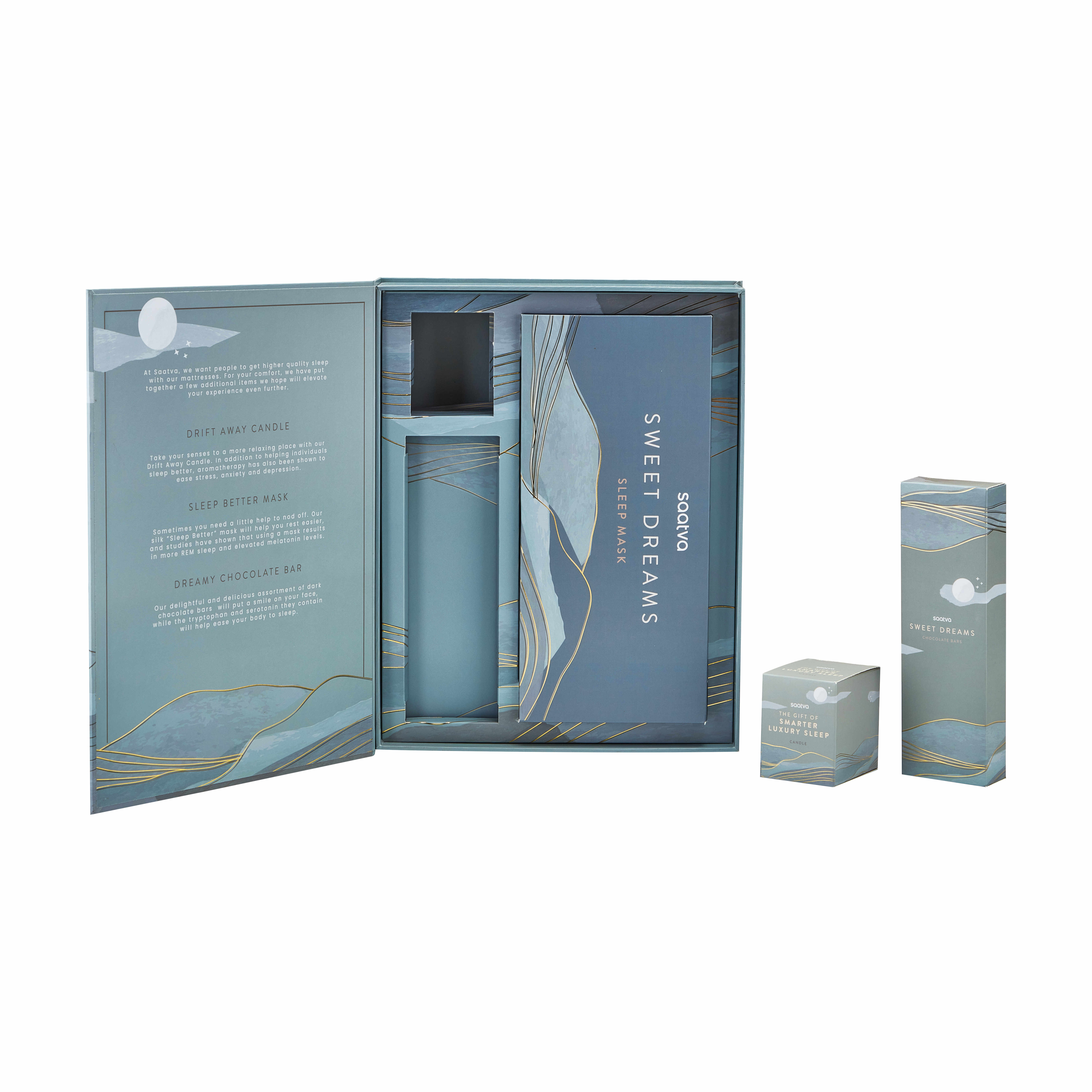
In today's competitive retail environment, product packaging serves as far more than just a protective shell for goods. It functions as a silent salesperson, brand ambassador, and customer experience catalyst all rolled into one crucial element. Understanding what defines high-quality product packaging can make the difference between a product that sits on shelves and one that drives consistent sales growth. Retailers and manufacturers must recognize that exceptional product packaging combines aesthetic appeal, functional excellence, and strategic brand positioning to create lasting market impact.
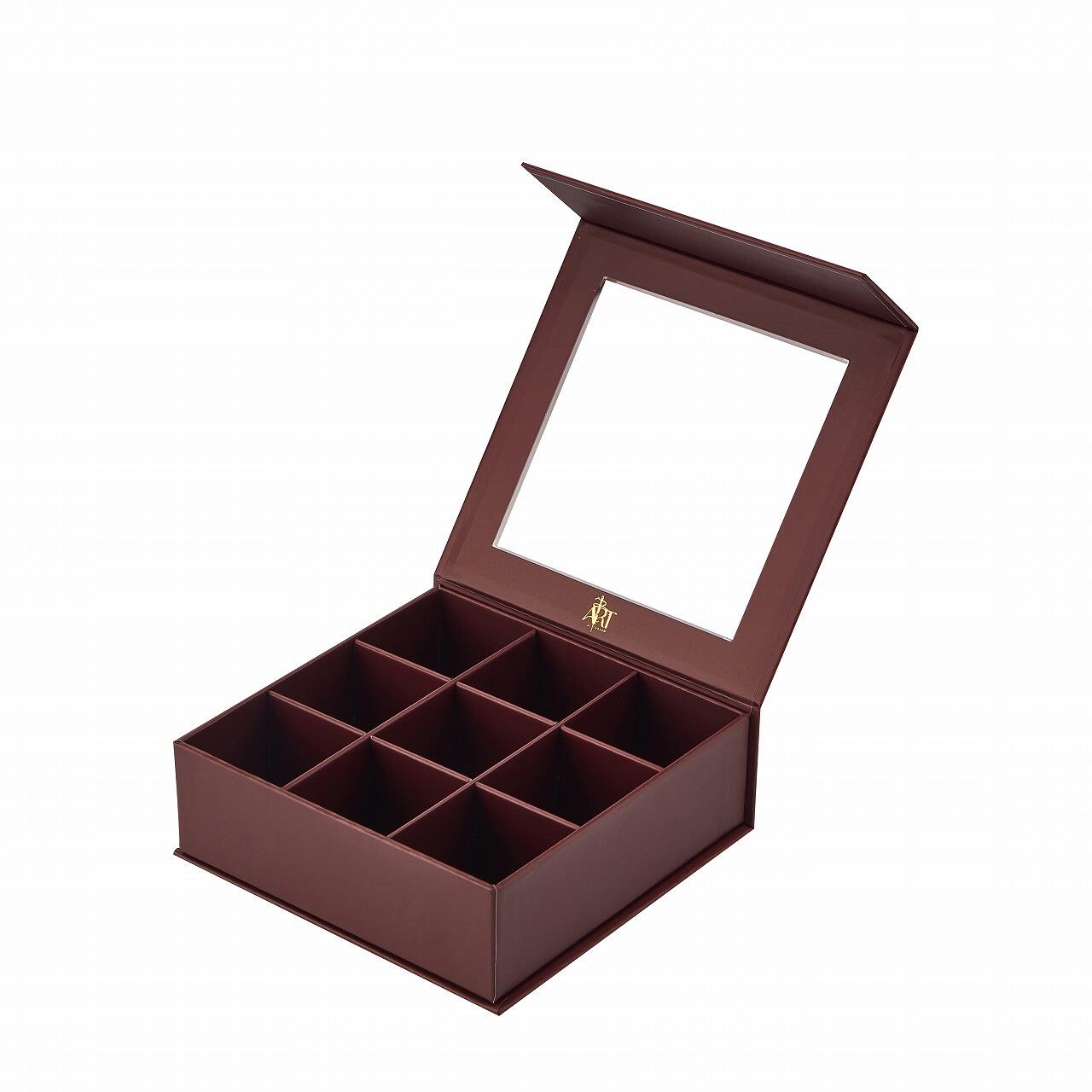
Essential Design Elements That Define Premium Product Packaging
Visual Hierarchy and Brand Recognition
Premium product packaging establishes clear visual hierarchy through strategic use of typography, color placement, and graphic elements. The most effective designs guide the customer's eye naturally from brand identification to key product benefits, creating an immediate connection between visual appeal and purchase intent. Professional product packaging designers understand that every element must serve a purpose, whether conveying luxury, sustainability, or functional benefits that resonate with target demographics.
Color psychology plays a fundamental role in how consumers perceive quality levels within product packaging systems. Research consistently demonstrates that specific color combinations can increase perceived value by up to forty percent, making color selection one of the most critical decisions in the development process. High-quality product packaging leverages color not just for aesthetic appeal, but as a strategic tool for market positioning and competitive differentiation.
Material Selection and Tactile Experience
The physical materials chosen for product packaging directly influence customer perceptions of quality, durability, and brand premium positioning. Luxury brands often invest in specialized substrates, textured finishes, and innovative material combinations that create memorable tactile experiences during the unboxing process. These material choices communicate value propositions before customers even interact with the actual product inside the packaging.
Sustainable material options have become increasingly important in modern product packaging decisions, as environmentally conscious consumers actively seek brands that align with their values. High-quality sustainable packaging solutions now offer performance characteristics that match or exceed traditional materials while supporting corporate responsibility initiatives. The integration of recycled content, biodegradable components, and renewable resources represents a growing trend in premium product packaging development.
Functional Performance Standards in Retail Packaging
Protection and Preservation Capabilities
Effective product packaging must provide comprehensive protection throughout complex distribution chains, from manufacturing facilities to retail shelves to customer homes. This protection encompasses multiple factors including moisture resistance, impact absorption, temperature stability, and contamination prevention depending on specific product requirements. Professional packaging engineers conduct extensive testing to ensure products arrive in perfect condition regardless of shipping conditions or handling practices.
The durability standards for product packaging vary significantly across different retail categories, but all high-quality solutions must demonstrate consistent performance under stress testing protocols. Advanced packaging designs incorporate multiple protective layers, strategic reinforcement points, and innovative closure systems that maintain integrity throughout the entire product lifecycle.
User Experience and Accessibility Features
Modern consumers expect product packaging to enhance rather than complicate their purchasing and usage experience. This means incorporating intuitive opening mechanisms, clear information hierarchy, and accessibility features that accommodate users with varying physical capabilities. High-quality product packaging anticipates customer needs and eliminates frustration points that could negatively impact brand perception.
Convenience factors such as resealability, portion control, and storage optimization have become essential elements in premium product packaging design. These functional enhancements create additional value for customers while supporting brand loyalty through improved daily usage experiences. Successful packaging solutions balance convenience with cost considerations to deliver optimal value propositions across target market segments.
Brand Communication Through Strategic Packaging Design
Storytelling and Emotional Connection
Exceptional product packaging serves as a powerful storytelling medium that connects brands with customers on emotional levels beyond basic functional needs. Through carefully crafted visual narratives, premium packaging communicates brand heritage, quality commitments, and lifestyle associations that influence purchasing decisions. The most successful product packaging designs create immediate emotional responses that translate into long-term customer relationships.
Brand storytelling through product packaging requires deep understanding of target audience values, preferences, and aspirations. High-quality packaging solutions incorporate authentic narrative elements that resonate with specific demographic groups while maintaining broad market appeal. This strategic approach ensures that packaging investment delivers measurable returns through improved brand recognition and customer loyalty metrics.
Information Architecture and Communication Clarity
Professional product packaging organizes information in logical hierarchies that support informed purchasing decisions without overwhelming customers with excessive detail. Key information elements include product benefits, usage instructions, ingredient listings, and regulatory compliance data presented in scannable formats. The challenge lies in balancing comprehensive information with clean, appealing visual design that maintains premium positioning.
Regulatory compliance requirements significantly influence information presentation strategies in product packaging across different markets and categories. High-quality packaging solutions integrate mandatory disclosures seamlessly into overall design concepts, ensuring legal compliance while preserving aesthetic appeal. This integration requires expertise in both design principles and regulatory frameworks specific to target markets.
Sustainability and Environmental Responsibility
Eco-Friendly Material Innovation
The evolution toward sustainable product packaging reflects growing consumer awareness of environmental impact combined with corporate responsibility initiatives across industries. Innovation in eco-friendly materials has produced packaging solutions that deliver premium performance characteristics while supporting circular economy principles. These advanced materials often command price premiums that reflect their reduced environmental footprint and enhanced brand positioning benefits.
Sustainable product packaging development involves comprehensive lifecycle assessment to evaluate environmental impact from raw material extraction through end-of-life disposal or recycling. Leading brands invest in packaging solutions that minimize resource consumption, reduce waste generation, and support recycling infrastructure development. This holistic approach ensures that sustainability claims align with actual environmental benefits rather than superficial marketing positioning.
Circular Economy Integration
Modern product packaging design increasingly incorporates circular economy principles that extend material lifecycles through reuse, recycling, and biodegradation pathways. This approach requires collaboration between packaging manufacturers, retailers, waste management systems, and consumers to create effective closed-loop systems. High-quality sustainable packaging solutions provide clear guidance for proper disposal while supporting infrastructure development for material recovery.
The transition toward circular product packaging models creates opportunities for innovation in material science, manufacturing processes, and supply chain optimization. Forward-thinking brands recognize that investment in sustainable packaging solutions generates competitive advantages through improved brand reputation, regulatory compliance, and operational efficiency. These benefits compound over time as sustainability becomes increasingly important to consumer purchasing decisions.
Manufacturing Excellence and Quality Control
Production Process Optimization
High-quality product packaging results from optimized manufacturing processes that ensure consistent output meeting stringent quality standards. Advanced production facilities employ automated quality control systems, statistical process control methodologies, and continuous improvement protocols to minimize variation and maximize efficiency. These investments in manufacturing excellence directly translate into superior packaging performance and customer satisfaction.
The complexity of modern product packaging manufacturing requires sophisticated supply chain coordination, precision equipment, and skilled workforce development. Leading manufacturers invest heavily in technology upgrades, employee training, and process refinement to maintain competitive advantages in quality, cost, and delivery performance. This commitment to manufacturing excellence enables consistent production of premium product packaging solutions.
Testing and Validation Protocols
Comprehensive testing protocols ensure that product packaging meets performance specifications across diverse operating conditions and usage scenarios. These protocols typically include accelerated aging studies, stress testing, environmental exposure assessments, and consumer usability evaluations. Rigorous validation processes identify potential failure modes before products reach market, protecting brand reputation and customer satisfaction.
Quality assurance in product packaging extends beyond basic performance testing to include aesthetic consistency, regulatory compliance verification, and supply chain traceability. Advanced quality management systems integrate multiple testing methodologies with real-time monitoring capabilities that enable rapid response to quality variations. This comprehensive approach ensures that high-quality product packaging maintains consistent standards throughout production runs.
FAQ
What materials are considered best for high-quality product packaging?
The best materials for high-quality product packaging depend on specific product requirements, but generally include premium substrates like high-grade cardboard, specialty papers, sustainable alternatives, and innovative composite materials. The selection process should consider factors such as protection needs, sustainability goals, cost considerations, and brand positioning objectives. Modern high-quality product packaging often incorporates multiple material layers to optimize both performance and environmental impact.
How does product packaging influence consumer purchasing decisions?
Product packaging significantly influences consumer purchasing decisions through visual appeal, perceived quality, brand recognition, and emotional connection. Research indicates that packaging design can impact purchase intent by up to seventy percent, particularly in competitive retail environments where products compete for attention. High-quality product packaging communicates value propositions instantly, builds brand trust, and differentiates products from competitors on crowded store shelves.
What role does sustainability play in modern product packaging quality?
Sustainability has become a fundamental component of product packaging quality as consumers increasingly prioritize environmental responsibility in purchasing decisions. High-quality sustainable packaging solutions deliver performance characteristics that match or exceed traditional options while reducing environmental impact through renewable materials, recycling compatibility, and reduced resource consumption. Brands that integrate sustainability into product packaging strategies often experience improved customer loyalty and premium positioning benefits.
How can businesses measure the effectiveness of their product packaging?
Businesses can measure product packaging effectiveness through multiple metrics including sales performance, customer feedback, brand recognition studies, return rates, and market share analysis. Advanced measurement approaches incorporate eye-tracking studies, consumer preference testing, and competitive benchmarking to evaluate packaging performance across key success factors. Regular assessment of product packaging effectiveness enables continuous improvement and optimization of packaging investments for maximum market impact.
