
 EN
EN
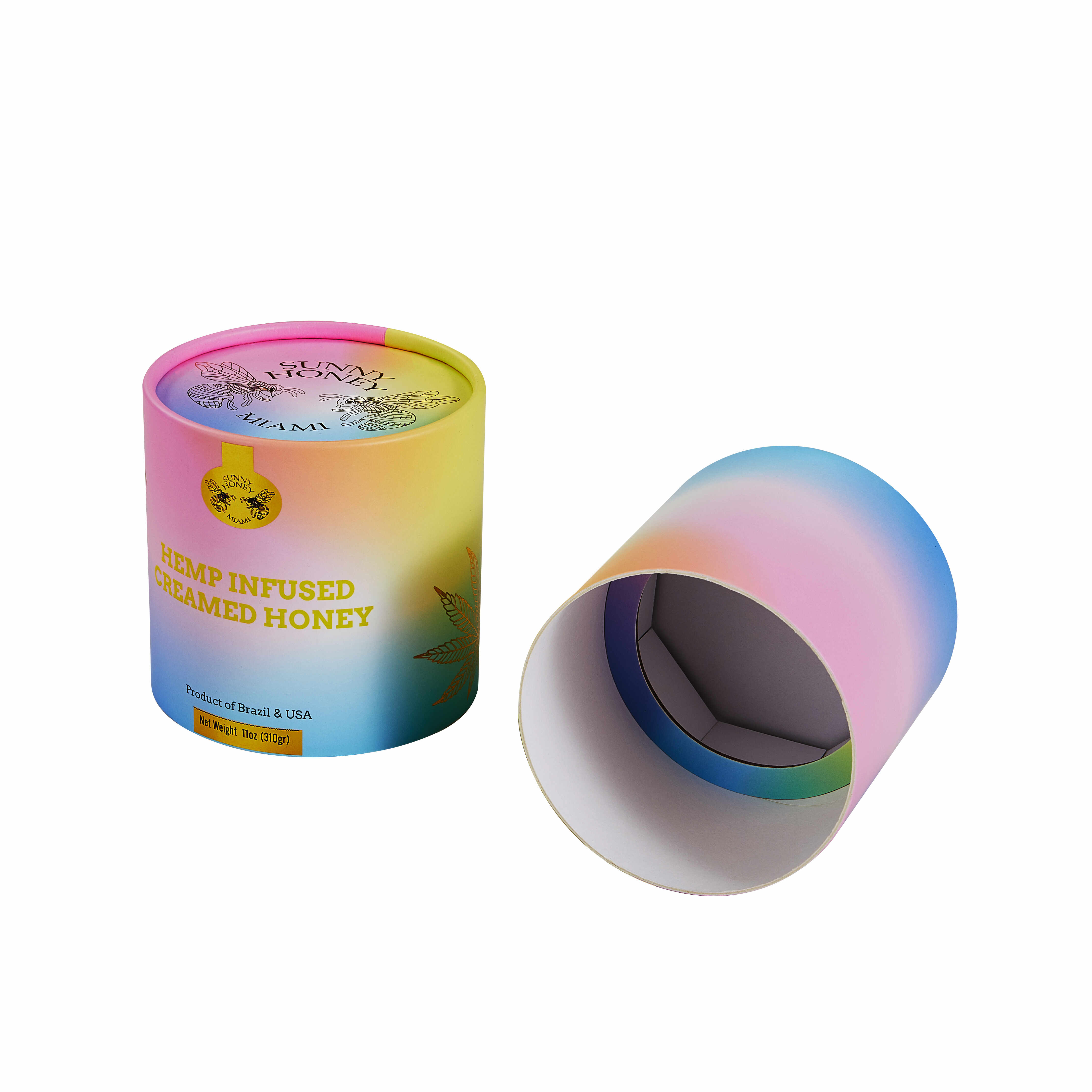
Round boxes have emerged as one of the most sophisticated and visually appealing packaging solutions in the modern gift and premium product industry. These cylindrical containers offer a unique alternative to traditional rectangular packaging, creating an immediate sense of luxury and exclusivity that captivates consumers. The distinctive shape of round boxes naturally draws attention and provides an elegant presentation that elevates any product, from jewelry and cosmetics to gourmet foods and artisanal crafts.
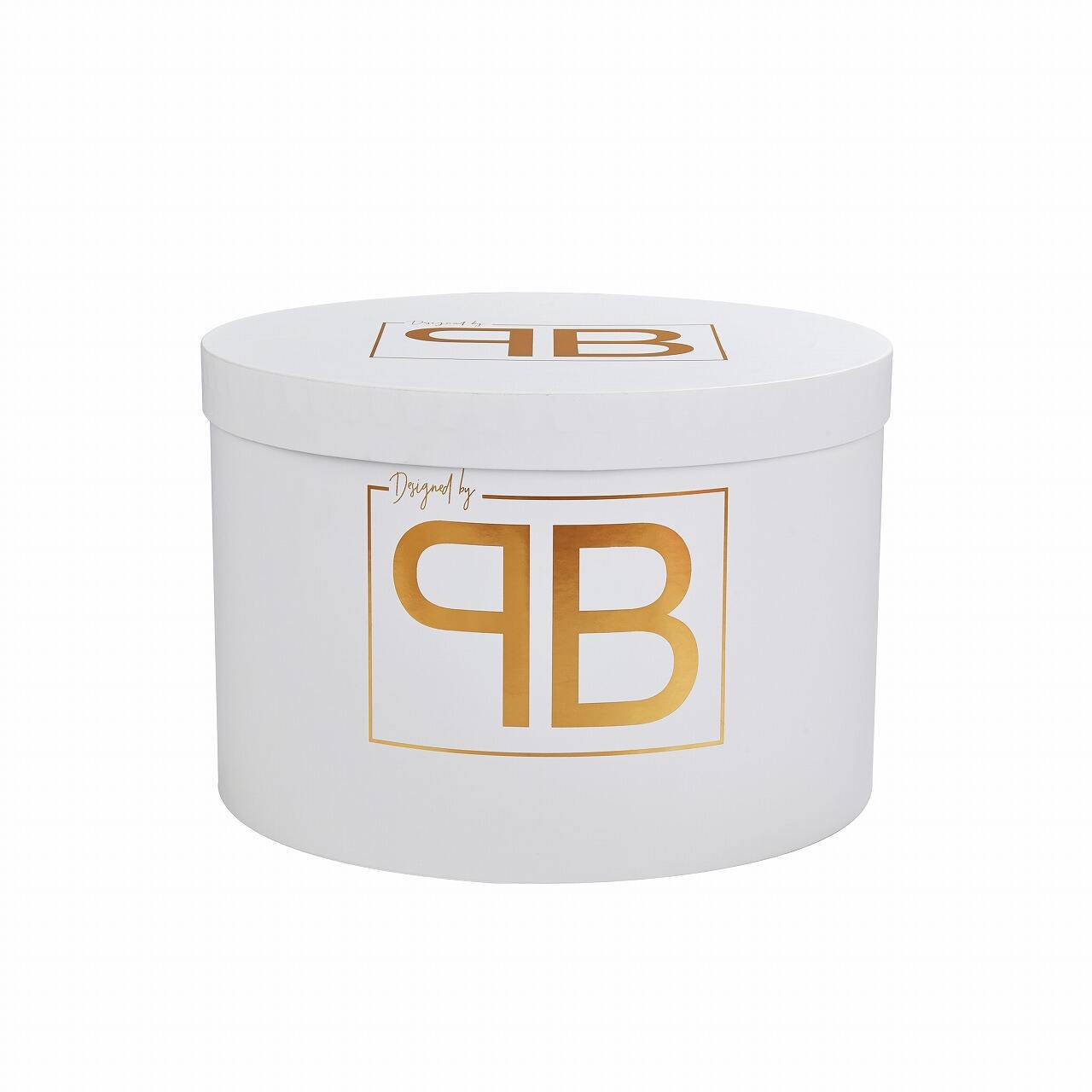
The design process for round boxes requires careful consideration of both aesthetic appeal and functional requirements. Unlike conventional square or rectangular containers, circular packaging presents unique engineering challenges and opportunities that must be addressed during the design phase. Understanding the fundamental principles of round box construction ensures that your packaging not only looks stunning but also provides adequate protection and usability for the intended products.
Professional packaging designers recognize that round boxes offer distinct advantages in terms of structural integrity and visual impact. The circular shape distributes stress evenly around the perimeter, creating a naturally strong container that can withstand handling and transportation. This inherent strength makes round boxes particularly suitable for premium products that require secure packaging without compromising on elegance.
Material Selection and Construction Techniques
Choosing the Right Cardboard and Paper Materials
The foundation of exceptional round boxes begins with selecting appropriate materials that balance durability, aesthetics, and cost-effectiveness. High-quality cardboard forms the structural backbone of most round boxes, with varying thicknesses depending on the intended use and product weight. Premium applications often utilize multi-layer corrugated cardboard or solid fiber board that provides superior strength and maintains its shape over time.
Paper selection for the outer covering plays a crucial role in the final appearance and tactile experience of round boxes. Specialty papers such as textured art paper, metallic finishes, or eco-friendly kraft paper can dramatically enhance the perceived value of the packaging. The choice of adhesive and lamination techniques also impacts both the visual appeal and longevity of the finished product.
When designing round boxes for specific applications, material testing becomes essential to ensure compatibility with the intended contents. Food-grade materials require special consideration for safety and compliance, while cosmetic packaging may need moisture-resistant properties to maintain product integrity.
Advanced Manufacturing Processes
Modern manufacturing techniques for round boxes have evolved significantly, incorporating precision cutting and forming technologies that ensure consistent quality and dimensional accuracy. Computer-controlled die-cutting systems can create perfectly circular components with minimal waste, while automated assembly processes maintain consistency across large production runs.
The forming process for round boxes typically involves specialized machinery that shapes flat cardboard into cylindrical forms through controlled pressure and heat application. This process requires careful calibration to prevent material buckling or dimensional distortion that could compromise the final product quality.
Quality control measures throughout the manufacturing process ensure that each round box meets specified tolerances and aesthetic standards. Regular inspection of critical dimensions, joint integrity, and surface finish helps maintain the premium quality expected in gift and luxury product packaging.
Design Principles for Maximum Visual Impact
Color Theory and Pattern Application
Effective color selection for round boxes requires understanding how colors interact with curved surfaces and how lighting conditions affect perception. The cylindrical shape of round boxes creates natural shadow gradients that can either enhance or detract from the chosen color scheme, depending on the design approach.
Pattern application on curved surfaces presents unique challenges that differ significantly from flat packaging designs. Geometric patterns must be carefully calculated to maintain visual continuity around the circumference, while organic designs need strategic placement to avoid awkward transitions at the seam line.
Brand integration through color and pattern selection helps establish strong product recognition while maintaining the sophisticated appearance that makes round boxes so appealing for premium applications. Consistency with existing brand guidelines ensures that the packaging supports overall marketing objectives.
Typography and Graphic Elements
Typography on round boxes requires special consideration for readability and visual flow around the curved surface. Text placement must account for the natural reading patterns of consumers while ensuring that important information remains clearly visible from multiple viewing angles.
Graphic elements such as logos, decorative motifs, and product imagery need strategic positioning to take advantage of the three-dimensional nature of round boxes. The interplay between graphics and the cylindrical form can create dynamic visual effects that enhance the overall packaging experience.
Embossing and debossing techniques work particularly well with round boxes, creating tactile elements that add luxury appeal and reinforce brand messaging. These raised or recessed design elements catch light differently on curved surfaces, creating subtle visual interest that evolves as the package is rotated.
Functional Design Considerations
Lid Design and Closure Mechanisms
The lid design for round boxes significantly impacts both functionality and user experience. Telescoping lids offer excellent protection and create a satisfying opening experience, while separate lids provide easier access but require more careful engineering to ensure proper fit and alignment.
Closure mechanisms must balance security with ease of use, particularly for gift applications where the unboxing experience contributes to the overall impression. Magnetic closures, ribbon ties, and friction-fit systems each offer different advantages depending on the specific application and target market.
The relationship between lid height and base diameter affects both structural stability and visual proportions of round boxes. Optimal ratios vary depending on the intended contents and usage patterns, requiring careful analysis during the design phase.
Interior Layout and Product Protection
Interior design of round boxes presents unique opportunities for creative product presentation while ensuring adequate protection during handling and shipping. Custom-fitted inserts can transform the circular space into organized compartments that showcase individual items while preventing movement and damage.
Cushioning materials and protective elements must be carefully selected to complement the overall design aesthetic while providing necessary product protection. Sustainable options such as molded pulp or recyclable foam alternatives align with growing environmental consciousness among consumers.
The circular interior space of round boxes can be optimized through thoughtful design of dividers, platforms, and securing mechanisms that make efficient use of the available volume while maintaining the premium presentation expected in gift packaging applications.
Industry Applications and Market Trends
Luxury Goods and Premium Products
The luxury market has embraced round boxes as a signature packaging solution that immediately communicates premium quality and attention to detail. High-end jewelry brands frequently utilize round boxes for their unique pieces, taking advantage of the circular form to create elegant presentation cases that enhance the perceived value of the contents.
Cosmetic and fragrance companies have discovered that round boxes provide an ideal packaging solution for their premium product lines. The curved surface offers ample space for brand messaging while the structural strength protects delicate glass bottles and containers during distribution and retail display.
Artisanal food producers and gourmet brands increasingly choose round boxes for their specialty products, leveraging the distinctive shape to differentiate their offerings in crowded retail environments. The packaging becomes an integral part of the product experience, encouraging repeat purchases and gift-giving.
Sustainable Design Innovations
Environmental consciousness has driven significant innovations in round box design and manufacturing processes. Sustainable material options now include recycled cardboard, bio-based adhesives, and water-based printing inks that reduce environmental impact without compromising quality or appearance.
Design for disassembly has become increasingly important, with round boxes engineered for easy separation of components to facilitate recycling. This approach requires careful consideration of adhesive selection and joint design to maintain structural integrity while enabling end-of-life processing.
Renewable and rapidly renewable materials such as bamboo fiber and agricultural waste products are finding applications in round box manufacturing, offering environmentally responsible alternatives that appeal to eco-conscious consumers while maintaining the premium appearance expected in gift packaging.
Customization and Personalization Options
Digital Printing and Variable Data
Advanced digital printing technologies have revolutionized customization possibilities for round boxes, enabling cost-effective short runs and personalized packaging solutions. Variable data printing allows for individual names, messages, or graphics on each package, creating unique experiences that enhance emotional connection with the product.
Color accuracy and consistency across curved surfaces require specialized printing techniques and careful color management to ensure that round boxes meet quality expectations. Digital printing systems designed specifically for cylindrical objects can achieve exceptional results while maintaining production efficiency.
The integration of QR codes, NFC tags, and other digital elements into round box designs creates opportunities for enhanced customer engagement and product authentication. These technologies can be seamlessly incorporated into the overall design without compromising aesthetic appeal.
Finishing Techniques and Special Effects
Premium finishing techniques such as hot stamping, UV coating, and specialty varnishes can transform ordinary round boxes into extraordinary packaging experiences. These processes require specialized equipment and expertise but can significantly enhance the perceived value and brand differentiation.
Textural finishes including soft-touch coatings, linen textures, and metallic effects add sensory dimensions to round boxes that engage multiple senses and create memorable unboxing experiences. The curved surface of round boxes often enhances these tactile effects compared to flat packaging surfaces.
Combination finishing techniques, where multiple processes are layered to create complex visual and tactile effects, represent the cutting edge of round box design. These approaches require careful planning and testing but can produce truly unique packaging solutions that command premium pricing in the marketplace.
FAQ
What are the optimal dimensions for round boxes used in gift packaging
The optimal dimensions for round boxes depend on the specific product and application, but common diameters range from 4 to 12 inches with height-to-diameter ratios typically between 0.5:1 and 2:1. Smaller round boxes work well for jewelry and cosmetics, while larger sizes accommodate clothing, home goods, and food products. The key is balancing product fit with shipping efficiency and visual proportions.
How do round boxes compare to rectangular packaging in terms of cost and efficiency
Round boxes typically cost 15-25% more than equivalent rectangular packaging due to specialized manufacturing processes and material waste during production. However, they often justify the additional cost through enhanced perceived value, improved product protection, and distinctive shelf presence. Shipping efficiency may be lower due to unused space between circular containers, but this is often offset by marketing advantages and customer preference.
What printing challenges are unique to round box design and manufacturing
Printing on round boxes presents challenges including image distortion around curved surfaces, color consistency across varying light angles, and precise registration of graphics that wrap around the circumference. Specialized printing equipment and techniques are required to achieve professional results, and designers must account for seam placement and viewing angles when creating artwork for round boxes.
Are there specific structural considerations for round boxes containing heavy products
Heavy products in round boxes require reinforced construction including thicker base materials, additional internal supports, and careful attention to lid-to-base connection points. The circular shape naturally distributes weight well, but the bottom panel may need reinforcement or a rigid insert to prevent failure. Corner reinforcements used in rectangular boxes are not applicable, so alternative strengthening methods such as internal rings or corrugated supports become necessary.
Table of Contents
- Material Selection and Construction Techniques
- Design Principles for Maximum Visual Impact
- Functional Design Considerations
- Industry Applications and Market Trends
- Customization and Personalization Options
-
FAQ
- What are the optimal dimensions for round boxes used in gift packaging
- How do round boxes compare to rectangular packaging in terms of cost and efficiency
- What printing challenges are unique to round box design and manufacturing
- Are there specific structural considerations for round boxes containing heavy products
