
 EN
EN
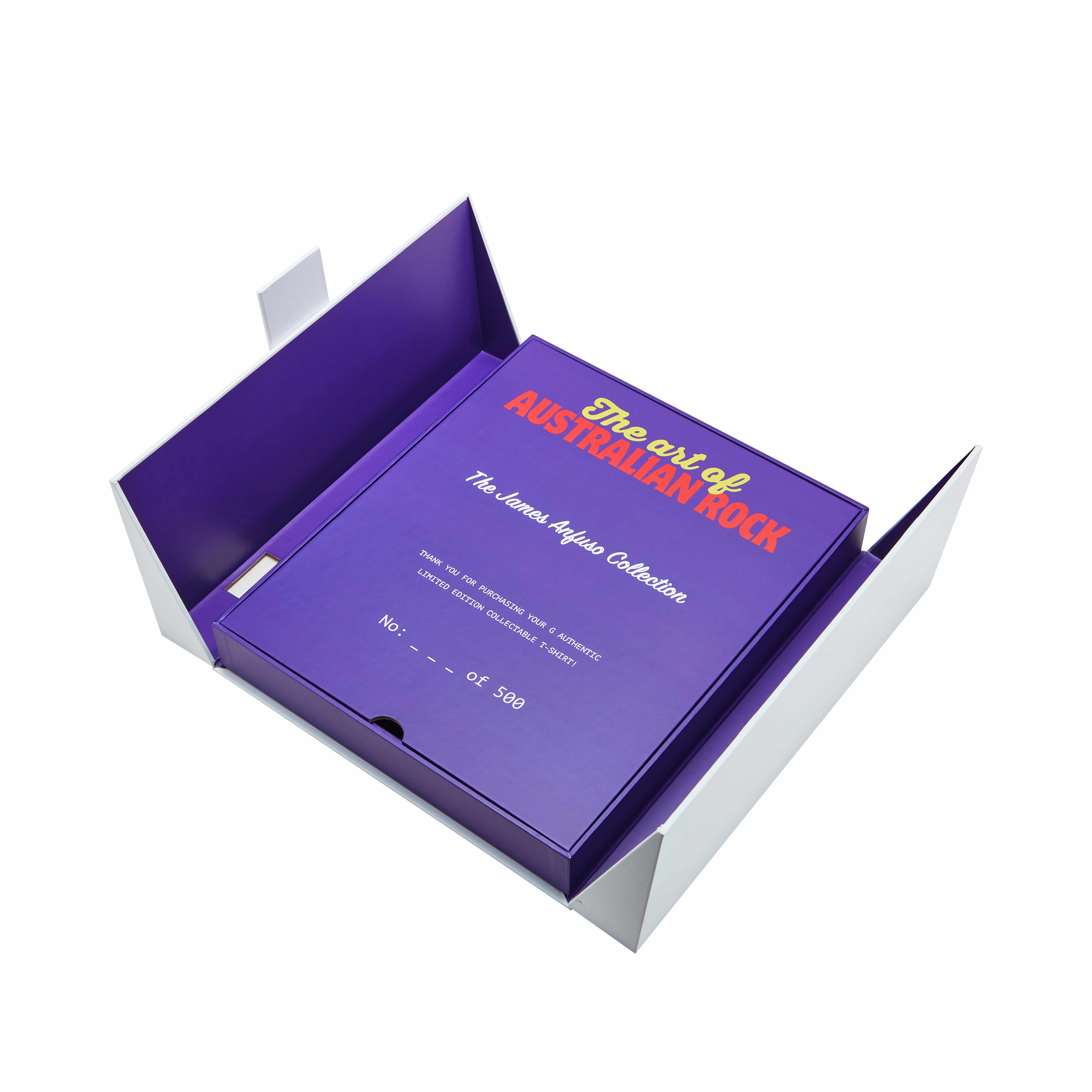
Brand presentation has become increasingly critical in today's competitive marketplace, where first impressions can determine the success or failure of a product launch. A well-designed rigid box serves as a powerful marketing tool that extends far beyond simple product protection, transforming the unboxing experience into a memorable brand encounter. Companies across industries are recognizing that premium packaging solutions directly influence consumer perception and purchasing decisions, making customized rigid box solutions an essential investment for businesses seeking to differentiate themselves in crowded markets.

The strategic implementation of custom rigid box packaging requires careful consideration of multiple design elements that work together to create a cohesive brand experience. From material selection to structural engineering, every aspect of rigid box customization contributes to the overall effectiveness of your brand presentation strategy. Understanding these fundamental principles enables businesses to make informed decisions that maximize both aesthetic appeal and functional performance while maintaining cost-effectiveness throughout the production process.
Understanding Rigid Box Construction Fundamentals
Material Selection and Quality Considerations
The foundation of any exceptional rigid box begins with careful material selection that balances durability, aesthetic appeal, and cost considerations. High-quality paperboard typically serves as the base material, with thickness measurements ranging from 1200 to 3000 gsm depending on the intended application and product weight requirements. Premium rigid box construction often incorporates multi-layer chipboard or recycled cardboard cores that provide exceptional structural integrity while maintaining environmental sustainability standards.
Surface materials play an equally important role in determining the final appearance and tactile experience of your rigid box design. Options include specialty papers, fabric wrapping, leather alternatives, and synthetic materials that can be selected based on brand positioning and target market preferences. The choice of covering material directly impacts production costs, manufacturing timelines, and the overall perceived value of your packaging solution.
Structural Design Options and Engineering
Modern rigid box manufacturing offers numerous structural configurations that can be tailored to specific product requirements and brand presentation goals. Traditional lid-and-base designs remain popular for their simplicity and cost-effectiveness, while magnetic closure systems provide enhanced user experience and premium positioning. Drawer-style constructions offer sophisticated presentation opportunities, particularly for luxury goods and gift applications.
Engineering considerations must account for product dimensions, weight distribution, and shipping requirements throughout the design process. Proper structural planning ensures that your rigid box maintains its shape and appearance throughout the entire supply chain, from manufacturing facility to end consumer. Advanced structural features such as foam inserts, compartmentalization, and protective padding can be integrated seamlessly into the overall design without compromising aesthetic appeal.
Visual Design Elements and Brand Integration
Color Schemes and Brand Consistency
Color psychology plays a fundamental role in consumer perception and brand recognition, making color scheme selection one of the most critical aspects of rigid box customization. Successful color implementation requires precise color matching systems such as Pantone specifications to ensure consistency across production runs and different manufacturing facilities. Brand colors should be applied strategically to create visual hierarchy and guide consumer attention toward key brand elements and product information.
The interaction between base colors and accent elements creates depth and visual interest that distinguishes your rigid box from competitor offerings. Metallic foils, spot UV coatings, and embossed textures can be incorporated to add premium touches that justify higher price points and reinforce luxury positioning. Color gradients and multi-tone effects require careful technical planning to achieve consistent results in mass production environments.
Typography and Information Hierarchy
Typography selection significantly impacts both readability and brand perception, requiring careful consideration of font families that align with overall brand personality and target audience preferences. Sans-serif fonts typically provide better readability for product information and technical specifications, while serif or script fonts can enhance luxury positioning and emotional connection. Font sizing must accommodate various viewing distances and lighting conditions while maintaining legibility across different age demographics.
Information hierarchy guides consumer attention through strategic placement of brand names, product descriptions, and regulatory information. Primary brand elements should dominate the visual field, while secondary information supports the overall message without creating visual clutter. The strategic use of white space enhances readability and creates a sophisticated appearance that reflects positively on brand quality perceptions.
Advanced Customization Techniques
Surface Finishing and Special Effects
Surface finishing techniques transform ordinary rigid box designs into premium brand experiences that command higher perceived value and customer loyalty. Hot stamping applications allow for metallic foil integration in gold, silver, copper, and specialty colors that create luxurious visual effects under various lighting conditions. Embossing and debossing techniques add tactile dimensions that engage multiple senses and create memorable unboxing experiences.
UV coating applications provide both protective and aesthetic benefits, with options ranging from high-gloss finishes that enhance color vibrancy to matte coatings that create sophisticated, understated appearances. Spot UV techniques allow for selective application that creates contrast between different surface areas, enabling creative design effects that would be impossible with traditional printing methods. These advanced finishing options require specialized equipment and expertise but deliver significant competitive advantages in premium market segments.
Interior Design and Product Presentation
Interior design elements often determine the success of unboxing experiences and influence customer satisfaction levels long after the initial purchase. Custom foam inserts can be engineered to cradle products securely while creating dramatic reveal effects that enhance perceived value. Fabric lining options include velvet, satin, and specialty synthetic materials that provide luxurious tactile experiences while protecting product surfaces from scratches and damage.
Compartmentalization strategies enable organized presentation of multiple products or accessories while maintaining visual appeal and functional accessibility. Magnetic closures and ribbon pulls add convenience features that improve user experience without compromising structural integrity. The integration of these interior elements requires careful planning to ensure compatibility with automated packaging processes and shipping requirements.
Production Considerations and Quality Control
Manufacturing Process Optimization
Efficient manufacturing processes are essential for maintaining quality standards while controlling production costs and meeting delivery deadlines. Modern rigid box production facilities utilize computer-controlled cutting equipment that ensures precise dimensional accuracy and minimal material waste. Automated assembly systems reduce labor costs and improve consistency, particularly for high-volume production runs.
Quality control protocols must be implemented at every stage of the manufacturing process to prevent defects and ensure consistent results. Incoming material inspections verify color accuracy, dimensional specifications, and surface quality before production begins. In-process monitoring includes adhesive application verification, structural integrity testing, and visual appearance assessments that identify potential issues before they impact large quantities of finished products.
Cost Management and Value Engineering
Effective cost management requires balancing design aspirations with budget constraints while maintaining quality standards that support brand positioning objectives. Value engineering approaches identify opportunities to reduce costs without compromising essential design elements or functional performance. Material substitutions, structural simplifications, and production process optimizations can significantly impact overall project costs while maintaining aesthetic appeal.
Volume considerations play a crucial role in determining unit costs and minimum order quantities that make custom rigid box projects financially viable. Economies of scale become more pronounced with larger production runs, making it essential to accurately forecast demand and plan production schedules accordingly. Seasonal fluctuations and market trends should be factored into volume planning to optimize inventory levels and minimize carrying costs.
Market Applications and Industry Trends
Luxury Goods and Premium Positioning
The luxury goods market represents one of the most demanding applications for custom rigid box solutions, where packaging quality directly influences brand perception and customer loyalty. Premium cosmetics, jewelry, electronics, and fashion accessories rely heavily on sophisticated packaging presentations that justify higher price points and reinforce exclusivity positioning. Rigid box designs in this market segment often incorporate multiple finishing techniques, premium materials, and complex structural elements that create memorable unboxing experiences.
Consumer expectations in luxury markets continue to evolve, driven by social media influence and increasing exposure to premium brands across various product categories. The rise of unboxing videos and social media sharing has elevated packaging design to marketing tool status, where visual appeal and photogenic qualities become essential design considerations. Brands must balance traditional luxury cues with contemporary aesthetic preferences to appeal to both established and emerging customer demographics.
Sustainable Packaging Solutions
Environmental consciousness is reshaping packaging industry standards, driving demand for sustainable rigid box solutions that minimize environmental impact without compromising quality or aesthetic appeal. Recycled material content, biodegradable adhesives, and water-based printing inks represent practical approaches to improving environmental performance while maintaining manufacturing efficiency and cost-effectiveness.
Sustainable design principles extend beyond material selection to encompass end-of-life considerations, reusability potential, and transportation efficiency. Modular rigid box designs enable reuse for storage or gift applications, extending product lifecycle and reducing waste generation. Optimized dimensions improve shipping efficiency and reduce carbon footprint associated with transportation and warehousing operations throughout the supply chain.
Technology Integration and Future Innovations
Digital Integration and Smart Packaging
Digital technology integration is transforming traditional rigid box applications through the incorporation of QR codes, NFC chips, and augmented reality features that bridge physical and digital brand experiences. These technologies enable interactive content delivery, authentication verification, and customer engagement opportunities that extend far beyond the initial unboxing moment. Smart packaging solutions provide valuable data collection capabilities that inform marketing strategies and product development decisions.
Implementation of digital features requires careful consideration of technical requirements, user experience design, and integration with existing marketing systems. The placement of digital elements must complement rather than compete with traditional design elements while ensuring accessibility across different demographic groups and technical literacy levels. Future developments in this area promise even more sophisticated integration possibilities as technology costs decrease and consumer adoption increases.
Automation and Manufacturing Innovation
Manufacturing automation continues to advance rigid box production capabilities while reducing labor requirements and improving quality consistency. Robotic assembly systems enable complex construction techniques that would be prohibitively expensive with manual labor, opening new possibilities for innovative structural designs and premium finishing applications. Computer-controlled quality inspection systems provide real-time monitoring capabilities that ensure consistent results across large production volumes.
Predictive maintenance systems and data analytics optimize equipment performance while minimizing downtime and production disruptions. These technological advances enable shorter lead times, improved flexibility, and cost reductions that benefit both manufacturers and end customers. The integration of artificial intelligence and machine learning technologies promises further improvements in production efficiency and quality control capabilities.
FAQ
What factors determine the cost of custom rigid box packaging?
Custom rigid box costs depend on multiple variables including material selection, structural complexity, finishing techniques, and production volume. Base material thickness and quality significantly impact pricing, with premium paperboard and specialty covering materials commanding higher costs. Surface finishing options such as foil stamping, embossing, and UV coating add incremental expenses that vary based on coverage area and complexity. Production volume plays a crucial role, with larger quantities achieving better per-unit pricing through economies of scale.
How long does the custom rigid box development process typically take?
The development timeline for custom rigid box projects varies depending on design complexity, approval processes, and production requirements. Initial design consultation and concept development typically require one to two weeks, followed by prototype creation and testing phases that can extend the timeline by another two to three weeks. Production preparation including tooling setup and material procurement generally adds one to two weeks before manufacturing begins. Rush orders may be accommodated with expedited services, though additional costs and limited customization options may apply.
What are the minimum order quantities for custom rigid box production?
Minimum order quantities for custom rigid box production typically range from 500 to 1000 pieces, depending on structural complexity and finishing requirements. Simple designs with basic finishing may have lower minimums, while complex constructions with multiple finishing techniques often require higher quantities to justify tooling and setup costs. Digital printing capabilities have enabled some manufacturers to offer lower minimum quantities for certain design types, though unit costs may be higher compared to traditional offset printing methods.
Can rigid boxes be designed for specific shipping and storage requirements?
Yes, rigid boxes can be engineered to meet specific shipping and storage requirements through careful structural design and material selection. Stackability considerations ensure efficient warehouse storage and transportation, while crush resistance specifications protect contents during shipping. Dimensional optimization minimizes shipping costs while maintaining adequate product protection. Specialized inserts and padding systems can be integrated to accommodate fragile items or products with unique shapes and protection requirements.
