
 EN
EN
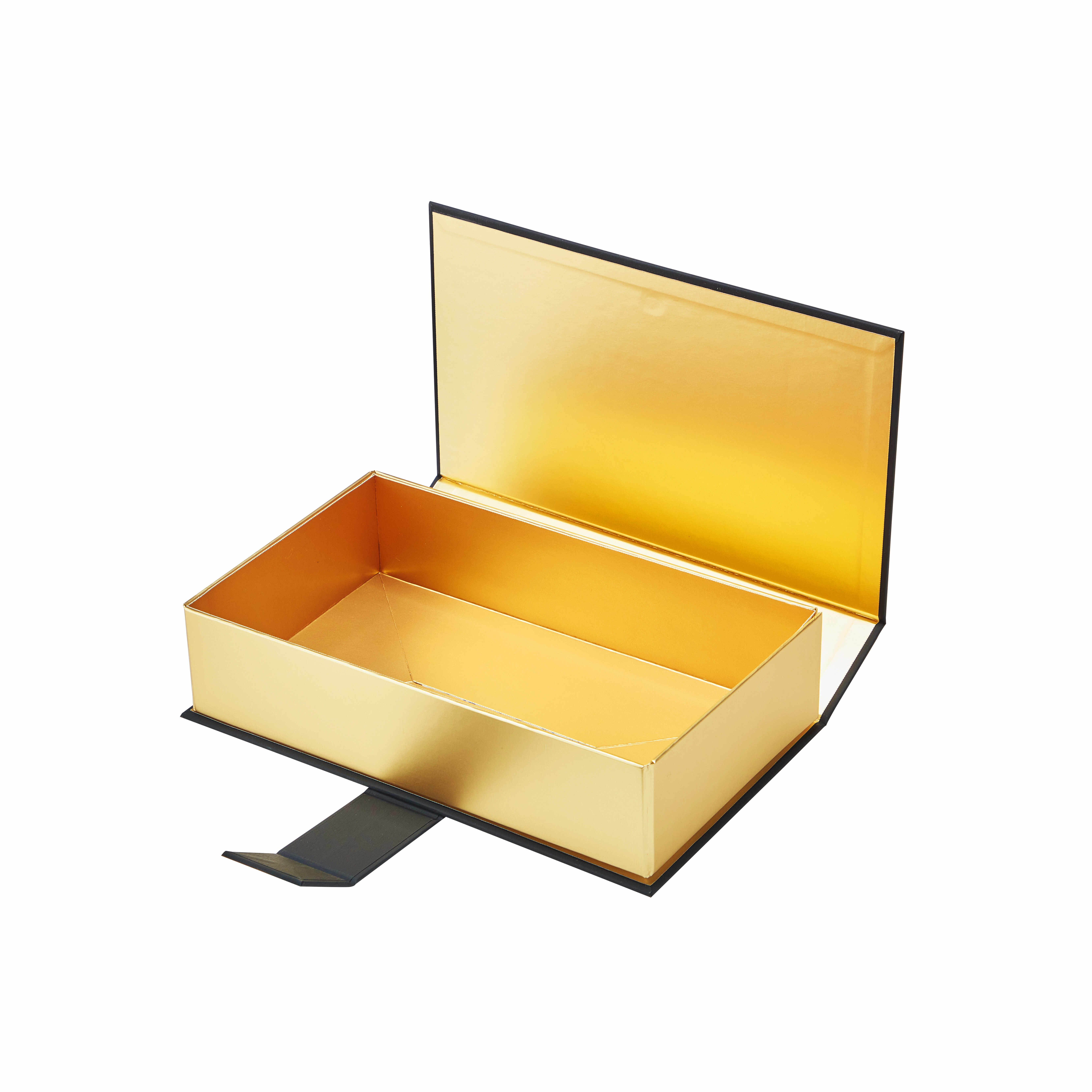
Premium brands across industries consistently choose specialized packaging solutions to reflect their product quality and brand positioning. The rigid box has emerged as the gold standard for luxury goods packaging, offering unmatched durability, aesthetic appeal, and brand enhancement capabilities. This sophisticated packaging solution provides manufacturers and retailers with a premium presentation method that communicates quality before customers even interact with the product itself.

Understanding Rigid Box Construction and Materials
Structural Composition of Premium Packaging
The foundation of any effective rigid box lies in its structural engineering and material selection. These packaging solutions utilize high-grade chipboard or greyboard cores, typically ranging from 1.5mm to 3mm in thickness, providing exceptional strength and dimensional stability. The core material undergoes precise cutting and scoring processes to ensure clean edges and accurate folding lines. Premium manufacturers often incorporate additional reinforcement layers to enhance the overall durability and longevity of the packaging solution.
Surface materials play a crucial role in determining the final appearance and tactile experience of the rigid box. Common options include specialty papers, textured stocks, metallic finishes, and fabric coverings that create distinctive visual and sensory impressions. The adhesive systems used to bond these materials must provide permanent adhesion while maintaining flexibility throughout temperature variations and handling conditions. Advanced manufacturing techniques ensure that surface materials remain securely attached throughout the product lifecycle.
Manufacturing Processes and Quality Standards
Modern rigid box production employs sophisticated machinery and precision techniques to achieve consistent quality standards. Computer-controlled cutting systems ensure accurate dimensions and clean edges, while specialized folding equipment creates precise creases and angles. The assembly process typically involves multiple stages of gluing, pressing, and curing to achieve optimal structural integrity. Quality control measures throughout production verify dimensional accuracy, adhesive strength, and surface finish quality.
Environmental considerations increasingly influence manufacturing processes, with many facilities implementing sustainable practices and material sourcing. Recyclable substrates and water-based adhesives reduce environmental impact while maintaining performance standards. Advanced production planning systems optimize material usage and minimize waste generation throughout the manufacturing cycle. These considerations align with growing consumer preferences for environmentally responsible packaging solutions.
Design Capabilities and Customization Options
Visual Enhancement Techniques
The versatility of rigid box design enables extensive customization to match specific brand requirements and product positioning. Surface finishing techniques include embossing, debossing, foil stamping, and spot UV coating, each creating unique visual and tactile effects. These enhancement methods can highlight brand logos, product names, or decorative elements while maintaining the overall design coherence. Advanced printing technologies support high-resolution graphics and precise color matching to ensure brand consistency across production runs.
Structural design options extend beyond basic rectangular formats to include complex shapes, multiple compartments, and integrated closure systems. Custom die-cutting capabilities enable the creation of window cutouts, unique opening mechanisms, and specialized product holding features. Interior design elements such as foam inserts, velvet linings, or molded trays provide secure product positioning while enhancing the unboxing experience. These customization options allow brands to create truly distinctive packaging that reinforces their market positioning.
Functional Integration Features
Modern rigid box designs incorporate functional elements that enhance user experience and product protection simultaneously. Magnetic closure systems provide secure sealing while enabling smooth opening and closing actions. Ribbon pulls and finger tabs facilitate easy access while maintaining the premium aesthetic appeal. These functional enhancements contribute to the overall perceived value of the packaged product.
Interior organization systems within rigid box designs accommodate multiple products or accessories while maintaining secure positioning during shipping and handling. Removable inserts allow for flexible product arrangements, while permanent dividers provide consistent organization. The integration of these functional elements requires careful engineering to maintain structural integrity while optimizing space utilization and product accessibility.
Applications Across Premium Market Sectors
Luxury Consumer Goods Packaging
The cosmetics and fragrance industry extensively utilizes rigid box packaging to communicate product quality and brand prestige. Premium perfume brands rely on sophisticated packaging designs that reflect the exclusivity and craftsmanship of their fragrances. The rigid box construction provides necessary protection for delicate glass bottles while creating an impressive presentation that enhances the overall brand experience. Jewelry companies similarly depend on secure and elegant packaging to showcase their products while ensuring safe transportation and storage.
Electronics manufacturers increasingly adopt rigid box solutions for high-end products such as smartphones, tablets, and luxury accessories. These applications require precise dimensional control to accommodate specific product shapes while providing adequate protection against impact and environmental factors. The premium appearance of a well-designed rigid box reinforces the technological sophistication and quality of enclosed electronic devices.
Corporate and Promotional Applications
Business-to-business applications of rigid box packaging include corporate gift presentation, promotional material distribution, and executive communication packages. These applications prioritize professional appearance and brand representation while ensuring secure content protection. Custom branding elements and high-quality finishes communicate corporate values and attention to detail. The reusable nature of rigid box construction provides ongoing brand exposure and perceived value for recipients.
Event marketing and product launches frequently utilize rigid box packaging to create memorable brand experiences and generate social media engagement. Limited edition releases and exclusive product offerings benefit from the premium positioning that rigid box packaging provides. The unboxing experience becomes an integral part of the marketing strategy, encouraging customer sharing and brand advocacy through social platforms.
Comparative Analysis with Alternative Packaging Solutions
Performance Characteristics Evaluation
When comparing rigid box solutions to alternative packaging methods, several key performance factors demonstrate clear advantages. Structural integrity remains superior to folding carton alternatives, providing better protection against crushing, impact, and deformation during shipping and handling. The rigid box construction maintains dimensional stability under varying environmental conditions, ensuring consistent product presentation throughout the distribution chain.
Cost considerations must balance initial investment against long-term value proposition and brand enhancement benefits. While rigid box solutions typically require higher initial costs compared to standard packaging alternatives, the perceived value increase and customer satisfaction improvements often justify the investment. Premium brands recognize that packaging quality directly influences customer perception and willingness to pay premium prices for products.
Sustainability and Environmental Impact
Environmental responsibility increasingly influences packaging selection decisions, with rigid box manufacturers responding through sustainable material sourcing and production practices. Recyclable substrates and biodegradable adhesives reduce environmental impact while maintaining performance standards. The durable construction of rigid box packaging often enables reuse applications, extending the useful life and reducing overall environmental footprint.
Life cycle analysis of rigid box packaging demonstrates favorable environmental profiles when considering durability, reusability, and end-of-life recyclability. Advanced manufacturing processes optimize material usage and minimize waste generation throughout production cycles. These environmental benefits align with consumer preferences and corporate sustainability initiatives across multiple industries.
Implementation Considerations for Businesses
Design Development Process
Successful rigid box implementation begins with comprehensive design development that considers brand objectives, product requirements, and customer expectations. Initial concept development should incorporate structural engineering requirements, material specifications, and production feasibility assessments. Prototype development enables testing and refinement of design elements before committing to full production runs.
Collaboration between brand teams, packaging designers, and manufacturing partners ensures optimal integration of aesthetic and functional requirements. Design reviews should evaluate structural integrity, production efficiency, and cost optimization opportunities while maintaining brand positioning objectives. The iterative design process allows for refinements that enhance both performance and visual appeal of the final rigid box solution.
Production Planning and Quality Assurance
Effective production planning for rigid box manufacturing requires coordination of material procurement, production scheduling, and quality control processes. Lead times for specialty materials and custom components must be incorporated into project timelines to ensure on-time delivery. Quality assurance protocols should verify dimensional accuracy, material specifications, and finish quality throughout production runs.
Supplier qualification and ongoing performance monitoring ensure consistent quality and reliability throughout the supply chain. Regular quality audits and performance reviews identify opportunities for continuous improvement and cost optimization. These quality management practices contribute to long-term success and customer satisfaction with rigid box packaging solutions.
Future Trends and Innovations
Technological Advancement Integration
Emerging technologies continue to expand the capabilities and applications of rigid box packaging solutions. Digital printing advancements enable shorter production runs and increased customization options while maintaining cost-effectiveness. Smart packaging integration incorporates electronic components and sensors that enhance functionality and provide additional value to end users.
Automation improvements in manufacturing processes reduce production costs and improve consistency while enabling more complex design implementations. Advanced materials research develops new substrate options and surface treatments that provide enhanced performance characteristics. These technological developments position rigid box solutions for continued growth and market expansion across diverse applications.
Market Evolution and Consumer Preferences
Consumer preferences continue evolving toward premium experiences and sustainable practices, creating opportunities for innovative rigid box applications. Personalization trends drive demand for customizable packaging solutions that reflect individual preferences and create unique brand connections. The growing importance of social media marketing increases emphasis on visually appealing packaging that encourages customer sharing and engagement.
E-commerce growth influences rigid box design requirements, with increased emphasis on shipping protection and unboxing experiences. Direct-to-consumer brands utilize distinctive packaging as a primary brand differentiation strategy. These market trends support continued growth and innovation in rigid box packaging applications across multiple industry sectors.
FAQ
What makes a rigid box different from regular cardboard packaging
A rigid box utilizes thicker substrate materials and specialized construction techniques that provide superior structural integrity compared to standard cardboard packaging. The core material typically consists of chipboard or greyboard with thickness ranging from 1.5mm to 3mm, offering enhanced protection and dimensional stability. The manufacturing process involves wrapping the structural core with premium surface materials, creating a durable and visually appealing package that maintains its shape under stress and handling conditions.
How do rigid boxes enhance brand perception and customer experience
Rigid box packaging significantly enhances brand perception by communicating quality, attention to detail, and premium positioning before customers interact with the actual product. The substantial feel, precise construction, and high-quality finishes create positive first impressions that influence purchasing decisions and brand loyalty. The unboxing experience becomes a memorable brand interaction that encourages customer satisfaction and social media sharing, providing additional marketing value beyond basic product protection.
Are rigid boxes environmentally friendly and sustainable packaging options
Modern rigid box manufacturing increasingly incorporates sustainable practices and environmentally responsible materials to address growing consumer and corporate environmental concerns. Many manufacturers utilize recyclable substrates, water-based adhesives, and responsibly sourced materials while implementing waste reduction processes throughout production. The durable construction enables reuse applications, extending the useful life and reducing overall environmental impact compared to single-use alternatives.
What industries benefit most from implementing rigid box packaging solutions
Luxury goods industries including cosmetics, fragrances, jewelry, and high-end electronics derive significant benefits from rigid box packaging through enhanced brand positioning and product protection. Corporate sectors utilize these solutions for executive communications, promotional materials, and corporate gifts where professional appearance and brand representation are critical. E-commerce brands across various industries increasingly adopt rigid box packaging to create distinctive unboxing experiences and improve customer satisfaction in direct-to-consumer marketing strategies.
