 EN
EN  EN
EN  RU
RU  ES
ES  KO
KO  JA
JA  PT
PT  IT
IT  DE
DE  FR
FR  NL
NL 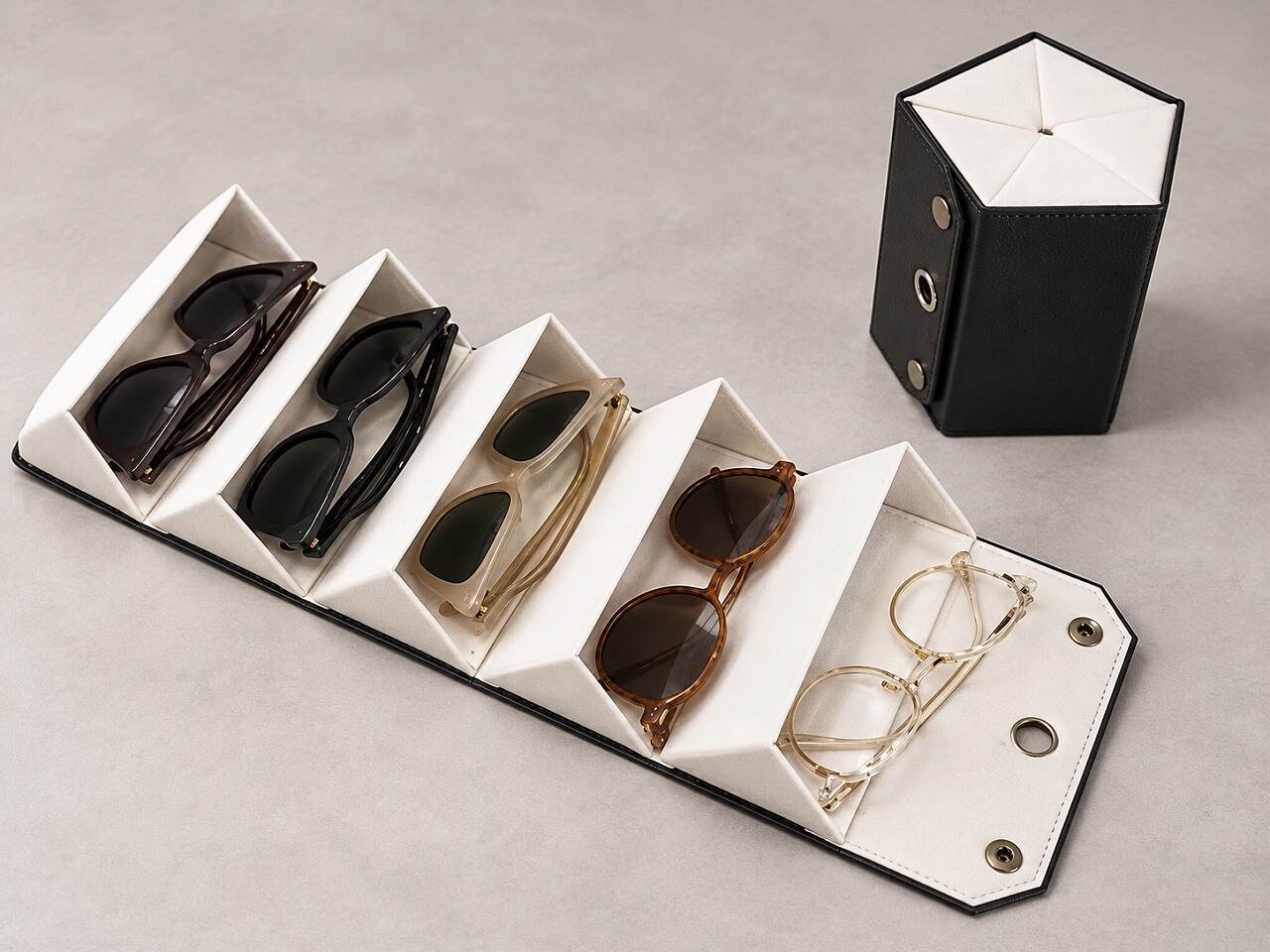
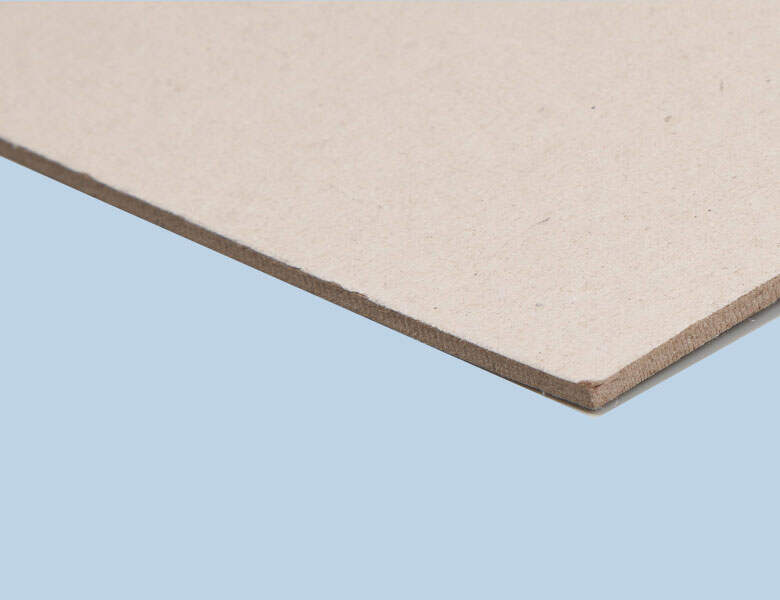
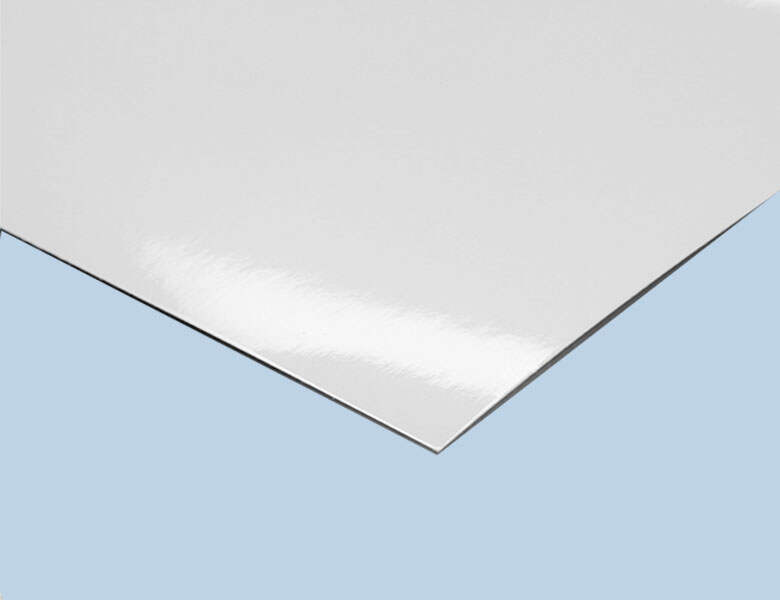
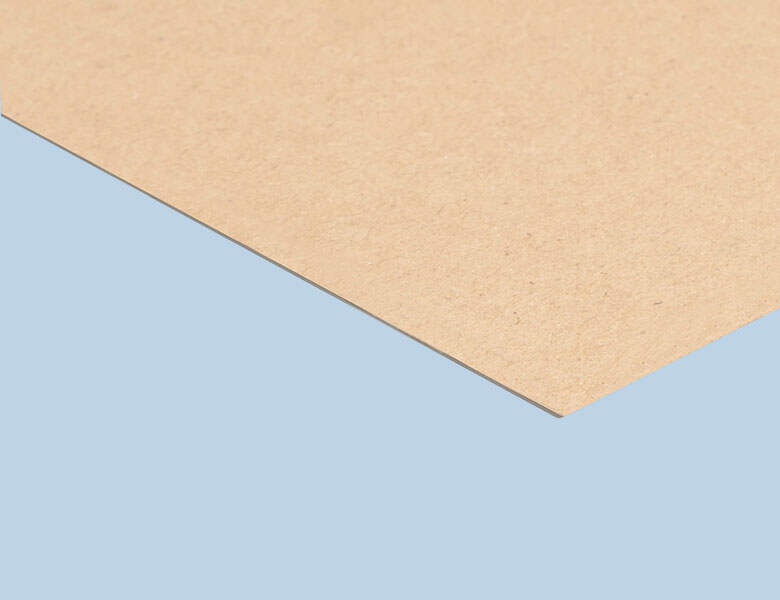
Chipboard grigio

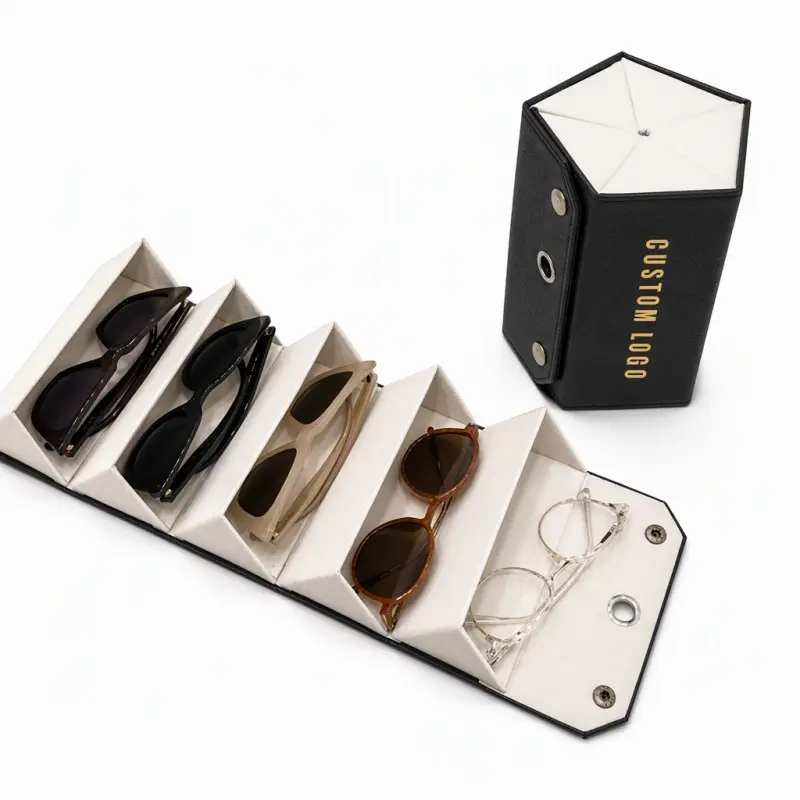
In brief: this custom sunglasses organizer stores up to five pairs in individual accordion compartments and folds into a compact PU-wrapped form. B2B buyers can specify the compartment fit, PU color and grain, lining, stitching, hardware finish, logo method and retail packing. Final protection claims should be based on an approved sample tested with the buyer's actual eyewear range.
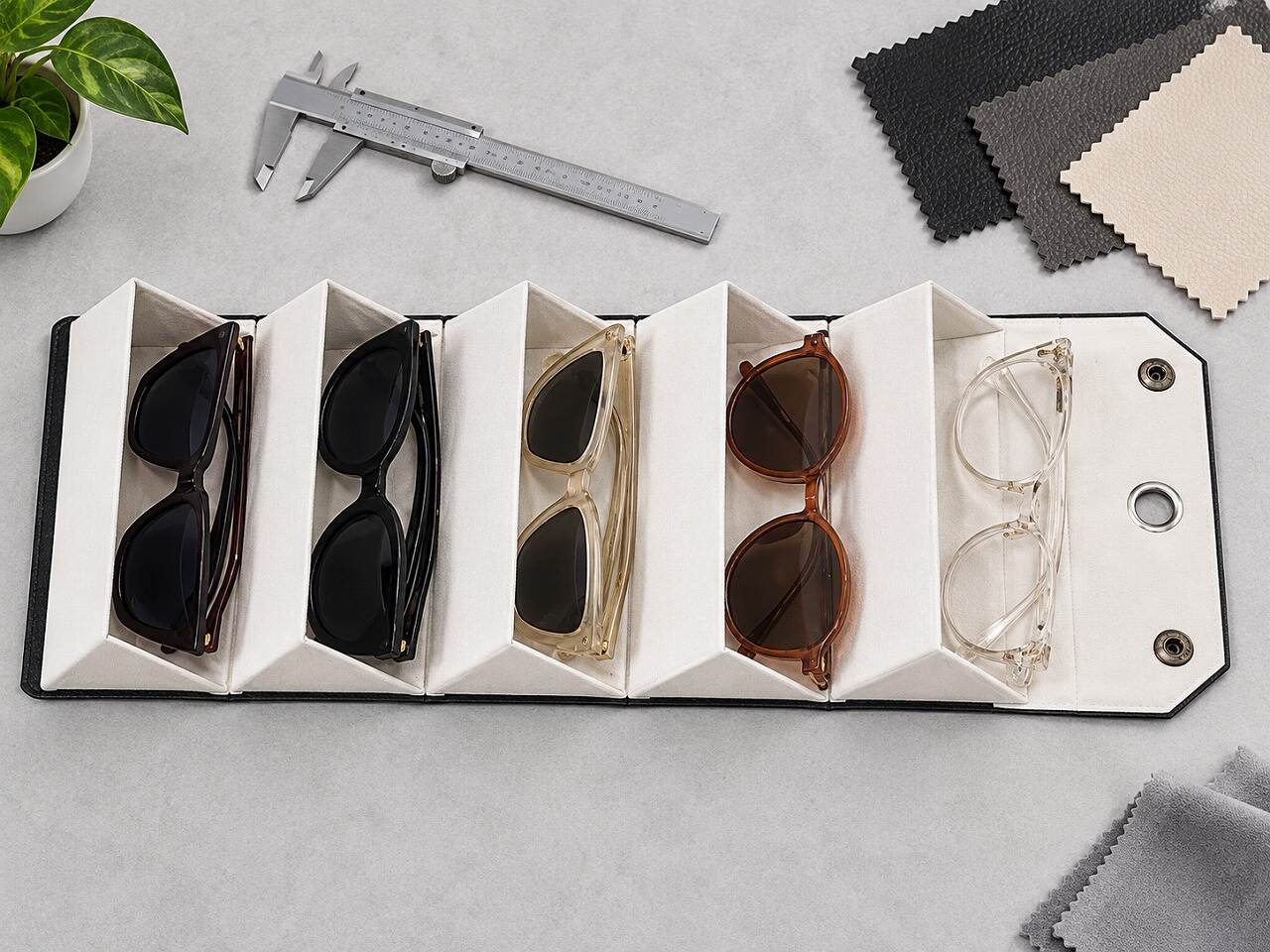
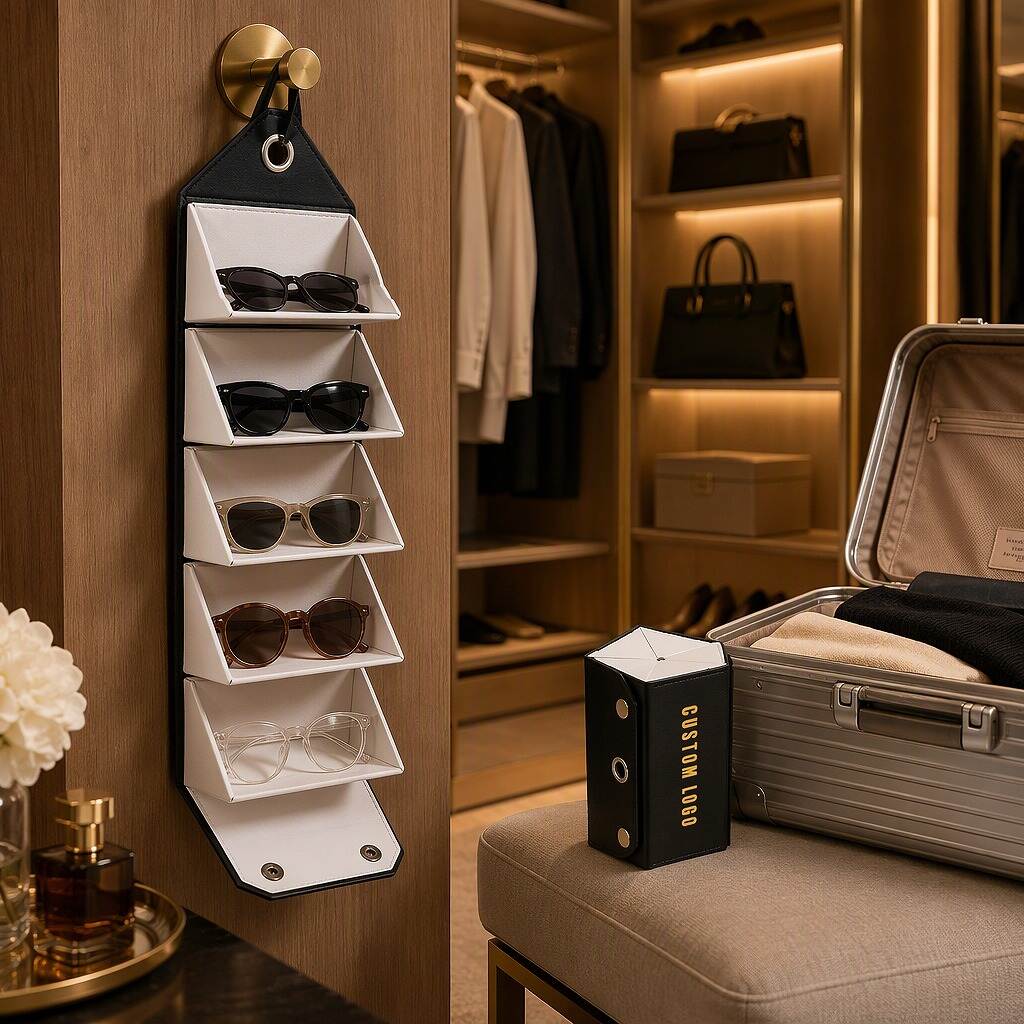
This product is designed for people or programs that need several frames organized in one compact unit. When fully opened, five triangular positions display and separate sunglasses, prescription glasses, reading glasses or blue-light frames. When folded, the connected panels form a compact pentagonal organizer secured by the specified snap arrangement.
For eyewear brands, optical retailers, promotional-gift distributors and travel-accessory buyers, the commercial value is the combination of storage capacity and presentation. One branded organizer can support a multi-frame collection, loyalty gift, premium accessory bundle or retail upsell without requiring five separate cases.
Keeps five eyewear options together in luggage while reducing frame-to-frame contact inside the organizer.
Opens into a visible selection row and folds away when the collection is not being used.
Provides a reusable logo-bearing accessory for eyewear launches, memberships and corporate gift programs.
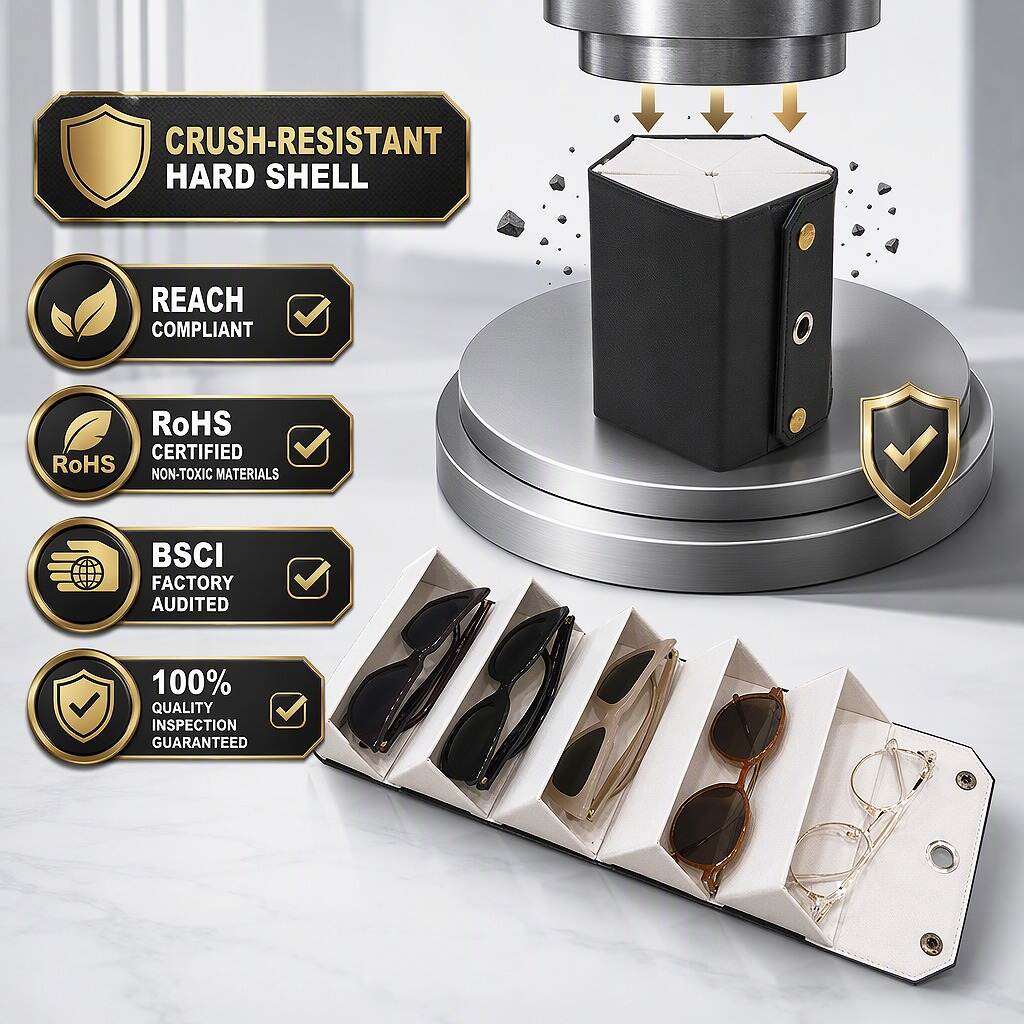
Separated compartments can reduce direct contact between frames, but the organizer should not be described as crushproof, waterproof or suitable for checked-luggage impact unless that exact construction has been tested to an agreed method. If heavy transport protection is required, specify a suitable outer case or shipping package.
The organizer is built as a connected sequence rather than five independent boxes. Angled divider walls create individual frame positions. Flexible hinge areas between panels allow the strip to fold back on itself, while the end flap, snaps and eyelet complete the closed configuration. Because the components interact, divider geometry, panel stiffness and hinge flexibility must be developed as one system.
| Component | Function | What the buyer should approve |
|---|---|---|
| Five triangular compartments | Separate and display five frames | Slot width, divider height, lens clearance and removal access |
| Flexible hinge zones | Allow repeated accordion folding | Fold sequence, resistance, surface cracking and lining bunching |
| Pentagonal closed form | Consolidates the five positions for storage | Closed alignment, stability and opening force |
| Snap and eyelet hardware | Secure closure and support hanging or handling configuration | Finish, placement, pull strength, edge smoothness and corrosion expectation |
“Fits sunglasses” is not a controlled dimension. Oversized fashion frames, wraparound sunglasses, thick temples and slim optical frames occupy different envelopes. A production-ready specification should be based on physical samples or controlled drawings for the largest intended frame, not an average online size.
Maximum front width and lens height
Folded temple thickness and hinge projection
Bridge and nose-pad projection
Frame weight and surface sensitivity
Mix of optical, fashion and wraparound styles
Divider-to-divider usable width
Temple and lens clearance while folded
Contact with snaps, eyelet or exposed edges
Ease of loading and removing each pair
Closed alignment with all five positions loaded
Use the largest intended frames in the structural sample and also test a mixed set. Five slim optical frames may close differently from five thick sunglasses. If the program includes unusually curved or shield-style eyewear, identify it during quotation so divider angle and closed volume can be reviewed before tooling.
The visible PU color is only one part of the construction. Surface material, backing, internal reinforcement, lining, adhesive, stitching and metal components influence appearance, folding behavior and service life. Buyers should approve a complete material set rather than selecting an exterior swatch in isolation.
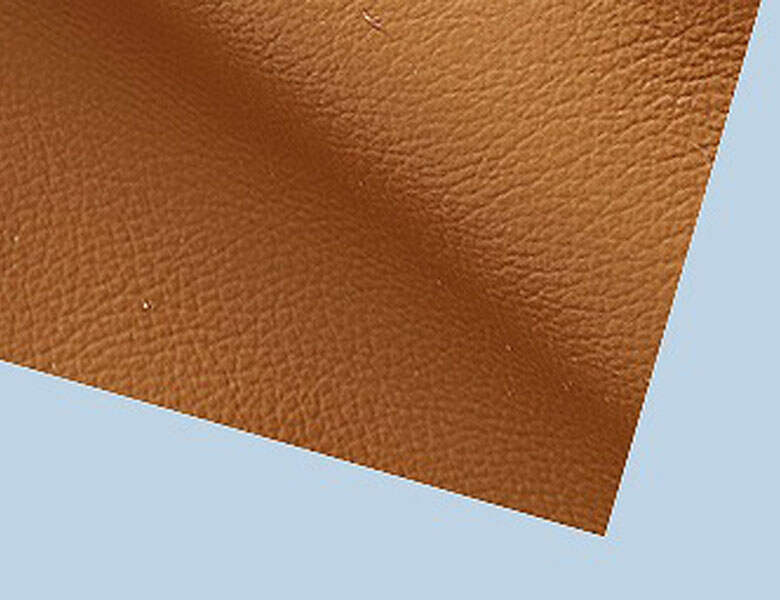
Specify color target, grain, gloss level, touch, thickness range and any required material documentation for the destination market.
Select color, hand feel and construction appropriate for contact with frames and lenses; verify lint, rub and color-transfer expectations on the approved sample.
Balance panel stiffness with flexible fold areas so the organizer holds its shape without becoming difficult to close.
Confirm diameter, plating color, placement, mating alignment, smooth edges and pull requirement before mass production.
Branding should be selected after the exterior material and fold pattern are confirmed. A logo that looks correct on a flat drawing can move too close to a seam, snap or fold after assembly. Provide vector artwork and identify the preferred logo position on both the open and closed organizer.
| Branding option | Visual result | Approval point |
|---|---|---|
| Debossatura | Recessed, understated mark | Depth and clarity on the selected PU grain |
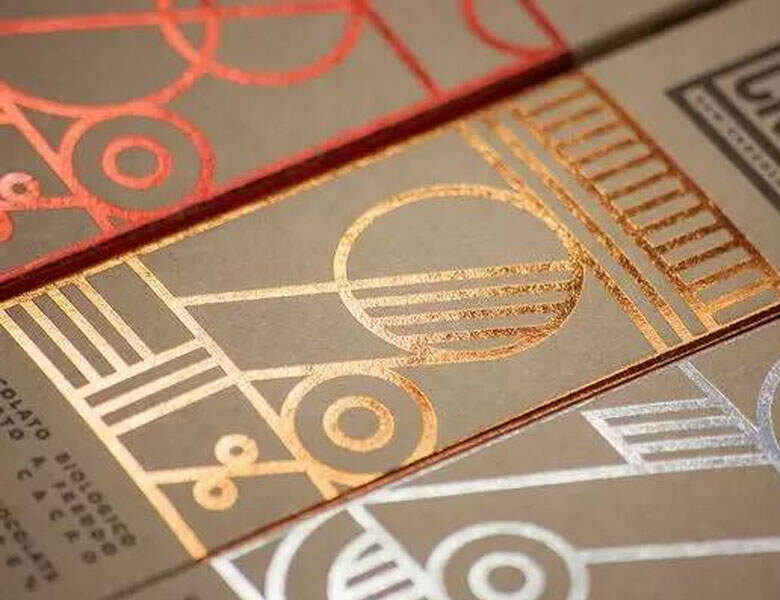
| Timbratura della lamina | Metallic or colored logo accent | Foil adhesion, fine-line fill and resistance near fold zones |
| Screen or transfer print | Solid-color or multi-color graphic | Ink compatibility, opacity and rub requirement |
| Metal badge | Dimensional premium identifier | Attachment method, weight, edge smoothness and frame clearance |
Other project variables can include exterior and lining colors, contrast stitching, hardware plating, compartment dimensions, hanging configuration, accessory pouch, instruction card and retail box. Availability and suitability should be confirmed against order quantity, destination and the approved sample.
The same organizer operates in three states: fully open for selection, partially folded during handling and fully closed for storage. Sample approval should cover all three states with five frames loaded. Check whether the organizer rests securely when open, whether frames remain separated during folding, and whether the snaps align without excessive force when closed.
Check visibility, divider stability, loading access and whether the end flap lies flat.
Check hinge behavior, frame clearance, lining movement and resistance through the folding sequence.
Check snap alignment, closed shape, surface contact, stability and practical opening force.
A digital rendering can confirm general appearance, but it cannot prove frame fit, fold behavior, odor, lining transfer, snap function or logo performance. Use physical samples in stages and state what each stage must demonstrate. GPLPAK's Campionamento di sviluppoedesign validation resources explain how a project can move from structure review to production approval.
Load five representative frames and approve usable space, divider geometry, folding sequence, closed alignment and hardware location.
Sign off PU, lining, reinforcement, stitching, hardware finish, logo artwork, color reference and retail packing.
Define measurement points, workmanship limits, color and logo references, snap function, fold test, cleanliness and packaging requirements.
| Inspection area | Typical checks | Reference |
|---|---|---|
| Dimensions and capacity | Five usable positions, compartment width, divider height and closed form | Signed drawing and approved frame set |
| Aspetto | PU grain, color, marks, wrinkles, stitching and adhesive residue | Approved sample and boundary sample if used |
| Logo | Position, size, clarity, foil or ink adhesion and alignment when closed | Artwork and decorated sample |
| Function | Repeated folding, snap engagement, eyelet security and loaded closure | Written test method and acceptance level |
MOQ, unit price and production time are project-specific. They depend on organizer dimensions, PU and lining availability, reinforcement construction, stitching, hardware, logo process, retail packing, color count, order quantity and inspection requirements. A stock-looking organizer can still require custom dies, logo tooling, color matching or hardware sourcing.
New dimensions, custom PU color, specialty hardware, metal badge, multiple artwork versions and special retail packaging.
Physical frames, target dimensions, Pantone reference, vector logo, quantity levels, packing method and destination.
For a meaningful comparison, request quotations against the same controlled specification and at two or more quantity levels. Separate recurring unit cost from one-time tooling, logo dies, sampling or special testing where applicable. Do not compare suppliers using only a photograph and a target price.
Five representative frames or controlled drawings
Required open and closed dimensions, if fixed
PU, lining, stitching and hardware preferences
Vector logo and preferred branding method
Order quantity and forecast by color or artwork
Retail packing, destination and required documentation
Proposed construction and material description
Sample type, cost and approval sequence
MOQ and pricing at agreed quantity levels
One-time tooling or logo-die charges
Production timing after final approval
Packing method, inspection basis and shipping terms
If your frame range or project requirements are still being defined, begin with a product development review. The goal is to convert a visual reference into a controlled five-position organizer specification before pricing and mass production.
Send your eyewear samples or dimensions, target PU and lining, logo artwork, quantity and destination. GPLPAK can review fit, construction, customization and sampling requirements for a project-specific proposal.
Custom product specifications, MOQ, pricing and production timing are confirmed per project.




I colori di processo sono basati sul sistema di stampa CMYK, utilizzando puntini a strati di ciano, magenta, giallo e nero a densità diverse per riprodurre una gamma completa di colori e gradienti lisci.
Nella produzione di imballaggi, la stampa CMYK viene realizzata attraverso torri di stampa separate, con ciascuna torre dedicata a un colore. Insieme, le quattro torri lavorano in sequenza per costruire con precisione l'immagine finale e l'output a colori.

I colori spot utilizzano inchiostri pre-miscelati che vengono stampati direttamente, richiedendo solo una singola torre di stampa. Poiché il colore è predeterminato, garantisce risultati coerenti in diverse macchine, fornitori e serie di produzione.
A differenza dei colori di processo, i colori spot appaiono uniformi anche sotto un'ispezione attenta, senza modelli di punti CMYK visibili, fornendo una riproduzione del colore più pulita e precisa.









Una piattaforma unica per ottenere preventivi e effettuare ordini, con
Sostenere ogni passo della strada.
Vai alla piattaforma gplpak per personalizzare le dimensioni, i materiali, la stampa e le finiture delle tue scatole rigide.
Confronta le offerte di imballaggio e ottieni un campione della tua scatola rigida prima di iniziare un ordine di produzione.
Scegli un metodo di spedizione preferito e persino imposta spedizioni divise per ottenere alcuni imballaggi consegnati più velocemente.
Aggiungi le tue opere al modello di dieline che facciamo su misura per le tue specifiche della scatola.
Ottieni una completa visibilità sul progresso dei campioni, della produzione e della spedizione.
Discover premium packaging solutions from Dongguan Xinglan Packaging Products Co., Ltd. Specializing in innovative, durable, and custom packaging products for diverse industries.
GPLPAK è impegnata a offrire eccellenza nella produzione.