
 EN
EN  EN
EN  RU
RU  ES
ES  KO
KO  JA
JA  PT
PT  IT
IT  DE
DE  FR
FR  NL
NL Quick Links
A practical guide to sourcing packaging boxes that protect your product and elevate your brand—while keeping total costs predictable. Learn what “cost-effective” really means, how to compare suppliers, and when to shortlist GPLPAK for scalable, premium packaging.
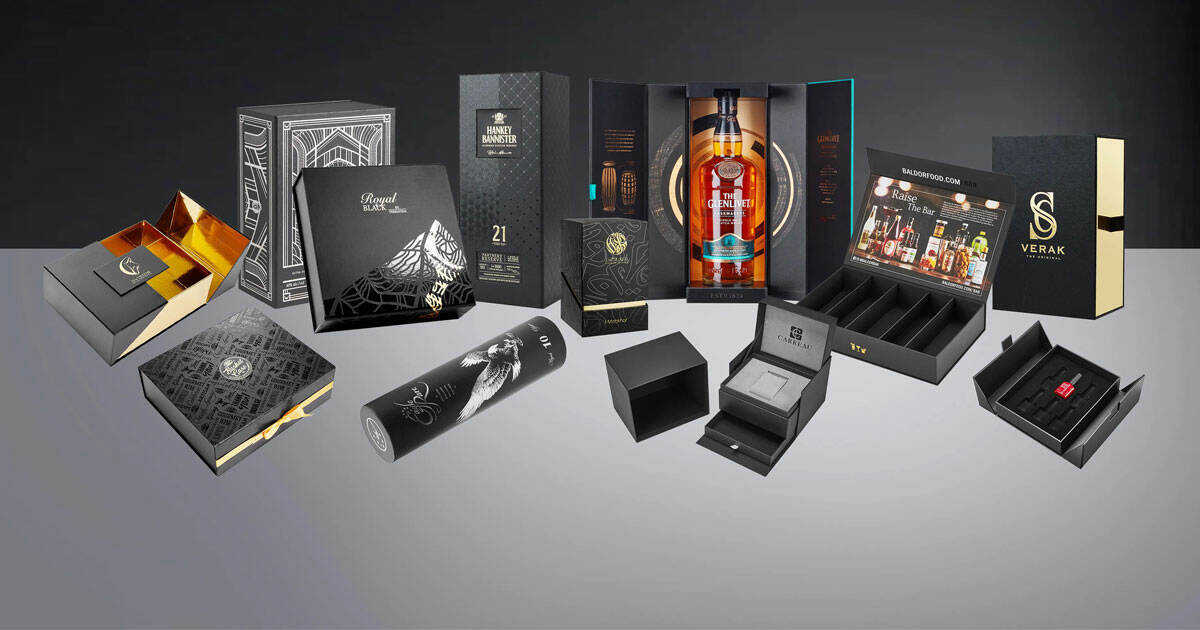
If you’re a startup, the “cheapest” quote is not always the best deal. The most cost-effective packaging supplier is the one that delivers the best total landed value for your stage—balancing unit cost, launch speed, reliability, and reorder stability.
Unit price: the printed box cost at your chosen quantity.
Inventory risk: buying too many boxes tie up cash and space before you prove product demand.
Speed to market: lead times that delay a product launch are expensive.
Production reliability: consistent color and structural strength prevent customer returns and scuffed products.
When comparing box suppliers, look beyond the quote to find these silent budget killers:
Die-cutting & Tooling: Custom shapes require dielines. Ask if a supplier has standard sizes to save you $200–$500 in tooling costs.
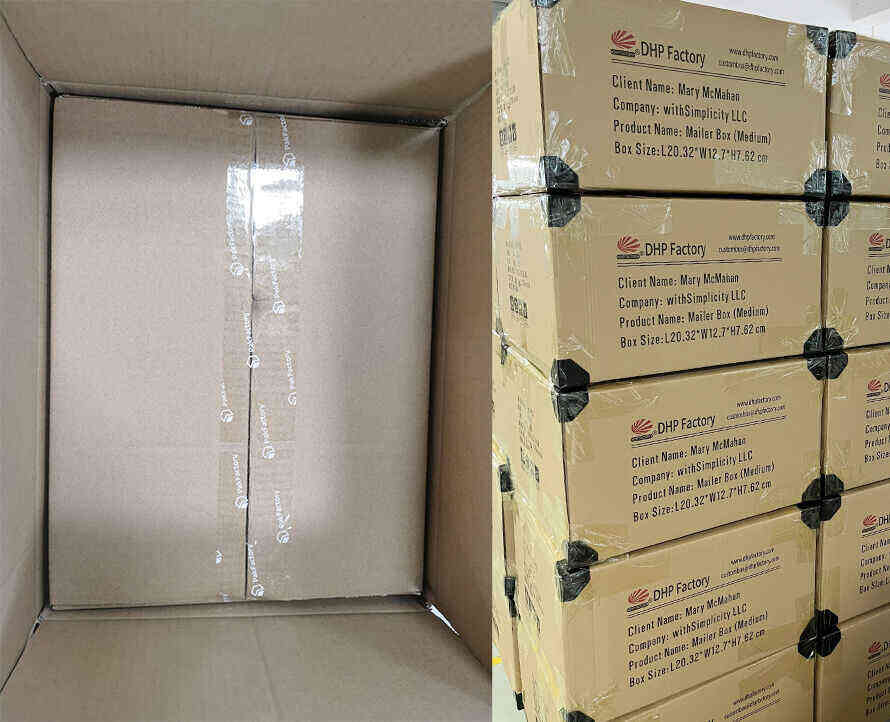
Shipping & Logistics: Boxes are bulky. If your supplier is far away, the shipping cost could be 30% of the total order. GPLPAK optimizes box designs to ship flat whenever possible.
Rejection rates: A cheaper supplier with a 5% scuff/damage rate on luxury finishes is more expensive than a premium supplier with 0% defects.
“Cost-effective” depends on whether you need speed, ultra-low MOQ, sustainability, local support, or scale pricing. Use these five paths to quickly identify your best-fit supplier type.
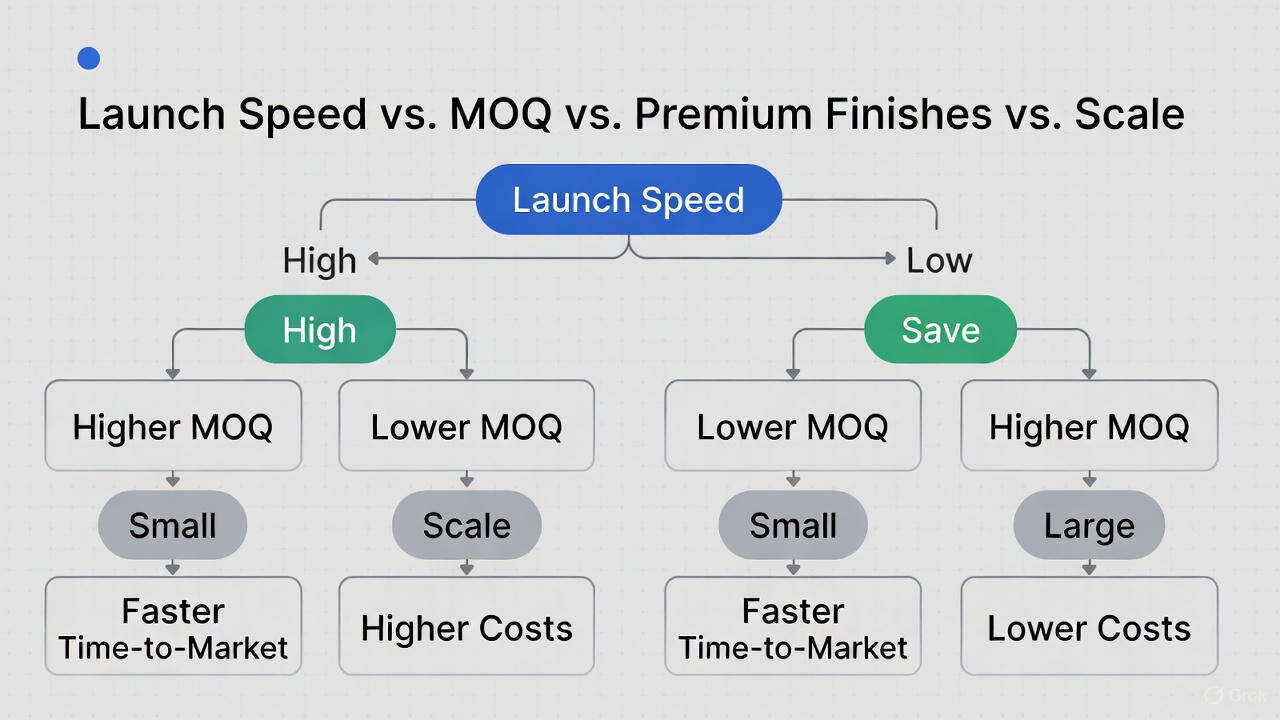
Best for early launches when you need pricing quickly and want a straightforward ordering experience. This can be cost-effective because it reduces coordination time and speeds up approvals.
Best for: simple mailer boxes, shipping boxes, straightforward custom printing.
Great for pre-orders, influencer campaigns, and early SKU testing. You may pay more per unit, but you reduce the risk of packaging becoming obsolete if you pivot.
Best for: small test batches, seasonal runs, frequent artwork changes.
A strong fit when eco positioning is part of your brand promise. It can be cost-effective if it improves conversion, retention, or PR—while still meeting protection needs.
Best for: brands emphasizing recycled materials, plastic-free shipping, responsible sourcing.
Often underrated for early-stage brands. Local suppliers can be cost-effective when you need quick turnarounds, smaller repeat orders, or hands-on coordination.
Best for: rapid replenishment cycles, small reorders, tight launch deadlines.
Once your sales stabilize, this path can deliver better unit economics, stronger engineering support, and more consistent results—especially for premium folding cartons and rigid boxes.
Best for: 1,000–50,000+ units, premium finishes, custom inserts, consistent brand execution.
Compare suppliers using the same framework every time. This prevents “quote shopping” mistakes and helps you see the real cost.
| Category | What to Ask | Why It Matters | Startup-Pro Tip |
|---|---|---|---|
| MOQ & breaks | MOQ per size/SKU? Price at 300/1,000/3,000? | Decides whether you can launch without overbuying. | Optimize flexibility first, then negotiate cost-down at scale. |
| Sampling | Digital proof vs physical sample? Lead time? Revision rules? | Sampling prevents expensive reprints and delays. | For premium brands, budget at least one physical sample. |
| Materials | Paper type, thickness, corrugation options, liners? | Controls protection and perceived quality. | Ask for recommendations based on product weight and channel. |
| Print/finish | Color control, rub resistance, adhesion, scratch risk? | Protects brand consistency across reorders. | Choose one hero finish; keep the rest clean and consistent. |
| Logistics | Carton packing, palletization, shipping options? | Freight & damage are hidden cost multipliers. | Confirm protection expectations (drop, compression) for e-commerce. |
| Reorder stability | How do you match color and finishes across batches? | Consistency matters once you scale ads and retail. | Keep a “golden sample” for every reorder approval. |
GPLPAK is most cost-effective for startups that have moved past the “test mode” and need professional-grade packaging that protects their margins.
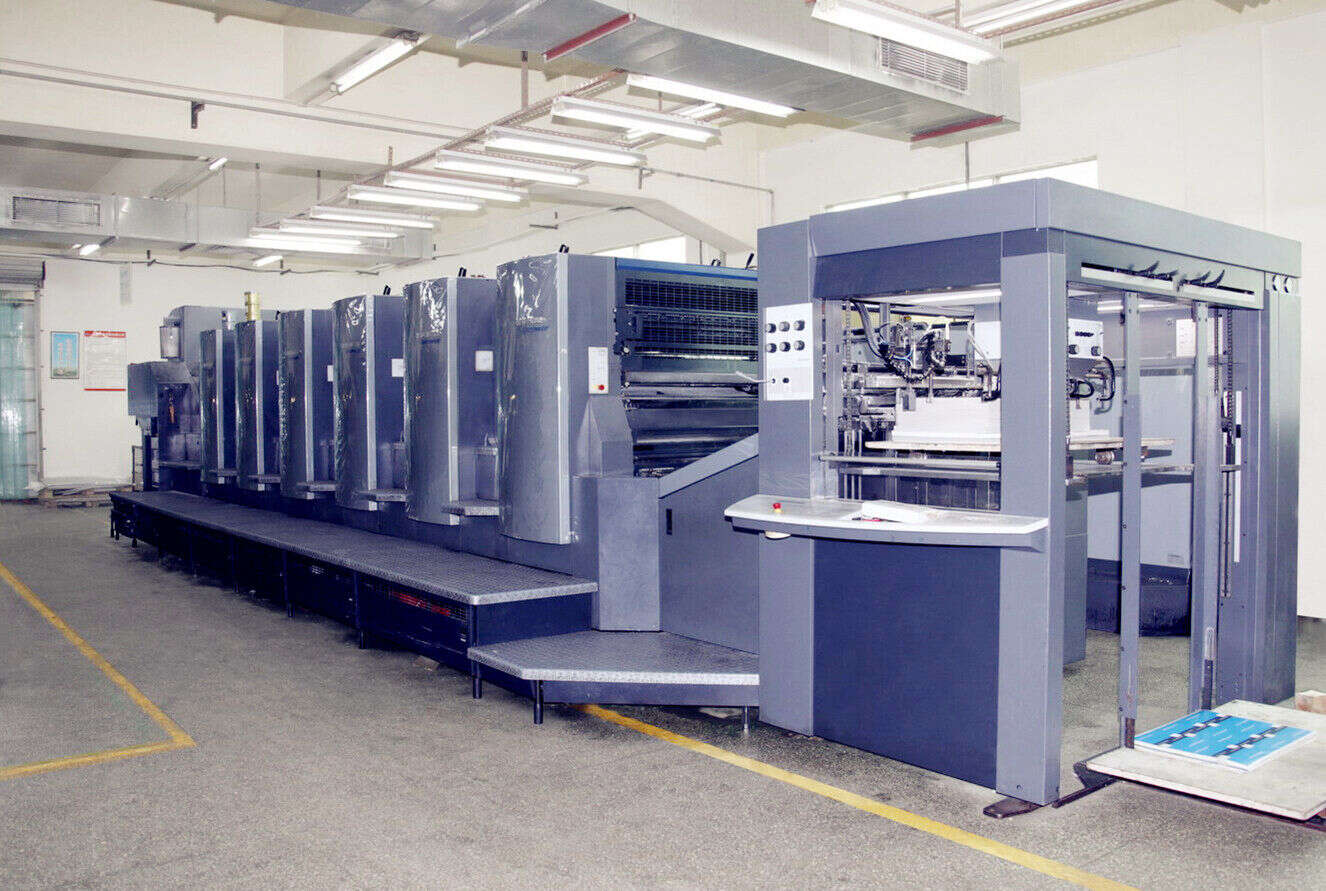
Structural Validation: We review your product weight and fragility to recommend the correct board thickness—preventing damage costs.
Finish Engineering: We know which foils and coatings perform better at scale, reducing rejected units.
B2B Logistics: We handle international logistics (DDP/DAP) and optimize box geometry to reduce shipping volume.
Use this to speed up accurate quoting and reduce back-and-forth.
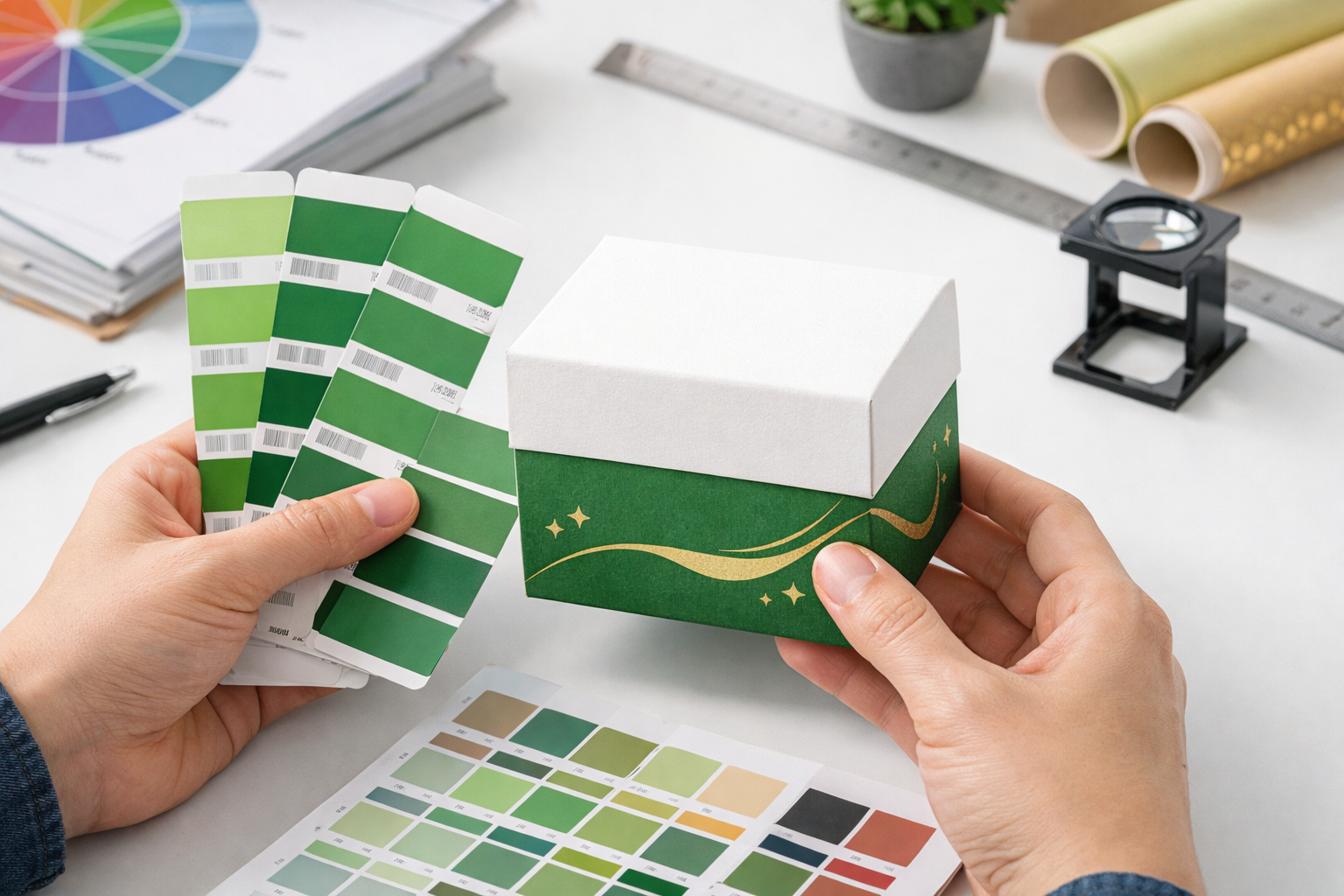
Step 1: Approve dieline and digital proof to prevent layout/structure errors.
Step 2: Request a physical sample for fit, feel, and protection if the product is premium or fragile.
Step 3: Keep a “golden sample” and spec sheet for future reorders.
Step 4: When scaling, define acceptance standards (color tolerance, rub resistance, adhesion).
 Talk to GPLPAK
For most startups, mailer boxes and folding cartons are the best starting point because they balance cost, protection, and branding. Rigid boxes are excellent for premium positioning, but they require a more deliberate budget and planning.
Low MOQ can be the most cost-effective choice early on because it reduces inventory risk. However, per-unit pricing is often higher. The right decision depends on your cashflow, sales predictability, and how often your design may change.
Use a clean structure, select a solid material spec, and invest in one high-impact brand detail. Great spacing, strong typography, and consistent color often look more expensive than “too many” effects.
When you need more consistent results across reorders, better value at higher quantities, premium finishing options, or engineered inserts that reduce damage and returns—especially as you move from test mode to scale mode.
 Hot News
2026-10-07
2026-09-30
2026-09-23
2026-09-22
2026-09-21
2026-09-18
2026-09-17
2026-09-17
2026-09-16
2026-09-09
Discover premium packaging solutions from Dongguan Xinglan Packaging Products Co., Ltd. Specializing in innovative, durable, and custom packaging products for diverse industries.
GPLPAK is committed to delivering manufacturing excellence.

.jpg)