
 EN
EN  EN
EN  RU
RU  ES
ES  KO
KO  JA
JA  PT
PT  IT
IT  DE
DE  FR
FR  NL
NL Snelle links
Het geheim achter de innerlijke, productieve en buitenste dimensies
Wanneer je een koerierpakket opent, heb je je ooit afgevraagd hoeveel precieze techniek zich verbergt in die schijnbaar gewone kartonnen doos?
In de wereld van verpakkingsdozen op maat draait ontwerp niet alleen om het uiterlijk - het is een spel van millimeters.
Een verpakkingsdoos heeft drie belangrijke identiteiten: innerlijke afmetingen, productie afmetingen en buitenafmetingen. Net als Russische nestpoppen sluiten deze metingen perfect elkaar aan en vormen ze een gouden driehoek die producten beschermt, de logistieke kosten verlaagt en duurzame verzending ondersteunt.
I. De “driedimensionale code” van een verpakkingsdoos
1. Binnenste Afmetingen - De Beschermende Shell van het Product
Definitie: De interne afmetingen zijn de exacte interne ruimte waar uw product zit.
For
a perfect fit, box designers add a buffer allowance—usually 5–10 mm—to
the product’s actual size. Fragile items may need up to 15 mm for
shockproof padding.
Think of it as a tailor-made suit for your product—snug, safe, and designed to absorb impact.
Example: A mug measuring 80×80×95 mm would require an inner box dimension of 90×90×110 mm if shipped with protective foam.
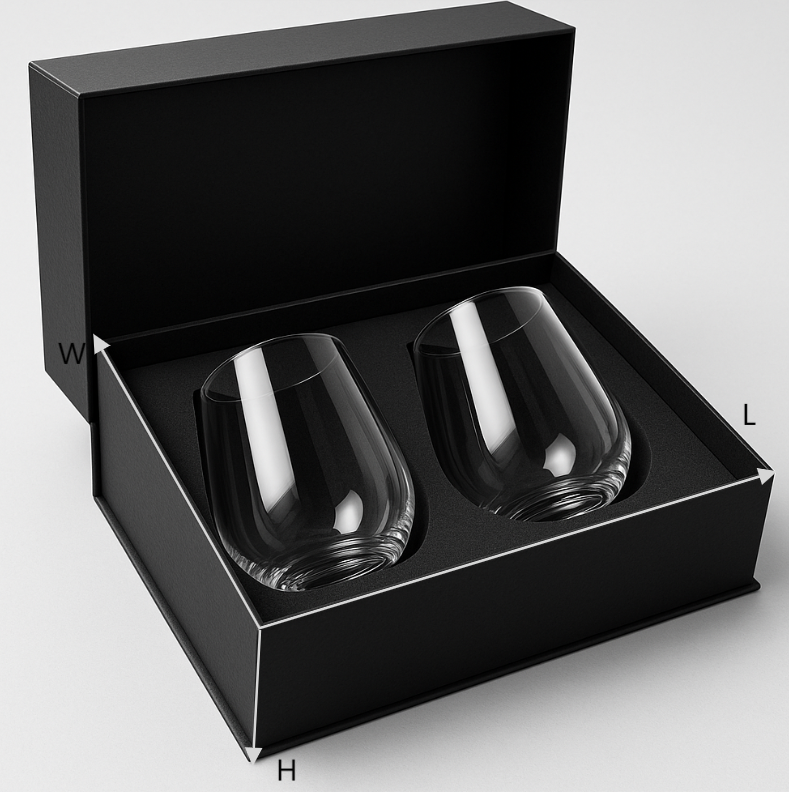
For example, if our product is a glass cup, and a box can hold 2 glass cups with an inner liner made of EVA, then the distance between the two cups should be at least 5mm. The distance between the box's edges and the cups must be greater than 5mm. Therefore, the size of the cups plus the size of the distance between them equals the inner size of the box.
2. Manufacturing Dimensions — The Blueprint for Box Production
Definition:
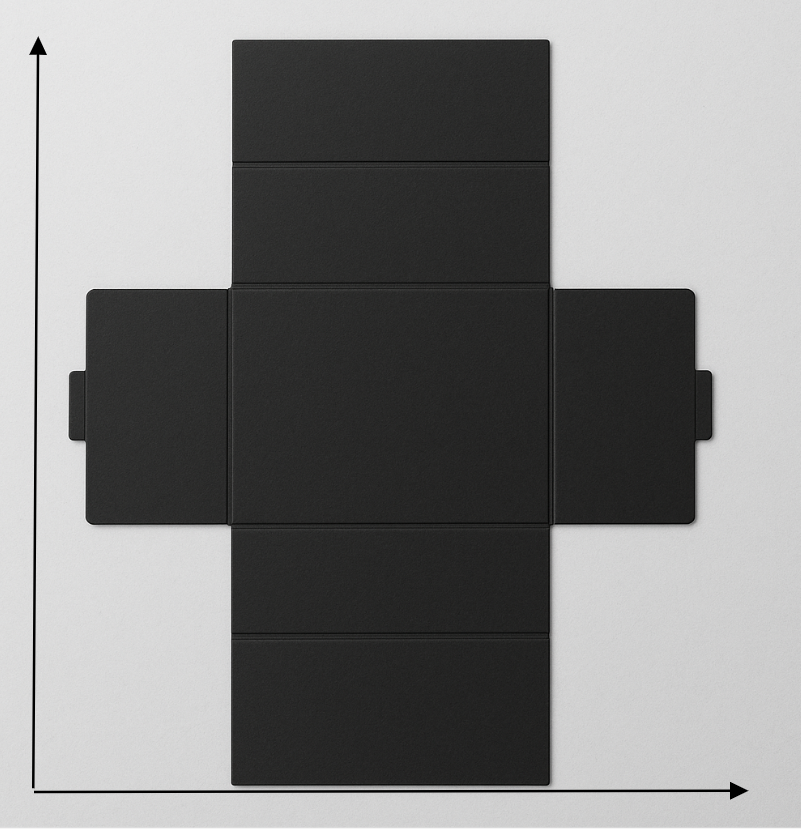
Also called die-cut size or flat size, these are the dimensions marked
on the structural design drawing when the box is unfolded.
Why it matters: Material thickness affects how the box folds. For example:
Single-wall corrugated cardboard ≈ 3 mm thick
Double-wall corrugated cardboard ≈ 6 mm thick
Designers add half the material thickness per fold to ensure a precise final fit.
It’s like tailoring a shirt—you need extra fabric allowance before stitching.
3. Outer Dimensions — The Passport for Shipping
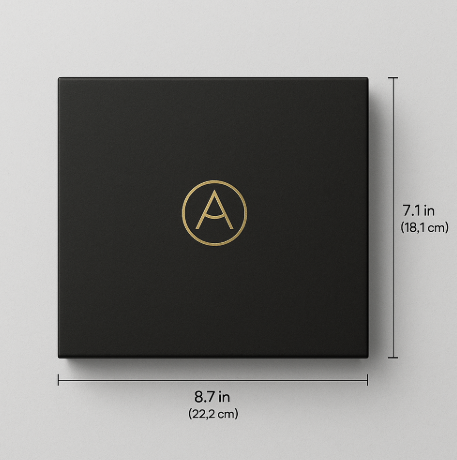
Definition: The outer dimensions are the full outside measurements after the box is assembled.
They include the cardboard thickness plus any external packaging like sealing tape or strapping.
Why it matters: In international freight, outer dimensions determine container load efficiency. Even a 1 cm miscalculation can lead to wasted space—or worse, a container that can’t be fully loaded.
II. Quick Reference — Three Types of Box Sizes
Dimension Type What It Means Keyword-Friendly Summary
Inner Dimensions Product space + buffer allowance How much it can hold
Outer Dimensions Space the package takes up during shipping How much space it uses
Manufacturing Dimensions Flat, unfolded size for cutting & production Blueprint size
Why This Matters for Aangepaste grootte Packaging Boxes
Perfect Fit = Lower Shipping Costs
No wasted space means fewer filler materials and better container utilization.
Better Product Protection
Optimized buffers reduce breakage and returns.
Professional Branding
Tailored dimensions create a premium unboxing experience.
For eCommerce brands, understanding these three measurements helps balance cost, safety, and sustainability—all while ensuring your custom size packaging works as hard as your product does.
CTA for a Standalone Store / Google Promotion Page:
? Need a perfect fit for your product?
We
design and produce custom size packaging boxes to match your exact
requirements—whether you need tight-fitting mailers, reinforced shipping
cartons, or premium gift boxes.
✅ Low MOQ
✅ Fast production
✅ Eco-friendly options available
[Get a Free Custom Box Quote →]sales@gplpak.com
 Populair nieuws
2026-09-30
2026-09-23
2026-09-22
2026-09-21
2026-09-18
2026-09-17
2026-09-17
2026-09-16
2026-09-09
2026-08-31
Discover premium packaging solutions from Dongguan Xinglan Packaging Products Co., Ltd. Specializing in innovative, durable, and custom packaging products for diverse industries.
GPLPAK zet zich in voor uitmuntendheid in productie.






.jpg)