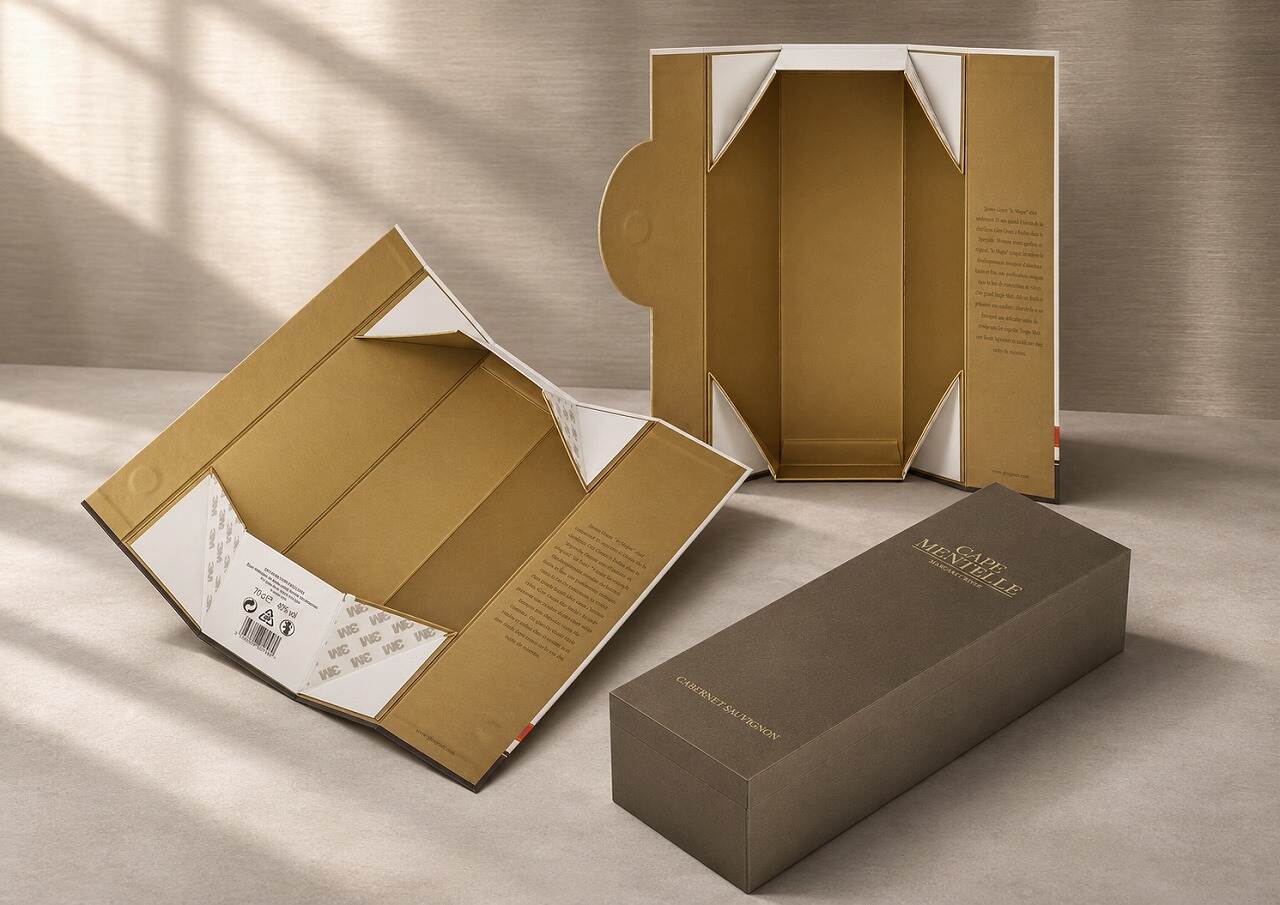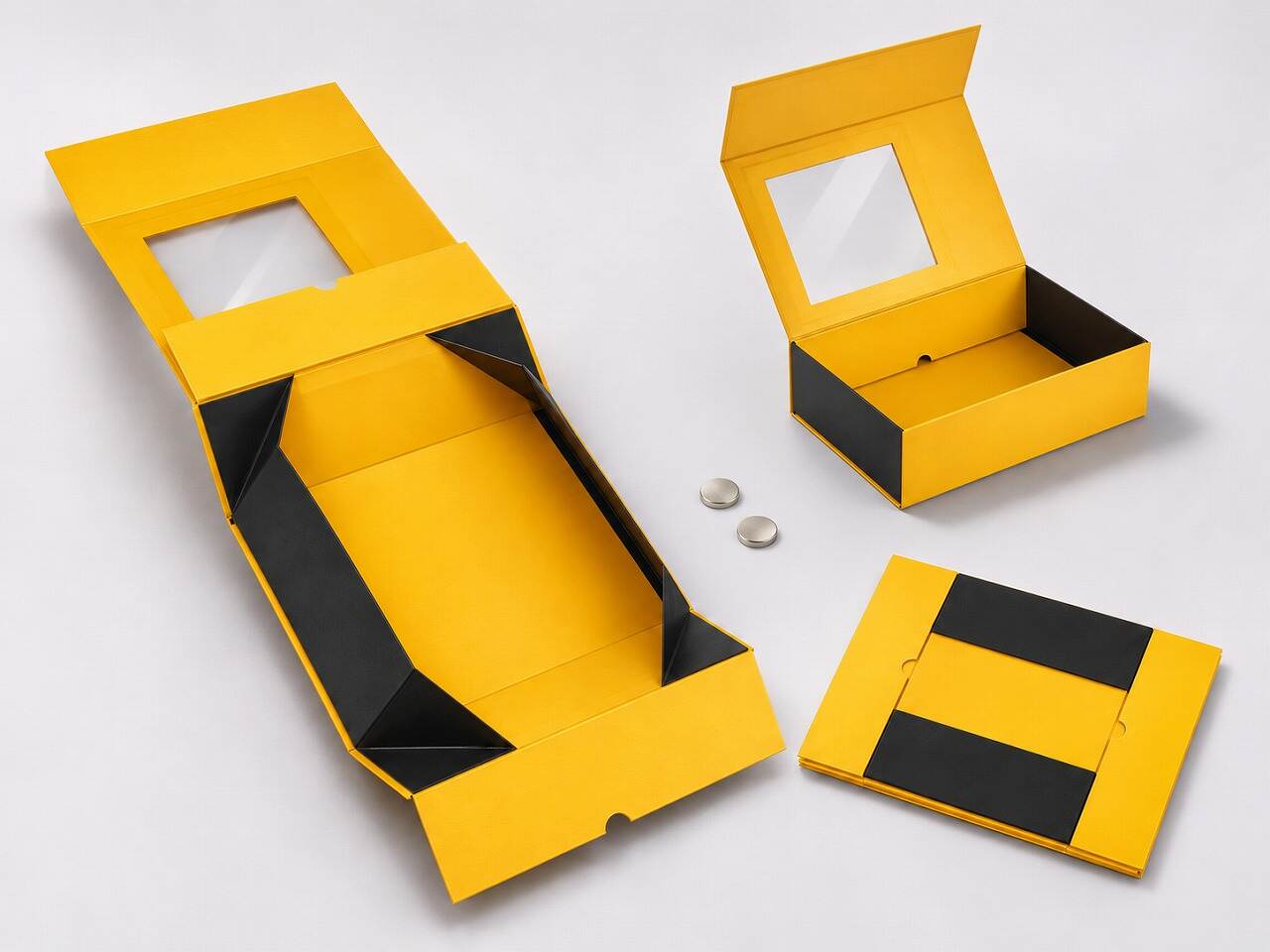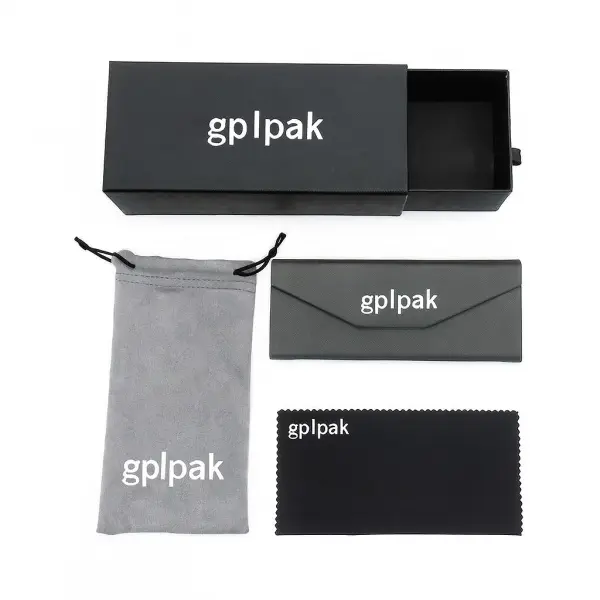
In brief: a custom collapsible rigid box is a paper-wrapped rigid-board presentation box engineered to travel and store flat, then erect into a stable box before the product is packed. Unlike a conventional set-up box, its walls are connected by designed fold zones and corner-retention features. Unlike a folding carton, it uses separate rigid-board panels rather than one thin printed sheet. The format is useful when a brand needs premium presentation but wants to reduce the empty volume occupied before pack-out.
The name describes a family of structures, not one universal dieline. A book-style magnetic box, a deep hamper box and a shallow apparel box can all be collapsible, yet use different hinges, corner locks, board builds and inserts. Buyers therefore need to specify how the box works in both states: flat for inbound logistics and fully erected for product presentation.
This guide explains the construction from a packaging buyer's perspective. It also separates claims that can be judged from a sample from those that require project-specific testing, so a visually attractive prototype is not mistaken for a validated shipping solution.
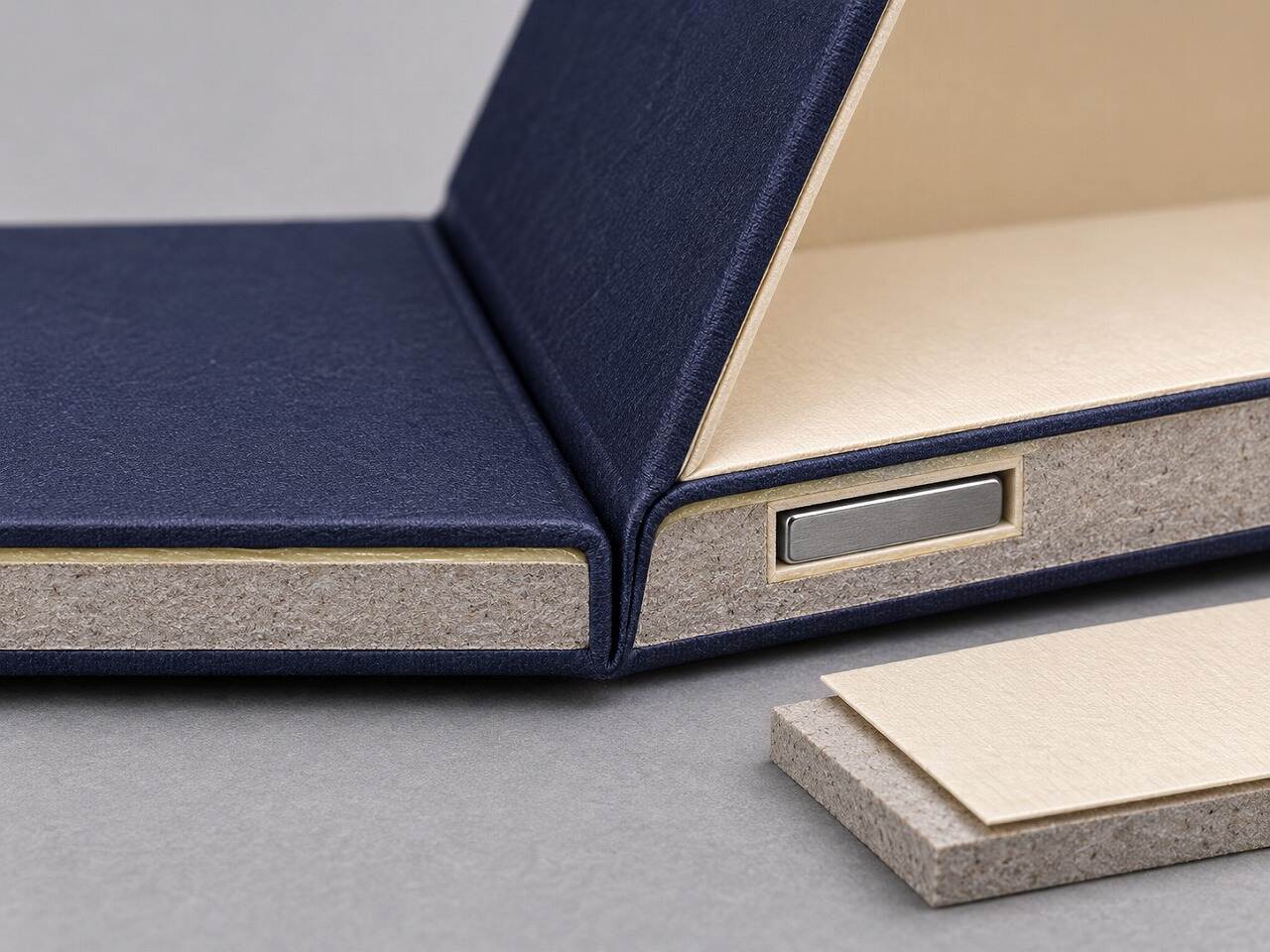
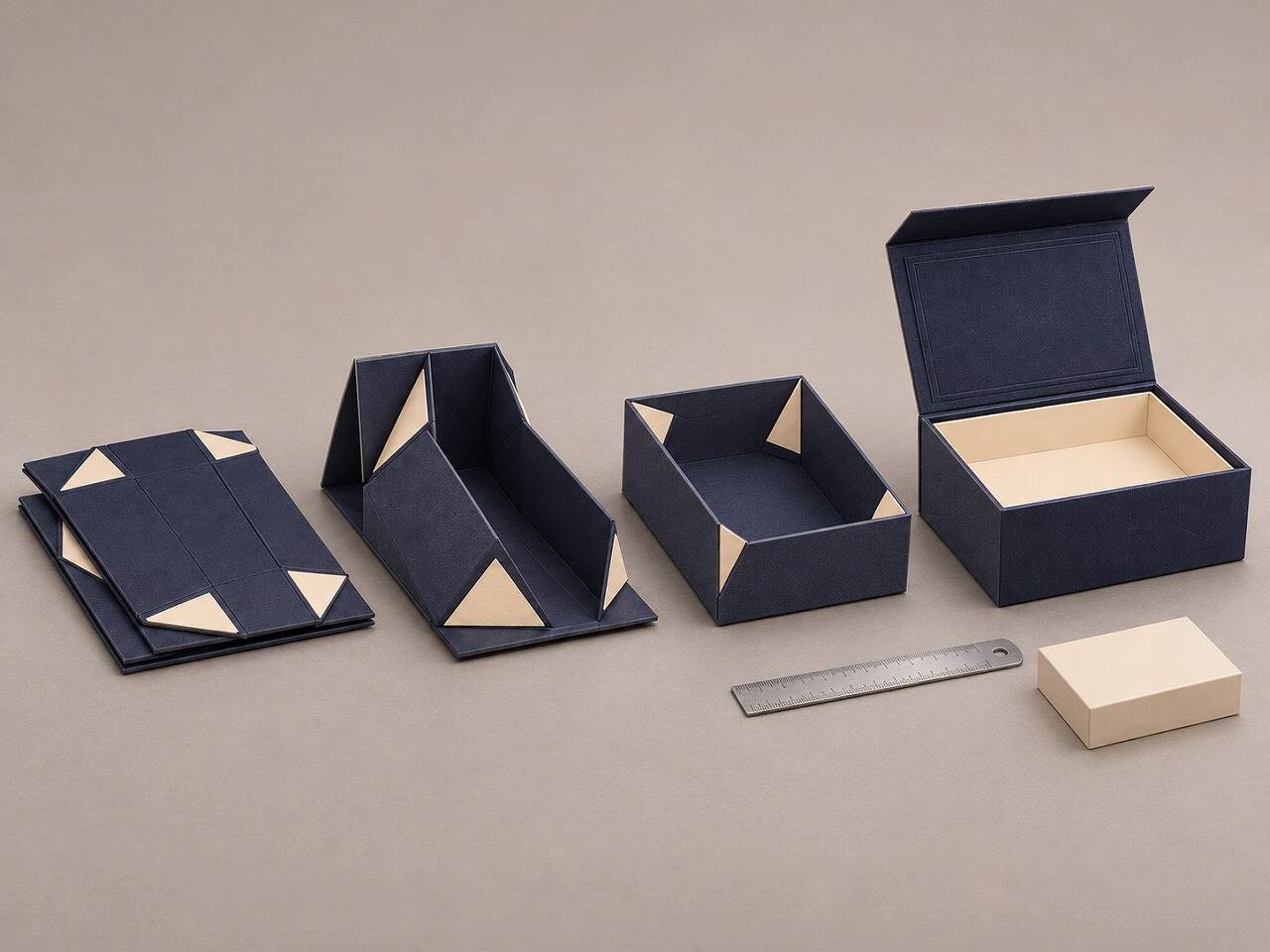
A rigid box becomes collapsible when its rigid-board panels are mounted to a flexible paper wrap with engineered gaps between selected panels. Those gaps act as hinges. The walls lie flat during transport, then rotate upward during pack-out. Corner-retention parts—such as folded gussets, locking tabs, adhesive areas or concealed magnetic points—hold the erected walls square.
The finished box can look similar to a conventional rigid box, but the internal engineering is different. A traditional set-up box is formed and glued at the factory and remains three-dimensional. A collapsible design transfers the final erection step to the brand, fulfillment center, retailer or customer. That transfer is the main commercial trade-off: lower empty-box cube in exchange for an assembly step and more demanding hinge and corner control.
Buyer distinction: collapsible does not mean flexible after assembly. The erected box should hold the intended geometry during normal presentation and pack-out, but its load capacity and distribution performance still depend on the board build, corner system, insert, outer shipper and verified test plan.
The format is commonly evaluated for premium gift sets, cosmetics, apparel, jewelry, accessories, subscription kits and corporate gifting. It is less suitable when the pack-out team cannot add an erection step, when the product needs a certified or qualified protective system, or when a simple folding carton already meets presentation and protection requirements.
| Project condition | Why a collapsible rigid box may fit | What to verify before selecting it |
|---|---|---|
| High empty-box freight or storage cube | The walls and lid travel as a flat structure rather than a formed shell | Flat stack height, master-carton count, pallet pattern and the same data for the alternative box |
| Premium unboxing is commercially important | Rigid panels, wrapped surfaces and a hinged lid can create a substantial presentation | Lid alignment, corner gaps, closure feel, insert fit and appearance after repeated handling |
| Pack-out can absorb an assembly step | The final forming operation can occur close to product loading | Timed assembly trial, operator instruction, fixtures, work space and quality check |
| The box must also protect through distribution | It can form one part of a tested packed system | Product restraint, cushioning, outer shipper and route-specific test objective; do not rely on appearance |
A useful specification separates the box into functional zones. Each zone answers a different design question and has a different failure mode.
The flat blank, hinge gaps, corner gussets, closure components and insert must be developed as one system.
| Zone | Primary job | What the buyer should approve | Typical failure |
|---|---|---|---|
| Base panel | Supports the loaded product and locates the walls | Internal footprint, flatness and insert relationship | Bowing or insufficient support |
| Wall panels | Provide the erected depth and presentation geometry | Board build, squareness and surface finish | Walls lean, twist or spring inward |
| Hinge gaps | Allow rigid panels to rotate without colliding | Gap, score, wrap grain and fold direction | Cracking, delamination or stiff erection |
| Corner system | Locks the raised walls into a stable shape | Assembly method, retention and visible gaps | Open corners or inconsistent squareness |
| Lid and closure | Controls opening, closing and brand presentation | Alignment, closure feel and opening force | Lid step, weak closure or repelling magnets |
| 挿入 | Locates, supports and presents the product | Cavity, support points, removal and load sequence | Product movement or interference with closing |
The three formats can carry similar artwork but solve different operational problems. Comparing them by appearance alone hides the differences in manufacturing, freight cube, pack-out labor and protection.
| Format | Construction | How supplied | Pack-out implication | Best fit |
|---|---|---|---|---|
| Collapsible rigid box | Separate rigid-board panels mounted to a flexible wrap with designed hinges | Flat or partly erected | Requires erection and corner locking before loading | Premium presentation where empty cube matters |
| Conventional set-up rigid box | Rigid-board shell formed and wrapped at the factory | Fully formed | Ready to load; occupies full volume before packing | Maximum geometric repeatability and simple pack-out |
| Folding carton | One converted sheet of folding boxboard or similar paperboard | Flat | Fast erection by folds and tuck or glue features | Lower mass and cost where rigid presentation is unnecessary |
| Corrugated shipper | Fluted board between liners | Usually flat or knocked down | Built for handling and distribution, not only presentation | Transit protection and case packing |
A collapsible presentation box may still require a corrugated master carton, dividers, cushioning or an ecommerce shipper. Its rigid appearance does not prove parcel performance. The correct comparison uses the full packed system and intended route, not just the empty presentation box.
Most collapsible rigid boxes combine rigid paperboard panels, a printed or specialty paper wrap, adhesive and one or more liner materials. The precise board grade and caliper are project choices. Heavier board can increase stiffness, but it also changes hinge clearance, corner geometry, finished size, weight and erection force. A supplier should therefore propose a complete board build rather than a thickness in isolation.
The wrap bridges a controlled gap between rigid panels, creating a flexible hinge without turning the box into a folding carton.
A wrap paper that looks excellent on a flat proof may crack, whiten, delaminate or resist folding when used across a moving joint. Grain direction, score design, lamination, coating and the radius of the fold all matter. Foil, embossing and heavy coatings should be kept away from active hinge areas unless the exact combination has been sampled in the folded state.
If the project requires an FSC claim, verify the supplier's current certificate, scope and claim documentation through the FSC public certificate search. A paper sample described as recycled, sustainable or certified does not by itself establish the claim that may appear on the finished box or transaction documents.
| Material decision | Specify | Verify on sample |
|---|---|---|
| Rigid board | Grade, nominal caliper, panel layout and any reinforcement | Flatness, stiffness, finished size and hinge clearance |
| Outer wrap | Paper reference, print, coating, grain and finish | Fold behavior, rub resistance and color appearance |
| Inner liner | Color, texture, coverage and visible seams | Scuffing, bubbles, edge lift and visual consistency |
| Adhesive system | Bonding method and intended materials | Delamination, odor, bleed and performance after conditioning |
A buyer needs two sets of dimensions: the erected internal and external size, and the flat-packed footprint and stack height. The erected internal size controls product and insert fit. The flat data controls carton quantity, pallet pattern, storage cube and the space required at the pack-out station.
Start with the finished product, not a nominal volume or marketing size. Provide the maximum envelope, weight, fragile areas, accessories and loading direction. The supplier then develops the insert and working clearance before calculating the box panels. GPLPAK's box measurement guide explains why internal, external and product dimensions should not be used interchangeably.
| Dimension or input | Why it is needed | Common sourcing error |
|---|---|---|
| Maximum product envelope | Defines the insert cavity and loading clearance | Using nominal capacity instead of measured size |
| Erected internal size | Confirms usable space after walls and liner are installed | Quoting external size as internal size |
| Erected external size | Supports shelf, shipper and master-carton planning | Ignoring wrap, board build and lid overhang |
| Flat footprint and thickness | Allows verified freight and storage comparison | Using an unverified percentage saving |
| Packed weight and route | Sets distribution and outer-packing requirements | Treating the presentation box as a qualified shipper |
Three systems work together when the box is used: the corners hold the walls, the lid closure controls the opening experience, and the insert controls the product. They should be approved together rather than as independent accessories.
Corner gussets or locking panels: fold into position and create the square geometry. Their size and stiffness affect erection effort and visible corner gaps.
Adhesive corner areas: may use pre-applied tape or another bonding method when the box is intended to be permanently erected at pack-out.
Magnetic lid closure: creates a controlled close but requires correct polarity, alignment and retention beneath the wrap.
Mechanical or ribbon closure: avoids magnets but changes the visual language and assembly sequence.
Insert system: may use paperboard, molded pulp, foam, thermoformed plastic, fabric-covered board or a mixed construction according to product, market and recovery requirements.
Magnet grade, size or pull force should not be selected from a generic table. The relevant result is the closure behavior of the complete box with its board, wrap, lid geometry and packed product. Ask the manufacturer to verify polarity and retention, then approve the opening feel on a physical sample.
The insert cavity should support the product at stable surfaces, avoid pressure on fragile features and permit deliberate removal. It must also fit the erected box without forcing walls out of square. When the product is heavy or fragile, evaluate the insert and outer shipper as a complete system.
The wrap provides a large branding surface, but not every area behaves like a flat panel. Artwork that crosses a hinge can distort as the gap opens. Foil and spot coating can crack at repeated folds. Embossing near a panel edge can interfere with wrapping or reveal the board underneath. A production-ready dieline should distinguish cut, fold, panel, bleed, safe, foil, emboss and other finishing layers.
| 完了 | What it changes | Collapsible-box check |
|---|---|---|
| Matte or gloss lamination | Surface appearance, scuff behavior and paper flexibility | Folded sample for whitening, cracking or lifting |
| 箔スタンピング | Metallic detail and premium contrast | Registration, edge quality and distance from active folds |
| Emboss or deboss | Tactile relief and shadow | Depth, wrap tension and interference with board edges |
| Spot coating | Selective gloss or texture | Cure, rub resistance and fold-zone placement |
Approve color against a defined reference and viewing condition. A screen mock-up cannot prove how a spot color, metallic paper, textured wrap or laminated surface will appear in production. For visually critical projects, use a physical color or finish reference and record which differences remain acceptable.
The box is not complete when it leaves the manufacturing line; it is complete when the pack-out team can erect it repeatedly, install the insert, load the product and close the lid within the approved geometry. The assembly method therefore belongs in the specification.
A controlled pack-out sequence moves from flat blank to raised walls, locked corners, fitted insert and loaded presentation box.
Open the flat blank on a clean surface and identify the base, walls, lid and corner-retention features.
Raise the walls in the approved order so one panel does not trap or damage another.
Seat the corners and verify that the walls stand square without excessive hand correction.
Install the insert in the specified orientation and confirm it does not push the walls outward.
Load the product and any accessories according to the defined sequence.
Close and inspect the lid alignment, closure feel, visible gaps and product movement.
Time the assembly with representative operators before committing to volume. A structure that looks simple in a design review may create labor, training or work-in-process issues at scale. GPLPAK's development sampling process explains why structural and decorated samples answer different approval questions.
A good sample is not defined only by sharp printing. The inspection plan should cover the flat state, erection process and loaded state. Defect definitions must be written for the actual design; generic descriptions such as good workmanship are too vague for consistent acceptance.
構造: panel dimensions, flatness, squareness, corner seating and lid alignment.
Surface: color reference, wrap seams, scuffs, bubbles, glue marks, foil registration and edge quality.
Function: erection sequence, closure operation, magnet polarity, insert fit and product removal.
Packing: flat-stack count, interleaving, master-carton arrangement, carton marks and moisture protection where required.
Traceability: approved sample, drawing revision, material references, production lot and inspection records.
If acceptance sampling is used, the buyer and supplier should agree the lot definition, inspection level, AQL values by defect class and disposition rules. ISO 2859-1 provides AQL-indexed sampling schemes; it does not prescribe one universal plan for every box order.
Distribution testing should be selected for the packed system and route. The ISTA procedure descriptions distinguish screening, general simulation and other test families. A pass for a master carton does not automatically prove the presentation box alone is a parcel shipper, and a presentation-box inspection does not replace distribution testing.
The unit price depends on more than board thickness. Finished size, panel yield, wrap paper, printing, decorative finishing, corner system, insert, assembly method, quantity, sample scope, inspection, export packing and delivery terms all change the quotation. Tooling and setup costs should be separated from recurring unit costs.
MOQ and lead time are not properties of the box style. They vary with materials, print process, tooling, finishing, number of SKUs, factory loading and approval schedule. Treat any public value as an example until the supplier confirms it against your specification. GPLPAK's rigid box cost guide provides broader context for quotation variables.
Include these inputs in the RFQ
Physical product or controlled drawing, maximum dimensions, weight and loading direction
Required erected internal size and any external-size limitation
Preferred structure, corner method, closure and insert concept
Artwork, color references, wrap paper and decorative finishes
Quantity by SKU, forecast and required delivery location
Pack-out site, expected erection method and available labor or fixtures
Distribution route, outer-carton plan and required testing
Sample stages, acceptance criteria, certification claims and supporting documents
Ask each supplier to quote the same scope. Compare the flat-packed carton quantity, erected performance, pack-out labor and quality controls as well as the box price. The complete B2B buyer's guide covers the sourcing and approval workflow in greater detail.
Send GPLPAK your product dimensions or sample, quantity, artwork, destination and pack-out requirements. The team can review the collapsible structure, insert, sample stages and quotation assumptions for your project.
Request a Project Review View Rigid Box CapabilitiesCustom Collapsible Rigid Boxes: Complete B2B Buyer's Guide
How to Measure Custom Packaging Dimensions
© 2026 GPLPAK — Custom paper packaging manufacturer in China
www.gplpak.com · 製品 · 連絡先
 ホットニュース
2026-11-13
2026-11-13
2026-11-10
2026-11-05
2026-11-02
2026-10-27
2026-10-23
2026-10-16
2026-10-12
2026-10-07
Discover premium packaging solutions from Dongguan Xinglan Packaging Products Co., Ltd. Specializing in innovative, durable, and custom packaging products for diverse industries.
 英語
 EN
 RU
 ES
 KO
 JA
 PT
 IT
 DE
 FR
 NL