
 EM
EM  EN
EN  RU
RU  ES
ES  KO
KO  JA
JA  PT
PT  IT
IT  DE
DE  FR
FR  NL
NL Links Rápidos
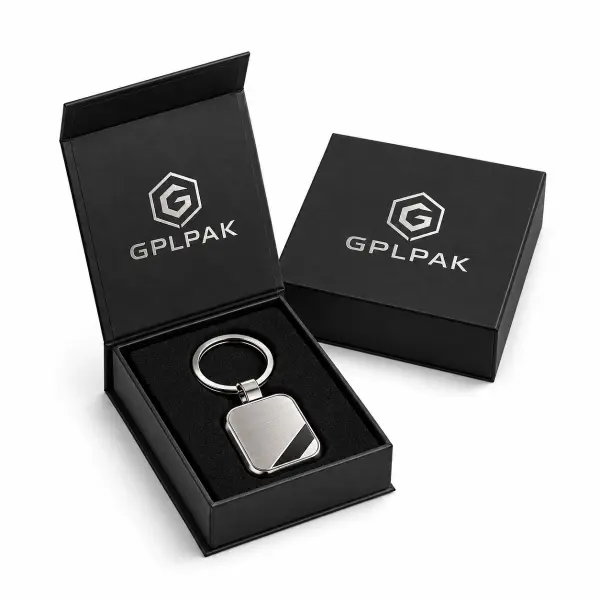
Custom keychain box packaging is a made-to-order presentation system built around the complete keychain, including the charm, split ring, connector, chain and any backing card. The right format depends on the sales channel: a hanging card or folding carton can suit mass retail, while a fitted rigid gift box is better for premium, collectible and corporate-gift programs. Buyers comparing a production solution can review GPLPAK's custom keychain packaging boxes alongside the engineering guidance below.
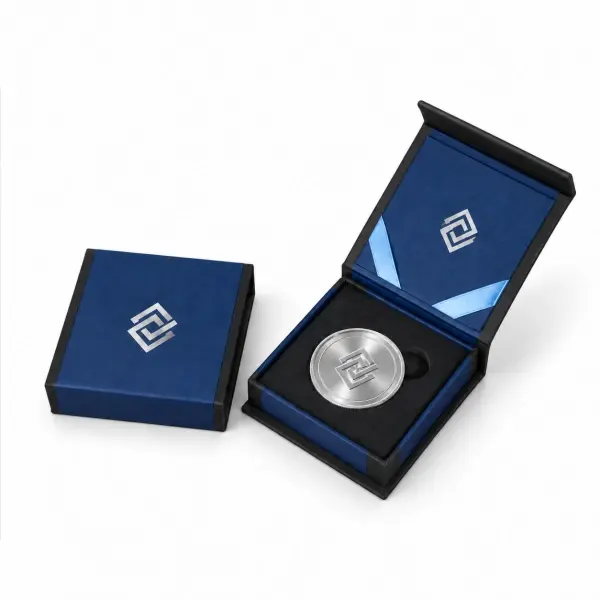
For premium programs, the packaging is commonly a compact rigid paperboard box — lid-and-base, drawer or hinged magnetic — combined with a fitted insert. The insert is as important as the outer box because it controls the metal components, separates the ring from the decorated charm and creates a deliberate opening presentation. A presentation box should still be packed in an appropriate corrugated outer shipper; it is not, by itself, a parcel-protection or environmental-control system.
This guide is written for brand, sourcing and product-development teams. It explains how to define the finished keychain envelope, select a channel-appropriate structure, develop the insert, control artwork and finishes, approve a fit sample and request a quotation without relying on unsupported universal MOQs or lead times.
The phrase covers more than one construction. It can mean a printed backing card, a folding carton with a window, a paper sleeve, a drawer pack or a wrapped rigid gift box. Treating all of these as interchangeable leads to weak RFQs: the supplier cannot price the board, insert, assembly or shipping cube correctly until the channel and presentation level are defined.
Start by separating three jobs: retail display, gift presentation and distribution protection. A hanging pack needs a secure euro-slot area and visible product information. A premium box needs a controlled reveal and a fitted insert. E-commerce also needs an outer shipper sized for the packed unit. One component can support more than one job, but each requirement must be written into the brief.
| Packaging route | Primary job | Key design question |
|---|---|---|
| Backing card or sleeve | High-volume retail display | Can the ring be retained without tearing the display area? |
| Folding carton | Compact branded protection | Does the carton need a window, hanger or inner card? |
| Rigid presentation box | Premium gifting and collecting | How will the charm and ring be staged and removed? |
| Corrugated shipper | Distribution protection | What route, pack count and acceptance criteria apply? |
Fit priority: If the keychain has exposed metal edges, a heavy split ring or a free-moving connector, specify how each part is retained. A single oversized cavity may stop the charm from falling out but still allow the ring to mark the lid liner.
There is a commercial reason to choose a premium box: the package signals how the buyer should value the item. A promotional keyring may only need an efficient folding carton. A limited-edition enamel piece, branded leather fob or corporate award can justify a foil-stamped, lined caixa rígida when gifting, display and long-term storage are part of the offer.
Rigid boxes also provide a stable platform for the insert and protect the decorated surface from ordinary handling. Board caliper, wrap paper and insert specification should be selected from the packed product weight, overall box dimensions and distribution route rather than copied from a generic thickness chart. The supplier should confirm these variables on the structural drawing and physical sample.
Protection has a boundary. The presentation pack manages movement and appearance at unit level; a corrugated master carton, dividers, void fill and pack orientation manage shipment loads. If damage risk is commercially important, agree the packed configuration and route-specific test plan before production. ISTA's official procedure descriptions distinguish screening and simulation approaches, so the appropriate procedure must be selected for the actual shipment system.
Perceived value: premium presentation justifies retail or gift pricing.
Proteção: rigid walls and inserts prevent scratches, dents and tangles.
Brand surface: flat rigid panels print and foil beautifully at small scale.
Reusability: customers keep the box, which keeps your brand in the drawer.
Four structures cover almost every keychain project. The right choice depends on how you sell — retail shelf, e-commerce mailer, subscription box or corporate gift.
| Estrutura | Melhor para | Unboxing Feel | Relative Cost |
|---|---|---|---|
| Lid and base | Retail charms, gift sets | Classic, tactile lid lift | Baixo |
| Magnetic flip box | Premium gifts, collectibles | Slow, high-end reveal | Medium |
| Sliding drawer | E-commerce, subscription | Playful slide-out | Medium |
| Tube | Single bold charm, pendants | Modern, compact | Low–medium |
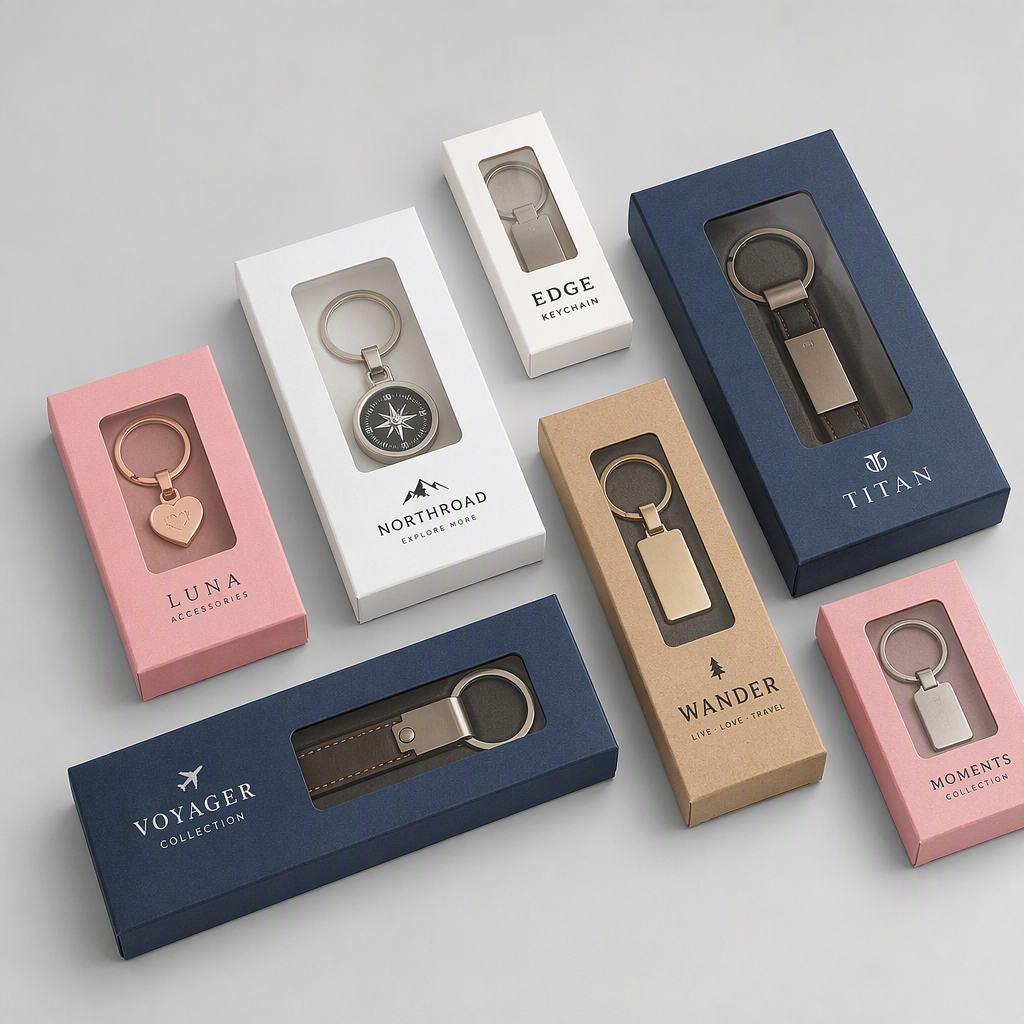
Custom rigid keychain boxes in mixed sizes, colors and window options.
For light, flat keychains sold in volume, a folding carton may provide the required branding and display function with less material and shipping volume. A rigid construction is better considered when the program needs gifting, collecting, repeat storage or a controlled premium reveal. The price difference is project-specific and should be compared at the same quantity, insert requirement and finish specification.
A hinged book-shape box can add an information panel for a short brand story, authenticity card or care message. Before selecting it, confirm how the hinge flexes, whether the open lid remains stable and whether the added depth creates unnecessary freight volume. You can also compare keychain box structures and insert options on the product page.
A rigid keychain box is a converted paperboard system: a structural board core is cut and assembled, then wrapped with printed or specialty paper. The combination controls stiffness, edge quality, weight, print reproduction and resistance to handling marks. The insert and liner form a separate material system and must be specified with equal care.
| Component | Common Option | Why It Works |
|---|---|---|
| Core board | Project-specific rigid greyboard | Caliper selected for box size, packed weight and handling route |
| Wrap paper | Printed or specialty wrap paper | Selected to the artwork, finish, fold and rub-resistance requirement |
| Specialty surface | Textured paper or laminated print | Adds tactile contrast; dark colors require scuff and fingerprint review |
| Liner | Velvet, satin or suede paper | Soft visual surface; verify rub contact with plated parts |
| Inserir | Die-cut EVA or molded pulp | Controls the charm and ring when the cavity is developed from the real product |
Specification boundary: If the keychain is marketed to children or sold into a regulated program, compliance responsibility belongs to the complete product and its intended market. State any packaging material declarations, restricted-substance requirements and documentation needs in the RFQ. A paper box alone does not certify the keychain.
Color and surface approval also need a defined standard. Ask whether color will be controlled against a physical swatch, a signed print proof or an approved production sample. Metallic foil, uncoated colored papers and soft-touch surfaces can shift under different lighting, so assess them under the same viewing conditions that will be used for approval.
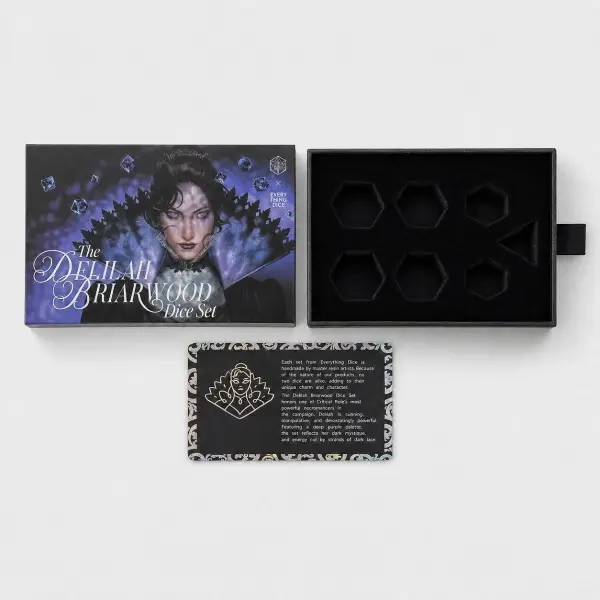
The insert is where a keychain box is won or lost. A well-cut insert turns a loose metal object into a displayed product; a poor one lets the charm slide, rattle and scratch the print.
Do not design the cavity from the charm artwork alone. Measure the maximum physical envelope of the assembled keychain, including the outer diameter of the split ring, connector thickness, chain movement and any raised logo or clasp. Then decide whether the ring should sit in the same cavity, a separate circular recess, a slit, a channel or behind a card platform. Include a finger notch or pull point so the user can remove the product without forcing the plating against a hard edge.
Precision cavities hold odd shapes snugly. Ideal for keychains with irregular outlines or protruding rings.
A soft bed that protects plating and instantly signals luxury. Pairs well with a shallow foam recess.
Paper-based and recyclable. A strong eco choice when the keychain shape is simple and uniform.
A printed card holds the keychain upright for a display-stand effect inside the box.
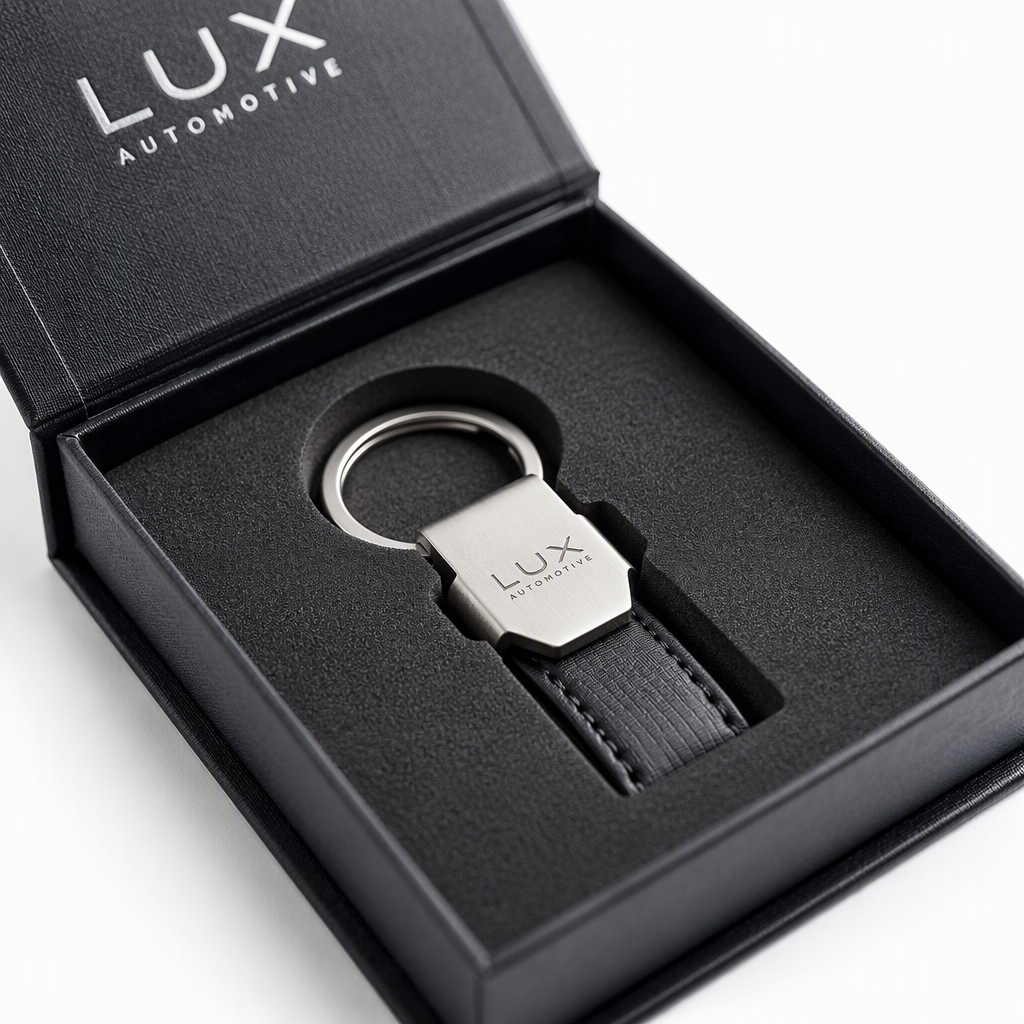
A die-cut EVA insert keeps a metal keychain fixed, scratch-free and display-ready.
Sizing should follow the packed product, not a nominal keychain category. Record the product at its widest, longest and highest points, then define how it will be oriented in the box. The finished box dimensions can only be set after the insert wall, removal space, lid clearance and manufacturing allowances are included. Oversizing creates movement and freight waste; undersizing can distort the insert or make removal difficult.
| RFQ input | What to record | Why it changes the package |
|---|---|---|
| Finished product envelope | Maximum length, width and height in the intended orientation | Sets the minimum cavity and lid-clearance requirement |
| Ring and connector | Ring outside diameter, wire thickness, connector type and free movement | Determines whether a slit, channel or separate recess is needed |
| Mass and contact surfaces | Finished unit weight, sharp points and delicate plating areas | Influences retention force, liner choice and abrasion risk |
| Presentation and removal | Opening direction, front face, information card and finger access | Controls product orientation and the user's first interaction |
Quantity planning is as important as dimensions, but there is no responsible universal MOQ. The economical run size depends on structure, insert process, paper, decoration, SKU count and assembly method. Ask the supplier to quote your target quantity plus one higher-volume break, with tooling, sampling and packing shown separately. That comparison reveals whether a simpler structure or shared component can reduce cost without weakening the brief.
Best input: Send one production-representative keychain whenever possible. If that is not available, provide a controlled drawing plus clear photographs of the front, side, back, ring and connector. State which dimensions are maximum and whether future SKUs must share the same insert.
On a small box, finishing matters more, not less. There is little surface area, so a single strong detail — a gold foil logo, a raised emboss, a matte-touch laminate — carries the whole impression.
Keep artwork proportional to the real production panel. Fine reversed type, hairline foil details and embossing close to a wrapped edge can lose definition or expose registration variation. Ask the converter to mark glue areas, folds, wrap turns and safe zones on the production dieline. Approve copy, barcode orientation and legal marks before a decorated sample is made.
Metallic gold, silver or rose foil delivers the strongest luxury signal per square millimetre.
Raised gloss on a matte surface creates a tactile logo that photographs beautifully.
Matte, soft-touch or textured laminate protects the print and defines the box's "hand."
A clear PVC window or a die-cut aperture lets buyers see the charm while the box stays sealed.
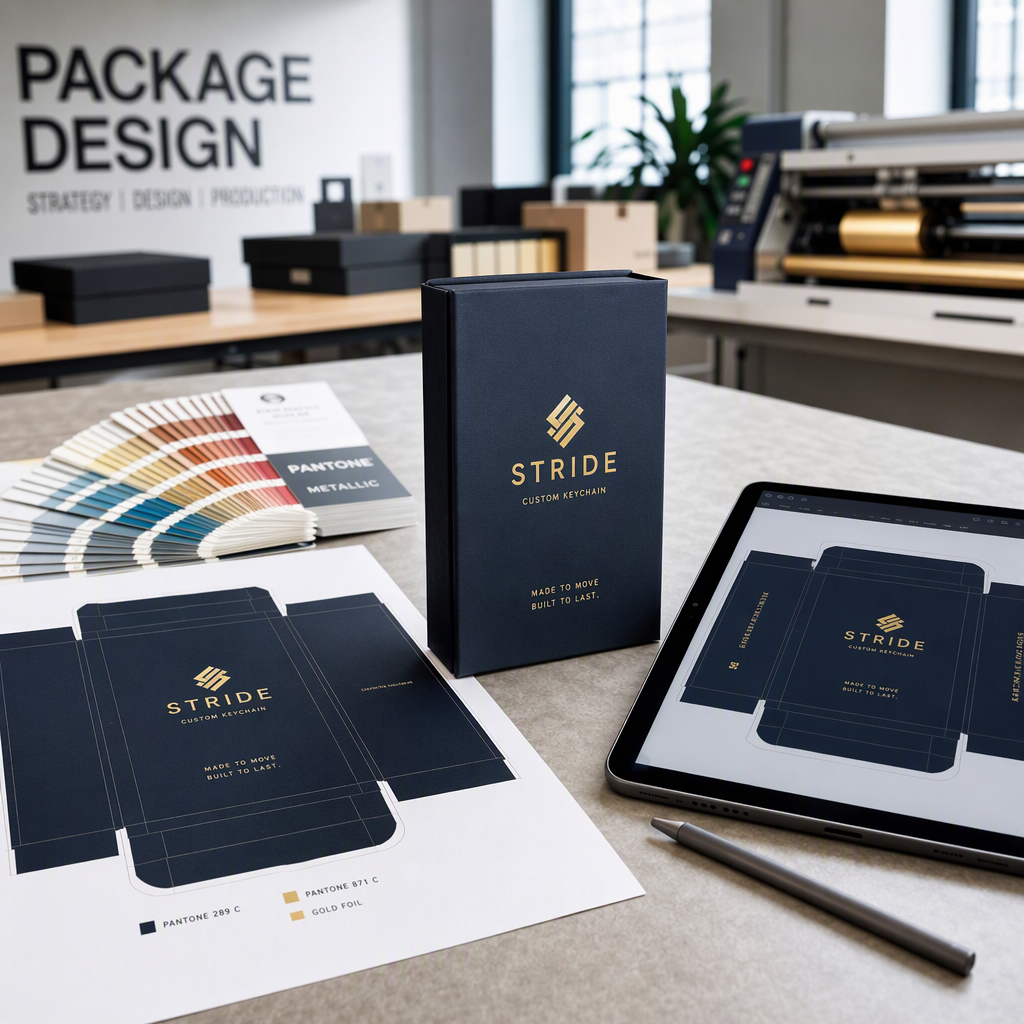
From dieline to foil-stamped sample — how a keychain box comes together.
A useful quotation separates recurring unit cost from one-time development cost. Per-unit pricing is sensitive to material yield, hand assembly, insert complexity, decoration passes, quantity and export packing. A lower box price can be misleading if it excludes the insert, foil block, sample, individual protection or master-carton configuration.
Order quantity: setup costs spread thin over large runs; small runs pay more per box.
Structure and board: a rigid magnetic box costs more than a folding carton.
Inserts: velvet lining, EVA die-cuts and multi-cavity trays add material and labour.
Acabamento: foil, emboss, spot UV and specialty laminates are priced per plate and per area.
Colours and plates: extra Pantone colours and custom dielines raise setup.
Tooling and sampling: die-cut dies, foil blocks and physical samples are one-time costs.
For a comparable quote, give every supplier the same drawing, artwork, insert material, finish list, quantity breaks, packing method, delivery term and destination. Ask them to identify assumptions instead of hiding them in a single total. GPLPAK's consulta embalagemeproduct development pages describe the information that supports a more controlled brief.
Physical sample or controlled drawing of the assembled keychain
Selected box style, opening direction and insert concept
Artwork files, color references and finish locations
Quantity by SKU, overrun tolerance and target launch date
Unit packing, master-carton requirement, delivery term and destination
The supplier you choose determines whether your box arrives crisp and on time — or squeezed, off-colour and late. Use these checkpoints before you commit.
Look for a factory that builds rigid boxes as a core line, not a side hustle.
→ Related: caixas rígidas
A factory that is confident will send a physical sample you can approve.
→ Related: Development and Sampling
Structural and artwork engineering save you weeks of back-and-forth.
→ Related: Validação do projeto para a fabricação
Ask for inspection reports and export-ready packing that survives transit.
→ Related: Consulta Embalagem
A supplier comparison should be evidence-based. Request a structural drawing with internal and external dimensions, an insert material description, finish references, an approved-sample workflow, inspection criteria and a packing plan. A polished rendering is useful for direction, but it does not prove fit, color, opening force or resistance to distribution handling.
Approve the physical sample against written criteria: the keychain remains seated after normal handling, decorated faces do not contact abrasive surfaces, the product can be removed without damage, the lid or drawer operates consistently, artwork orientation is correct and the closed box shows no obvious wrap lifting, exposed board or adhesive marks. Keep the approved sample and signed specification as production references.
Sustainability should be evaluated at component level rather than claimed from the word "paper." A rigid box may combine board, wrap, laminate, adhesive, magnets, foam, fabric and film. These combinations can affect local collection and recycling routes. The practical goal is to remove unnecessary components, right-size the pack and choose materials that still meet fit, appearance and handling requirements.
Simplify the insert: test a folded paperboard platform or molded fiber solution where product geometry and appearance allow.
Reduce mixed materials: avoid decorative layers that do not contribute to protection, information or brand presentation.
Right-size the system: evaluate the presentation box, individual protection and master carton together to reduce empty volume.
Control sourcing claims: if FSC labeling is required, specify the exact claim and request valid chain-of-custody documentation for the supplying organization. See the official FSC chain-of-custody guidance.
Ask the converter to identify each component in the bill of materials and explain which items can be separated after use. Do not use broad recyclability or certified-material claims until the selected construction, market and documentation have been checked.
Send your keychain sample or drawing, artwork, quantity, destination and acceptance requirements. GPLPAK can review the structure, insert and finish options and prepare a project-specific quotation for approval.
© 2026 GPLPAK - China's Professional Custom Packaging Manufacturer
 Notícias quentes
2026-09-30
2026-09-23
2026-09-22
2026-09-21
2026-09-18
2026-09-17
2026-09-17
2026-09-16
2026-09-09
2026-08-31
Discover premium packaging solutions from Dongguan Xinglan Packaging Products Co., Ltd. Specializing in innovative, durable, and custom packaging products for diverse industries.
A GPLPAK está comprometida com a excelência na manufatura.


.jpg)