
 EN
EN  EN
EN  RU
RU  ES
ES  KO
KO  JA
JA  PT
PT  IT
IT  DE
DE  FR
FR  NL
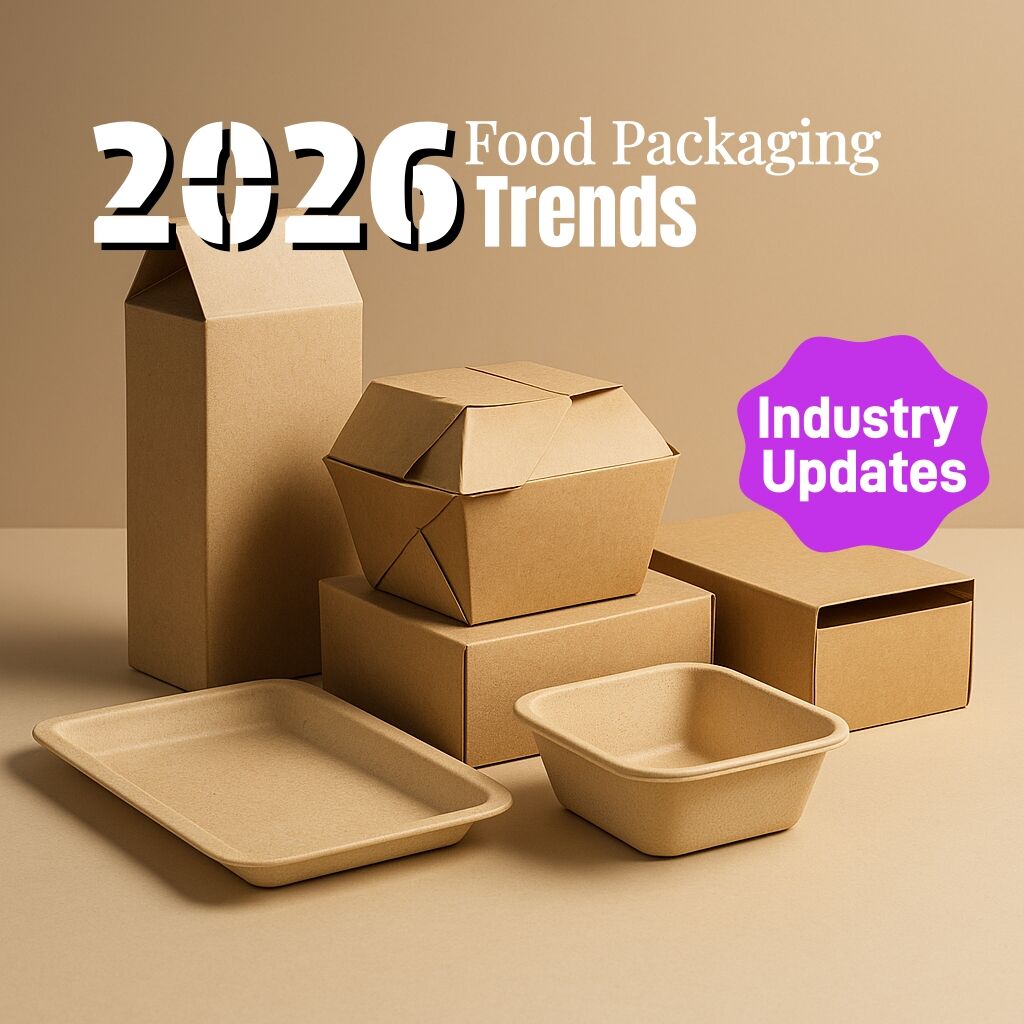
NL 2026 Lebensmittelverpackungstrends
2026 Lebensmittelverpackungen sind nicht mehr nur Container
Die globale Lebensmittelindustrie tritt in ein neues Kapitel ein. Nachhaltigkeitsziele, strengere Vorschriften, digitale Transparenz und verändertes Verbraucherverhalten verändern die Art und Weise, wie Marken Lebensmittelverpackungen gestalten.
Für globale Marken ist die Frage nicht mehr, ob Verpackungen aktualisiert werden sollten. Die eigentliche Frage ist, wie schnell, in welche Richtung und mit welchem Herstellungspartner.
Vier Kräfte verändern Verpackungen
Die Zukunft der Lebensmittelverpackung wird durch Nachhaltigkeit, Technologie, Komfort und Markenklärheit definiert. Ihre Verpackungsentscheidungen der nächsten Generation sollten auf alle vier abgestimmt sein.
1 · Einführung
Globale Lebensmittelmarken brauchen Verpackungen, die härter funktionieren
Lebensmittelverpackungen sollen jetzt viel mehr tun als nur ein Produkt halten. Es muss Nachhaltigkeitsziele unterstützen, Frische schützen, klar kommunizieren, E-Commerce-Logistik anpassen und den Markenwert in überfüllten Einzelhandels- und Online-Umgebungen stärken.
Als Hersteller von kundenspezifischen Verpackungsboxen arbeitet GPLPAK mit Lebensmittel- und Getränkemarken in Europa, Nordamerika und Asien zusammen, um Verpackungen zu entwickeln, die auf die Marke aussehen und gleichzeitig praktische Anforderungen an Umweltleistung, Logistik und Verbrauchererfahrung erfüllen.
Nachhaltigkeit
Materialwahl, Recyclingfähigkeit, Leichtgewicht und verantwortungsbewusste Beschaffung werden zu zentralen Beschaffungskriterien für Lebensmittelmarken.
Technologie
QR-Codes, digitale Storytelling, Rückverfolgbarkeitssysteme und Frischenindikatoren machen Verpackungen zu einer Kommunikationsplattform.
Bequemlichkeit
Verpackungen müssen leichter geöffnet, transportiert, versendet, gelagert und recycelt werden und gleichzeitig Frische und Produktqualität schützen.
Markenklärheit
Klare visuelle Hierarchie, kühne Identität und einfach zu scannende Produktinformationen helfen Marken, im Regal und in Online-Miniaturen zu gewinnen.
2 · Marktverschiebung
Warum 2026 ein Wendepunkt für Lebensmittelverpackungen ist
Mehrere langfristige Kräfte konvergieren im Jahr 2026, was es zu einem entscheidenden Moment für Lebensmittel- und Konsumgütermarken macht, die Verpackungsstrategie neu zu überdenken.
3 · Trend 1
Nachhaltige & Lebensmittelverpackungsmaterialien der nächsten Generation
Nachhaltigkeit hat sich von einem Marketing-Slogan zu einer messbaren Geschäftsanforderung entwickelt. Im Jahr 2026 und darüber hinaus werden Marken Materialien zunehmend priorisieren, die Lebensmittelsicherheit, Leistung und Recyclingfähigkeit ausgleichen.
Faser- und pflanzliche Lösungen
Nützlich für verantwortungsvolle Papierbeschaffung und hochwertige gedruckte Lebensmittelverpackungsboxen.
Eine pflanzliche Option für Marken, die Geschichten von natürlichen Materialien suchen.
Landwirtschaftliches Nebenproduktmaterial, das faserbasierte Lebensmittelverpackungsformate unterstützen kann.
Compostable and biodegradable options
Compostable films and bio-based liners can reduce long-term waste for certain applications. They are not suitable for every product, but they are increasingly part of a broader portfolio of eco-friendly options.
Lightweighting without compromising protection
Lightweight structures help reduce material usage and shipping emissions, but they still need stacking strength, moisture resistance and grease resistance. This is where structural engineering, insert design and coating selection become critical.
GPLPAK insight
GPLPAK helps brands select the right balance of recycled, recyclable and bio-based materials based on food category, contact level, logistics requirements and brand positioning.
Explore Packaging Solutions4 · Trend 2
Smarter Packaging with Digitalization & Traceability
Digital technology is becoming an integral part of food packaging. Even simple cardboard boxes can become smarter when combined with scannable codes and digital content.
On-pack QR codes
QR codes can give consumers instant access to origin information, allergens, recipes, serving suggestions, recycling instructions and brand storytelling.
Supply chain traceability
Serialized codes, NFC or supply chain platform integration can help track products from factory to shelf and support anti-counterfeiting efforts.
Freshness indicators
Time-temperature indicators and freshness sensors are still emerging, but they are becoming more relevant for chilled, ready-to-eat and higher-risk food categories.
5 · Trend 3
Minimalist Branding with Stronger Shelf Impact
In crowded supermarket shelves and online thumbnails, simplicity often wins. 2026 food packaging design favors clear structures and strong recognizable elements rather than overly complex graphics.
Clean layouts and bold typography
Large fonts, clear hierarchy and generous white space make flavor, claims and certifications easier to scan in store and online.
Strategic color and finishes
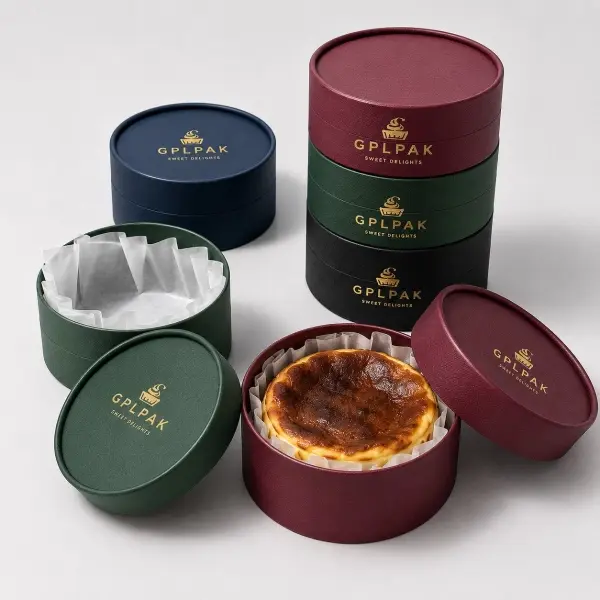
Solid color blocks, subtle gradients and selective foil or spot UV can create a premium feel without making the package look busy.
Tactile premium details
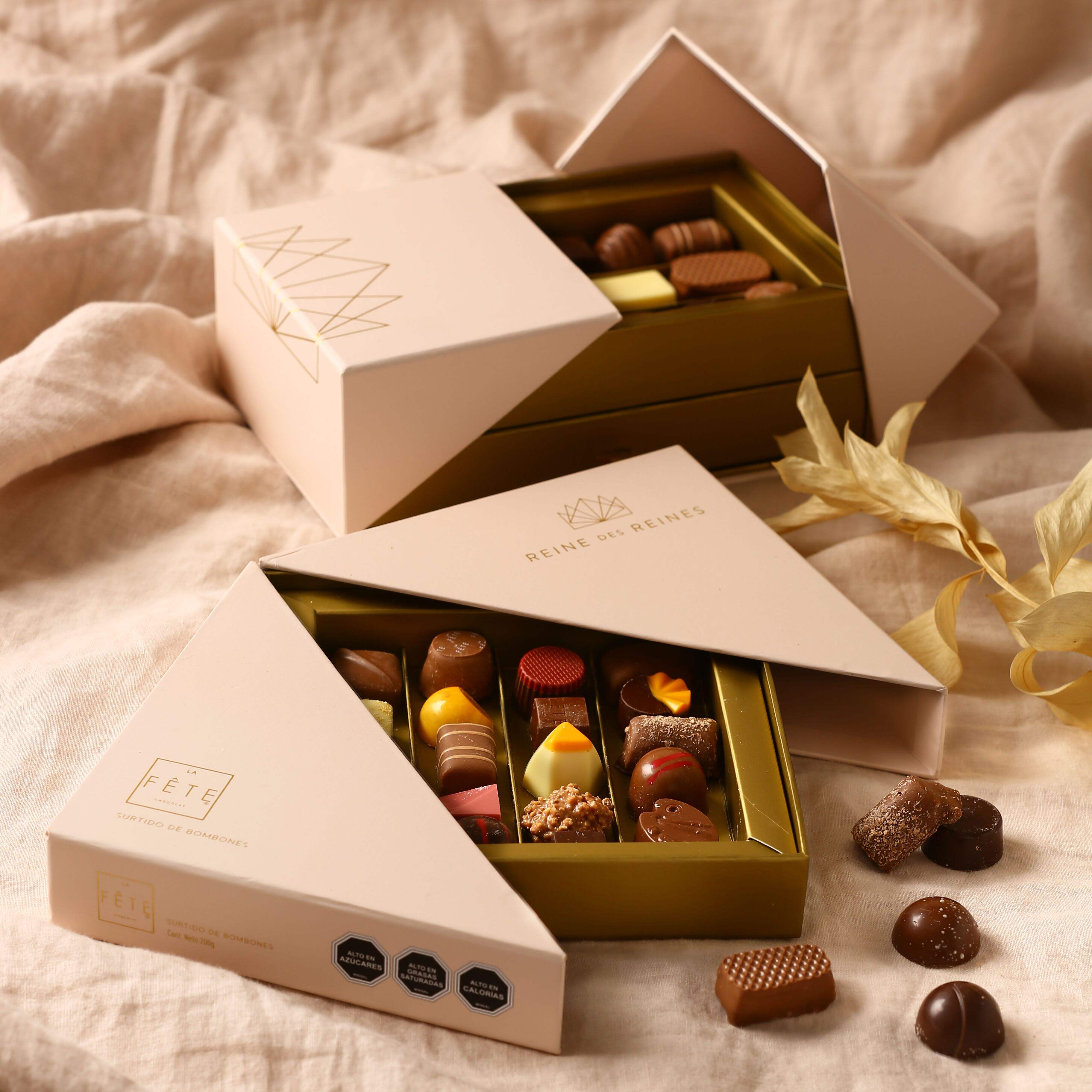
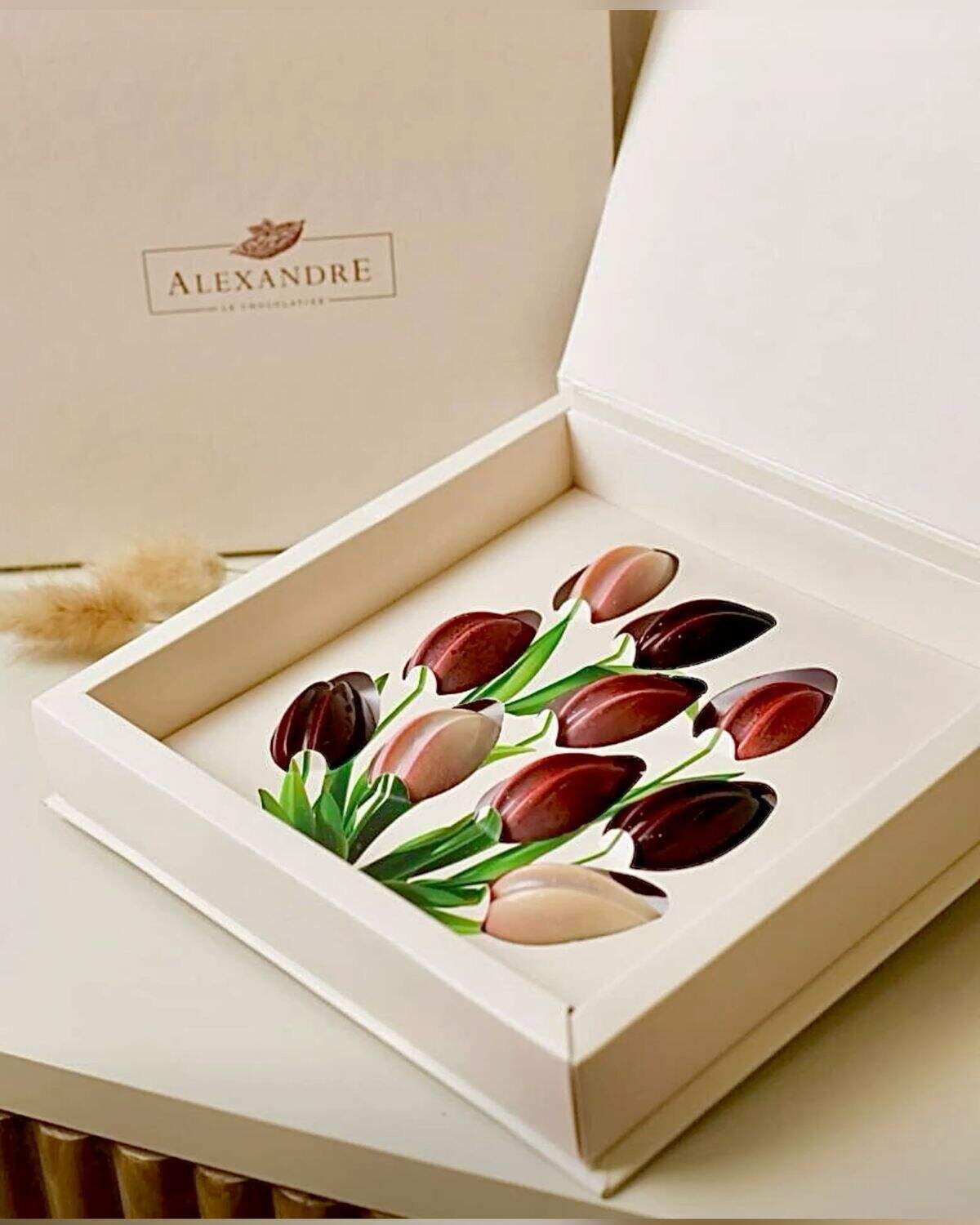
Embossing, debossing, soft-touch lamination and textured papers create a more memorable unboxing experience for giftable food items and gourmet categories.
6 · Trend 4
Packaging Built for E-commerce, Delivery & Fresh Food Logistics
More food is shipped directly to homes, offices and workplaces. This means packaging must perform beyond the retail shelf. It needs to survive warehousing, courier handling and last-mile delivery.
Structural strength and stacking stability
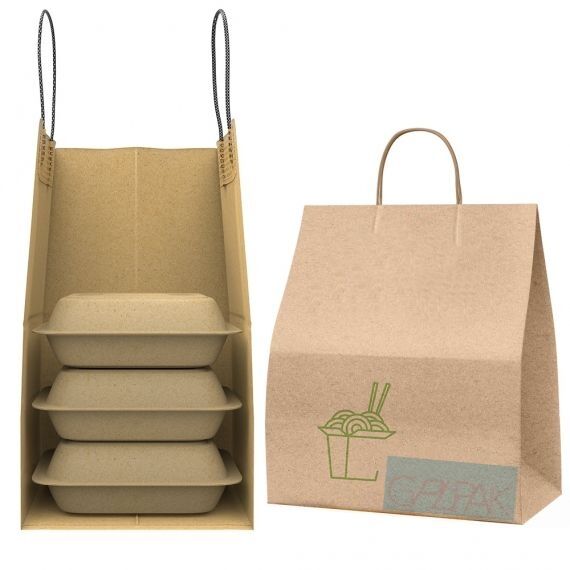
Food boxes must resist compression, vibration and accidental drops. For meal kits, frozen foods or beverage sets, dividers and inserts can prevent products from shifting during transport.
Tamper-evident and leak-resistant design
Food safety and perceived hygiene are crucial. Visible tamper-evident closures and leak-resistant structures are becoming standard expectations for takeaway and ready-to-eat categories.
Temperature and moisture considerations
For chilled and frozen products, packaging structures must accommodate insulation, ice packs, special coatings, condensation control and grease resistance.
GPLPAK application
GPLPAK engineers food cartons and outer boxes with specific e-commerce and delivery scenarios in mind, including inserts, dividers, sleeves, reinforced structures and export packing logic.
Learn About GPLPAK7 · Trend 5
Shelf-Life Extension & Food Safety as a Core Design Rule
In 2026, packaging is expected to actively support product safety and quality. It should not simply hold the product; it should help protect freshness, texture and consumer confidence.
Barrier properties tailored to product needs
Oxygen, moisture and light can reduce shelf life. Coatings, barrier films and selected substrates can help maintain freshness, texture and flavor.
Food contact compliance
Packaging materials should comply with applicable FDA, EU or local food contact requirements. Inks, adhesives and coatings need to be carefully specified for each application.
Cold-chain and logistics alignment
For refrigerated and frozen goods, packaging should support cold-chain integrity, including low-temperature durability and insulation requirements.
8 · GPLPAK Support
How GPLPAK Helps Brands Adapt to 2026 Food Packaging Trends
Choosing the right manufacturing partner is critical when updating packaging for a new regulatory and market environment. GPLPAK offers end-to-end support from concept to shipment.
Material consulting and sampling
GPLPAK evaluates material options based on food category, sustainability commitments and budget, then supports samples and trial runs before scaling.
Structural and insert design
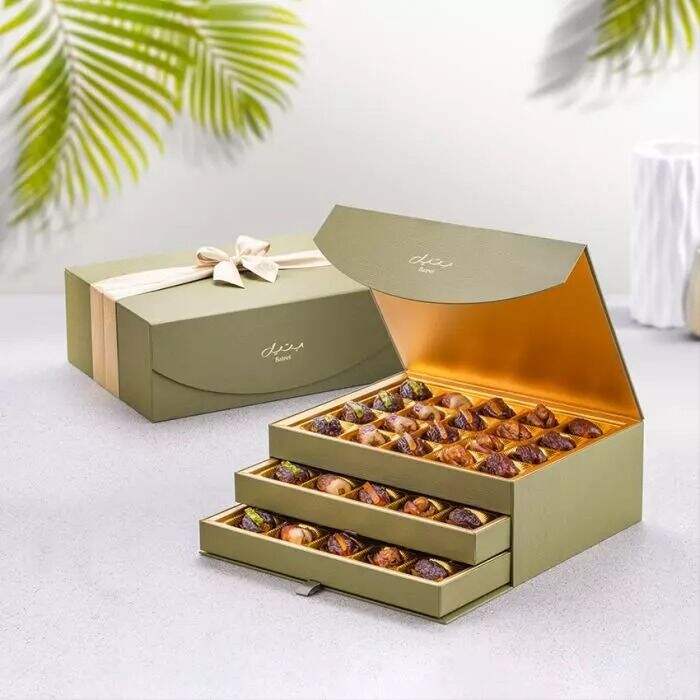
From simple folding cartons to multi-component sets with inserts, dividers and sleeves, GPLPAK engineers structures that protect products and improve unboxing.
High-end printing and finishing
CMYK, spot colors, foil stamping, embossing, debossing, matte lamination, gloss lamination and spot UV help bring food packaging brand guidelines to life.
Global export experience
GPLPAK supports international brands with export documentation awareness, quality expectations and logistics coordination for different regions.
9 · FAQ
Häufig gestellte Fragen
What are the most important food packaging trends for 2026?
The most important trends include sustainable and recyclable materials, smarter packaging with digital tools, minimalist branding, e-commerce-ready structures and stronger focus on shelf life and food safety.
How can I choose the right materials for my food packaging boxes?
Consider food contact safety, barrier needs, recyclability, brand positioning and logistics. A manufacturer like GPLPAK can help compare different options and test them before full implementation.
What makes GPLPAK a suitable partner for global food brands?
GPLPAK combines material expertise, structural engineering, advanced printing capabilities and export experience. The team supports customized packaging boxes from concept to mass production.
Should global brands update packaging before regulations force them to?
Yes. Early updates give brands more time to test materials, validate logistics, prepare compliance documentation and improve consumer perception before changes become urgent.
10 · Work with GPLPAK
Ready to Upgrade Your Food Packaging for 2026?
The 2026 landscape for food packaging is defined by rapid change in regulations, consumer expectations, sales channels and technology. Brands that respond early and strategically will gain a clear advantage in perception and performance.
Share your current packaging, target markets, sustainability goals and product requirements with GPLPAK. Our team can help translate 2026 food packaging trends into practical, commercially viable solutions.
Build Food Packaging That Is Ready for 2026
GPLPAK supports global food and consumer goods brands with material consulting, structural design, insert development, premium printing, finishing, sampling and export-ready production.

 Heiße Nachrichten
.jpg)
